The upcoming local government elections, scheduled for May 7, 2026, represent a critical juncture for social and economic policy across England, Wales, and Scotland. While national general elections often dominate the media landscape, local councils hold the keys to the essential services that dictate the quality of daily life and the level of parity within a community. In England alone, voters will decide the fate of 5,014 seats across 136 local authorities. These elected officials will oversee vast budgets and exercise statutory powers over housing, social care, urban planning, and public procurement—areas where the gap between the affluent and the marginalized is most visible.
As the campaign season intensifies, political analysts suggest that these elections will serve as a referendum on how local authorities have managed the dual pressures of post-pandemic recovery and a protracted cost-of-living crisis. Candidates from across the political spectrum are expected to address the record of their opponents, yet the fundamental question remains whether they are prepared to implement structural changes to combat systemic inequality. This guide provides a detailed framework for voters to evaluate candidates, engage with the democratic process, and demand accountability on the issues that matter most to their neighborhoods.
The Socio-Economic Context: A Nation at a Crossroads
The 2026 elections take place against a backdrop of significant national inequality. Data from the Office for National Statistics (ONS) and independent research organizations indicate that the United Kingdom remains one of the most unequal developed nations in the world. The top 10% of households currently hold approximately 43% of the nation’s total wealth, while the bottom 50% own less than 5%. This disparity is not merely a statistical anomaly; it translates into tangible differences in life expectancy, educational attainment, and mental health outcomes.
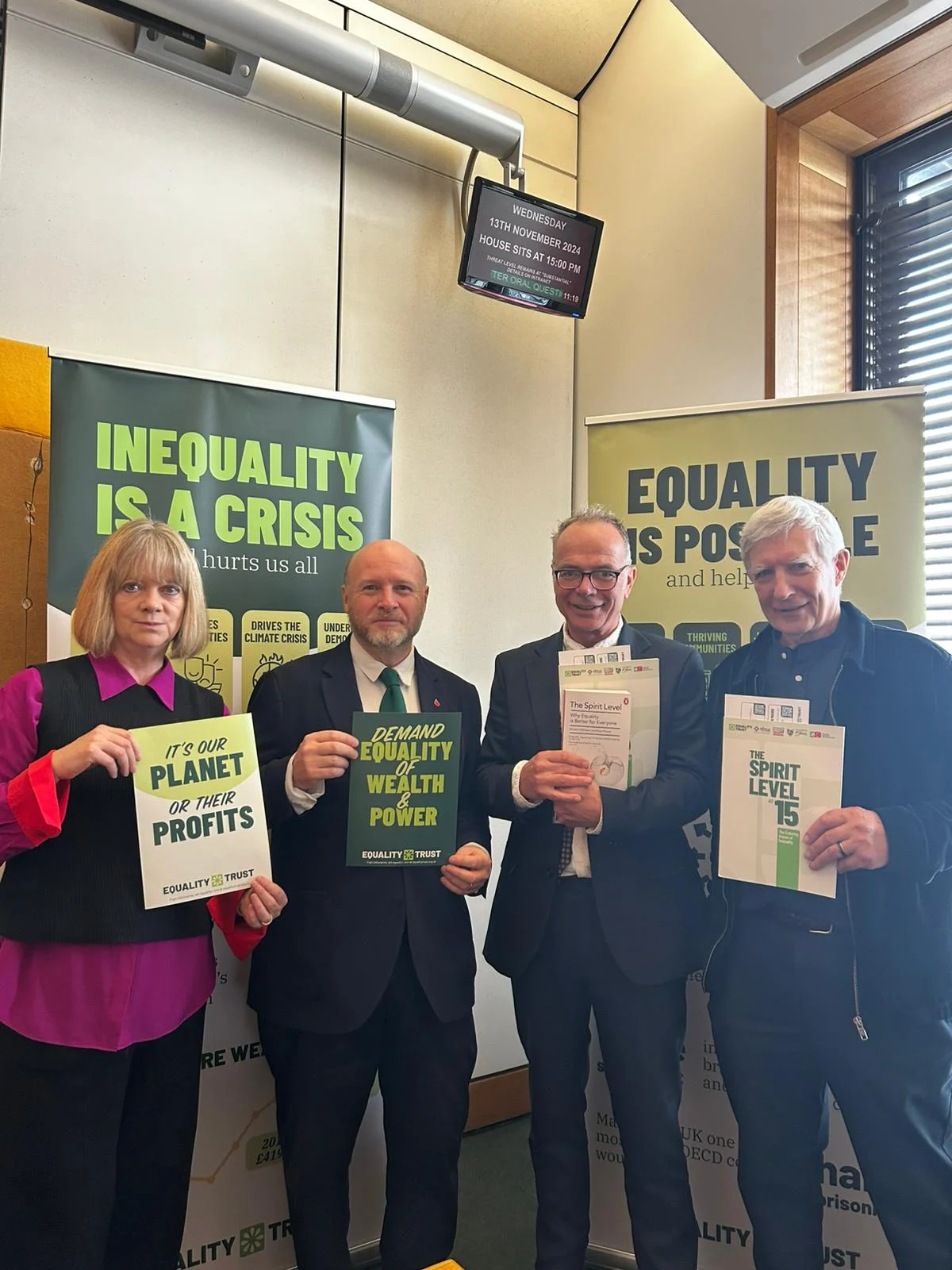
Research conducted by The Equality Trust suggests that more equal societies tend to be more cohesive and economically resilient. High levels of inequality are linked to increased rates of crime, lower levels of social trust, and reduced social mobility. In the context of local government, these national trends manifest as housing shortages, overstretched social services, and the "hollowing out" of high streets. By focusing on local data—such as the number of families on social housing waiting lists or the percentage of children living in poverty within a specific ward—voters can ground their demands in the lived reality of their communities.
A Timeline of Local Governance and Inequality (2010–2026)
To understand the stakes of the 2026 elections, one must examine the trajectory of local government power over the last decade and a half:
- 2010: The introduction of the Equality Act. While Section 1 (the Socio-Economic Duty) was intended to require public bodies to address class-based disadvantage, it was not brought into force by the national government, leaving local councils to adopt it voluntarily.
- 2010–2020: A decade of "Austerity" measures saw central government grants to local councils reduced by an average of 40% in real terms, leading to significant cuts in discretionary services like youth clubs and libraries.
- 2012: The Public Services (Social Value) Act was passed, allowing councils to consider social, economic, and environmental well-being when awarding public contracts.
- 2019–2022: The emergence of the "Preston Model" gained national attention, demonstrating how "community wealth building" and localized procurement could revitalize struggling urban economies.
- 2023–2025: Several high-profile local authorities, including Birmingham and Nottingham, issued Section 114 notices, effectively declaring bankruptcy due to rising social care costs and historic equal pay claims.
- May 2026: Voters head to the polls to elect representatives who must navigate these financial constraints while addressing growing public demand for equity.
Five Essential Pillars for Candidate Evaluation
Voters are encouraged to move beyond partisan rhetoric by asking specific, policy-oriented questions. The following five areas represent the levers of power most available to local councillors.
1. Housing Stability and Affordability
The housing crisis is arguably the most significant driver of local inequality. With over 1.2 million households on social housing waiting lists across England, the role of the council in planning and development is paramount. Voters should ask candidates if they will commit to refusing planning permission for luxury developments that fail to meet the 35% to 50% affordable housing targets. Furthermore, councils possess the legal power to issue Compulsory Purchase Orders or Empty Dwelling Management Orders to bring long-term vacant properties back into use. A candidate’s stance on resisting the further sell-off of council housing stock is a primary indicator of their commitment to long-term community stability.
2. The Voluntary Adoption of the Socio-Economic Duty (SED)
While the national government has declined to trigger the Socio-Economic Duty of the Equality Act 2010, many progressive councils have done so independently. Adopting the SED requires a council to systematically assess how its decisions—from budget cuts to infrastructure projects—impact people from lower socio-economic backgrounds. Candidates should be asked if they will pledge to make this duty a core part of the council’s constitution, ensuring that "class" is treated with the same legal weight as other protected characteristics like age or disability.
3. Strategic Procurement and Community Wealth Building
Local authorities spend billions of pounds annually on goods and services. Historically, much of this capital has leaked out of local economies into the coffers of multinational corporations. The "community wealth building" approach seeks to redirect this spend toward local cooperatives, small businesses, and social enterprises. Voters should inquire whether candidates support "social value" weightings in procurement contracts and whether they will advocate for the council’s pension fund to divest from exploitative industries, such as fossil fuels and the arms trade, in favor of local sustainable investments.
4. Reinvigorating Local Democracy
Participation in local elections often hovers between 30% and 35%, significantly lower than in general elections. This "democratic deficit" often results in the voices of marginalized residents being drowned out by powerful developers or lobby groups. Candidates should be pressed on how they intend to modernize engagement. This could include the implementation of citizens’ assemblies, participatory budgeting (where residents vote directly on how a portion of the local budget is spent), and the use of non-exclusionary language in public consultations.
5. Protection of Essential Social Services
Social care for the elderly and children’s services now consume nearly 70% of many council budgets. This has left "preventative" services—such as early years support, mental health hubs, and community centers—vulnerable to cuts. Candidates must be asked for a clear plan on how they will protect these services without further placing the burden on low-income residents through regressive council tax increases.
Methods of Engagement: Amplifying the Voter’s Voice
Effective advocacy requires utilizing multiple channels of communication to ensure that inequality remains at the top of the political agenda.
The Power of Local Media:
Writing letters to the editor of local newspapers remains an effective way to influence the local narrative. A well-crafted letter that links a national statistic (e.g., the UK’s rising child poverty rates) to a local issue (e.g., the closure of a neighborhood library) can force candidates to respond publicly. Similarly, phoning into local radio stations like LBC or BBC local outlets allows voters to challenge candidates in a live, unscripted environment.
Direct Candidate Interaction:
Hustings—public debates where candidates from all parties face questions from the audience—are vital forums for accountability. Experts suggest that the most effective questions at hustings are those that are "closed-ended," requiring a "yes" or "no" commitment, followed by a request for a specific timeline. On the doorstep, voters should feel empowered to ask canvassers for data-backed responses rather than scripted talking points.
Implications and Analysis
The outcome of the May 2026 elections will likely determine the resilience of the UK’s social fabric for the remainder of the decade. If councils continue to prioritize short-term fiscal savings over long-term social investment, the "inequality gap" is expected to widen, leading to higher costs in the long run for healthcare and policing. Conversely, a shift toward the "Preston Model" and the adoption of the Socio-Economic Duty could signal a new era of municipal socialism or "localism" that prioritizes human well-being over corporate profit.
Political analysts note that local government is often the "canary in the coal mine" for national policy shifts. The strategies tested at the local level in 2026—whether in housing reform or democratic innovation—will likely form the basis for national manifestos in the years to follow. For the voter, the message is clear: the local ballot is not a footnote; it is the most direct tool available for dismantling the structures of inequality that persist in modern Britain.