May 13, 2026 | By Jennie van den Boogaard, Director of Global External Relations and Marketing
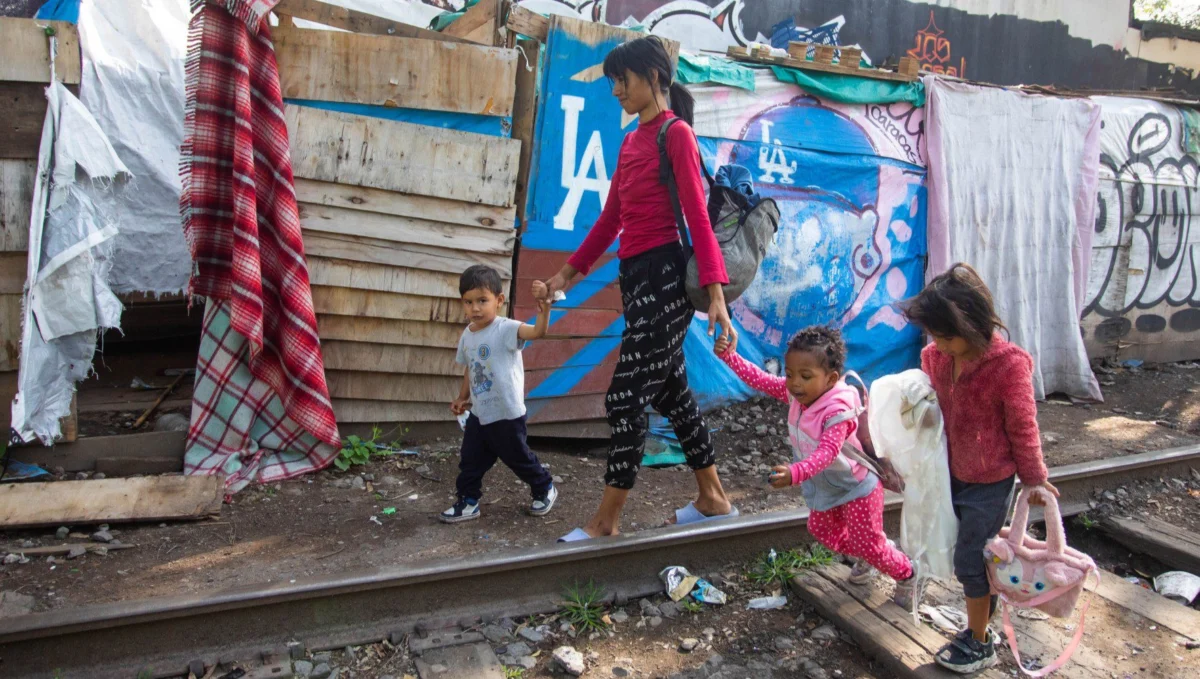
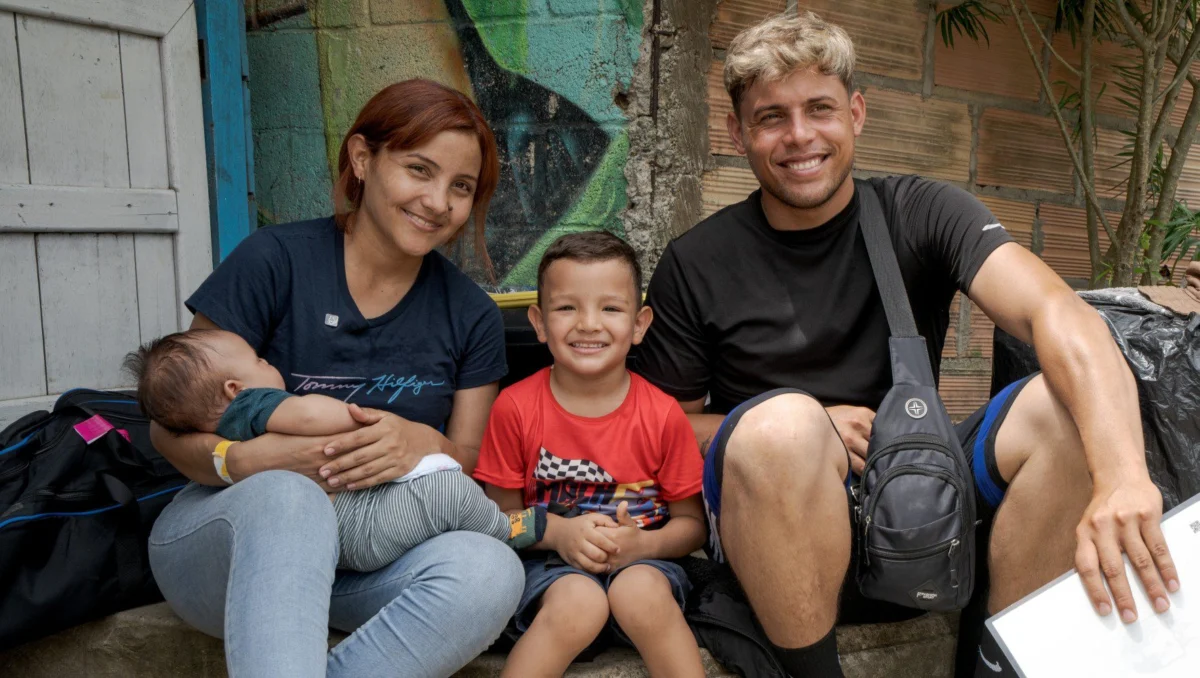
Once a primary transit corridor for individuals seeking to reach the United States, Mexico has undergone a profound transformation in its role within the global migration landscape. In recent years, the nation has increasingly become a final destination for vast numbers of people fleeing violence, conflict, and environmental devastation. This shift has propelled Mexico into the ranks of countries with the highest asylum application rates worldwide, currently hosting an estimated 780,000 displaced individuals. This diverse population includes refugees, asylum seekers, stateless persons, and a significant number of internally displaced Mexicans, creating unprecedented challenges for government agencies, humanitarian organizations, and frontline responders alike.
The drivers behind this mass displacement are multifaceted and deeply concerning. Reports consistently highlight the pervasive threat of gang violence and armed conflict as primary motivators for departure from home countries. Additionally, the escalating impacts of climate change, manifesting in extreme weather events and resource scarcity, are forcing communities to abandon their lands. For many, particularly women and girls, the flight from their homes is also an escape from the brutal realities of domestic and sexual violence. This confluence of crises means that those arriving in Mexico, particularly along its northern border cities, face extreme risks, including kidnapping, human trafficking, and various forms of exploitation, underscoring the precariousness of their journeys and their newfound lives.
HIAS has been actively engaged in advocating for the rights and well-being of refugees and asylum seekers in Mexico since 2019. This article delves into the current complex realities faced by these vulnerable populations, examining the origins of their displacement, the rights and barriers they encounter, and the significant impact of evolving U.S. immigration policies on their situation.
The Shifting Tides of Displacement: Origins of Mexico’s Refugee Population
The demographic makeup of displaced individuals seeking safety in Mexico is largely drawn from Latin American nations. For years, countries such as Honduras, Venezuela, Haiti, El Salvador, and Cuba have consistently ranked among the top countries of origin for asylum seekers. However, the scope of displacement extends far beyond this immediate region. Thousands of individuals are also originating from countries as diverse as Afghanistan, China, and India, demonstrating that Mexico has become a sanctuary for people fleeing crises on a global scale. Reports indicate that displaced individuals from over 100 different countries now reside within Mexico’s borders, painting a picture of a nation grappling with a truly international humanitarian challenge.
The overwhelming impetus for this cross-border movement remains rooted in pervasive violence. According to UNHCR data, an alarming 85% of individuals in transit through Mexico cite violence as the primary reason for their displacement. This encompasses a broad spectrum of threats, including the brutal activities of organized crime syndicates, protracted armed conflicts, and the deeply personal ravages of domestic and sexual violence.
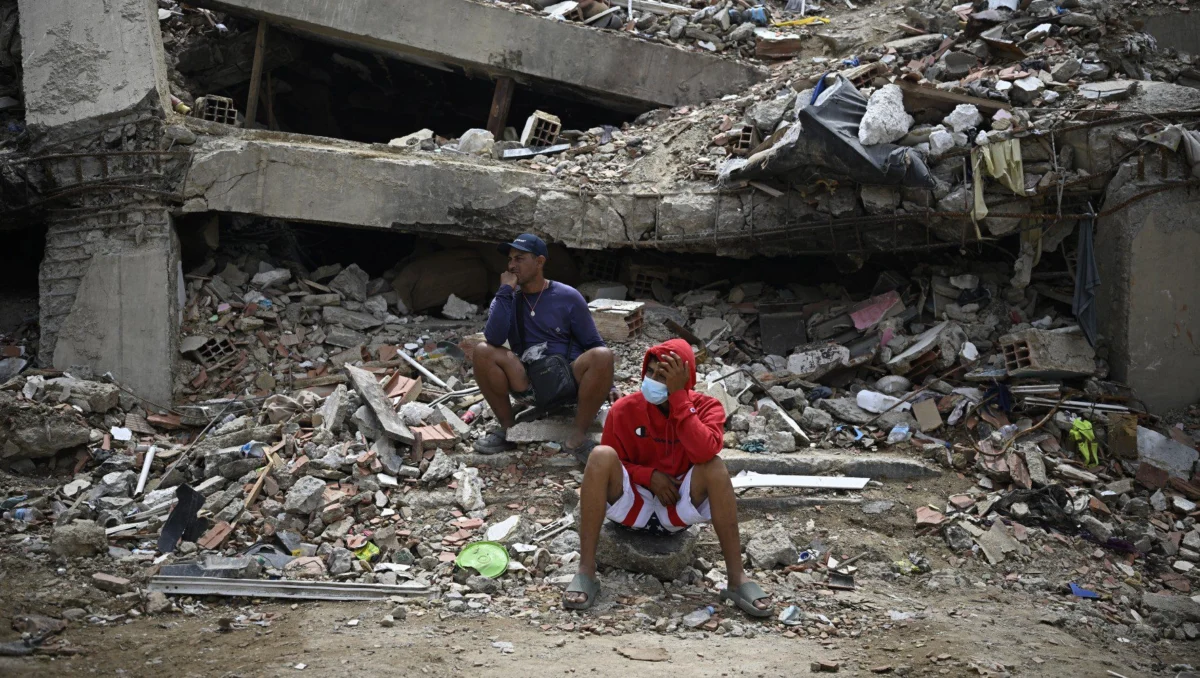
Beyond those seeking international protection, Mexico also grapples with a substantial internal displacement crisis. An estimated 260,000 Mexicans have been forced to flee their homes within the country. The majority of these internally displaced persons (IDPs) are escaping the relentless criminal violence associated with drug trafficking routes. However, the impacts of climate change and natural disasters are also increasingly contributing to internal displacement, forcing communities to relocate in the face of environmental degradation and extreme weather events. This dual challenge of international and internal displacement places immense strain on Mexico’s resources and social infrastructure.
Navigating Rights and Realities: Barriers Faced by Displaced Populations
Mexico has historically maintained a legal framework that offers significant protections and pathways for the integration of refugees and asylum seekers. The country’s asylum laws, coupled with a stated willingness from the private sector to offer employment opportunities, have enabled many displaced individuals to rebuild their lives successfully. For many years, robust humanitarian aid provided by organizations like UNHCR and its partners, including HIAS, played a crucial role in supporting the Mexican government in processing asylum claims, providing essential shelter, and offering vital support services to those in need.
However, this landscape has dramatically shifted in recent years due to significant reductions in humanitarian aid. These drastic cuts have exacerbated existing challenges within the asylum and refugee support systems. Delays in the issuance of humanitarian visas, a critical document for accessing formal employment and essential services, have become increasingly common. This protracted legal limbo leaves displaced individuals vulnerable, heightening their risks of exploitation, discrimination, and precarious working conditions.
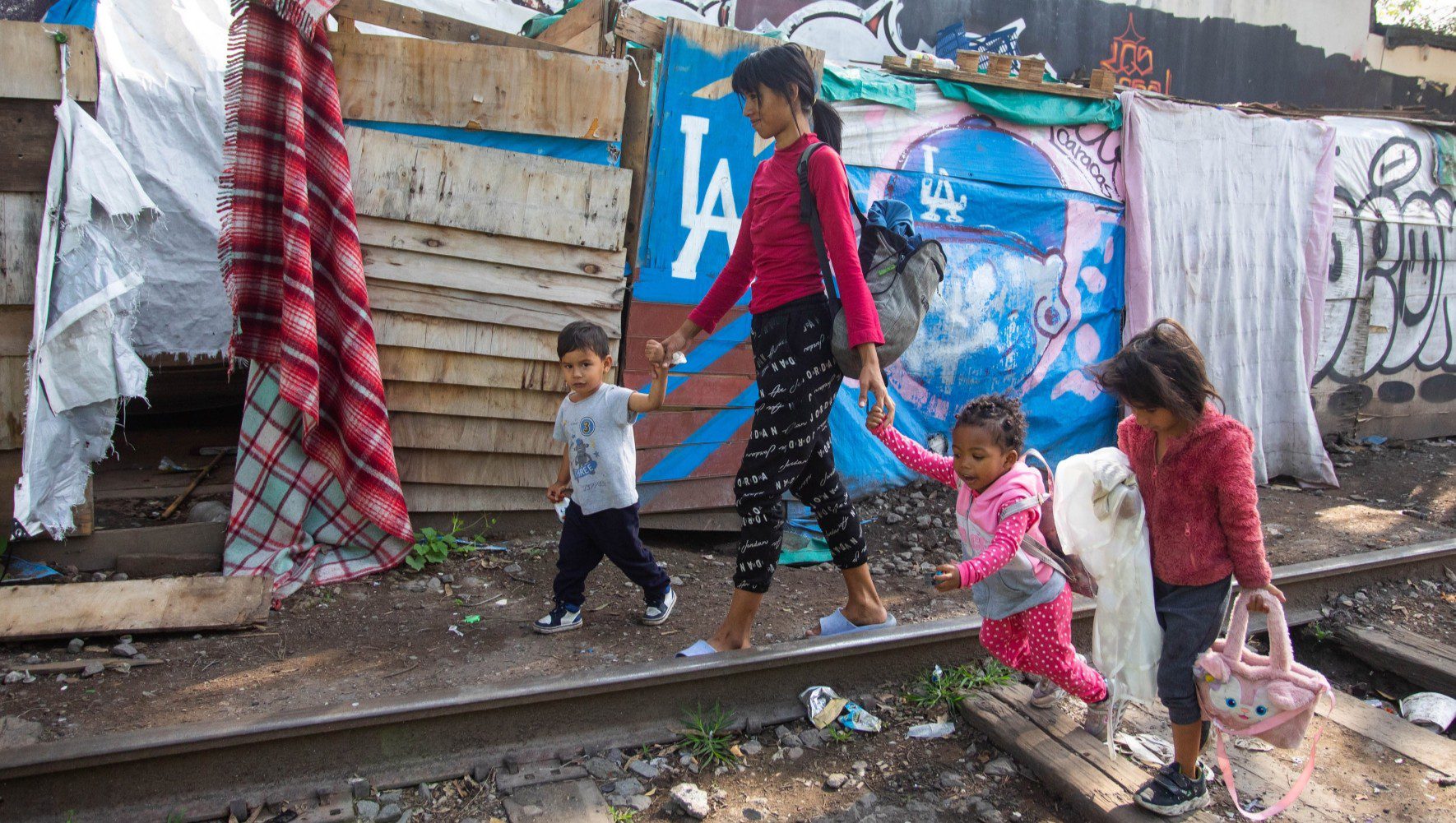
The strain on resources is palpable. Humanitarian organizations are struggling to meet the escalating demand for assistance, leaving many displaced people without access to fundamental services, programs, and mechanisms necessary to exercise their basic rights. This includes challenges in accessing adequate healthcare, educational opportunities for children, and legal representation to navigate the complexities of the asylum process. The gap between legal protections and practical access to them is widening, creating a humanitarian crisis within a crisis.
The Ripple Effect of U.S. Immigration Policies: Reverse Migration and Stranded Populations
A significant factor reshaping the migration dynamics in Mexico is the evolving suite of U.S. immigration policies. Over the past few years, a notable trend of "reverse migration" has emerged, with thousands of individuals who were once heading north now being compelled to move south or remain in Mexico. This phenomenon is largely driven by increasingly restrictive U.S. asylum and border policies, which have created formidable barriers to entry and legal recourse for asylum seekers.
These policy shifts, coupled with a shrinking availability of asylum and regularization options within Mexico itself, have left many displaced people in a state of prolonged legal uncertainty. Without legal status, individuals and families are exposed to heightened risks of violence, exploitation, and discrimination. The informal labor market, often their only option for survival, offers little protection and precarious working conditions.
The U.S. policies have also exerted immense pressure on Mexico’s already overburdened asylum system. The Comision Mexicana de Ayuda a Refugiados (COMAR), the government agency responsible for processing asylum claims, frequently finds itself overwhelmed and under-resourced. This administrative bottleneck further delays the provision of essential support and legal status, exacerbating the challenges faced by asylum seekers.
Adding to this complexity, the United States continues to deport thousands of third-country nationals to Mexico. These individuals, who may have been legally present in the U.S. while awaiting asylum proceedings, are now being returned to a country where they may have no ties and limited avenues for protection. Mexico’s asylum system, struggling under the weight of new applicants, is ill-equipped to absorb this influx of deported individuals, many of whom are now facing profound uncertainty and vulnerability.
HIAS’s Enduring Commitment: Support and Advocacy in Mexico
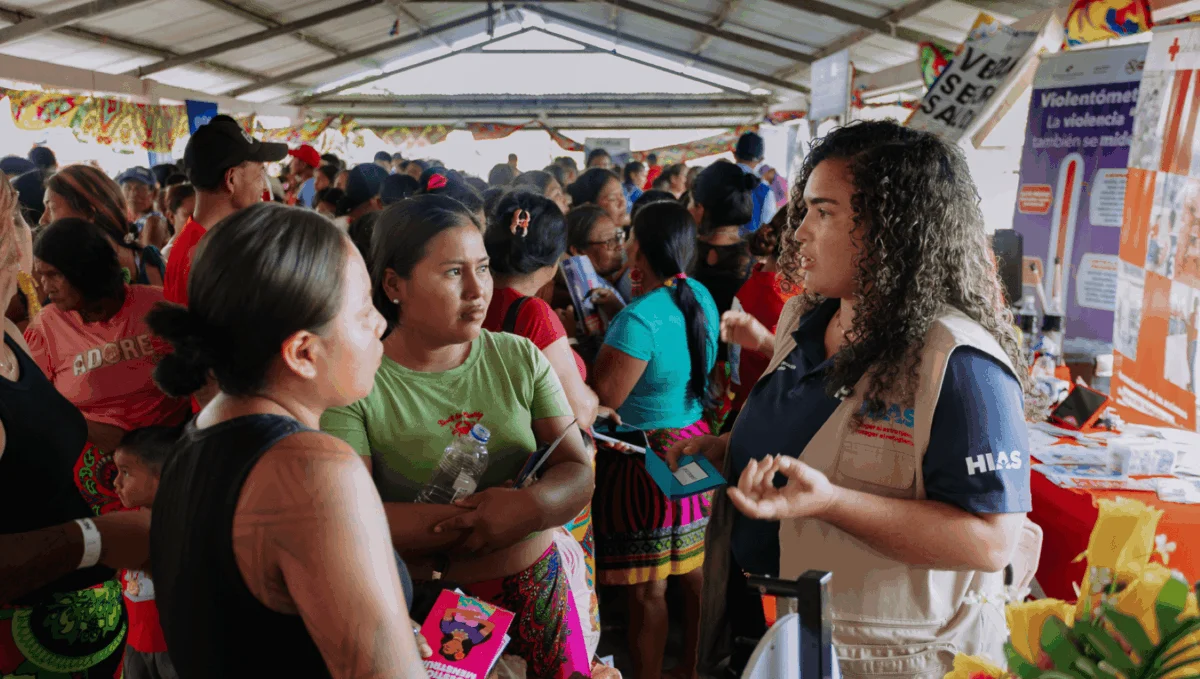
For over seven years, HIAS Mexico has been a steadfast partner to displaced populations, dedicating its efforts to helping refugees and asylum seekers rebuild their lives with dignity and safety. The organization’s work encompasses a range of critical interventions, including providing essential mental health care, offering vital legal assistance to navigate complex asylum processes, and implementing programs focused on the prevention and response to gender-based violence, a persistent threat faced by women and girls.
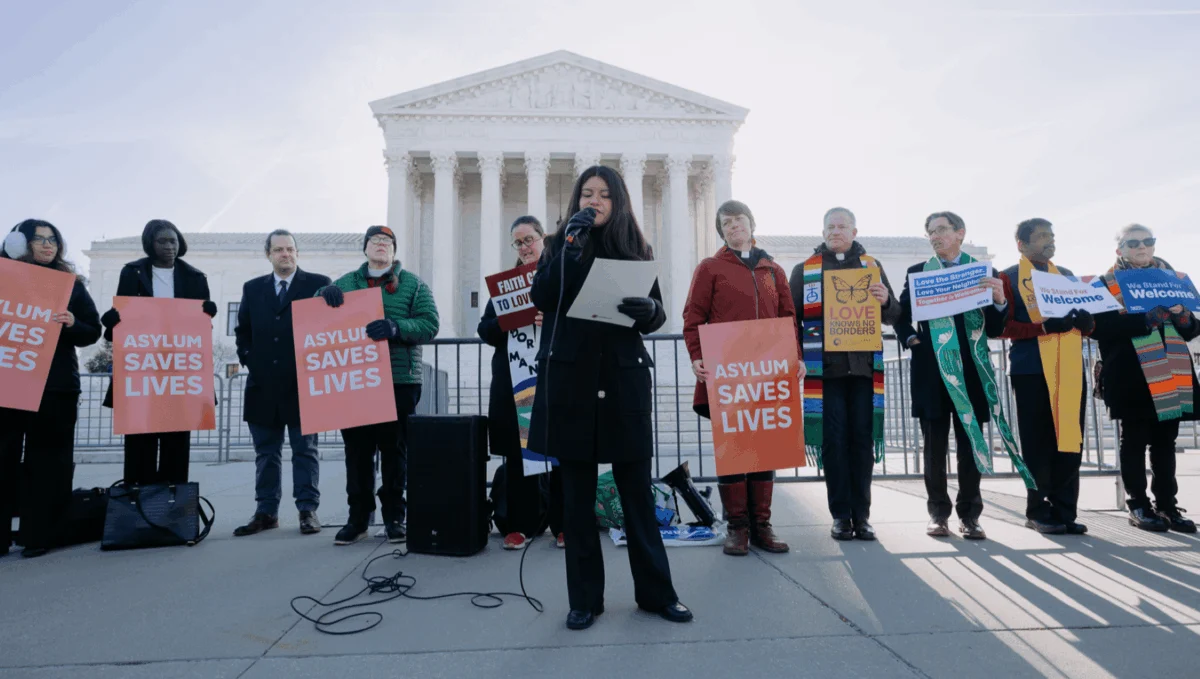
Currently, HIAS is actively engaged in advocating for fair and humane refugee and asylum policies at both national and regional levels. This advocacy involves engaging with national and international authorities, forging strong alliances with civil society organizations, and generating evidence-based research to inform policy development. The ultimate goal is to drive the implementation of solutions that ensure genuine protection, facilitate access to essential services, and uphold the fundamental human rights of all displaced individuals.
In a significant collaborative effort, HIAS is partnering with Columbia University and El Colegio de la Frontera Norte (COLEF) on a crucial research project. This initiative aims to deepen the understanding of the psychosocial impacts of forced migration and violence on refugee and migrant populations. By generating robust evidence, the project seeks to strengthen mental health and psychosocial support programs and to guide the development of more sensitive and effective protection strategies within humanitarian contexts. This research is vital in ensuring that interventions are trauma-informed and responsive to the complex needs of those who have endured immense hardship.
The situation in Mexico is a stark illustration of the interconnectedness of global migration challenges. As U.S. policies continue to shape migration flows, the burden and responsibility are increasingly falling on transit and destination countries like Mexico. The sustained presence and advocacy of organizations like HIAS are critical in ensuring that the human rights and dignity of displaced individuals are protected amidst these evolving and often challenging circumstances. The journey for safety and stability remains arduous for millions, and the commitment to providing support and advocating for just policies must remain unwavering.