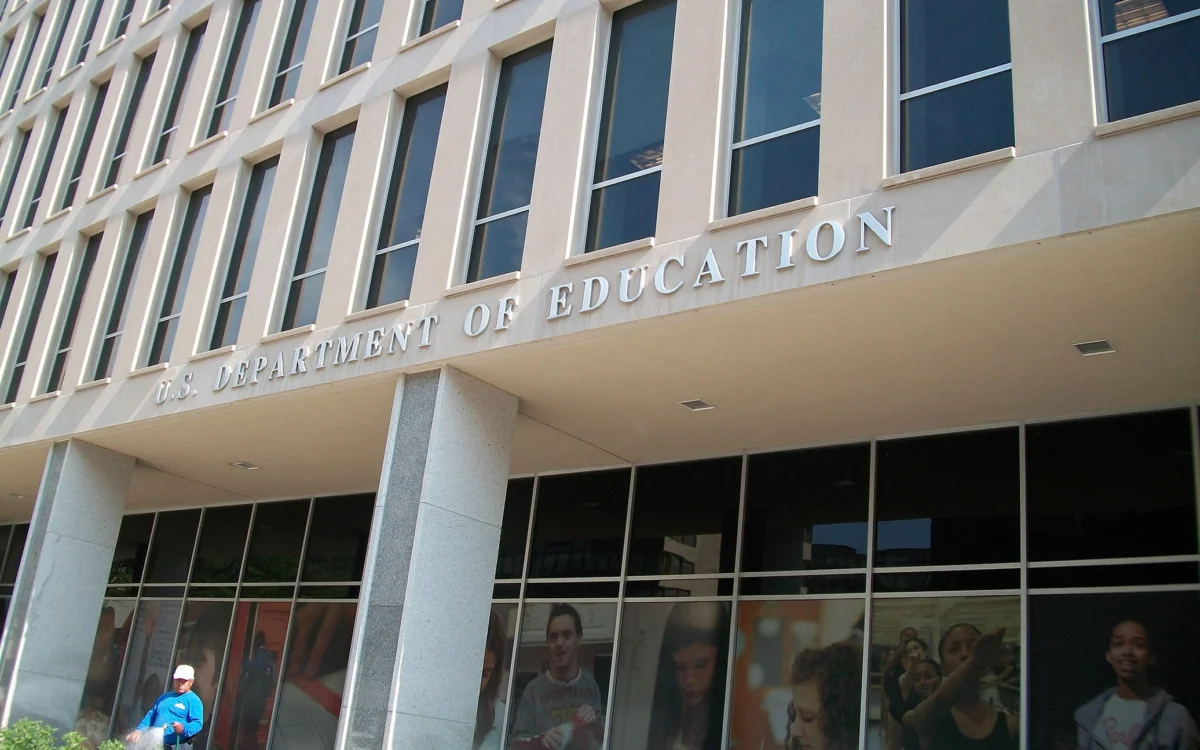
The Trump administration is enacting a long-anticipated plan to significantly reassign responsibilities for key special education and disability rights programs away from the U.S. Department of Education. In a move that has generated both official endorsements and strong criticism from advocacy groups, the Department of Education announced Tuesday the finalization of interagency agreements (IAAs) designed to transfer the operational oversight of several critical programs. These agreements signal a substantial shift in how federal resources and management are allocated for individuals with disabilities, aiming to streamline services by aligning them with agencies perceived as better equipped to manage specific aspects.
A Strategic Realignment of Federal Responsibilities
The core of this initiative involves an "interagency agreement" between the Department of Education (ED) and the Department of Health and Human Services (HHS). Under this arrangement, HHS will assume significant administrative duties for programs historically managed by the Office of Special Education and Rehabilitative Services (OSERS) within ED. These programs include grants authorized under the landmark Individuals with Disabilities Education Act (IDEA) and the Rehabilitation Act of 1973. Additionally, HHS will take on the Vocational Rehabilitation Disability Innovation Fund, initiatives related to the Special Olympics, and several other related obligations.
While the Education Department will retain its statutory responsibilities, the practical day-to-day management will transition. HHS will be responsible for managing grant competitions, providing technical assistance to grantees and stakeholders, and integrating these newly acquired programs with its existing portfolio of services. This integration is intended, according to ED officials, to foster a more cohesive approach to supporting individuals with disabilities across federal agencies.
Civil Rights Enforcement Shifts to the Department of Justice
In a parallel development, a significant portion of the Education Department’s Office for Civil Rights (OCR) is slated to move to the Department of Justice (DOJ). The OCR is the primary federal body responsible for investigating complaints of disability discrimination within educational settings. While families will continue to initiate complaints and maintain initial contact with the Department of Education, the investigative and resolution processes will be handled by the DOJ’s Civil Rights Division. This division possesses extensive experience in civil rights enforcement, and proponents of the move suggest this will lead to more robust and efficient handling of discrimination claims.
Official Justifications and Promises of Continuity
Secretary of Education Linda McMahon championed these agreements, stating, "These agreements align federal responsibilities with the agencies best positioned to support them, strengthening the effectiveness and impact of critical services." She and other administration officials have repeatedly asserted that these structural changes will not diminish federal protections or the rights of students with disabilities. The assurance that students will not lose their right to a free appropriate public education (FAPE) has been a consistent message from the administration.
Secretary of Health and Human Services Robert F. Kennedy, Jr. echoed this sentiment, emphasizing the potential for improved service delivery. "Through this partnership, HHS and the Department of Education will cut bureaucratic barriers, better align federal resources, and deliver more effective support for individuals with disabilities and their families," he stated. "Together, we will improve education and employment outcomes, uphold the rights of individuals with disabilities, and help every child reach their full potential." This vision suggests a future where interagency collaboration leads to tangible improvements in the lives of individuals with disabilities.
Background and Timeline of the Restructuring
The genesis of this significant departmental overhaul can be traced back to a broader commitment from the Trump administration to re-evaluate and potentially reduce the scope of the Department of Education. Over a year ago, President Donald Trump publicly announced his intention to move "special needs" programs to HHS, aligning with his stated goal of diminishing the federal government’s role in education.
Faced with congressional hurdles to outright closure of the Department of Education, Secretary McMahon has pursued a strategy of utilizing Interagency Agreements (IAAs) as a mechanism to dismantle and redistribute departmental functions. Prior to these recent announcements, the Department of Education had already established ten IAAs under McMahon’s leadership, although none specifically targeted the core special education programs managed by OSERS. The current IAAs concerning OSERS and OCR, while anticipated by many in the disability advocacy community, represent the most substantial transfers of responsibility to date.
Disability advocacy organizations have been actively opposing these proposed changes for over a year, attempting to lobby against the plans and raise public awareness. The persistent efforts to push back against the administration’s strategy highlight the deep concerns held by many stakeholders regarding the potential ramifications of these shifts.
Advocacy Groups Voice Strong Opposition and Concerns
Despite assurances from the administration, a significant contingent of disability advocates remains deeply skeptical and vocal in their opposition. A primary concern revolves around the potential weakening of coordination between special education services and general education systems. Critics argue that segregating special education programs within HHS, a department primarily focused on health, sends a detrimental message about the nature of disability and education.
Chad Rummel, CEO of the Council for Exceptional Children, articulated this viewpoint forcefully: "IDEA is an education law – not a health law – and moving it to the health department is more than a bureaucratic change; it segregates special education from K-12 programs and signals a move toward a medical model that views students as patients rather than as learners with strengths, potential and belonging." He further questioned the tangible benefits of such a move, stating, "No one can show us how the time, energy and resources needed to move special education to the health department will benefit children." This perspective underscores the fear that the fundamental educational nature of special education is being undermined.
Denise Marshall, CEO of the Council of Parent Attorneys and Advocates (COPAA), has been a leading voice in the advocacy efforts. She has characterized the administration’s actions as "illegal and harmful moves" and is urging Congress to intervene. Marshall contends that these IAAs create unnecessary bureaucratic layers, obscure federal roles, and foster confusion and chaos, ultimately jeopardizing students’ right to a free appropriate education. "Without congressional action, the administration is adding bureaucratic layers for states and schools, obfuscating their role, and creating more confusion and chaos that jeopardizes every child’s right to a free appropriate education," Marshall stated. She further elaborated that "All these actions unnecessarily complicate and delay access to the civil and education rights protections that the department is obligated to fulfill."
Potential Implications and Broader Impact
The ramifications of this organizational shift are potentially far-reaching. By moving special education oversight to HHS, there is a risk of fragmenting the comprehensive support systems that have been built around the integration of special education within the broader educational framework. This could impact how IDEA is implemented, how funding is allocated, and how federal oversight is maintained.
The transfer of OCR functions to the Department of Justice, while potentially leading to more robust enforcement of discrimination laws, also raises questions about the specialized expertise within the Education Department that has historically informed these investigations. The DOJ’s primary focus is broader civil rights enforcement, and adapting to the nuances of educational discrimination may present challenges.
Furthermore, the perception of these moves as a dismantling of the Department of Education could erode public trust and confidence in federal commitment to education and disability rights. Advocates worry that this fragmentation could lead to a less cohesive and potentially less effective system for supporting millions of students with disabilities and their families. The long-term success of these IAAs will likely depend on the extent to which interagency collaboration is truly seamless and whether the promised efficiencies and improved outcomes materialize, or if the concerns about increased bureaucracy and diminished educational focus prove to be valid. The coming months and years will be critical in assessing the true impact of these significant structural changes.