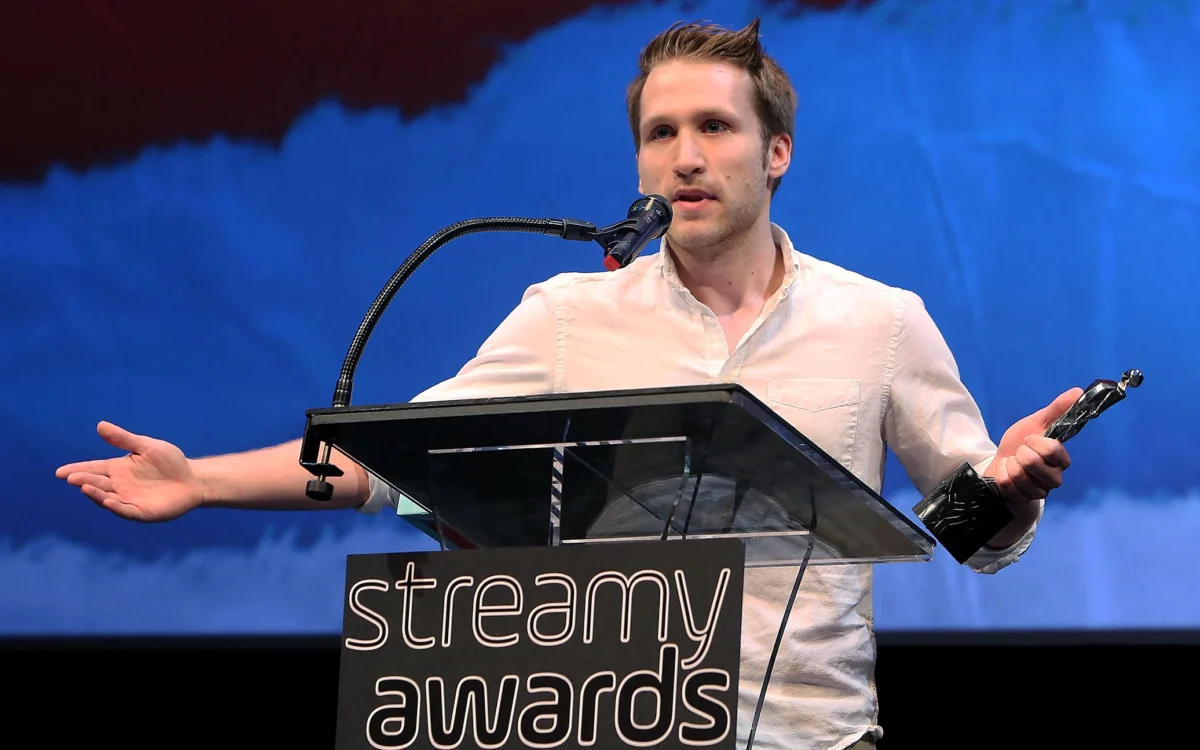
Los Angeles, CA – In a deeply personal and widely publicized revelation, YouTube personality Jesse Ridgway, known to his millions of subscribers as "jessewell T" or formerly "McJuggerNuggets," and his wife, Ashley, have shared their decision to terminate a pregnancy following a diagnosis of Trisomy 21, commonly known as Down syndrome. The aftermath of their announcement has been a torrent of online reactions, ranging from expressions of solidarity to severe criticism, prompting the couple to reflect on the unexpected intensity of the public discourse surrounding their private tragedy. Jesse Ridgway, a veteran content creator with over two decades of experience and a subscriber base exceeding 4.3 million on his primary channel, posted a candid video detailing the emotional process of receiving and processing the amniocentesis results.
The Unfolding Diagnosis and a Difficult Decision
The video captured the raw vulnerability of Jesse and Ashley as they reviewed the findings of an amniocentesis, a medical procedure used to detect chromosomal abnormalities, genetic disorders, and fetal infections. The results confirmed the presence of Trisomy 21, a condition that leads to Down syndrome. In the footage, the couple discussed their pre-existing conversations about potential pregnancy termination should such a diagnosis arise. Jesse articulated their immediate need for further counseling and intense emotional conversations, with both individuals visibly distressed and weeping throughout the recording.
In a subsequent phone interview with the Los Angeles Times, conducted while Ashley was recovering from the procedure, Jesse explained that the public disclosure of their diagnosis was not initially planned. The sensitive information emerged inadvertently during the filming of what was intended to be a gender reveal video. The preliminary markers for Trisomy 21 were discovered on the same report they were reviewing for the gender announcement.
"We were filming and ready to celebrate with our audience, and we were blindsided," Jesse recounted. "What do we tell people? How do we navigate this? I reverted to being honest, and yes, that led us to the last 48 hours." This immediate impulse towards transparency, a hallmark of his online persona, led to an unforeseen public engagement with a profoundly sensitive and often private matter.
Public Disclosure and Online Reaction
On Wednesday, Jesse published a detailed statement on his personal YouTube channel and on social media, accompanied by Ashley reposting it to her Instagram account, which subsequently expired. The statement confirmed their difficult decision. "This week, my wife and I made the very difficult decision to terminate the pregnancy due to Trisomy 21," read the now-unavailable Instagram story.
Jesse emphasized that the decision was "not made lightly" and acknowledged the outpouring of support they had received. He expressed understanding for any disappointment his audience might feel, stating, "We are devastated. This has been extremely traumatic for both of us, especially Ashley. She underwent the procedure earlier this week and is on the mend. Thankfully, everything went smoothly, but emotionally we are drained."
He further elaborated on their journey, detailing his initial shock and subsequent optimism upon learning of the pregnancy. "I signed on to be a parent, come what may… but I just didn’t fully understand what Down Syndrome entailed," he wrote. He observed that publicizing their situation highlighted a broader lack of understanding about Down syndrome within the general population, differentiating it from conditions like Autism.
Jesse provided a stark overview of the potential health challenges associated with Down syndrome, citing statistics such as: "50% of babies with DS have heart defects. 75% will have hearing challenges. Over 50% will have vision problems. Impaired immune function, developmental disabilities, learning disabilities, delayed physical development, poor muscle tone, structural issues with face, decreased lifespan, etc. … Sadly, the list is long, feel free to look it up … Down Syndrome isn’t a ‘blessing,’ it is objectively sh—from a health perspective. I didn’t realize just how rough it is for the child, let alone the family."
Medical Context and Societal Norms
According to the National Institutes of Health (NIH), Down syndrome affects approximately 1 in every 700 babies born in the United States each year, resulting in around 6,000 births annually. The NIH also notes that while "with appropriate support and treatment, many people with Down syndrome lead happy, productive lives," significant lifelong health challenges and risks are common.
Ashley underwent the abortion procedure on a Monday, with Jesse dedicating the early part of the week to her care. The explanatory post was drafted and shared on Wednesday, intended for his audience. "I put it out there for my audience, and then it took on another life," Jesse remarked. "Because it’s a contentious topic, I figured there would be some level of like flak or differing opinions, but to see what it’s become has been pretty shocking." He expressed bewilderment that their personal decision regarding Trisomy 21 had garnered such widespread media attention, given the frequency of similar circumstances. "This is happening every day, and it’s just not talked about," he added.
The couple reported being inundated with direct messages, receiving both supportive confessions from individuals who had undergone similar experiences and a "tremendous amount of death threats" with accusations of being "murderers."
International data illustrates varying rates of pregnancy termination following a Down syndrome diagnosis. Reports indicate that in Iceland, nearly 100% of pregnancies diagnosed with Down syndrome are terminated. Denmark reports a termination rate of 98%, France 77%, and the United States approximately 67%.
The Weight of Public Scrutiny and a Hope for Connection
The Ridgways initially debated whether to share the video documenting the amniocentesis results, even struggling to watch it themselves. However, Jesse felt a strong pull to share their story, driven by the belief that it could offer solace and reduce shame for others facing similar difficult decisions. "But I kept coming back to, there are so many people out there like us dealing with these things, and nobody’s talking about it," he stated. "I think if we share this, it will have a net positive for other people, and they can feel more comfortable and less shame confronting these things." He expressed a hope that their experience could demonstrate value, while acknowledging the inevitability of public judgment.
Broader Implications and Ethical Considerations
The Ridgways’ story thrusts into the public arena the complex and often fraught discussions surrounding reproductive choices, genetic screening, and disability. The intense online backlash highlights the deeply held, and often conflicting, societal views on abortion, particularly in cases involving fetal diagnoses.
The decision to terminate a pregnancy based on a Down syndrome diagnosis is a highly personal one, influenced by a myriad of factors including individual beliefs, perceived quality of life for the child, family support systems, and the availability of medical and social resources. The Ridgways’ candid explanation of their research into the health challenges associated with Down syndrome underscores the practical considerations that inform such decisions for many prospective parents.
The phenomenon of individuals sharing intensely private medical and personal experiences online, particularly through platforms like YouTube, has become increasingly common. While this can foster a sense of community and provide support for others facing similar situations, as Jesse Ridgway hopes for, it also exposes individuals to significant public scrutiny and potential harassment. The threats and condemnations they received underscore the deeply polarized nature of the abortion debate and the emotional intensity it evokes.
Furthermore, the international statistics presented suggest that the decision to terminate a pregnancy following a Down syndrome diagnosis is influenced by cultural norms, healthcare access, and societal attitudes towards disability. The higher rates in some European countries compared to the United States may reflect a confluence of these factors.
The Ridgways’ experience serves as a case study in the modern digital age, where personal narratives can rapidly transcend private spheres and ignite widespread public debate. Their hope that sharing their story can help others feel less alone and less ashamed is a testament to the potential of online platforms for fostering empathy and understanding, even in the face of deeply divisive issues. However, the significant emotional toll and personal danger they have experienced also highlight the inherent risks of such public vulnerability in an often unforgiving online environment. The conversation they have inadvertently initiated, though painful, may prompt further dialogue about prenatal testing, disability rights, and the ethical complexities of reproductive decision-making.
© 2026 Los Angeles Times. Distributed by Tribune Content Agency, LLC.