The past two years have ushered in an unprecedented period of transformation, compelling organizations worldwide to engage in a rapid, large-scale experiment with new operational modalities. This pandemic-era, a phase from which the global workforce is still actively emerging, has fundamentally reshaped perceptions of work and its future trajectory. While numerous questions persist and data continues to evolve, a comprehensive analysis of emerging trends has been categorized into four critical pillars: Purpose, People, Process & Policy, and Polarisation & Activism. This article delves specifically into the profound shifts observed within the domain of Process & Policy, offering a granular examination of how the foundational rules governing work are being redefined. Other crucial facets of this transformation are explored in companion pieces covering People, Polarisation & Activism, and Purpose, available on the Inclusion Nudges blog, alongside a comprehensive full article.
The Erosion of the Status Quo: A Call for Systemic Review
Periods of significant upheaval often serve as stark illuminators, revealing the inherent inadequacies of existing frameworks. The COVID-19 pandemic acted as such a catalyst, bringing into sharp focus the areas where the prevailing status quo was no longer merely suboptimal, but actively detrimental to both organizational efficacy and employee well-being. This created an invaluable opportunity for reassessment, innovative design, and agile experimentation with novel solutions.
Before the pandemic, many workplaces operated under a set of unspoken or deeply entrenched norms that, while historically common, were increasingly misaligned with contemporary societal values and technological capabilities. These included, but were not limited to, a pervasive culture of "presenteeism" – the expectation of physical presence regardless of actual productivity or need – and the associated burden of long, often costly, daily commutes. Formal, sometimes rigid, clothing codes, poor working conditions, and perceived unfair compensation were also prevalent issues. Moreover, systemic problems such as workplace abuse and discrimination, a persistent and often misguided belief in meritocracy, low employee control over their work, and the relentless expectation of "always-on" availability contributed to a landscape ripe for disruption. The logistical and personal toll of frequent business travel, feelings of isolation even within physical office spaces, and a widespread deficit in psychological safety and overall well-being further compounded these challenges. Critically, the unequal burden of family care, disproportionately falling on women, underscored a fundamental lack of gender equality embedded within many organizational processes and policies.
The collective experience of the pandemic made it unequivocally clear that many established workplaces were rooted in outdated norms that no longer served the realities of a dynamic, interconnected world. The urgent imperative for organizations to fundamentally re-evaluate and clearly articulate their policies regarding where and how work is performed has never been more pressing.
Work Location: The Epicenter of Policy Reimagination
Among the myriad policy shifts instigated by the pandemic, the transformation in work location stands out as perhaps the most significant. The sudden, forced pivot to remote work in early 2020 served as an unplanned, global pilot program, demonstrating the viability of distributed work models on an unprecedented scale. Initially, this shift was driven by necessity, with companies scrambling to equip employees for home-based operations, address cybersecurity concerns, and maintain productivity in a fragmented environment. What began as a temporary measure, however, quickly evolved into a sustained phenomenon, challenging long-held assumptions about the necessity of co-located teams.
While emerging data regarding remote work preferences can sometimes appear conflicting, a consistent theme across various studies is the enduring desire for flexibility among significant segments of the workforce. Notably, specific demographic groups, including women, working parents, and employees of color, consistently express a stronger preference for continued remote or hybrid work arrangements. For instance, projections for the U.S. indicate that remote work is likely to persist at least one day a week for a substantial portion of the workforce. The Future Forum Pulse Report, a key source cited in discussions on this topic, has highlighted that the desire for flexible work is particularly pronounced among these groups, who have reported improved employee experience scores while working remotely.
This shift carries profound societal implications, extending beyond mere logistical adjustments. A more flexible approach to work location is widely anticipated to foster greater employee diversity by breaking down geographical barriers and enabling access to larger talent pools. It promises the potential for a better work-life balance, particularly for those with caregiving responsibilities or lengthy commutes. However, the expectations of employees are high; many are seeking more than just one day of remote work per week. Estimates suggest that as many as two-thirds of workers are prepared to resign from their positions if robust remote work options are not a standard offering. This phenomenon, often referred to as the "Great Resignation" or "Great Reassessment," underscores a fundamental power shift in the employer-employee dynamic.
Prior to the pandemic, remote work arrangements were often handled on an ad hoc basis, frequently leading to inconsistent application, biases, and a heavy decision-making burden on individual managers. This informal approach often created a chilling effect, making employees reluctant to request remote work for fear of being perceived as less committed or serious about their careers. Research conducted by Lisa and Veronika Hucke in 2019, for example, revealed that remote work was predominantly granted to more senior male employees, while working mothers often felt stigmatized for even asking, and junior staff, despite desiring flexibility, hesitated to make such requests. The widespread experience of remote work during the pandemic has effectively dismantled many of these historical stigmas and provided a critical mass of empirical data, offering a unique opportunity to formalize and equalize access to flexible work options.
The Peril of Isolation: Why Policy Creation Must Be Inclusive
The manner in which new work policies are formulated is arguably as crucial, if not more so, than the policies themselves. An approach to policy design that occurs in isolation, divorced from the lived experiences and insights of the very employees it seeks to govern, runs a high risk of being fundamentally unfit for purpose. Such policies often face low acceptance rates, poor utilization, and, critically, can inadvertently exacerbate existing inequalities or create new ones.
A striking disconnect has emerged in the post-pandemic policy landscape. According to a multi-country survey of knowledge workers, a significant majority of executives – 66% – reported that they were designing post-pandemic workforce policies with little to no direct input from their employees. This top-down methodology stands in stark contrast to the principles of effective organizational change and inclusive leadership. Compounding this issue, the same survey indicated that 66% of these executives confidently believed they were being "very transparent" in their policy-making process, while only 42% of their employees agreed. This considerable disparity in perception highlights a critical communication and trust gap, signaling potential failure from the outset. Neglecting to engage the workforce in an inclusive co-creation process represents a profound missed opportunity to develop policies that are truly equitable, effective, and embraced by all.
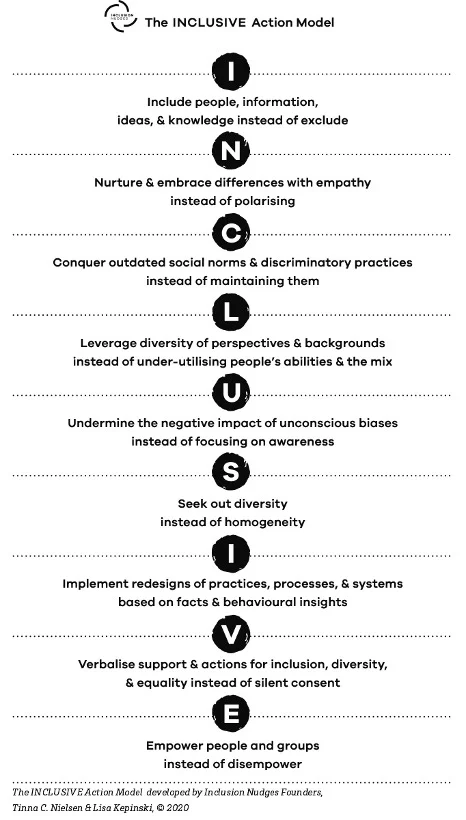
The pandemic-era serves as a collective call to action: all organizational policies must undergo rigorous assessment to ensure their alignment with the current operational state and future strategic direction. This process must be data-driven, leveraging insights and input from across the entire organization to collaboratively develop solutions. Integrating behavioral insights into policy design can help mitigate unconscious biases and nudge desired behaviors. Furthermore, the implementation of these new policies should adopt an agile, experimental approach, allowing for continuous feedback, iteration, and refinement.
Supporting Data and Emerging Trends
Beyond the anecdotal and qualitative observations, a growing body of quantitative data supports these evolving trends:
- Hybrid Work Dominance: Various reports, including those from Microsoft’s Work Trend Index, indicate that a significant majority of employees (often cited as 70% or more) desire continued flexible work options, with hybrid models emerging as the most preferred compromise between full remote and full office presence.
- Productivity Paradox: Initial fears about decreased productivity due to remote work largely proved unfounded. Many studies, including those by Stanford University and other research institutions, showed stable or even increased productivity for many remote workers, often attributed to reduced commute stress and greater autonomy.
- Talent Acquisition and Retention: Companies offering greater flexibility are demonstrably more attractive to job seekers. A survey by Gallup revealed that 54% of employees working in roles that can be done remotely say they would leave their job for one that offers flexibility.
- Well-being and Mental Health: While remote work offers benefits, it also presents challenges such as burnout, digital fatigue, and blurring work-life boundaries. This necessitates policies that actively promote employee well-being, including guidelines on "digital detox," flexible working hours, and access to mental health support. A survey by Buffer indicated that 49% of remote workers found it harder to switch off after work.
- The Rise of Asynchronous Work: Beyond merely working from home, the pandemic accelerated the adoption of asynchronous communication and collaboration tools, allowing teams to work more effectively across different time zones and schedules, reducing the pressure for immediate responses and fostering deeper, more focused work periods.
Official Responses and Corporate Strategies
The corporate world has responded to these shifts with a spectrum of approaches. Some organizations, particularly in sectors like finance and technology, have initially pushed for a full return to the office, citing concerns about culture, innovation, and mentorship. However, many of these have subsequently had to adjust their stance due to strong employee resistance and the challenges of talent retention.
Conversely, a substantial number of companies have enthusiastically embraced hybrid models, allowing employees to split their time between home and office. These models vary widely, from structured approaches with mandatory office days to more flexible "choose your own adventure" models. A smaller but significant number of organizations have committed to fully remote or "remote-first" strategies, completely decentralizing their workforce and often redesigning their entire operational paradigm around distributed teams.
Human Resources departments have found themselves at the forefront of this transformation, tasked with developing new policies around everything from expense management for home offices to ensuring equitable access to opportunities in hybrid environments. Leaders are grappling with how to foster culture, facilitate collaboration, and manage performance in a world where physical proximity is no longer the default. The common thread among successful corporate strategies is a willingness to listen to employees, experiment, and adapt.
Broader Impact and Implications for Diversity, Equity, and Inclusion (DEI)
The seismic shifts in work processes and policies present both immense opportunities and significant risks for Diversity, Equity, and Inclusion initiatives.
Opportunities for DEI:
- Expanded Talent Pools: Location-agnostic hiring can dramatically increase the diversity of candidates, allowing organizations to tap into broader geographical and demographic talent pools, benefiting from varied perspectives and experiences.
- Enhanced Accessibility: Remote and flexible work options can be particularly beneficial for individuals with disabilities, chronic health conditions, or caregiving responsibilities, removing barriers that traditional office environments often impose.
- Reduced Bias in Hiring: Standardized virtual interview processes, when designed carefully, can potentially reduce some forms of unconscious bias compared to in-person interactions.
- Improved Work-Life Integration: For many, especially women and working parents, flexibility can lead to better integration of work and personal life, reducing burnout and supporting career progression.
Risks and Challenges for DEI:
- Proximity Bias: In hybrid models, there is a significant risk of "proximity bias," where employees physically present in the office receive more attention, mentorship, and opportunities than their remote counterparts. This can disproportionately affect those who utilize flexible work options more, such as women or caregivers.
- Digital Divide and Equity: Unequal access to reliable internet, suitable home office setups, or digital literacy can create new forms of inequality, disadvantaging certain segments of the workforce.
- Inclusion of Remote Workers: Ensuring that remote employees feel connected, included, and have a voice in decision-making requires intentional effort to counteract feelings of isolation or being overlooked.
- Culture Erosion: Maintaining a cohesive and inclusive organizational culture across distributed teams demands innovative strategies for virtual engagement, team building, and leadership development.
- Data-Driven Decision Making: The reliance on data to inform policy must be conducted with an intersectional lens, ensuring that policies do not inadvertently create or exacerbate inequalities for specific groups based on race, gender, disability, or other characteristics.
The overarching implication is that DEI can no longer be an afterthought but must be intricately woven into the very fabric of new work processes and policies. Organizations must proactively design for inclusion, using behavioral insights to mitigate biases in hybrid settings and ensuring equitable access to opportunities, resources, and recognition for all employees, regardless of their work location. This requires an ongoing commitment to assessing policy impact, gathering diverse input, and iterating with agility.
Looking Ahead: The Ongoing Evolution
The journey through the pandemic-era workplace transformation is far from over. The shifts in process and policy represent not a final destination, but an ongoing evolution that demands continuous vigilance, empathy, and strategic foresight. The insights gleaned from this period of rapid experimentation underscore the critical importance of a human-centric approach to organizational design. By actively engaging employees in the co-creation of policies, leveraging data responsibly, and embracing agile implementation, organizations can build more resilient, equitable, and ultimately, more successful workplaces for the future. This dynamic interplay between Purpose, People, Process & Policy, and Polarisation & Activism will continue to shape the contours of work, necessitating adaptive leadership and an unwavering commitment to fostering truly inclusive environments.
The transformative period has prompted vital reflections for all stakeholders. For leaders, HR professionals, and DEI change-makers, the critical questions remain: Are our existing policies fit for purpose? How can we leverage this moment to design processes that actively promote equity and inclusion? And how do we ensure that the voices of all employees are heard and valued in shaping the future of work? The answers to these questions will determine the long-term success and sustainability of organizations in this new paradigm.
This article is part of a series exploring the pandemic-era shifts in work and DEI. For further insights, readers are encouraged to explore companion articles on PEOPLE, POLARISATION & ACTIVISM, and PURPOSE, as well as the comprehensive full article, available on the Inclusion Nudges blog.