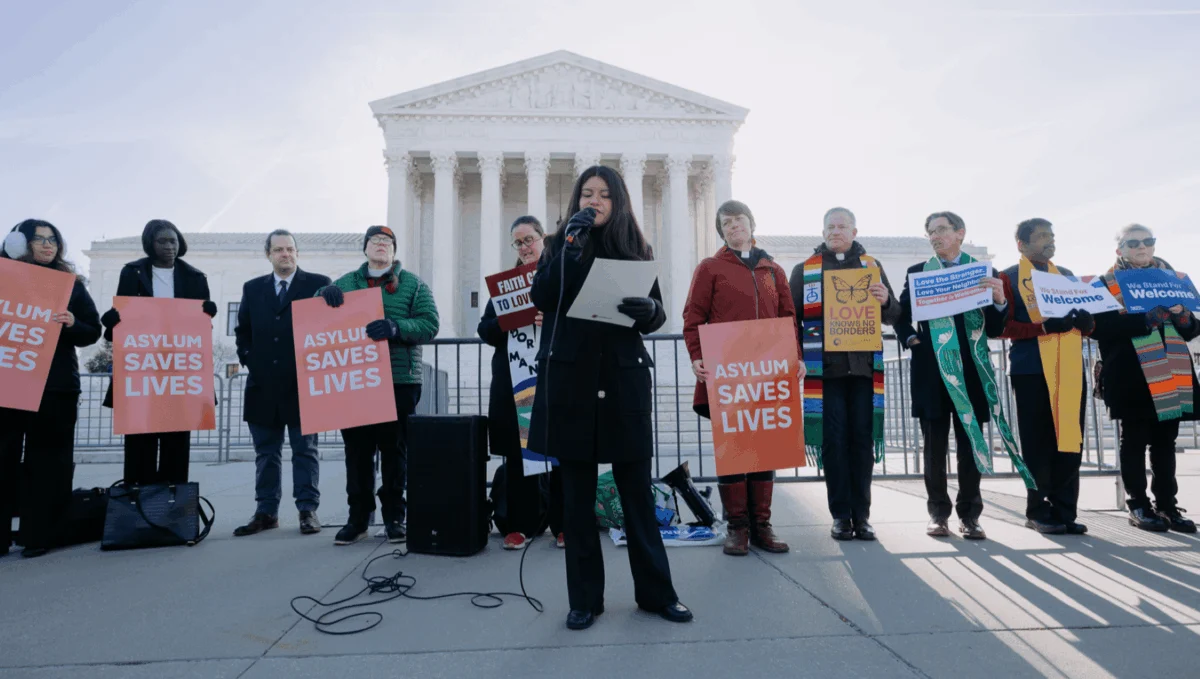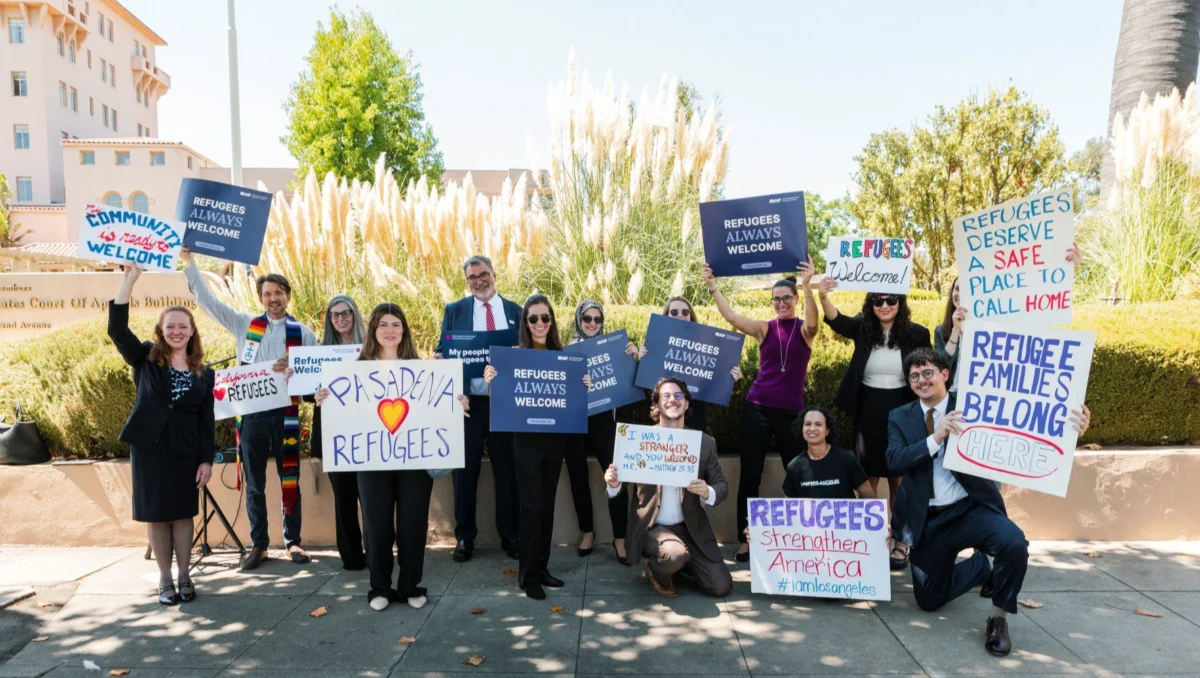
Since the harrowing onset of the Syrian civil war, which precipitated a massive displacement of millions seeking refuge in Europe, the continent has been a crucible of intense political debate surrounding refugees, asylum seekers, and immigrants. This period has witnessed a concerning trend where political factions have frequently exploited the vulnerability of displaced populations for electoral gain, leading to the erosion of fundamental rights for those fleeing violence and persecution. Amidst this often fear-laden rhetoric, a closer examination of the data reveals a more nuanced reality. Europe currently provides sanctuary to approximately 20 million displaced individuals, a figure that, while significant, stands in stark contrast to the global total of 117 million people worldwide in need of safety. The overwhelming majority of these displaced individuals are either internally displaced within their own countries or reside in neighboring nations, predominantly those with middle or low-income economies, rather than within the European Union.
Furthermore, contrary to the prevailing narrative of surging refugee numbers, the influx of refugees and asylum seekers into the EU has actually been on a downward trend for the past four years. This follows a notable peak in 2022, largely driven by the mass exodus of millions of Ukrainians following Russia’s full-scale invasion. Irregular border crossings have also seen a decline, with an estimated 239,000 such cases recorded in 2024. As the EU Pact on Migration and Asylum is set to take effect on June 12, 2026, HIAS (an organization dedicated to refugee assistance) has expressed profound concern regarding the potential implications for the right to asylum for individuals seeking safety in Europe. In an era marked by rising xenophobia and the increasing vulnerability of refugee rights, HIAS Europe is urging the European Union to reaffirm and uphold asylum policies grounded in principles of welcome and comprehensive protection. This article delves into the current landscape for refugees and asylum seekers in the EU, examining the demographic shifts, the legal frameworks, the emerging challenges, and the ongoing efforts to uphold humanitarian principles.
Shifting Demographics: Who Seeks Refuge in Europe?
The geopolitical landscape has profoundly shaped the origins of displacement in Europe. The full-scale invasion of Ukraine by Russia in February 2022 triggered an unprecedented wave of displacement, with millions of Ukrainians seeking safety across the continent. While a portion of these individuals have since returned to their homeland, an estimated 5.2 million Ukrainian refugees remained in Europe by the close of 2025. This group constitutes the largest segment of displaced persons in Europe by a considerable margin. Following closely behind are refugees from Venezuela, Afghanistan, and Syria, whose displacement stems from a complex interplay of political instability, economic collapse, and ongoing conflict in their respective nations.
In a significant demographic shift, Venezuelans have emerged as the largest group of asylum seekers within the European Union. Spain has become a primary destination for these individuals, now hosting the largest number of asylum applicants. Despite a prevailing anti-refugee sentiment across much of Europe, the reality of asylum applications is more concentrated than often perceived. A mere five member states – Spain, Germany, Italy, France, and Greece – collectively account for a staggering 83% of all first-time asylum applications submitted within the EU. This concentration highlights the uneven distribution of asylum claims and the varying capacities of member states to process them. Even as public discourse frequently suggests otherwise, the overall number of asylum applications has experienced a notable decline in recent years. In 2025, the EU recorded 669,400 first-time asylum applicants, representing a significant decrease of 27% compared to the figures from 2024. This statistical trend underscores the disconnect between political rhetoric and on-the-ground realities regarding asylum flows into the EU.
Rights and Realities: Navigating the EU Asylum Framework
The foundational principles of refugee protection in Europe are rooted in the 1951 Refugee Convention, a landmark international treaty established in the aftermath of the Holocaust and the widespread displacement that followed World War II. This convention, alongside subsequent international and European legal instruments, theoretically guarantees fundamental rights to individuals fleeing persecution. However, recent developments, particularly the impending implementation of the EU Pact on Migration and Asylum, have raised serious concerns among humanitarian organizations about the potential erosion of these rights. The Pact, which is slated to take effect on June 12, 2026, is designed to streamline asylum procedures, enhance border security, facilitate returns, and promote a more equitable distribution of responsibility among member states. While proponents argue that the Pact aims to create a more efficient and manageable asylum system, critics fear it could lead to increased detention, the return of vulnerable individuals to situations of danger, and a general curtailment of the right to seek asylum.
Under existing EU law, individuals have the right to seek asylum upon entering the bloc and are generally permitted to remain within member states while their applications are being processed. The Pact introduces measures intended to accelerate these processing times. While this could potentially lead to quicker decisions, there is a significant risk that individuals who would otherwise qualify for protection might be denied asylum due to the expedited procedures. A particularly contentious aspect of the Pact involves the concept of “safe countries.†This designation allows the EU to return individuals to countries deemed safe, potentially disregarding an individual’s specific threat of persecution within their country of origin. This provision has drawn sharp criticism for its potential to violate the principle of non-refoulement, a cornerstone of international refugee law which prohibits returning refugees to territories where their lives or freedom would be threatened.
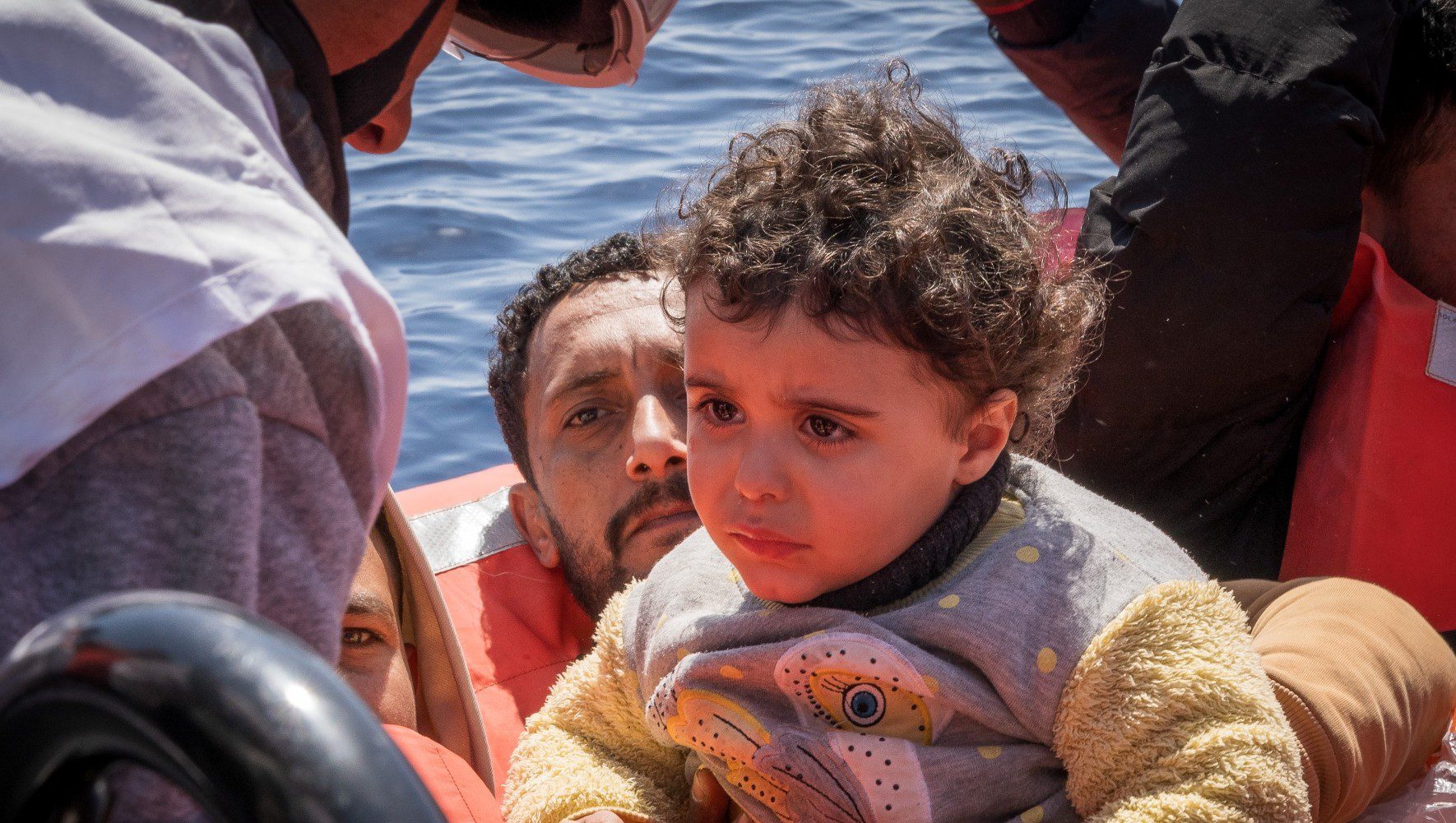
The challenges faced by asylum seekers do not end with the asylum process itself. While awaiting a decision, many individuals are subjected to prolonged periods of detention or are forced to reside in substandard living conditions, often lacking adequate access to essential services. In some frontline border countries, there have been credible reports of individuals being denied their legal right to seek asylum and being subjected to illegal “pushbacks†– forcible returns across borders without due process. Concurrently, several member states are reportedly shirking their commitments to refugee resettlement programs, further limiting safe and legal pathways for those in need of protection. The perilous journeys undertaken by many seeking safety underscore the gravity of these challenges. Since 2014, an estimated 34,000 individuals have tragically died or gone missing while attempting to cross the Mediterranean Sea, a grim testament to the desperation and the risks involved in seeking refuge.
The EU Pact on Migration and Asylum: A New Era of Policy?
After years of protracted negotiations and political deadlock, the EU Pact on Migration and Asylum is poised to reshape the continent’s approach to managing migration and asylum. The Pact, set to become operational on June 12, 2026, represents a concerted effort to address the perceived challenges of the existing system by reinforcing external border controls, expediting asylum and return procedures, and fostering greater solidarity among member states. At its core, the Pact signals a pronounced political emphasis on deterring the arrival of displaced persons and strengthening border management.
The potential implications of the Pact are a subject of intense debate. Critics and humanitarian organizations warn of an increased reliance on detention facilities, heightened pressure on countries at the EU’s external borders, and a greater propensity to invoke emergency measures that could compromise fundamental human rights. However, proponents argue that the Pact will lead to a more orderly and efficient system. As the Pact comes into effect, it is crucial to remember that European nations remain bound by existing international human rights standards and European Union law. HIAS Europe, along with other advocacy groups, is actively engaged in urging member states to implement the new regulations in a manner that unequivocally prioritizes the safety, dignity, and fundamental rights of all asylum seekers and refugees. The successful implementation of the Pact will hinge on a delicate balance between border control imperatives and the enduring obligation to protect those fleeing persecution.
HIAS’s Role in Supporting Refugees in Europe
HIAS, a global humanitarian organization with a long-standing commitment to assisting refugees, plays a vital role in the European context through its HIAS Europe initiative. This program actively manages humanitarian programming across various regions and provides crucial support to Jewish communities, organizations, and activists within the EU who are dedicated to welcoming and integrating refugees. HIAS Europe serves as a significant voice, contributing a Jewish perspective to the ongoing European discourse on forced displacement and advocating for humane policies.
Through a combination of technical expertise and financial assistance, HIAS Europe empowers European Jewish communities to enhance their capacity to support refugees, both in their countries of origin and within their own communities. These initiatives are designed to foster social cohesion and often involve interfaith collaboration and community sponsorship models, demonstrating the power of collective action in addressing humanitarian challenges. HIAS maintains a physical presence in key European locations, with offices established in Belgium and Greece. These offices serve as hubs for advocacy efforts aimed at defending refugee rights and directly providing assistance to refugees on the ground. Furthermore, HIAS collaborates with local partners in countries such as Ukraine and Moldova, offering critical support to Ukrainians displaced by the ongoing conflict. This multi-faceted approach, spanning advocacy, direct aid, and community empowerment, underscores HIAS’s unwavering dedication to ensuring that displaced individuals receive the protection and support they desperately need.
The journey of refugees and asylum seekers in Europe is fraught with challenges, shaped by complex geopolitical realities, evolving legal frameworks, and persistent humanitarian concerns. As the EU navigates the implementation of its new Pact on Migration and Asylum, the commitment to upholding human rights and ensuring a safe and dignified reception for all those seeking refuge remains paramount. The ongoing efforts of organizations like HIAS, coupled with the dedication of civil society and concerned citizens, are vital in navigating this evolving landscape and ensuring that Europe continues to be a place of sanctuary and hope.