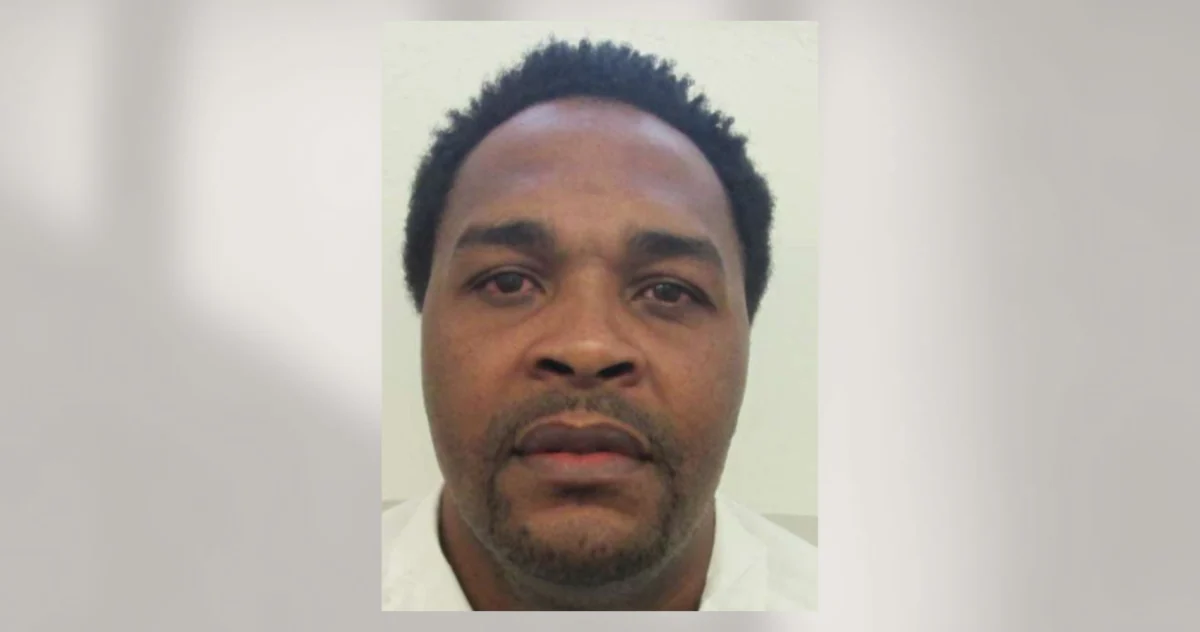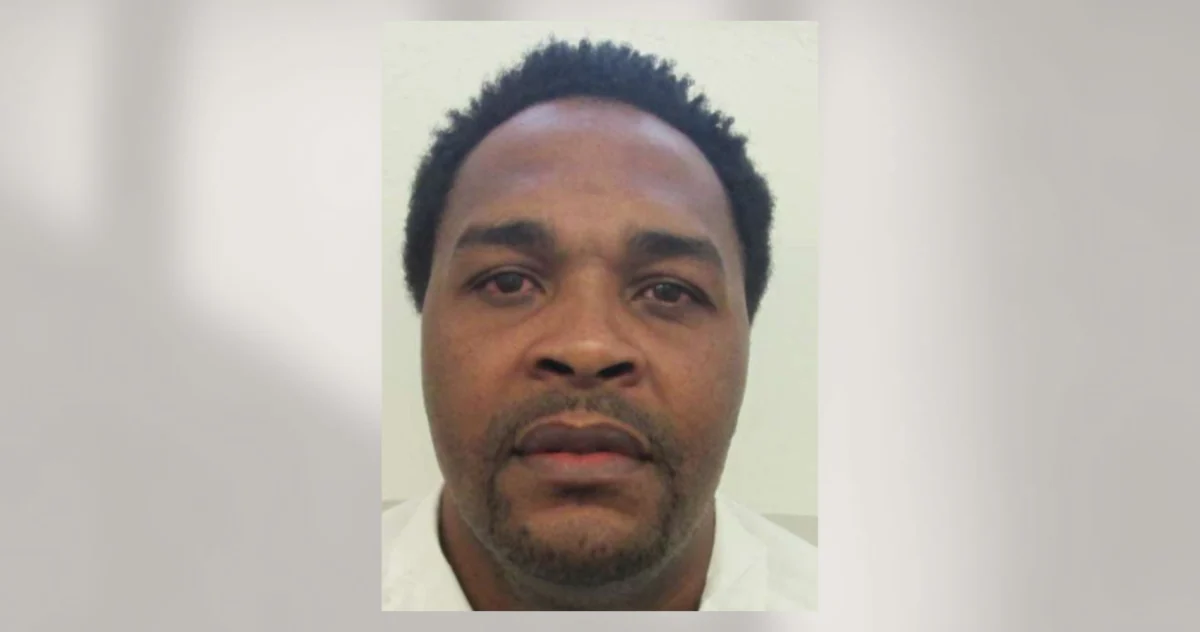
The U.S. Supreme Court delivered a significant ruling late Wednesday, refusing to overturn a federal trial court’s decision that Alabama’s proposed method of execution by nitrogen suffocation is unconstitutional. This denial effectively barred the state from proceeding with the scheduled execution of Jeffery Lee, who was set to be put to death today. The high court’s order, issued at 8:10 pm, marks a critical development in the ongoing legal challenges to capital punishment methods in the United States, particularly as states grapple with the availability of lethal injection drugs and explore alternative means.
The Controversial Method: Nitrogen Hypoxia Under Scrutiny
Jeffery Lee’s case became a focal point for the contentious debate surrounding nitrogen hypoxia, an execution method that has drawn intense scrutiny from legal experts, medical professionals, and human rights advocates. Alabama, alongside Oklahoma and Mississippi, has authorized nitrogen gas as an alternative to lethal injection, primarily due to difficulties in obtaining the necessary drugs for conventional protocols. Proponents of nitrogen hypoxia claim it offers a humane and painless death, positing that replacing oxygen with an inert gas like nitrogen would induce rapid unconsciousness and death without suffering. This theory suggests that the condemned would simply drift into unconsciousness due to oxygen deprivation, similar to how pilots might lose consciousness at high altitudes.
However, opponents argue vehemently against this assertion, citing a lack of scientific evidence and human trials to support its supposed humanity. Lee’s legal challenge, filed last year, directly targeted nitrogen suffocation as cruel and unusual punishment, a violation of the Eighth Amendment of the U.S. Constitution. His lawsuit posited that the method "causes inmates to experience prolonged air hunger and feelings of suffocation, which evoke severe anxiety, fear, and physiological distress." The core of the argument against nitrogen hypoxia is that it cruelly "superadds pain" by triggering an individual’s primal survival instincts to breathe oxygen while simultaneously denying them access to it. This creates a terrifying sensation known as "air hunger" or dyspnea, a profound physiological discomfort far beyond mere pain.
Justice Sonia Sotomayor, in prior statements regarding the method, has recognized the "unnecessary psychological terror" and "conscious, excruciating suffocation" that this protocol could inflict. She emphasized the "severe emotional suffering" experienced while "consciously experiencing the ‘primal urge to breathe’," highlighting the profound distress caused by the body’s involuntary response to oxygen deprivation. Medical experts, including anesthesiologists, have largely condemned nitrogen hypoxia as an untested and potentially agonizing method, drawing parallels to inhumane forms of animal euthanasia rather than a medically sound procedure. They stress that the human body’s response to asphyxiation by inert gas is not a peaceful transition but a desperate struggle for breath, potentially lasting for minutes before consciousness is lost.
A Legal Battleground: The Path to the Supreme Court’s Decision
The legal journey for Jeffery Lee has been a complex and protracted one, characterized by a series of appeals and reversals that ultimately led to the Supreme Court’s intervention.
-
Initial District Court Ruling (May 28): Following a bench trial, U.S. District Court Judge Emily Marks initially ruled that while Lee had established that "death by nitrogen hypoxia involves some suffering," he "fails to show that the protocol is cruel and unusual in violation of the Eighth Amendment." The court acknowledged that individuals executed by nitrogen suffocation would "likely experience severe air hunger," resulting in "profound physiological discomfort and distress, as well as anxiety, fear, and dread," and conceded that this suffering "can be worse than pain." However, Judge Marks concluded that this suffering was not unconstitutional because consciousness would be lost "in not significantly more than one to three minutes" after the nitrogen flow began.
-
Eleventh Circuit Reversal (Monday): Jeffery Lee promptly appealed the district court’s decision. The Eleventh Circuit Court of Appeals reversed the lower court’s finding, delivering a powerful rebuke to the idea that one to three minutes of intense suffering could be constitutionally permissible. The appellate court found that such a timeframe "presents a substantial risk of serious harm over and above death itself" in violation of the Eighth Amendment. The court’s opinion underscored the severity of the anticipated experience, stating, "Counting to 60 or 180 seconds is not a quick exercise, and constitutionally speaking, that timeframe is intolerable given the suffering that would likely take place under Alabama’s nitrogen hypoxia protocol."
Crucially, Supreme Court precedent, particularly established in cases like Baze v. Rees (2008) and Glossip v. Gross (2015), dictates that a person challenging an execution method must not only prove "intolerable" suffering but also identify an alternative method that is "feasible, readily implemented, and significantly reduces the risk of harm." Lee’s legal team identified the firing squad as such an alternative. Given that the district court had not addressed the validity of this alternative, the Eleventh Circuit remanded the case back to the district court to make those specific findings and decide whether to issue a stay of execution.
-
District Court’s Subsequent Ruling (Tuesday Evening): Acting swiftly on the remand, the district court on Tuesday evening found that the firing squad met the criteria for a feasible and less harmful alternative method of execution. Consequently, the court held that Alabama’s nitrogen suffocation protocol indeed violated the Eighth Amendment and issued a permanent injunction, blocking Alabama from using nitrogen suffocation to execute Mr. Lee. This was a critical victory for Lee, as it directly challenged the state’s chosen method.
-
Final Appeals and Supreme Court Denial: Alabama’s Attorney General’s office immediately sought to overturn this ban, first petitioning the Eleventh Circuit. Late Wednesday, the Eleventh Circuit denied Alabama’s request. The state then escalated its plea to the U.S. Supreme Court, requesting that the high court vacate the injunction and allow the execution to proceed by nitrogen suffocation. In a terse order issued at 8:10 pm, the Supreme Court denied Alabama’s motion, thereby upholding the lower courts’ rulings and effectively blocking Jeffery Lee’s execution by nitrogen hypoxia. This series of legal maneuvers highlights the meticulous scrutiny courts apply to execution protocols, especially when experimental methods are introduced.
A Jury’s Choice Overruled: The Judge Override Legacy
Beyond the immediate legal battle over execution methods, Jeffery Lee’s case also illuminates a deeply problematic chapter in Alabama’s capital punishment history: the practice of judicial override. In 2000, after a capital trial, an Alabama jury voted 7-5 against the death penalty for Mr. Lee, opting instead for a sentence of life imprisonment without parole. However, the trial judge disregarded the jury’s verdict and sentenced Lee to death, exercising a unique Alabama practice that allowed judges to overrule jury recommendations in capital cases.
Alabama was an outlier in this regard. Historically, it was the only state where judges routinely overrode jury verdicts of life to impose the death penalty. Since 1976, this occurred in more than 100 cases, resulting in nearly 20% of the individuals currently on Alabama’s death row having been sentenced by elected judges even after their juries recommended life imprisonment. This practice fundamentally undermined the role of the jury, which is meant to represent community conscience in sentencing.
The tide began to turn nationally in 2016 when the U.S. Supreme Court’s decision in Hurst v. Florida effectively struck down Florida’s judge override system, finding that it violated the Sixth Amendment right to a jury trial by allowing a judge to make findings necessary for a death sentence. Following Hurst, Florida and Delaware, the only other states that permitted judge override, abolished the practice. Alabama, the last state to cling to this system, finally abolished judge override on April 11, 2017.
However, this legislative change was not applied retroactively, leaving individuals like Jeffery Lee, whose trials occurred before 2017, in a legal limbo. This non-retroactivity introduces a profound element of arbitrariness into Alabama’s death penalty system. As former Chief Justice of the Alabama Supreme Court Drayton Nabers Jr. argued in a recent op-ed, if Lee’s trial had happened today—or at any time after override was abolished in 2017—he would have been sentenced to life imprisonment without parole, as his jury decided. His fate, therefore, hinges on the timing of his trial, a factor unrelated to the merits of his case or the severity of his crime. Nabers Jr. called on Governor Kay Ivey to commute Mr. Lee’s death sentence, appealing to "fidelity to the conservative principles of limited government, respect for the jury system, and the rule of law." He powerfully stated, "A jury of Alabamians voted for life. The state of Alabama later agreed that juries, not judges, should make that call. Governor Ivey can honor both of those judgments—the jury’s and the Legislature’s—by commuting Jeffery Lee’s sentence to life imprisonment without the possibility of parole."
Questions of Justice: An Unreliable Capital Trial
The arbitrariness of Lee’s sentencing is further compounded by serious concerns regarding the reliability and fairness of his original capital trial. Jeffery Lee, who is Black, was charged with the 1998 shooting deaths of Jimmy Ellis and Elaine Thompson and the attempted murder of Helen King during the robbery of a pawn shop near Orrville in Dallas County, Alabama. All three victims were white.
Dallas County, located in Alabama’s historically significant Black Belt, carries a profound legacy of racial injustice, inextricably linked to the Civil Rights Movement and systemic discrimination. This historical context raises immediate red flags regarding the fairness of a capital trial involving a Black defendant and white victims. Court filings indicate that the prosecutor in Lee’s case used all 21 of his peremptory strikes against Black potential jurors. Peremptory strikes, while seemingly neutral, have historically been used to exclude jurors based on race, a practice deemed unconstitutional by the Supreme Court in Batson v. Kentucky (1986). Such a high number of strikes against Black jurors in a county with a documented history of racial bias strongly suggests an attempt to deprive Mr. Lee of a jury of his peers and a fair trial.
Adding to these concerns, Mr. Lee lived his entire life in chronic poverty and could not afford to hire legal representation. He was appointed counsel who, according to court filings, had never tried a capital case and did "almost nothing to prepare for trial." Inadequate legal representation is a pervasive issue in capital cases, particularly for indigent defendants, and can lead to severe injustices. The trial itself lasted less than two days, an astonishingly brief period for a capital murder case that could determine a man’s life or death. Following this expedited trial, defense counsel presented no additional evidence in support of a life sentence during the penalty phase, further highlighting the lack of a robust defense. It was after this abbreviated process that the trial judge overrode the jury’s life verdict and sentenced Mr. Lee to death. These combined factors paint a troubling picture of a capital trial marred by potential racial bias and ineffective assistance of counsel, casting serious doubt on the legitimacy of the death sentence itself.
From Condemned to Mentor: Jeffery Lee’s Transformation
Despite being condemned to death for more than 25 years, Jeffery Lee, now 49, has undergone a remarkable transformation within the confines of Alabama’s death row. He has become a Kairos ministry leader, an assistant chaplain, and a mentor to other men facing execution. The Catholic Mobilizing Network, an organization advocating for an end to the death penalty, has called on Governor Kay Ivey to grant clemency for Mr. Lee, describing him as "a man of strong Christian faith" who has maintained a record of no violent infractions during his quarter-century in prison. His dedication to spiritual growth and his role in guiding others on death row reflect a profound personal change, offering a compelling argument for rehabilitation and mercy.
Retired Brig. Gen. Carlton Fisher, drawing on his extensive experience as a chaplain in both correctional and military settings, echoed these sentiments in a recent op-ed. He argued that "Nothing good will come from executing Jeffery," emphasizing the heavy toll such an execution would take, not just on Lee, but also on the correctional officers tasked with carrying it out. Fisher pointed out that "Even for officers who never speak publicly, carrying out death sentences a jury did not support is a heavy weight to bear." This perspective highlights the broader human cost of capital punishment, particularly when the sentence is perceived as unjust or against the will of the jury. The argument for clemency in Lee’s case is not merely about procedural errors but also about recognizing his demonstrated capacity for transformation and the moral implications of taking a life that has clearly found purpose and contributed positively within the prison system.
Broader Implications and The Future of Capital Punishment
The Supreme Court’s denial of Alabama’s request to proceed with nitrogen suffocation for Jeffery Lee carries significant implications for capital punishment in the United States. Firstly, it effectively forces Alabama to re-evaluate its execution protocols. With lethal injection drugs increasingly difficult to procure due to pharmaceutical companies’ ethical objections, and nitrogen hypoxia now deemed unconstitutional in this context, Alabama may have to explore other methods or face a de facto moratorium on executions. The district court’s finding that the firing squad is a feasible alternative could pave the way for its adoption, though this method also faces its own set of legal and ethical challenges.
Secondly, this ruling sends a clear message to other states, like Oklahoma and Mississippi, that have authorized nitrogen hypoxia. It reinforces the rigorous judicial scrutiny applied to execution methods, particularly those that are experimental and lack a proven track record of humanity. States exploring novel methods must now contend with the precedent that prolonged air hunger and the primal urge to breathe, even for a few minutes, constitute "cruel and unusual punishment." This could deter other states from pursuing nitrogen hypoxia and compel them to seek methods that are unequivocally humane and constitutionally sound, or reconsider the death penalty altogether.
Finally, Jeffery Lee’s case underscores the persistent and multifaceted challenges facing capital punishment in America. From the controversy over execution methods and the legacy of judicial override to concerns about racial bias and inadequate legal representation, the legal and ethical landscape of the death penalty remains fraught with complexities. The Supreme Court’s action, while specific to Lee’s circumstances and Alabama’s protocol, contributes to the ongoing national debate about fairness, justice, and the very nature of punishment in a society that prides itself on constitutional protections against cruelty. As states continue to grapple with these issues, the future of capital punishment appears increasingly uncertain and subject to intense judicial and public scrutiny.