Protecting the safety and rights of refugees is not merely a moral imperative; it is a deeply embedded legal obligation for nations worldwide. This commitment is woven into the fabric of international law, solidified through treaties, and reinforced by domestic legislation and enduring humanitarian principles. In this in-depth exploration, we delve into the intricate legal architecture that underpins refugee protection, examining its international foundations and its specific manifestation within the United States.
The Genesis of International Refugee Law
The concept of offering sanctuary to those fleeing persecution has ancient roots. However, the modern international legal framework for refugee protection was profoundly shaped by the devastating events of World War II and the Holocaust. These unparalleled human tragedies underscored the urgent need for a universal agreement to codify and uphold the rights of those displaced by conflict and persecution.
The cornerstone of this global system is the 1951 Convention Relating to the Status of Refugees, supplemented by its 1967 Protocol. This landmark agreement established the first universally recognized definition of a "refugee," a person who "owing to a well-founded fear of being persecuted for reasons of race, religion, nationality, membership of a particular social group or political opinion, is outside the country of his nationality, and is unable to, or owing to such fear is unwilling to, avail himself of the protection of that country." The Convention meticulously outlines the minimum standards for the treatment of refugees, creating a permanent and comprehensive framework for safeguarding vulnerable populations.
Two critical principles enshrined in the Convention are paramount: non-refoulement and the right to seek protection. Non-refoulement is a fundamental tenet prohibiting the return of refugees to territories where their lives or freedom would be in danger due to persecution. The Convention also affirms the right of individuals to seek asylum in another country, recognizing that fleeing persecution is not a crime but a necessary act of self-preservation. Furthermore, refugees are entitled to a range of rights, including access to legal systems, education, employment, and social welfare services. A core tenet of the Convention is the principle of non-discrimination, ensuring that refugees are treated equitably, irrespective of their origin or background. The 1967 Protocol significantly expanded the Convention’s applicability, extending its protections beyond those who had fled persecution in Europe prior to 1951.
Today, the United Nations High Commissioner for Refugees (UNHCR) stands as the principal international body responsible for coordinating global efforts in refugee protection and assistance. Organizations like HIAS work in close collaboration with UNHCR, advocating for refugee rights and delivering vital services to displaced individuals across the globe. This collaborative approach ensures that refugees receive consistent and coordinated support, irrespective of their geographical location or the complexities of their individual circumstances.
U.S. Legal Obligations to Refugees and Asylum Seekers
Within the United States, the legal framework governing immigration and the protection of refugees is primarily established by the Immigration and Nationality Act (INA), originally enacted in 1965. The INA incorporates the fundamental principles of the 1951 Refugee Convention and sets forth the criteria for granting asylum and refugee status. A pivotal amendment came with the Refugee Act of 1980, which brought U.S. law into closer alignment with international standards. This Act formally established the U.S. Refugee Admissions Program (USRAP), creating a structured process for admitting refugees into the country. Crucially, the Refugee Act also instituted procedures for individuals to apply for asylum while physically present in the U.S. and provided a pathway for admitted refugees to eventually attain legal permanent residency and U.S. citizenship.
The right to seek asylum is a critical component of U.S. refugee law. Individuals who are physically present within the United States have the legal right to apply for asylum. This process allows them to present evidence and testimony demonstrating a well-founded fear of persecution in their home country, based on specific protected grounds: race, religion, nationality, membership in a particular social group, or political opinion.

The U.S. Refugee Admissions Program (USRAP) facilitates the resettlement of individuals identified as refugees by UNHCR or other designated organizations. These individuals, residing abroad, undergo extensive security, health, and background screenings before being admitted to the United States. HIAS plays a vital role as one of the nation’s ten resettlement agencies, six of which are faith-based, partnering with the federal government to assist refugees in rebuilding their lives in safety and dignity within America.
Upon arrival in the U.S., resettled refugees are granted rights that enable them to integrate into society. These include the right to work, access to public education, and the opportunity to apply for permanent residency after one year of lawful presence. Furthermore, they can petition for their immediate family members to join them in the U.S., a process known as family reunification. These legal provisions underscore a long-standing American commitment to humanitarian principles and the provision of refuge to those fleeing persecution.
Challenges to U.S. Refugee Protections: A Timeline of Erosion
Despite these legal foundations, the landscape of refugee and asylum protection in the United States has faced significant challenges and erosion, particularly in recent years.
- Early 2017: Upon taking office, the Trump administration immediately suspended the U.S. Refugee Admissions Program (USRAP), leaving thousands of refugees in precarious situations and disrupting established resettlement efforts. This action was a stark departure from previous administrations’ consistent engagement with the program.
- Throughout 2017-2020: The administration implemented a series of policies aimed at drastically reducing refugee admissions. The annual refugee ceiling was set at historically low levels, with figures like 45,000 in 2017, 30,000 in 2018, and a mere 18,000 in 2019, significantly below the figures seen in prior decades. For instance, in fiscal year 2016, the U.S. admitted over 84,000 refugees. Furthermore, the administration began a process of re-vetting previously approved refugee cases, creating immense anxiety for individuals already seeking to rebuild their lives in the U.S. These actions were often undertaken without explicit consideration of U.S. legal obligations to refugees or the escalating global humanitarian crises.
- Mid-2018: Policies were enacted that effectively closed the U.S.-Mexico border to asylum seekers, making it exceedingly difficult for individuals fleeing violence to seek protection or receive fair adjudication of their claims. This included the implementation of "Remain in Mexico" policies and increased barriers to entry at ports of entry, leading to significant backlogs in asylum cases.
- Late 2018 – Early 2020: The Trump administration pursued aggressive immigration enforcement strategies, including large-scale deportation raids targeting individuals in their homes, workplaces, and public spaces. This period saw a marked increase in removals, including controversial "third-country deportations" to nations where individuals faced significant danger. These operations were often characterized by forceful tactics, causing fear and disruption within immigrant communities.
- January 21, 2025: An article was published detailing the Trump administration’s multifaceted assault on refugee rights and asylum protections. This article highlighted the suspension of USRAP, the record-low refugee ceilings, the re-vetting of cases, the closure of asylum access at the border, and the intensified deportation programs. It also underscored HIAS’s proactive response, including legal challenges, expanded services, and community mobilization.
- May 18, 2026: The current article is published, providing an updated perspective on the ongoing legal framework of refugee protection and reflecting the continued efforts to defend the rights of refugees and asylum seekers. The update signifies that while the underlying legal principles remain, the challenges and the fight to uphold them persist.
Legal Challenges and Advocacy Efforts
In response to these developments, HIAS, alongside other organizations and legal advocates, has mounted significant legal challenges and intensified advocacy efforts. These efforts have aimed to:
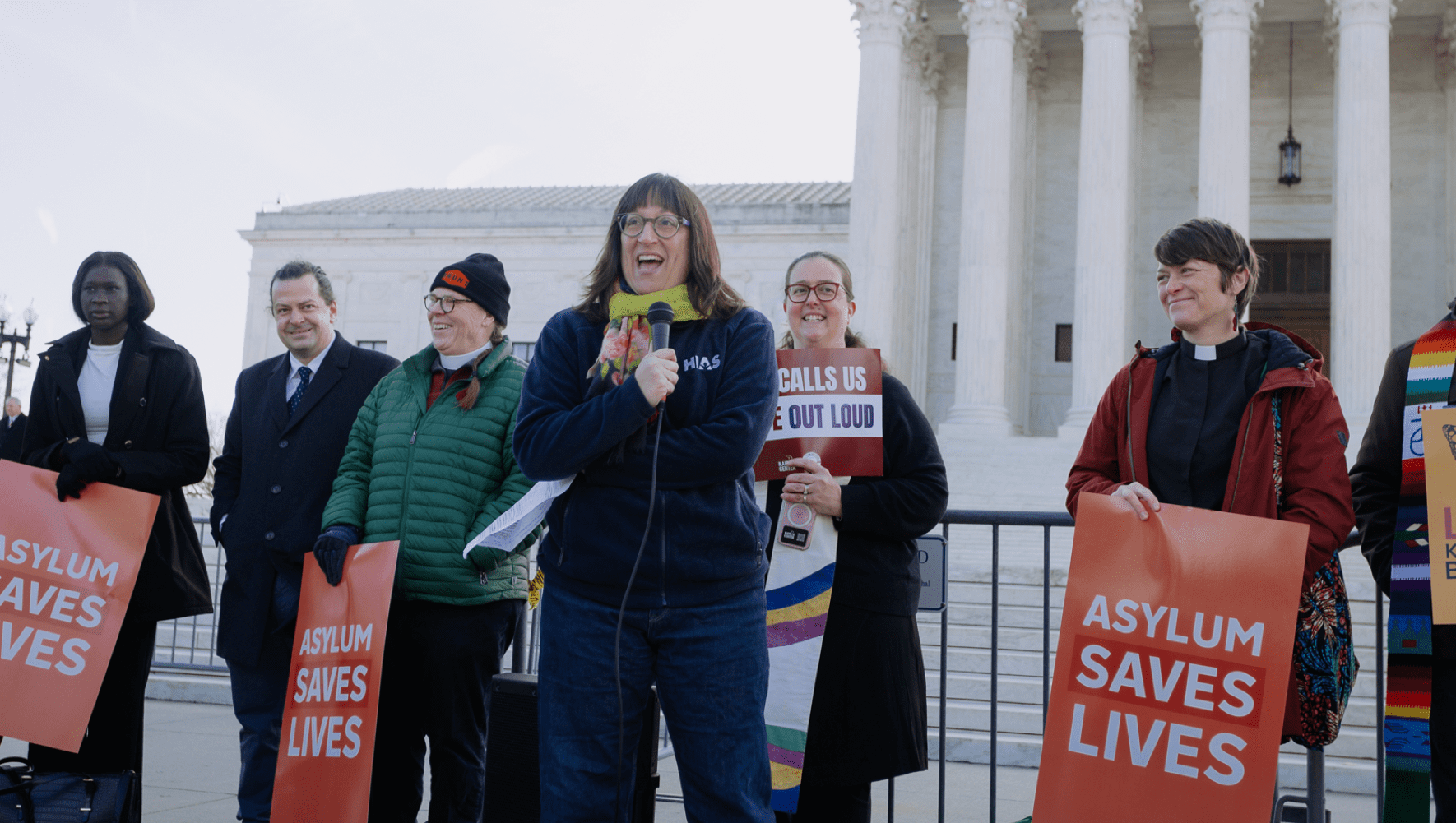
- Challenge restrictive policies: HIAS has filed numerous lawsuits challenging the legality and humanitarian impact of the Trump administration’s policies, including bans on asylum and the drastic reduction of refugee admissions. For example, a significant lawsuit helped several refugee families safely resettle in the United States after their cases were initially jeopardized.
- Expand legal and social services: Recognizing the increased need, HIAS significantly expanded its legal and social services, providing critical assistance to thousands of asylum seekers through its staff attorneys and a robust network of pro bono partners.
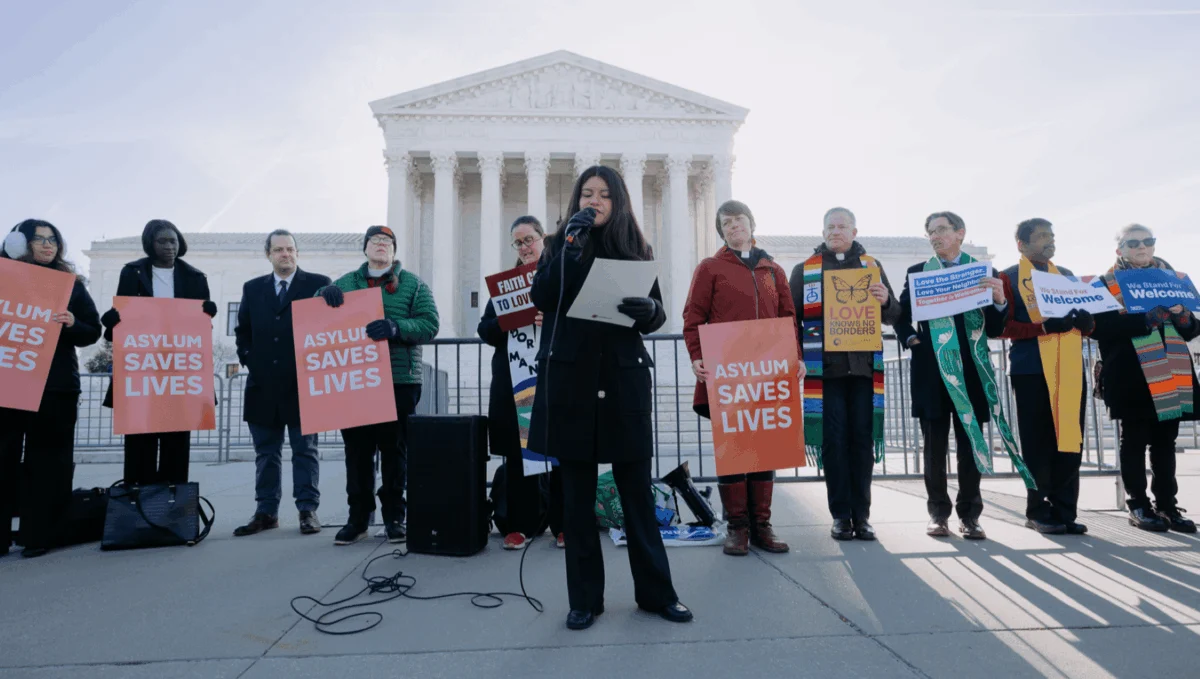
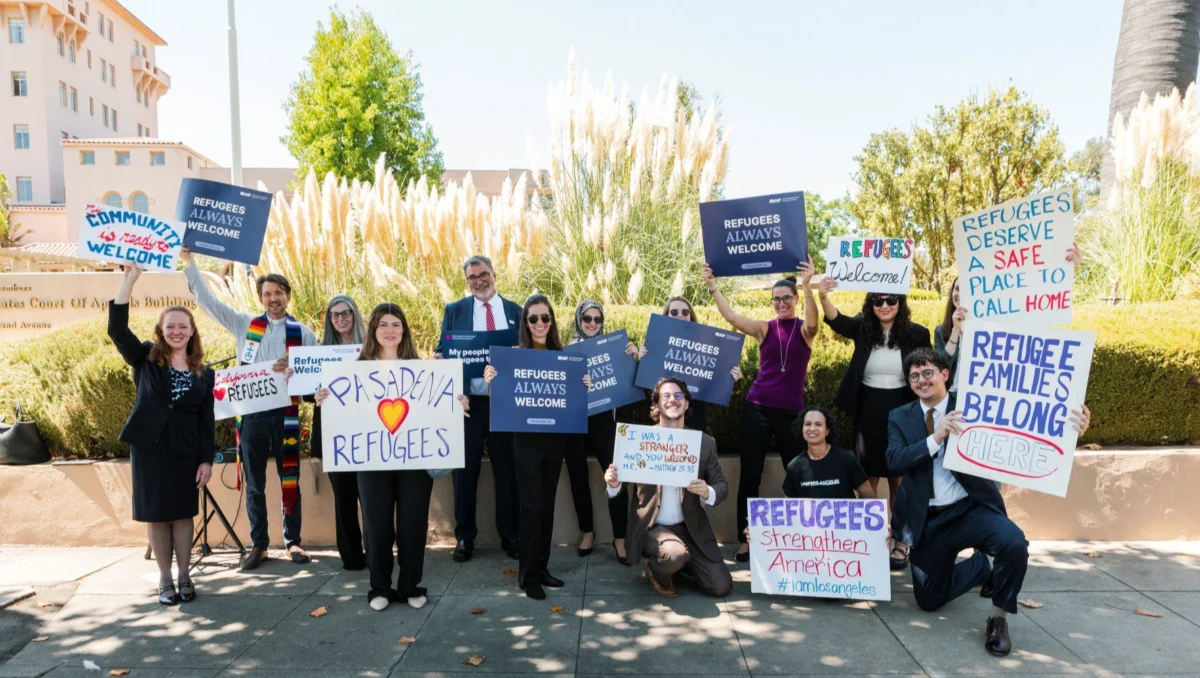
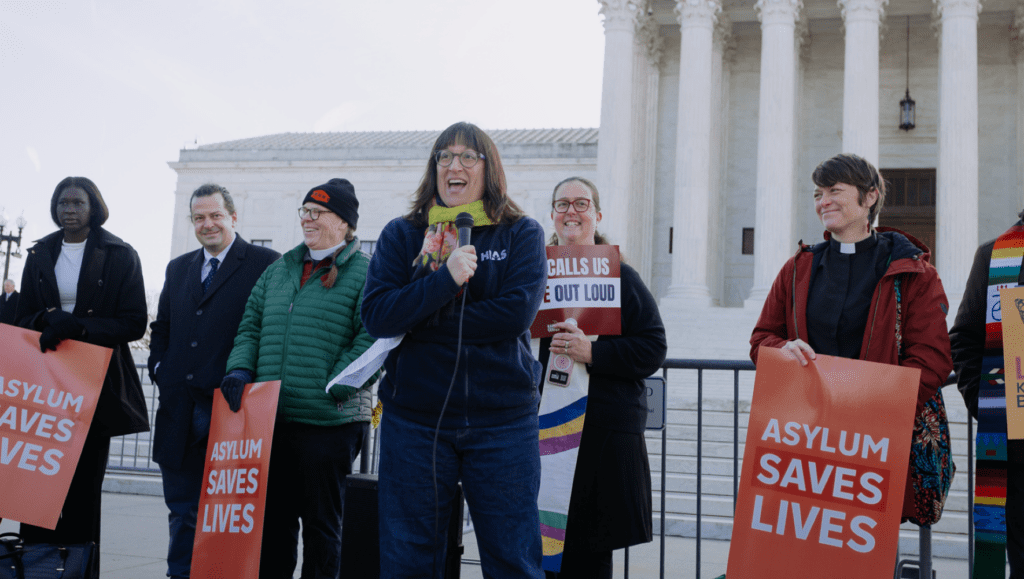
- Mobilize communities: HIAS has been instrumental in mobilizing Jewish communities and broader coalitions to advocate for refugee rights. This has included organizing vigils, providing legal accompaniment to individuals facing deportation, and raising public awareness about the plight of refugees and asylum seekers.
- Defend international law: The organization has consistently spoken out against actions that violate international refugee law and U.S. legal obligations, advocating for a return to humane and just asylum and refugee policies.
The Broader Impact and Implications
The erosion of refugee protections and asylum access has profound implications, both domestically and internationally.
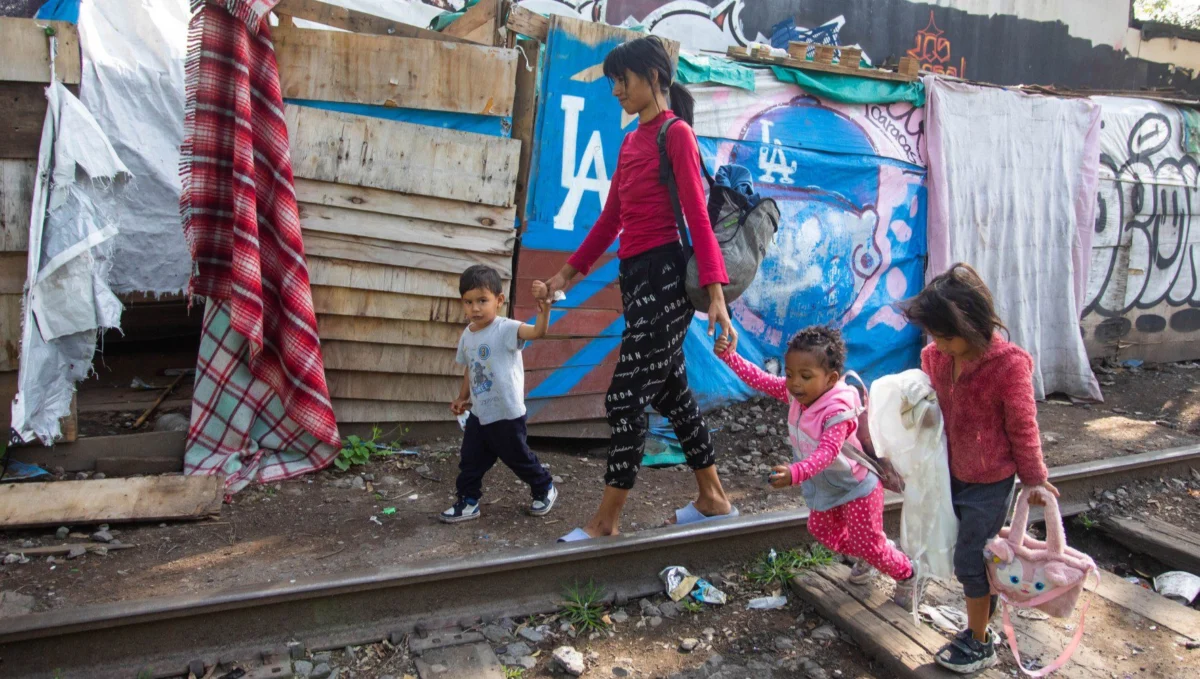
- Humanitarian Crisis: Millions of individuals fleeing violence and persecution are denied safe haven, forcing them into increasingly dangerous situations or prolonged displacement. This exacerbates global humanitarian crises and undermines international efforts to address forced migration.
- Undermining of Legal Norms: The disregard for established legal obligations weakens the international refugee protection regime and sets a dangerous precedent for other nations. It signals a retreat from the shared responsibility of protecting vulnerable populations.
- Impact on U.S. Standing: Such policies can damage the United States’ international reputation as a beacon of human rights and a leader in humanitarian assistance.
- Community Impact: Within the U.S., aggressive enforcement and restrictive policies create fear and instability within immigrant communities, impacting social cohesion and economic contributions.
While the U.S. government has, at times, appeared to abandon its legal obligations to refugees, organizations like HIAS remain steadfast in their commitment to advocating for the rights of those fleeing violence and persecution. The fight to ensure that governments honor their legal commitments to refugees and asylum seekers is ongoing, requiring persistent advocacy, robust legal defense, and unwavering support for humanitarian principles. The legal framework for refugee protection, though challenged, remains a vital bulwark against injustice, and its defense is a critical imperative for a just and compassionate global society.