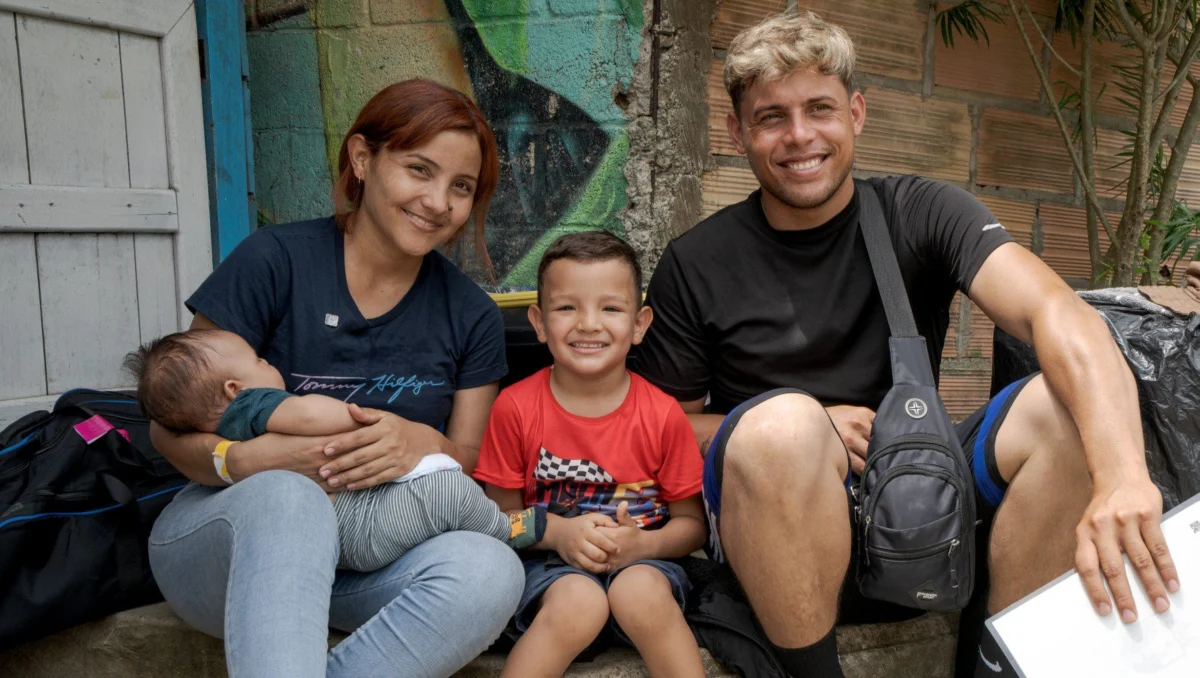
Mexico has transitioned from a primary transit country for individuals seeking refuge to a significant destination, now hosting over 780,000 displaced people, including refugees, asylum seekers, stateless individuals, and internally displaced Mexicans. This dramatic shift, particularly evident since 2021, places Mexico among the world’s top recipients of asylum applications. The escalating numbers present formidable challenges for the Mexican government, civil society organizations, and frontline responders grappling with an unprecedented humanitarian crisis. The primary drivers compelling individuals to seek safety in Mexico are multifaceted, encompassing pervasive gang violence, armed conflict, the escalating impacts of climate change, and the persistent scourge of domestic and sexual violence. For those navigating the perilous journey and seeking refuge, particularly along Mexico’s northern border, women and girls face an acute and alarming escalation of violence, including kidnapping, human trafficking, and systematic exploitation. This evolving landscape necessitates a deeper understanding of the current realities for refugees and asylum seekers within Mexico.
The Shifting Tides of Displacement: Origins and Drivers
The demographic profile of those seeking safety in Mexico is increasingly diverse. While a significant portion originates from other Latin American nations, with Honduras, Venezuela, Haiti, El Salvador, and Cuba consistently appearing as top countries of origin, the reach of displacement extends far beyond regional borders. Thousands of displaced individuals hail from countries as geographically distant as Afghanistan, China, and India, underscoring a truly global migration phenomenon. Reports indicate that displaced people from over 100 different countries now reside within Mexico.
The overwhelming impetus for this mass movement is rooted in pervasive violence. An alarming 85% of individuals in transit through Mexico cite violence as the primary reason for their displacement. This encompasses the brutal realities of gang warfare, the destabilizing effects of armed conflict, and the deeply personal trauma of domestic and sexual violence. The situation is further compounded by a substantial internal displacement crisis. Mexico is home to more than 260,000 internally displaced Mexicans who require urgent humanitarian assistance within their own country. The majority of these individuals are fleeing the escalating violence associated with drug trafficking routes, but a growing number are also being uprooted by the devastating impacts of climate change and natural disasters, creating a complex web of vulnerabilities.
Navigating Rights and Realities: Protections and Perils
Mexico has historically maintained a robust legal framework designed to integrate refugees and asylum seekers, offering pathways to rebuilding lives through employment opportunities and a private sector generally receptive to hiring displaced individuals. For many years, substantial humanitarian aid, channeled through organizations like UNHCR and its partners, including HIAS, played a crucial role in supporting the Mexican government’s asylum processing, shelter provision, and overall assistance to those in need.
However, this crucial support system is facing unprecedented strain. Drastic cuts to humanitarian aid have significantly exacerbated the challenges within the refugee and asylum systems. Delays in the issuance of humanitarian visas, a critical lifeline for formal employment and access to essential services, have become increasingly common. This protracted legal limbo not only impedes integration but also heightens protection risks, leaving vulnerable populations exposed to further exploitation and discrimination. The available resources are stretched thin, and humanitarian organizations are finding themselves overwhelmed by the sheer volume of need. Across the country, displaced individuals struggle to access vital services, programs, and mechanisms necessary to effectively exercise their fundamental rights.
The Impact of U.S. Policy Shifts on Mexican Soil
A significant catalyst for the current humanitarian situation in Mexico is the dramatic evolution of U.S. immigration policies. For years, migration patterns predominantly flowed northward. However, recent shifts, characterized by increasingly restrictive U.S. asylum and border enforcement measures, have precipitated a "reverse migration" phenomenon. Thousands of individuals, previously aiming for the United States, are now being compelled to move southward, seeking refuge or alternative pathways in Mexico and other Central American nations.
The consequences of these policy changes have been profoundly destabilizing for those stranded in Mexico. The shrinking availability of asylum and regularization options within Mexico, coupled with the U.S. policies that limit access to asylum at its border, has left many displaced individuals in a state of prolonged legal uncertainty. Without formal legal status, families face a heightened risk of violence, exploitation, precarious employment conditions, and pervasive discrimination.
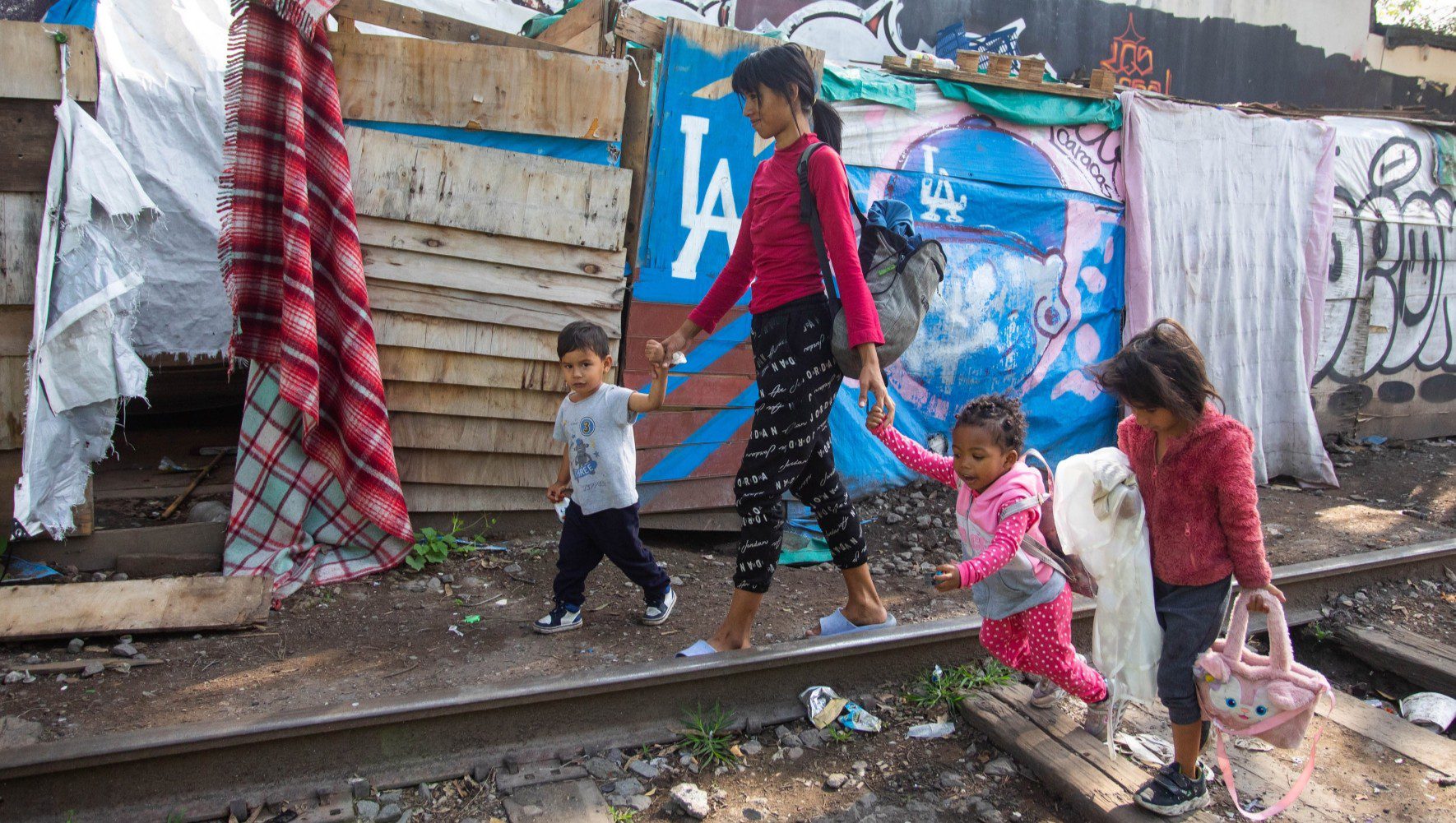
These policy shifts have also placed immense pressure on Mexico’s asylum system, particularly the Comisión Mexicana de Ayuda a Refugiados (COMAR). COMAR, often overburdened and under-resourced, struggles to process the escalating number of applications, further contributing to the delays and protection gaps.
Adding to the complexity, the United States continues to deport thousands of third-country nationals to Mexico. These individuals, many of whom may have been in the U.S. legally awaiting asylum proceedings, are now finding themselves in a country where they may have no existing ties or avenues for protection. This situation places an additional, significant burden on Mexico’s already strained asylum system, as these deportees often arrive with no safety net and limited prospects for integration or protection.
HIAS’s Enduring Commitment to Protection and Advocacy
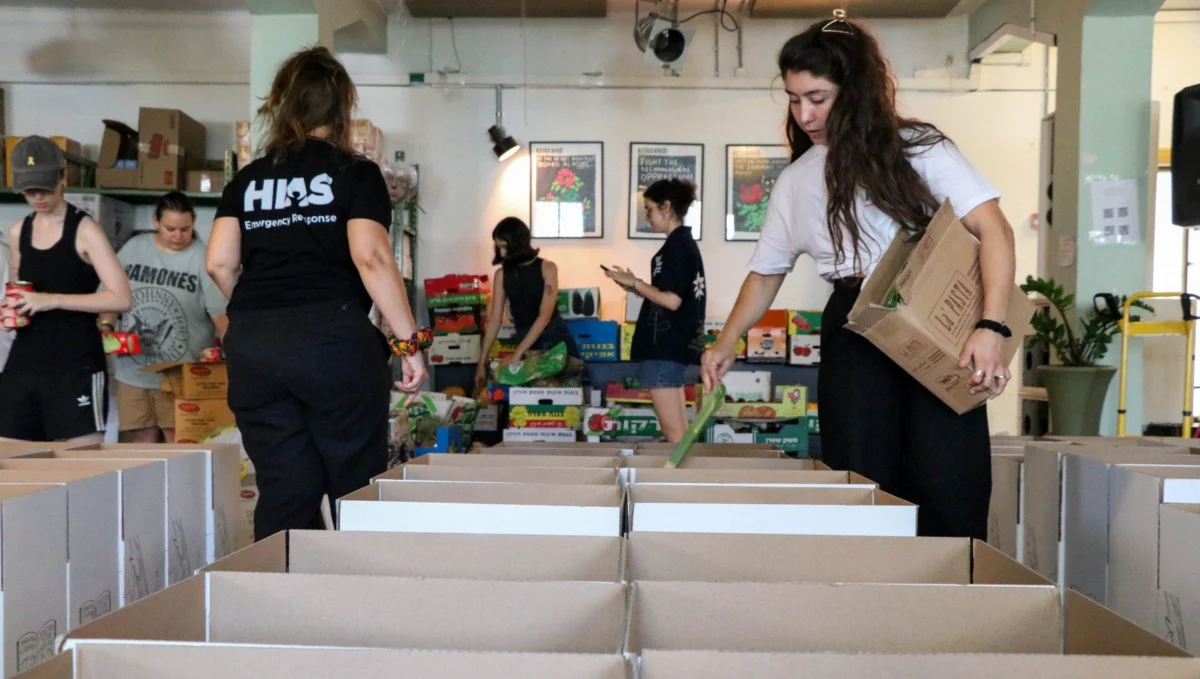
For over seven years, HIAS Mexico has been a steadfast partner in supporting displaced individuals in their efforts to rebuild safe and dignified lives. The organization’s comprehensive approach includes providing crucial mental health care, essential legal assistance, and implementing programs focused on the prevention and response to gender-based violence, particularly against women and girls.
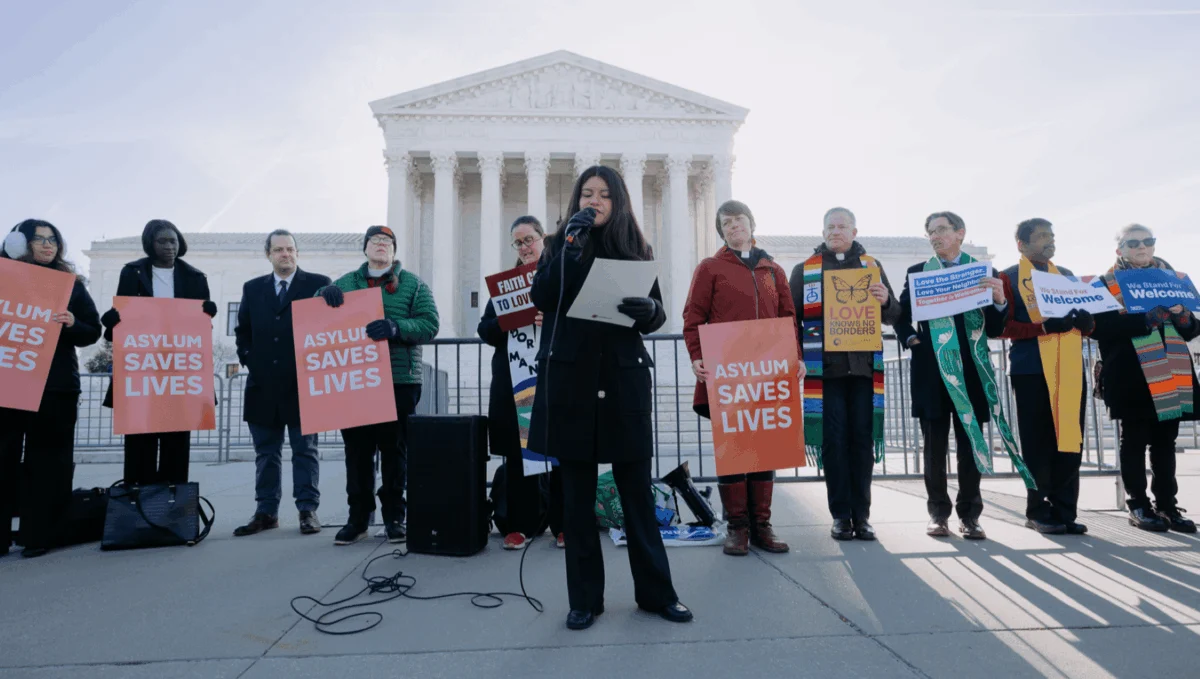
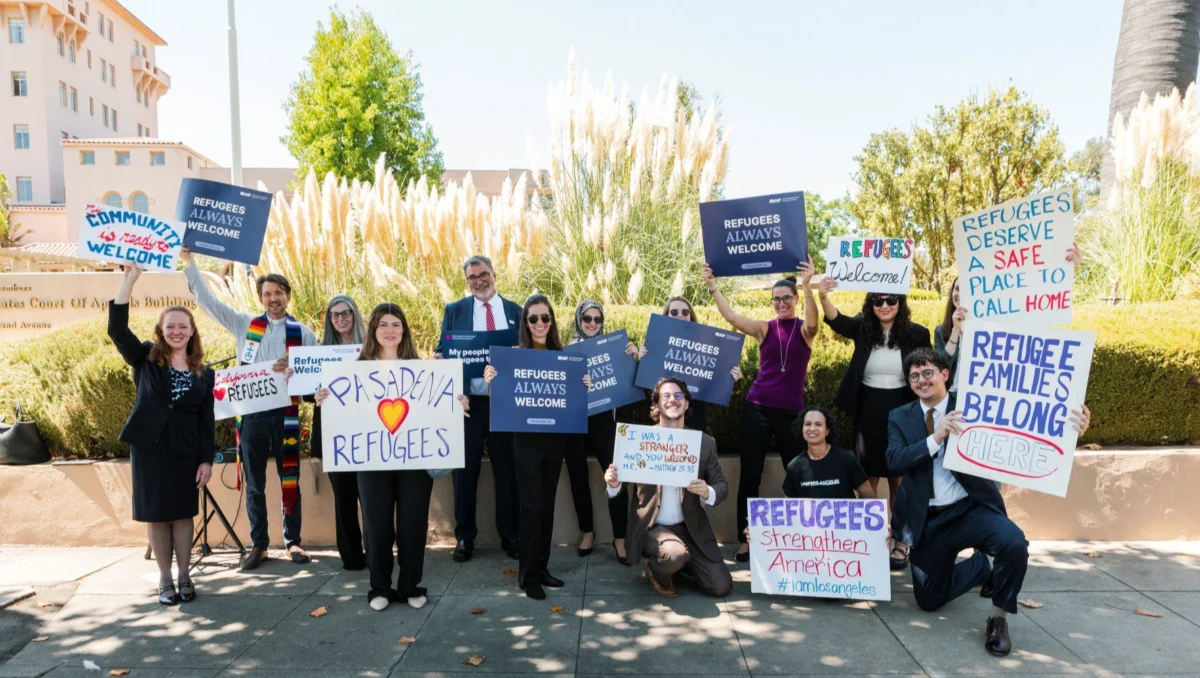
HIAS’s work in Mexico extends beyond direct assistance. The organization actively advocates for fair and humane refugee and asylum policies at both national and regional levels. This advocacy involves engaging with national and international authorities, fostering strong alliances with civil society organizations, and generating evidence-based research to drive policy reforms that ensure protection, equitable access to services, and the fundamental respect for human rights.
In a significant collaborative effort, HIAS has partnered with Columbia University and El Colegio de la Frontera Norte (COLEF) to undertake a critical research project. This initiative aims to gain a deeper understanding of the psychosocial impacts of forced migration and violence on refugee and migrant populations. The research is designed to generate vital evidence that will strengthen mental health and psychosocial support programs and inform the development of more sensitive and effective protection strategies within humanitarian contexts. This commitment underscores HIAS’s dedication to addressing the complex needs of displaced people in Mexico and advocating for their rights in an increasingly challenging global landscape.
A Chronology of Shifting Dynamics:
- Pre-2021: Mexico primarily served as a transit country for migrants and asylum seekers heading to the United States.
- 2021 Onwards: Mexico begins to see a significant increase in asylum applications, becoming a destination country for a growing number of displaced individuals.
- Mid-2024: U.S. immigration policies become more restrictive, leading to an increase in "reverse migration" and individuals being stranded in Mexico.
- Late 2024 – Early 2025: Reports indicate significant cuts to humanitarian aid impacting the capacity of organizations supporting refugees and asylum seekers in Mexico.
- Ongoing: Mexico faces a dual challenge of increased asylum claims from diverse nationalities and the continued deportation of third-country nationals from the U.S.
Broader Implications and Future Outlook:
The current situation in Mexico presents a complex humanitarian challenge with far-reaching implications. The sustained influx of displaced persons, coupled with reduced international aid and the ripple effects of U.S. immigration policies, places an immense strain on Mexico’s resources and social infrastructure. The escalating risks of violence, exploitation, and human trafficking, particularly for vulnerable groups like women and children, demand urgent and sustained attention from both national governments and the international community.
The research being conducted by HIAS, in partnership with academic institutions, offers a critical pathway to better understanding and addressing the psychosocial needs of displaced populations. This evidence-based approach is vital for developing more effective and compassionate humanitarian responses. As global migration patterns continue to evolve, the resilience and adaptability of organizations like HIAS, alongside robust governmental policies and international cooperation, will be paramount in ensuring the protection and dignity of those seeking safety and a new beginning in Mexico. The future trajectory of this humanitarian crisis will undoubtedly depend on a concerted effort to address the root causes of displacement, reform asylum systems, and provide sustained support to those most in need.