The landscape of independent cinema in South Florida is undergoing a profound transformation, characterized by a shift away from the neon-soaked aesthetics of tourism-driven media toward a more gritty, authentic, and "microbudget" approach. At the forefront of this movement is filmmaker Hansel Porras Garcia, whose latest feature, Tropical Park, has garnered significant attention following its screenings at the Miami Film Festival and the Museum of the Moving Image’s First Look program in New York. The film represents a technical and narrative experiment that challenges traditional cinematic structures while offering a raw, unvarnished look at the Cuban diaspora, gender identity, and the socio-economic pressures of modern-day Miami.
Narrative Structure and the Technical One-Take Experiment
Tropical Park is distinguished primarily by its restrictive and ambitious formal constraints. The entire feature unfolds within the confines of a car during a single driving lesson, captured in a continuous, uninterrupted take. This "one-shot" technique, devoid of stealth cuts or post-production stitching, places the audience in the backseat as observers of an intimate and high-stakes family reunion.
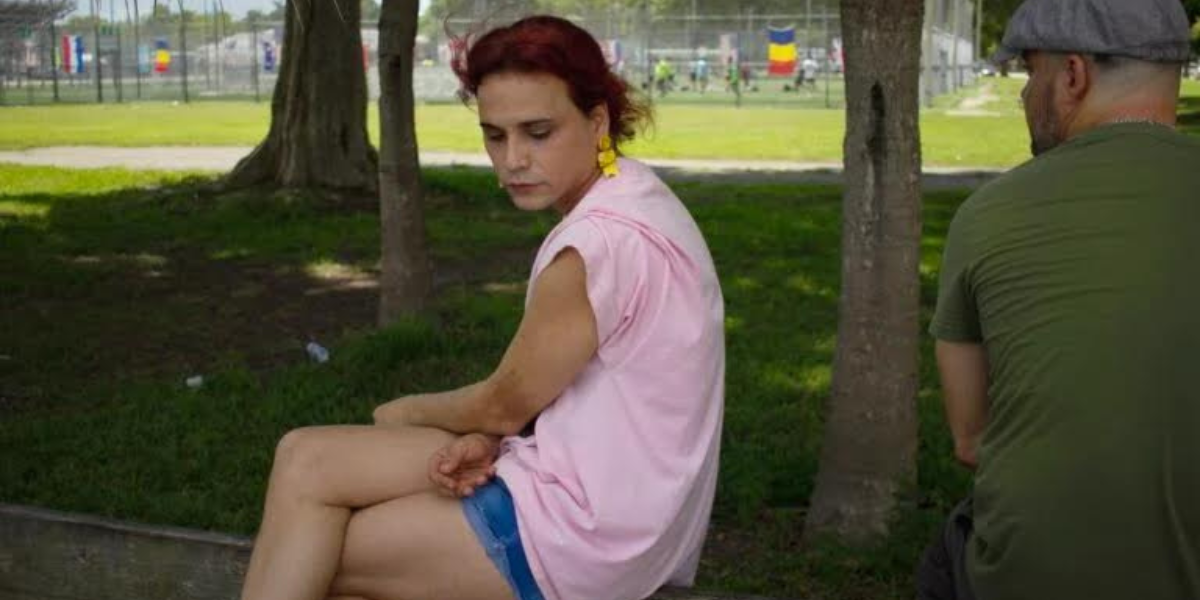
The story centers on two Cuban siblings: Fanny, a transgender woman portrayed by Lola Bosch, who has recently arrived in Miami from Cuba, and her estranged, conservative brother Frank, played by Ariel Texido. The tension is established immediately through the premise: Frank has informed Fanny that she can no longer reside in his home, turning the driving lesson into a final, forced interaction before her displacement.
The production of Tropical Park was a high-risk endeavor. Director Porras Garcia utilized a minimalist script of approximately 15 pages that outlined thematic beats rather than specific dialogue, allowing Bosch and Texido to improvise the vast majority of their interactions. This methodology was intended to capture the authentic cadence of Cuban-American speech and the volatile emotional shifts inherent in fractured familial relationships. The film was shot in a single day, with only one preliminary rehearsal take used to calibrate lighting and sound. During the final recording, the production team followed in a separate "chase car," monitoring the performance via a remote feed. Notably, the team experienced a total loss of audio monitoring during the drive, forcing the director to communicate with the actors via a cell phone call—a moment that was seamlessly integrated into the film’s plot.
The Socio-Economic Context of the Miami Microbudget Movement
The rise of films like Tropical Park coincides with a broader cultural push in Miami to reclaim the city’s narrative from the "tech bro" and "influencer" stereotypes that have dominated the headlines over the last decade. This movement, often referred to as Miami microbudget cinema, focuses on the "real Miami"—the suburban sprawl, the industrial corridors, and the lived experiences of the working-class immigrant populations.
Supporting data highlights the necessity of these stories. According to recent U.S. Census Bureau and housing market reports, Miami has consistently ranked as one of the least affordable cities in the United States relative to local wages. In the last decade, the average rent for a modest efficiency apartment in neighborhoods like Westchester or Hialeah has surged from approximately $500 to over $2,000. These economic realities serve as the backdrop for Tropical Park, as the characters grapple with the impossibility of finding stable housing and the failure of the city’s public transportation infrastructure.
By setting the film in Tropical Park—a landmark in the Westchester neighborhood known as a hub for the Cuban community—Porras Garcia taps into a specific geographic nostalgia. For many Cuban immigrants, the park is a site of arrival and assimilation, where generations have learned to drive, celebrated "Quinceañeras," and navigated the complexities of their new American lives.
The Cuban Diaspora and the "Coca-Cola of Forgetfulness"
A central theme of the film is the psychological toll of the Cuban exile experience. Porras Garcia explores the concept of "reconnection," a term that carries significant weight in the South Florida context. The director notes that the "Cuban DNA" is often defined by cycles of separation, waiting, and eventual reunion.
The film introduces the audience to the Cuban colloquialism "la Coca-Cola del olvido" (the Coca-Cola of forgetfulness). This phrase refers to the phenomenon where immigrants, upon arriving in the United States, attempt to erase their past struggles and cultural roots in favor of rapid assimilation and consumerism. In Tropical Park, Frank represents the assimilated immigrant who has adopted conservative, "traditional" American values, while Fanny represents the raw, unassimilated reality of modern Cuba.
This ideological clash is further complicated by Fanny’s identity as a transgender woman. The film highlights the intersectional challenges of being queer within a Latin American family structure and the broader American capitalist system. Fanny’s belief that life in Miami would be inherently easier than in Cuba is met with the harsh reality of systemic inequality. Data from various advocacy groups suggests that transgender immigrants face disproportionately high rates of housing insecurity and employment discrimination, a fact that the film addresses through Fanny’s struggle to find a foothold in the Miami economy.
Chronology of Production and Festival Recognition
The journey of Tropical Park from a personal concept to an internationally screened feature follows a timeline of rapid development and critical acclaim:
- Conceptualization (2022-2023): Porras Garcia developed the idea based on his personal experiences teaching his mother and father to drive in Tropical Park. He sought to create a film that mirrored the "inescapable" nature of conversations held within a moving vehicle.
- Production (Late 2023): The film was shot in a single day in Miami, utilizing a microbudget framework that prioritized performance and atmosphere over high-end equipment.
- Hometown Premiere (April 2024): Tropical Park premiered at the Miami Film Festival, where it was praised for its authentic portrayal of local geography and the Cuban-American experience.
- National Expansion (May 2024): The film was selected for the Museum of the Moving Image’s First Look festival in New York City, a prestigious platform for innovative and experimental cinema.
The reception of the film has been marked by a recognition of its "miraculous" nature. Critics have noted that the success of a one-take, improvised feature relies entirely on the chemistry of the leads. The performances of Lola Bosch and Ariel Texido have been cited as a masterclass in sustained emotional tension, particularly in the film’s final moments.
Artistic Symbolism and Director’s Philosophy
Beyond its technical achievements, Tropical Park utilizes subtle visual and auditory cues to convey its message. Porras Garcia chose to play with gender norms through the film’s subtitles, color-coding the brother’s dialogue in pink and the sister’s in blue—a deliberate subversion of traditional gender associations intended to "confuse" and challenge the audience’s perceptions of what is "natural."
The film also incorporates traditional Cuban music, specifically the children’s song "La Mar Estaba Serena." In the film, the song serves as a bridge between the siblings’ shared childhood and their current reality. The linguistic shifts in the song—changing the gendered vowels of the words—serve as a metaphor for the fluidity of identity and the evolution of language surrounding pronouns and gender.
Porras Garcia’s directorial philosophy is rooted in the belief that cinema should facilitate a "human core" conversation. He posits that in an increasingly polarized political climate, the goal of communication should not necessarily be to change the other person’s mind, but to reach a point of mutual recognition. "Everyone is going to stay in their position," Porras Garcia stated in a recent discussion, "but that conversation can still end in a hug."
Broader Impact and Implications for the Film Industry
The success of Tropical Park provides a blueprint for other filmmakers working in high-cost cities like Miami. It demonstrates that narrative depth and technical innovation can supersede the need for large-scale financial backing. Furthermore, it highlights the growing demand for "distinctly queer and Cuban stories" that move beyond the tropes of trauma and focus instead on the nuances of everyday survival and reconnection.
As the film continues its festival run, it serves as a critical document of a city in flux. By focusing on the "average people" of Miami, Porras Garcia has created a work that is both hyper-local and universally relatable. The implications of the film extend to the broader discussion of immigrant rights, trans visibility, and the importance of preserving cultural memory in the face of rapid urban gentrification.
Tropical Park stands as a testament to the power of minimalist storytelling. In a world of digital artifice and complex editing, Porras Garcia’s decision to let the camera roll—unflinching and uninterrupted—reminds the industry that sometimes the most compelling stories are those that simply allow the characters to breathe, argue, and eventually, hold one another.