The escalating military conflict in Iran has emerged as a definitive human catastrophe, with civilian casualties mounting and regional stability fracturing. However, beyond the immediate humanitarian crisis, the war is serving as a catalyst for a profound geopolitical and economic interrogation within the United Kingdom. As the British government navigates its diplomatic response, a growing chorus of economists, policy analysts, and civil society organizations argues that this moment represents a historic crossroads for the nation’s economic identity. For the first time in decades, the fundamental question of which capitalist model Britain should follow—the American-style deregulated system or the more egalitarian northern European model—has moved from the fringes of academic debate to the center of national security and economic strategy.
The Humanitarian Context and the 2026 Crisis
As of late March 2026, the situation in Iran has reached a critical threshold. International observers report that the civilian population is facing unprecedented hardship, with infrastructure failures leading to widespread shortages of medicine, clean water, and food. The conflict, which intensified following a series of diplomatic collapses and military escalations involving Western powers, has displaced millions.
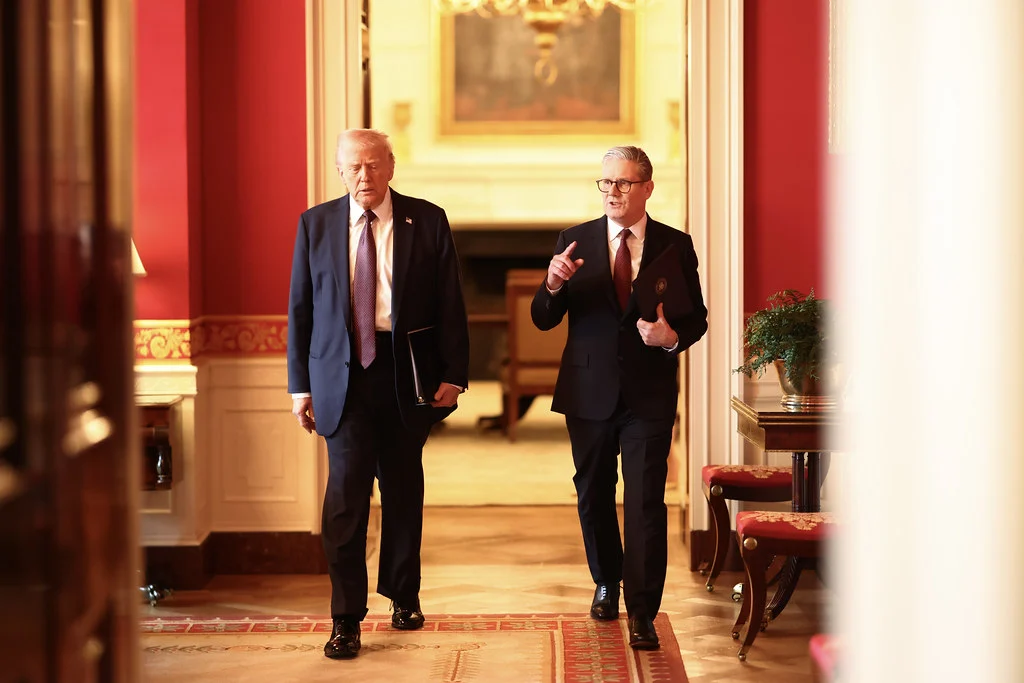
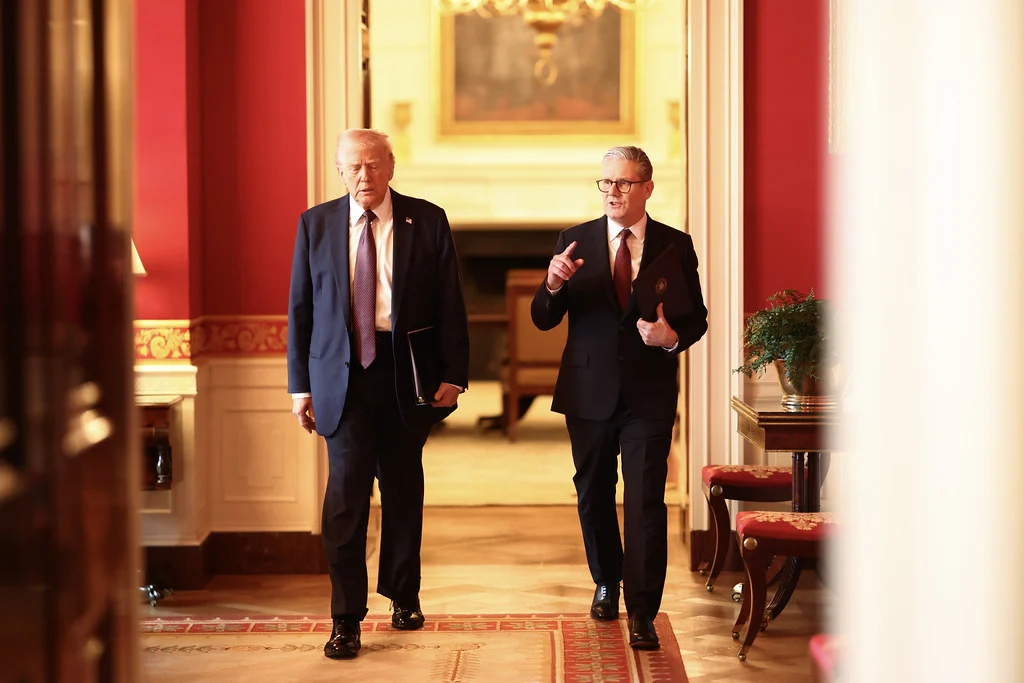
While the human reality remains the most pressing concern, the geopolitical fallout has exposed a widening rift between London and Washington. The United States’ posture—characterized by a blend of military assertiveness and economic nationalism—has placed the UK in a precarious position. Historically, the "Special Relationship" ensured a synchronization of interests; however, the current administration in Washington has displayed an increasingly erratic approach to alliances and a marked indifference toward international institutions like the United Nations and the World Trade Organization (WTO).
A Chronology of Economic Drift: 1980–2026
To understand the current tension, it is necessary to examine the trajectory of the British economy over the last forty years. Since the early 1980s, the UK has steadily moved away from the post-war consensus toward a model heavily influenced by American neoliberalism. This shift was characterized by several key pillars:
- Financial Deregulation: The "Big Bang" of 1986 set the stage for the City of London to become a global hub for high-finance, often at the expense of the manufacturing sector.
- Weakening of Organized Labor: Legislative changes throughout the 1980s and 1990s significantly reduced the power of trade unions, leading to one of the lowest rates of collective bargaining in Western Europe.
- Privatization of Public Services: From energy and water to transportation and elements of healthcare, the UK pursued an aggressive policy of transferring state assets to the private sector.
- Technological Dependency: The British digital economy became dominated by American platforms, with Silicon Valley firms controlling the vast majority of data infrastructure and digital advertising markets.
- Defense Integration: UK defense policy became inextricably linked to American hardware and strategic priorities, a dependency that is now being tested by the volatility of the Iranian conflict.
This trajectory was accelerated by the post-Brexit strategy, which many critics describe as a "gamble on the Anglosphere." The assumption was that leaving the European Single Market would be compensated for by deeper integration with the United States and other English-speaking nations. However, as the U.S. shifts toward "America First" industrial policies, such as the Inflation Reduction Act and the CHIPS Act, the UK finds itself caught between a protectionist America and a regulated Europe.
Supporting Data: The Inequality Gap
The argument for reorienting the British economy is often rooted in the stark disparity in social outcomes between the UK and its northern European neighbors. According to data from the OECD and the World Bank, the United Kingdom consistently exhibits higher levels of income inequality than many of the countries it could potentially align with more closely.
| Country | Gini Coefficient (Lower is more equal) | Union Density (%) | Poverty Rate (%) |
|---|---|---|---|
| United Kingdom | 0.351 | 23.5 | 11.7 |
| Germany | 0.296 | 16.3 | 10.4 |
| Norway | 0.263 | 50.4 | 8.2 |
| Denmark | 0.275 | 67.0 | 6.5 |
| Netherlands | 0.281 | 15.4 | 8.3 |
(Note: Data based on 2024-2025 estimates preceding the current crisis)
The "Nordic Model" and the German "Social Market Economy" prioritize stronger labor rights, more regulated financial sectors, and broader worker ownership. These structures are designed to intentionally address concentrations of wealth and power. In contrast, the UK model has seen the top 1% of earners capture an increasing share of national income, while real wages for the bottom 50% have remained largely stagnant for nearly two decades.
The Influence of Concentrated Wealth
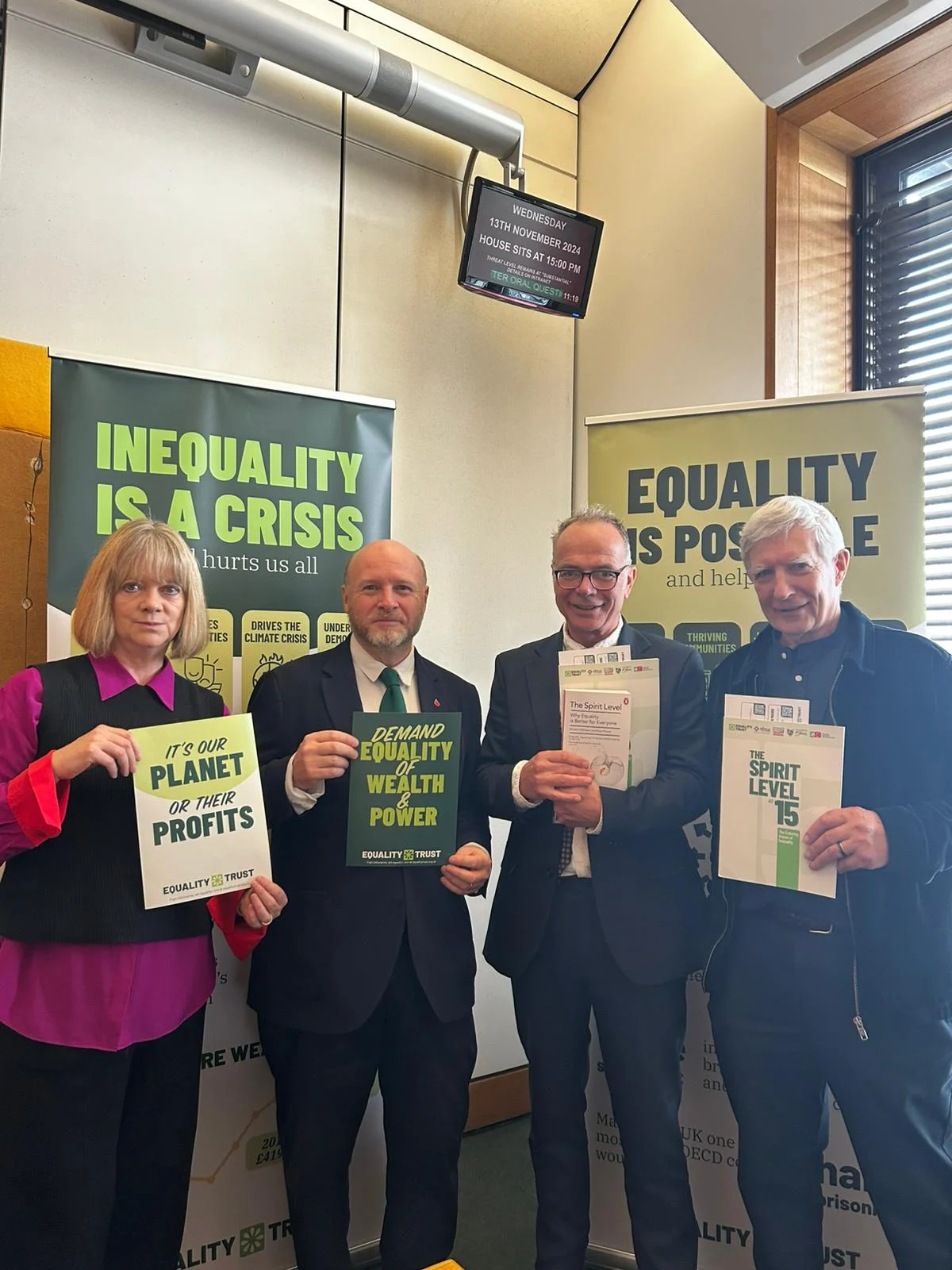
A significant factor in Britain’s adherence to the American model is the influence of extreme wealth on the political process. A recent briefing by the Equality Trust, titled Money, Media and the Lords: How the Ultra-wealthy are Shaping Britain, highlights a feedback loop between concentrated corporate power and legislative influence.
The report notes that a significant number of peers in the House of Lords hold directorships or substantial shareholdings in industries that benefit from deregulation. Furthermore, the UK’s media landscape is largely owned by a handful of billionaires, many of whom reside outside the country for tax purposes. This concentration of power creates a barrier to reform, as policy changes that would favor the broader public often run counter to the interests of the political and financial elite.
Oligopolies in the energy and grocery sectors have also been identified as drivers of "greedflation," where corporate margins expand even as consumers struggle with a cost-of-living crisis exacerbated by the war in Iran. These market structures extract value from the domestic economy and often funnel profits to overseas shareholders rather than reinvesting in UK infrastructure.
Official Responses and Political Reactions
The reaction to this proposed "economic pivot" has been polarized across the British political spectrum.
- The Treasury: Sources within the Treasury suggest that while there is an acknowledgment of the risks associated with U.S. volatility, there is a deep-seated fear of "frightening the markets." Any move toward higher regulation or increased labor power is viewed by some officials as a threat to the UK’s status as a "pro-business" environment.
- The Opposition: High-ranking members of the opposition have begun to cautiously embrace the language of "strategic autonomy." There is growing support for an industrial strategy that mirrors the European approach, focusing on green energy and domestic manufacturing.
- Business Leaders: The Confederation of British Industry (CBI) has expressed concern over the "erratic" nature of current U.S. trade policy. While they remain wary of "Nordic-style" taxation, there is an increasing desire for the stability and predictability offered by closer alignment with the European Union’s regulatory framework.
- Labor Advocates: Trade unions and advocacy groups like the Equality Trust are calling for a "Community Wealth Building" strategy. This approach, pioneered in cities like Preston, focuses on keeping wealth within local economies by utilizing the procurement power of "anchor institutions" like hospitals and universities.
Toward a More Independent and Equitable Economy
If Britain is to break its dependence on the American model and navigate the fallout of the Iranian conflict, experts suggest several key policy shifts are required:
1. Domestic Industrial Investment
Rather than relying on overseas contractors for major infrastructure and defense projects, the UK must build domestic capacity. This would involve state-backed investment in regions that have been "left behind" by the financialization of the economy, ensuring that the benefits of industrial growth are geographically distributed.
2. Technology Infrastructure
To counter the dominance of Silicon Valley, the UK needs to invest in sovereign digital infrastructure. This includes data centers, cloud services, and AI research that prioritize UK public interest and data privacy, ensuring that the value generated by British data remains within the country.
3. Financial Regulation for the Productive Economy
The UK’s financial sector currently favors speculative markets over long-term investment in the "real" economy. Reforms could include the creation of regional development banks and stricter regulations on share buybacks, encouraging firms to invest in innovation and workforce development instead.
4. Competition Policy with Teeth
To dismantle the oligopolies that currently dominate the UK market, the Competition and Markets Authority (CMA) would require expanded powers. This includes the ability to more aggressively block mergers that concentrate market power and to break up firms that exercise undue influence over economic policy.
Broader Impact and Implications
The war in Iran has served as a "stress test" for the UK’s current economic and diplomatic arrangements. The results of this test suggest that the reliance on a volatile and increasingly nationalistic United States may no longer be a viable long-term strategy for a medium-sized power like Britain.
The choice facing the UK is not merely about trade partners; it is about the social contract. Moving toward a northern European model would necessitate a fundamental shift in how the country views the relationship between the state, the market, and the individual. It would require a commitment to lowering inequality, not just as a moral imperative, but as a prerequisite for national resilience.
As the conflict in the Middle East continues to reshape global alliances, the UK’s decision will have long-lasting implications. Choosing to remain on the current path may preserve the status of a small group of elites, but it risks further domestic instability and economic stagnation for the majority. Conversely, seizing this moment to build a more independent, equitable, and strategically autonomous economy could define Britain’s role in the 21st century. The humanitarian tragedy in Iran is a reminder that the world is changing rapidly; the question remains whether Britain’s economic model can change with it.