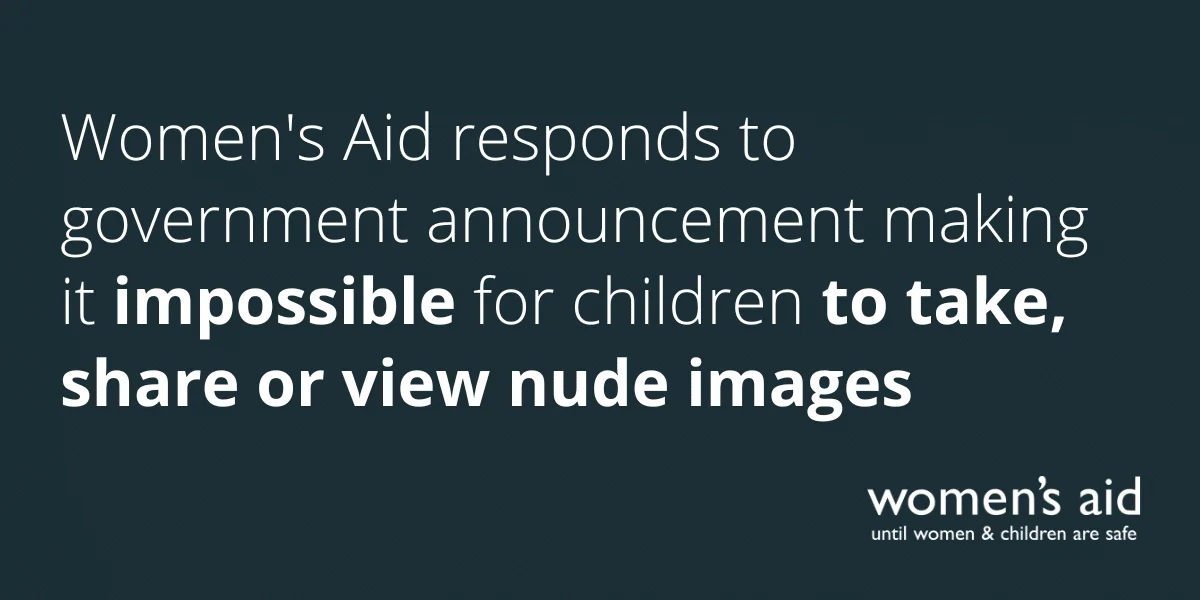
Farah Nazeer, Chief Executive of Women’s Aid, has issued a stark warning regarding the pervasive and criminal issue of child image sharing, underscoring the urgent need for technology companies to be held to account. Her comments highlight a disturbing reality where, despite explicit legal prohibitions, the sharing of explicit images among children and young people remains prevalent, often driven by coercion and pressure. This form of abuse, Nazeer asserts, is as damaging as any other form of violence against women and children, demanding immediate and robust action from digital platforms to safeguard their most vulnerable users.
The gravity of Nazeer’s statement resonates deeply within the ongoing discourse surrounding online child safety. The creation and dissemination of explicit images of a child constitute a severe criminal offence in numerous jurisdictions globally, including the United Kingdom. Yet, the digital landscape continues to present formidable challenges to enforcement, with many young individuals reporting feeling compelled or threatened into sharing intimate images of themselves. This coercive dynamic transforms what might appear to be "peer-to-peer" sharing into a clear case of exploitation, often with devastating psychological and emotional repercussions for the victims. Women’s Aid’s stance is unequivocal: no child should ever be subjected to coercive control or pressure to share intimate images, and any measure designed to impede such acts is welcomed as a critical step forward in protecting young lives from digital predators and harmful social pressures.
The Pervasive Threat of Coerced Image Sharing
The phenomenon of non-consensual image sharing, often termed "revenge porn" when involving adults, takes on a particularly sinister dimension when applied to minors. Within the context of children and young people, it frequently intersects with grooming, bullying, and various forms of online exploitation. Statistics from organisations like the National Society for the Prevention of Cruelty to Children (NSPCC) and the Child Exploitation and Online Protection Centre (CEOP) consistently reveal a concerning trend in the volume of reports related to child sexual abuse material (CSAM) and instances where children are pressured into creating or sharing explicit content. For example, CEOP’s annual threat assessment reports have repeatedly highlighted that a significant proportion of online child sexual abuse involves peer-on-peer abuse, often initiated through social media platforms or messaging apps where perpetrators exploit existing relationships or vulnerabilities.
The "coercive control" aspect identified by Farah Nazeer is critical. This is not merely about children making poor choices; it often involves sophisticated manipulation tactics. Perpetrators, who can be peers, older adolescents, or adults masquerading as young people, employ emotional blackmail, threats of exposure, or demands for further images, creating a cycle of fear and compliance. This insidious form of control can leave young victims feeling trapped, isolated, and powerless, exacerbating the trauma associated with the image sharing itself. The digital environment, with its perceived anonymity and rapid dissemination capabilities, provides fertile ground for such coercive dynamics to flourish, making the act of sharing an image a gateway to ongoing abuse and psychological distress.
Legal Frameworks and Enforcement Challenges
In the United Kingdom, the legal framework addressing child sexual abuse material is robust, criminalising the creation, possession, and distribution of such images. Key legislation includes the Protection of Children Act 1978 (though largely superseded by later acts), the Sexual Offences Act 2003, and subsequent amendments aimed at keeping pace with technological advancements. The Sexual Offences Act 2003, in particular, introduced comprehensive provisions to tackle various forms of sexual offending, including those facilitated by the internet. More recently, the Online Safety Act 2023 represents a landmark legislative effort designed to impose a duty of care on technology companies to protect users, especially children, from illegal and harmful content.
Despite these legislative efforts, enforcement remains a complex challenge. The sheer volume of content shared online daily, coupled with the global nature of the internet, complicates detection and prosecution. Encryption, while vital for privacy, also presents a significant hurdle for law enforcement attempting to access evidence in cases of child sexual abuse. Furthermore, the transient nature of many online interactions means that evidence can be deleted quickly, requiring rapid response from platforms and law enforcement agencies. The onus, therefore, increasingly falls on technology companies to implement proactive measures, not just reactive ones, to identify and mitigate risks on their platforms.
A Growing Digital Crisis: Statistical Insights
The scale of the problem underscores the urgency of Women’s Aid’s call. Data from organisations like the Internet Watch Foundation (IWF) consistently show hundreds of thousands of URLs containing child sexual abuse material being reported and processed annually. While not all of these relate to coerced peer-on-peer sharing, the overall increase in CSAM online reflects a broader environment where child exploitation thrives. A 2021 report by the National Center for Missing and Exploited Children (NCMEC) in the US, which processes reports from tech companies worldwide, indicated a staggering number of reports of suspected child sexual abuse, demonstrating the global nature and immense scale of the issue.
Specific to coerced image sharing among minors, surveys by organisations like Barnardo’s and the UK Safer Internet Centre have revealed that a significant percentage of young people have either been asked to share explicit images or have felt pressured to do so. These figures, while varying slightly across studies, consistently point to a problem that affects a substantial minority of the youth population. The pervasive nature of social media and instant messaging apps means that these pressures are ever-present, blurring the lines between private communication and potential exploitation. The digital world, while offering connectivity, has also opened new avenues for abuse that were unimaginable a generation ago.
Chronology of Digital Safety and Policy
The journey towards digital child safety has been a reactive one, constantly playing catch-up with technological innovation.
- Early 2000s: With the rise of the internet, initial concerns focused on child pornography websites and predators using chat rooms. This period saw the establishment of organisations like CEOP (2006) in the UK and a greater emphasis on blocking illegal content.
- Late 2000s – Early 2010s: The explosion of social media platforms (MySpace, Facebook, Twitter) introduced new challenges, including cyberbullying, online grooming, and the rapid sharing of content. Legislation began to adapt to these new modalities, though often slowly.
- Mid-2010s: The widespread adoption of smartphones and encrypted messaging apps (WhatsApp, Snapchat) further complicated matters. The transient nature of content on platforms like Snapchat, initially seen as a privacy feature, was quickly exploited for image-based abuse. Public awareness campaigns around "sexting" and its legal implications for minors gained traction.
- Late 2010s – Present: Growing recognition of the role of "big tech" in facilitating harm led to increased calls for accountability. Reports from parliamentary committees and NGOs highlighted the inadequacy of self-regulation. This culminated in the drafting and eventual passage of the Online Safety Act in the UK, a pioneering piece of legislation globally, aimed at imposing a legal duty of care on platforms. The debate also intensified around balancing user privacy (e.g., end-to-end encryption) with child safety.
Voices from the Frontline: Stakeholder Reactions
Farah Nazeer’s powerful statement from Women’s Aid echoes similar sentiments from a broad coalition of child protection agencies, law enforcement, and government bodies.
- Law Enforcement (e.g., CEOP/National Crime Agency): Agencies like CEOP frequently highlight the increasing volume and complexity of online child abuse cases. A spokesperson for CEOP would likely reiterate the commitment to pursuing offenders and protecting children, emphasising the need for a multi-agency approach that includes robust reporting mechanisms from tech companies. They often stress that prevention through education is as crucial as enforcement.
- Government (e.g., Home Office/DCMS): Government departments responsible for online safety and digital policy consistently affirm their commitment to making the UK the safest place in the world to be online. Officials would point to the Online Safety Act as a testament to this commitment, asserting that the new legislation provides the necessary regulatory teeth to compel technology companies to act. They often acknowledge the global nature of the problem and the need for international cooperation.
- Other Child Safety Organisations (e.g., NSPCC, Internet Watch Foundation): These organisations frequently provide the data and case studies that underpin the urgency of the issue. They would likely reinforce Women’s Aid’s call for greater tech accountability, advocating for proactive content moderation, effective age verification, and robust reporting tools. They also stress the vital importance of support services for victims and comprehensive digital literacy education for children, parents, and educators. They often highlight the long-term psychological impact on victims and the need for trauma-informed support.
- Technology Companies (General/Inferred): While often facing criticism, major tech platforms typically issue statements affirming their commitment to child safety. They highlight investments in AI and machine learning for detecting CSAM, dedicated trust and safety teams, and collaboration with law enforcement. They often point to the vast scale of content moderated daily and the continuous efforts to refine safety features and policies. However, they also often raise concerns about the practicalities of implementation, the nuances of different content types, and the challenges posed by encrypted communications.
The Role and Responsibility of Technology Companies
At the heart of Women’s Aid’s critique is the imperative to hold technology companies to account. These platforms are not merely conduits; they are environments designed with specific features that can, inadvertently or otherwise, facilitate harmful interactions. The sheer scale of their user base, particularly among children and young people, means they bear a significant responsibility.
Historically, tech companies have been criticised for a reactive approach, often only addressing issues once they have escalated or garnered significant media attention. However, there has been a noticeable shift, partly driven by public pressure, advocacy groups, and impending legislation. Many platforms now employ sophisticated AI tools to detect and remove CSAM proactively, often before it is even reported by a user. They also maintain reporting mechanisms and collaborate with organisations like NCMEC to share intelligence and facilitate law enforcement action.
Despite these efforts, gaps remain. The design of certain features, such as ephemeral messaging or private groups, can be exploited. Age verification remains a significant challenge, with many children easily circumventing existing measures to access age-restricted content or platforms. The debate around end-to-end encryption is particularly contentious; while protecting privacy, it also creates "dark spaces" where child abuse can occur undetected by platform providers. Women’s Aid’s call for accountability implies a need for companies to move beyond simply removing illegal content and instead to proactively design their platforms with child safety as a foundational principle, employing safety-by-design methodologies. This includes robust age assurance, proactive risk assessments for new features, and transparent reporting on their efforts and challenges.
The Human Cost: Impact on Young Victims
The impact of coerced image sharing on children and young people is profound and multifaceted. Victims often experience severe psychological trauma, including anxiety, depression, shame, guilt, and a profound sense of betrayal. Their trust in peers, adults, and the online world can be shattered. The fear of images circulating widely, coupled with the potential for legal repercussions (even if they are victims), can lead to social isolation and self-harm ideation. Academic performance can suffer, and long-term mental health issues are a significant concern.
The permanence of digital content means that even if images are removed from one platform, they can resurface elsewhere, leading to re-victimisation and an enduring sense of vulnerability. For young people navigating critical developmental stages, such experiences can severely impede their sense of self-worth, body image, and ability to form healthy relationships in the future. Support services for these victims are therefore crucial, offering not just emotional and psychological aid but also practical guidance on reporting, content removal, and legal protections.
Beyond Legislation: A Holistic Approach to Online Safety
While legislation like the Online Safety Act is a vital step, protecting children online requires a multi-pronged, holistic approach that extends beyond legal frameworks and tech company responsibilities.
- Digital Literacy and Education: Equipping children, parents, and educators with the knowledge and skills to navigate the online world safely is paramount. This includes understanding privacy settings, recognising grooming tactics, the legal implications of sharing explicit images, and knowing where to seek help.
- Parental Engagement: Parents need to be empowered with tools and information to engage constructively with their children about online risks, monitor their digital activities appropriately, and foster an open environment where children feel comfortable disclosing problems.
- Community Support: Schools, youth organisations, and community groups play a crucial role in fostering positive online behaviours and providing safe spaces for discussion and support.
- International Cooperation: Given the global nature of the internet, cross-border collaboration between law enforcement agencies, governments, and tech companies is essential to tackle online child exploitation effectively.
The Path Forward: Accountability and Innovation
Farah Nazeer’s statement serves as a potent reminder that the fight against child image sharing and online coercion is far from over. It underscores a critical juncture where technological advancement must be matched by ethical responsibility and robust accountability. The future of digital safety for children hinges on a collective commitment from governments, law enforcement, civil society organisations, and crucially, the technology companies themselves.
This commitment must translate into concrete actions: proactive safety-by-design principles in platform development, transparent and effective reporting mechanisms, significant investment in AI and human moderation, robust age assurance measures, and a willingness to collaborate openly with external experts and regulatory bodies. The goal is not merely to react to harm after it has occurred, but to proactively cultivate digital environments where children are inherently safe, empowered, and protected from the insidious pressures and coercive tactics that currently plague their online lives. Only through such concerted and unwavering effort can the digital promise of connection and information be realised without compromising the safety and wellbeing of the youngest and most vulnerable users.