The Government of Mozambique’s National Youth Institute has officially designated World Education, an initiative of JSI Research & Training Institute, Inc., as the lead partner for the Eu Sou Capaz (I Am Capable) Technical Assistance and Training Activity. This high-priority initiative, funded through the World Bank, represents a cornerstone of the broader Empowering Adolescent Girls to Earn and Read (EAGER) strategic vision, a multi-national effort currently being implemented across Mozambique, Zimbabwe, and Madagascar. The award signals a significant shift toward institutionalizing social and behavioral interventions within the Mozambican government’s framework to address the complex web of factors—ranging from economic hardship to deep-seated cultural norms—that contribute to high school dropout rates among adolescent girls. By providing technical expertise to the National Youth Institute, World Education aims to refine and scale existing interventions, ensuring that the promise of education translates into tangible life outcomes for millions of young women.
Strategic Framework and Core Objectives
The Eu Sou Capaz project is designed to tackle the systemic barriers that prevent girls from completing their education. In Mozambique, the transition from primary to secondary school remains a precarious period for female students. The program’s technical assistance component focuses on two primary pillars: enhancing the capacity of the National Youth Institute to manage large-scale social programs and implementing data-driven strategies to keep girls in the classroom. Unlike traditional aid models that focus solely on infrastructure or enrollment numbers, this activity prioritizes the "invisible barriers" that often disrupt a girl’s educational journey.
World Education’s role involves the integration of social and behavior change (SBC) strategies with human-centered design (HCD). This methodology ensures that the solutions developed are not only theoretically sound but are also grounded in the lived realities of the communities they serve. By focusing on the specific needs of adolescent girls, the program seeks to redesign educational support systems to be more responsive to the challenges of poverty, gender-based violence, and the domestic expectations placed on young women.
Socio-Economic Context and the EAGER Vision
The urgency of the Eu Sou Capaz initiative is underscored by the current educational landscape in Mozambique. According to World Bank data, while primary school enrollment has seen significant increases over the past decade, secondary school completion rates for girls remain alarmingly low. Mozambique faces one of the highest rates of child marriage in the world, with approximately 48% of girls married before the age of 18. These early unions, often coupled with teenage pregnancy, are primary drivers of school attrition.
The EAGER strategic vision, of which this activity is a part, was launched to address these regional challenges across East and Southern Africa. With a combined investment exceeding $250 million across multiple nations, the World Bank’s EAGER program aims to foster economic empowerment by ensuring girls are both literate and equipped with marketable skills. In Mozambique, the Eu Sou Capaz project serves as the operational arm of this vision, focusing on the intersection of education and social protection. The program provides not only academic support but also material assistance—such as school uniforms and bicycles—to reduce the financial and logistical burdens of attending school.
Methodology: Human-Centered Design and Community Mobilization
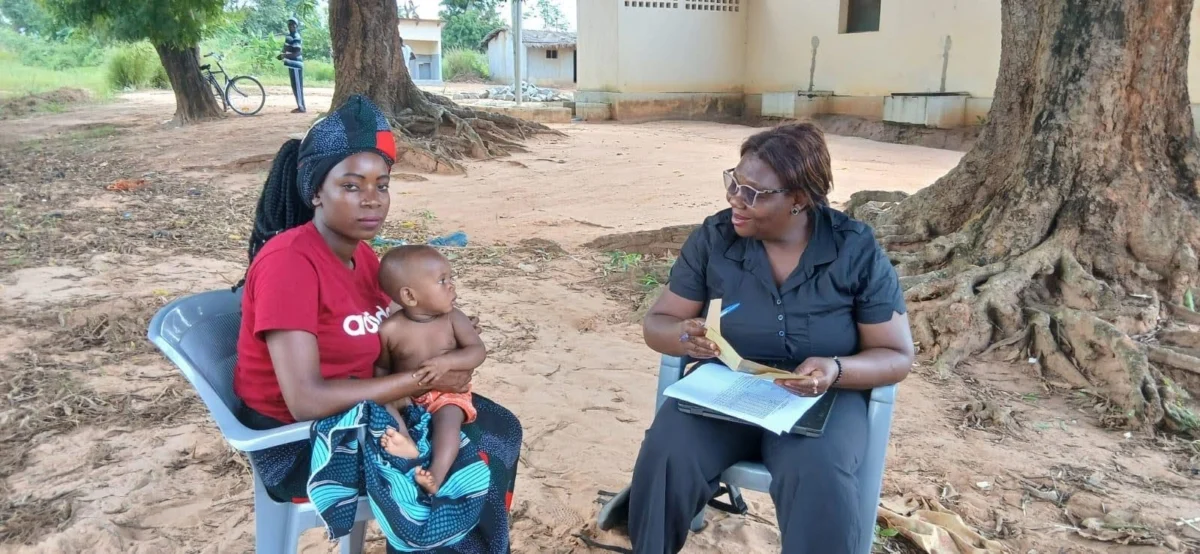
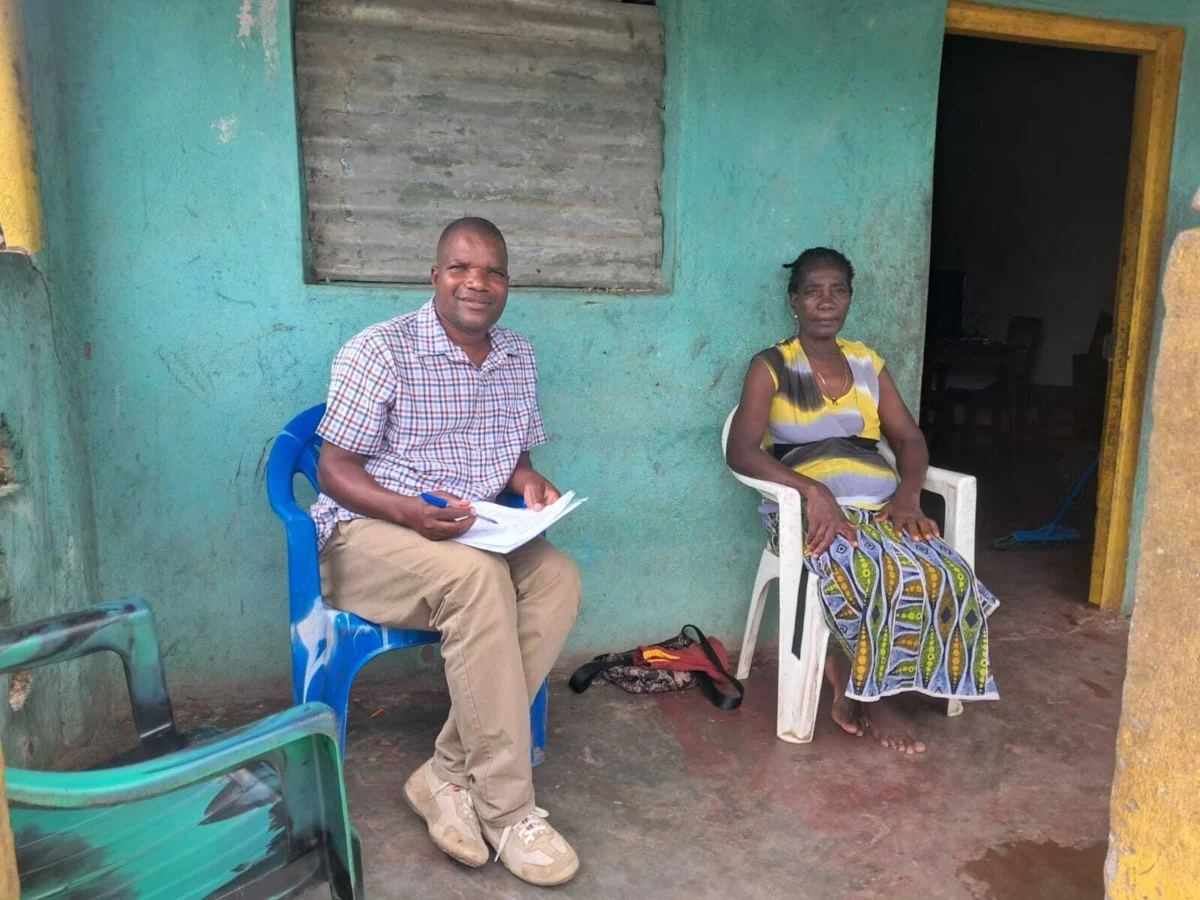
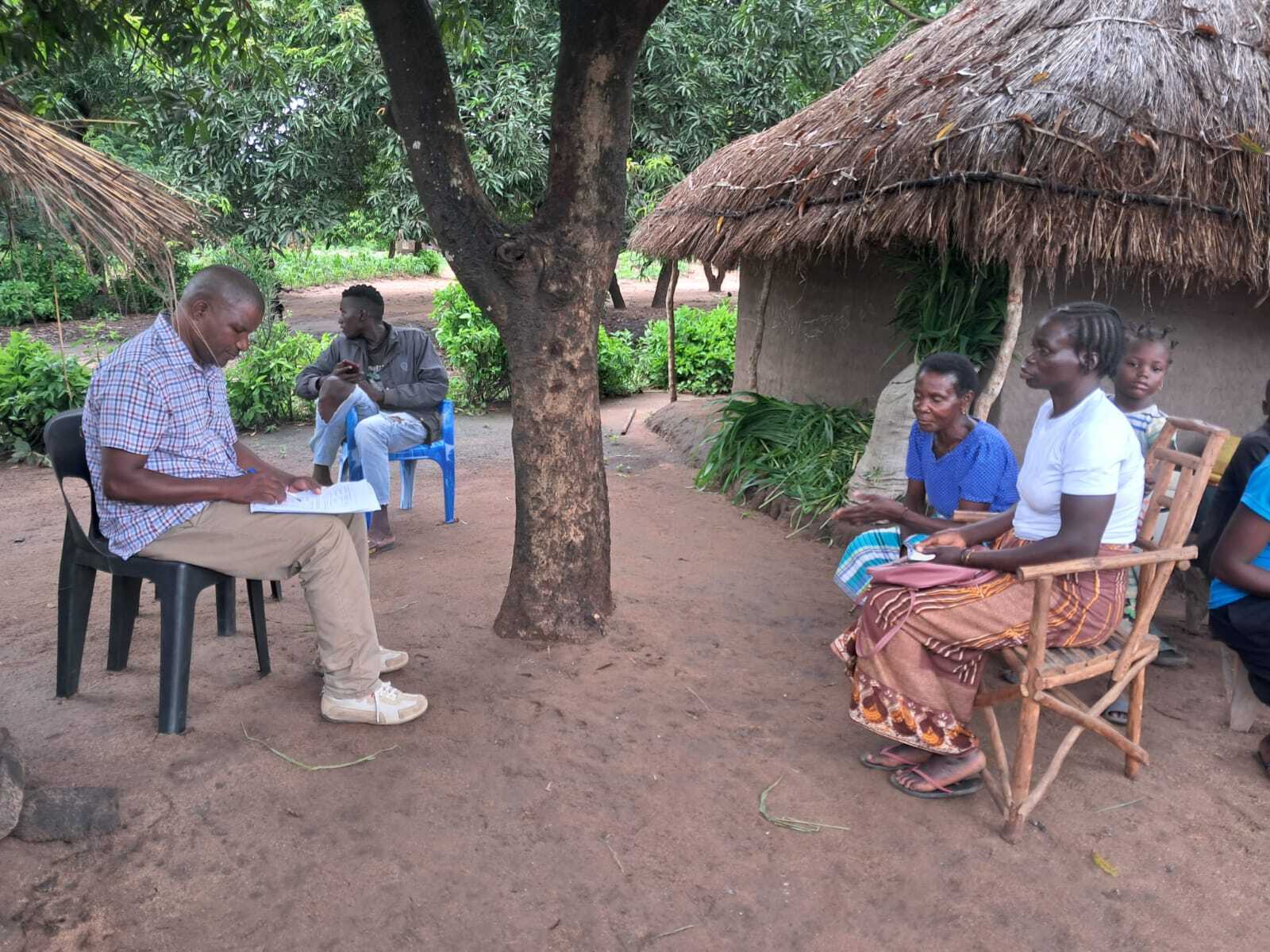
At the heart of World Education’s approach is the use of the Community Leader Mapping Tool, a pilot program recently conducted in the Sofala province. During this pilot, specialists like Alberto Domingos engaged in intensive one-on-one interviews with community leaders to identify local influencers who can champion girls’ education. This grassroots approach recognizes that government mandates alone cannot change cultural perceptions; rather, change must be facilitated by trusted local voices.
By utilizing human-centered design, World Education and the National Youth Institute are mapping the "touchpoints" where a girl is most likely to drop out. These include the long distances to schools, which increase the risk of gender-based violence, and the lack of menstrual hygiene facilities, which often leads to chronic absenteeism. The Eu Sou Capaz model addresses these through a combination of life-skills education and community-wide sensitization campaigns. These campaigns are designed to challenge harmful socio-cultural norms, such as the preference for investing in a son’s education over a daughter’s, or the acceptance of "initiation rites" that may lead to early sexual activity and pregnancy.
Historical Context and Regional Expertise
World Education’s selection for this activity is rooted in its 15-year history of delivering impactful educational programs in Southern Africa. The organization has a proven track record of scaling interventions that bridge the gap between community needs and national policy. In Zimbabwe and Madagascar, World Education has successfully implemented similar "second chance" education programs and economic strengthening initiatives for vulnerable households.
The organization’s data-driven expertise allows for a "continuous feedback loop" where program outcomes are monitored in real-time, allowing for rapid adjustments. This experience is vital for the National Youth Institute as it seeks to transform Eu Sou Capaz from a pilot project into a sustainable, nationally scalable government program. The technical assistance provided will focus on strengthening the government’s internal monitoring and evaluation (M&E) systems, ensuring that every dollar of World Bank funding is utilized effectively to improve student retention and achievement.
Official Responses and Leadership Vision
Obert Darara, World Education’s Country Lead in Mozambique for JSI, emphasized that the project’s success depends on looking beyond simple access to schooling. "Eu Sou Capaz is about more than access—it is about removing the invisible barriers that stop girls from thriving," Darara stated. He highlighted that by integrating social and behavior change with human-centered design, the initiative is supporting the National Youth Institute to "redesign systems around girls’ realities." The ultimate goal, according to Darara, is to ensure that enrollment is not the end of the journey but a pathway to genuine achievement and economic independence.
Representatives from the National Youth Institute have echoed this sentiment, noting that the partnership with World Education brings a level of technical rigor that is essential for long-term success. The government’s commitment to the Eu Sou Capaz model reflects a growing recognition that investing in adolescent girls is one of the most effective ways to break the cycle of intergenerational poverty. By empowering girls to stay in school, the government is essentially investing in the future productivity and health of the nation’s workforce.
Supporting Data and Predicted Impact
The potential impact of the Eu Sou Capaz Technical Assistance and Training Activity is substantial. Projections suggest that by addressing the root causes of dropout, the program could contribute to a 15-20% increase in secondary school completion rates in target districts over the next five years. Furthermore, by providing life-skills training—which includes financial literacy and reproductive health education—the program aims to delay the age of first marriage and first pregnancy, which are key indicators of long-term economic stability for women.
Data from previous World Education initiatives in the region shows that when material support (like bicycles) is combined with community-led advocacy, the likelihood of a girl remaining in school increases by nearly 40%. The Eu Sou Capaz activity will leverage these findings to optimize the distribution of resources and the training of mentors who provide psychosocial support to students at risk of leaving the education system.
Implications for National Development and Global Goals
The success of the Eu Sou Capaz activity carries implications that extend far beyond the education sector. It aligns directly with the United Nations Sustainable Development Goals (SDGs), particularly SDG 4 (Quality Education) and SDG 5 (Gender Equality). By strengthening the capacity of the National Youth Institute, the project ensures that Mozambique is better positioned to meet its international commitments regarding women’s rights and human development.
Moreover, the focus on technical assistance and training signifies a move toward local ownership. Rather than creating a parallel system of aid, World Education is working within the existing structures of the Mozambican government. This approach ensures that once the period of World Bank funding concludes, the National Youth Institute will have the tools, data, and expertise to continue the program independently.
As the pilot programs move toward full-scale implementation, the lessons learned in provinces like Sofala will provide a blueprint for other nations in the region. The Eu Sou Capaz model demonstrates that through a combination of government leadership, international technical expertise, and community-level engagement, the barriers to girls’ education can be systematically dismantled, paving the way for a more equitable and prosperous future for all Mozambicans.