The ongoing military conflict in Iran has transcended regional instability to become a profound human catastrophe, marked by significant loss of life, the displacement of millions, and the systemic destruction of civilian infrastructure. As of March 24, 2026, the humanitarian toll has reached levels that international observers describe as unprecedented in the modern era. However, beyond the immediate tragedy, the war—and specifically the unilateral nature of the United States’ involvement—is serving as a catalyst for a fundamental reappraisal of British foreign and economic policy. For the United Kingdom, the crisis in the Middle East has exposed the vulnerabilities of its long-standing reliance on the American economic and strategic model, prompting a national debate on whether to maintain its current trajectory or pivot toward a more autonomous, European-aligned framework.
The Humanitarian Crisis and the Catalyst for Change
The war in Iran has entered a phase of protracted urban combat, leading to a surge in civilian casualties and a breakdown in essential services. International aid agencies report that the destruction of power grids and water treatment facilities has left millions without basic necessities. While the human reality remains the most urgent concern, geopolitical analysts suggest that this conflict represents a "moment of clarity" for the British government.
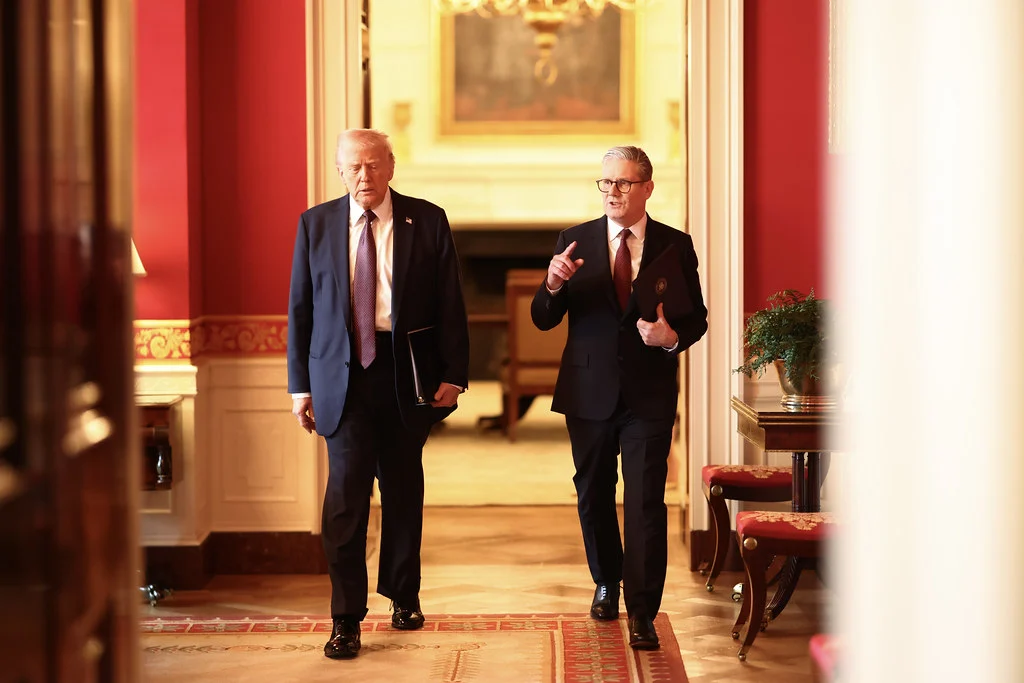
For decades, the United Kingdom has deferred a critical question regarding its national identity: which model of capitalism should define its future? The American posture during this conflict—characterized by an erratic approach to alliances and a prioritization of domestic economic nationalism—has forced British policymakers to confront the risks of their "special relationship." The reliance on Washington, which was intensified by the post-Brexit gamble on the "Anglosphere," is now being scrutinized as the US increasingly moves toward protectionism and unilateralism.
A Chronology of Economic Alignment: 1980–2026
The current British economic landscape is the result of a forty-year drift toward the Washington consensus. This evolution can be traced through several key phases:
- The 1980s Deregulation: The "Big Bang" of 1986 transformed the City of London into a global financial hub, mirroring the deregulated environment of Wall Street. This era marked the beginning of a shift away from industrial production toward financial services.
- The Erosion of Labor Power: Throughout the 1990s and 2000s, successive governments maintained policies that weakened trade unions, leading to a decline in collective bargaining and a rise in "gig economy" labor models.
- The Privatization Wave: The transfer of public utilities and services—from railways to energy—into private hands often resulted in ownership by large international conglomerates, many of which are backed by American private equity.
- The Post-Brexit Pivot (2016–2024): Following the departure from the European Union, the UK doubled down on its alignment with the US, seeking a comprehensive free trade agreement that prioritized American standards in technology, agriculture, and healthcare.
- The 2026 Iran Crisis: The sudden escalation of hostilities and the subsequent divergence in diplomatic strategies between London and Washington have rendered the "Anglosphere" bet increasingly precarious.
Comparative Economic Models and the Inequality Gap
The choice facing Britain is often framed as a binary between the American model and the Northern European model. Data from the OECD and the World Bank highlight the stark differences in social outcomes between these two approaches.
The United States’ model is characterized by high levels of innovation and capital concentration but also by significant wealth inequality. In contrast, countries such as Germany, the Netherlands, and the Scandinavian states—nations the UK might seek closer alignment with—exhibit much lower Gini coefficients, a standard measure of statistical dispersion representing the income or wealth inequality within a nation.
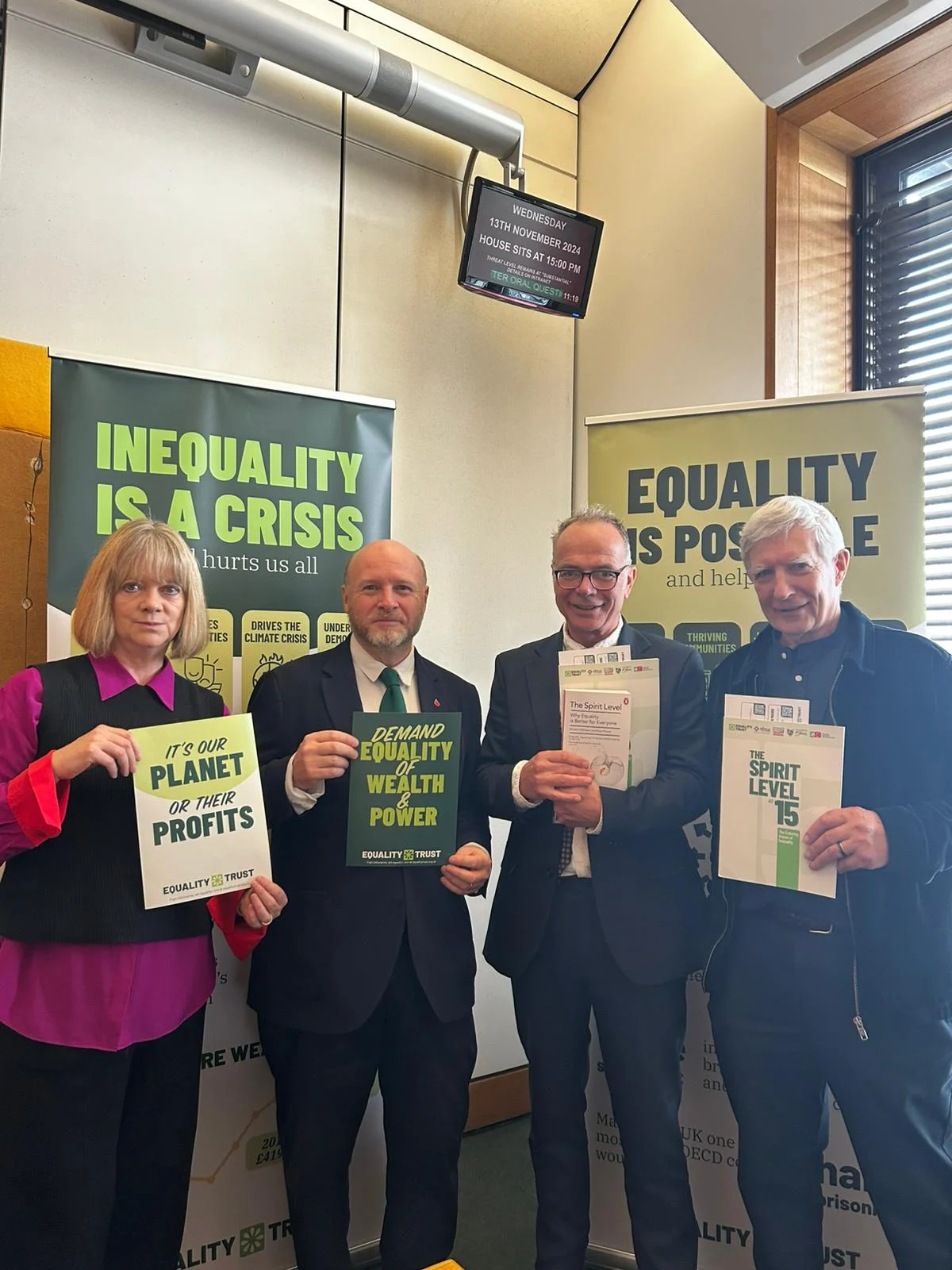
In 2025, the UK’s wealth inequality metrics remained closer to those of the US than its European neighbors. Advocacy groups, including the Equality Trust, have pointed out that Northern European models intentionally address concentrations of power through stronger labor rights, more stringent financial regulation, and broader worker ownership. These structures are designed to ensure that economic growth is distributed more equitably across the population, rather than being captured by a small percentage of high-net-worth individuals.
The Influence of Concentrated Wealth on British Governance
A significant factor in Britain’s adherence to the American model is the increasing influence of extreme wealth on the political process. According to the recent briefing "Money, Media and the Lords: How the Ultra-wealthy are Shaping Britain," the feedback loop between concentrated corporate power and political influence has become a barrier to structural reform.
The report highlights several key areas of concern:
- Oligopolies: The dominance of a few large firms in sectors such as energy, retail, and media reduces competition and allows for value extraction from consumers.
- Lobbying Structures: Sophisticated lobbying efforts often bend regulatory frameworks to favor the interests of the largest market players, making it difficult for small and medium-sized enterprises (SMEs) to compete.
- The House of Lords: The presence of significant political donors within the upper chamber of Parliament has raised questions about the impartiality of the legislative process and the potential for "regulatory capture" by the ultra-wealthy.
Analysts argue that as long as these structures remain in place, any shift in foreign policy will likely benefit existing elites rather than the general public.
Official Responses and Market Reactions
The response from Westminster to the Iranian crisis and its economic implications has been divided. While some members of the Cabinet argue for continued loyalty to the Atlantic alliance to ensure security guarantees, a growing faction within both the government and the opposition is calling for "strategic autonomy."
Market reactions have been volatile. The FTSE 100 saw a sharp decline in the initial weeks of the conflict, particularly among companies with heavy exposure to American tech platforms and defense hardware. Conversely, there has been a notable uptick in investment toward domestic renewable energy and infrastructure, as investors hedge against the instability of international supply chains.
The Confederation of British Industry (CBI) has issued a statement calling for a "clear and stable industrial strategy" that reduces reliance on erratic geopolitical partners. Similarly, trade unions have intensified their calls for a "New Deal for Workers," arguing that the European model of social partnership is the only way to protect British living standards in an increasingly unstable world.
Strategies for an Independent and Equitable Economy
If Britain is to break its dependence on the American model and move toward a more autonomous economic future, experts suggest several key policy shifts:
Community Wealth Building
Moving away from a model that enriches overseas contractors, a national community wealth building strategy would focus on domestic industrial investment. This involves "anchor institutions"—such as hospitals, universities, and local councils—prioritizing local procurement to ensure that wealth circulates within the UK’s regions, particularly those currently described as "left-behind."
Technology Infrastructure and Data Sovereignty
To counter the dominance of Silicon Valley, the UK could invest in its own technology infrastructure. This includes developing domestic cloud services and data platforms that keep the value generated by British consumers and businesses within the country, rather than allowing it to be extracted by American tech giants.
Reforming Financial Regulation
A reorientation would require financial regulation that prioritizes the "productive economy" over speculative markets. This could involve incentivizing banks to lend to manufacturing and green technology sectors rather than focusing on high-frequency trading and property speculation.
Strengthening Competition Policy
To address the concentration of market power, the Competition and Markets Authority (CMA) would need expanded powers to break up oligopolies and prevent the kind of market dominance that allows a handful of corporations to dictate national economic policy.
Broader Impact and Long-term Implications
The decisions made in the wake of the Iran conflict will likely define the United Kingdom for the next generation. The choice is not merely about which country to sign treaties with, but about the very nature of the British state.
One path leads to a continuation of the status quo: an economy that is highly sensitive to the whims of Washington, characterized by significant inequality and a political system heavily influenced by concentrated wealth. The alternative path involves a difficult but potentially rewarding transition toward a more egalitarian, European-style social democracy. This model offers the prospect of greater social cohesion, lower inequality, and a more resilient economy capable of weathering geopolitical shocks.
As the war in Iran continues to reshape the global order, the pressure on the UK to choose a definitive direction is mounting. The human cost of the conflict serves as a somber reminder that geopolitical choices have real-world consequences. For Britain, the moment of hesitation is ending; the requirement for a strategic and economic "re-set" has never been more apparent. Whether the political will exists to move toward a more independent and equitable model remains the central question of British public life in 2026.