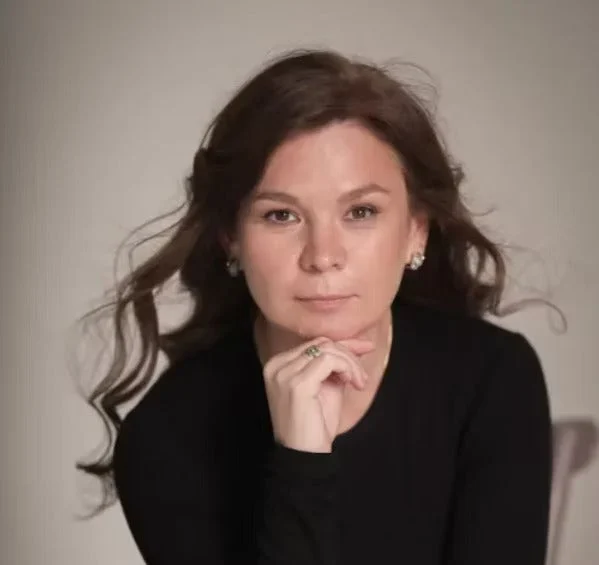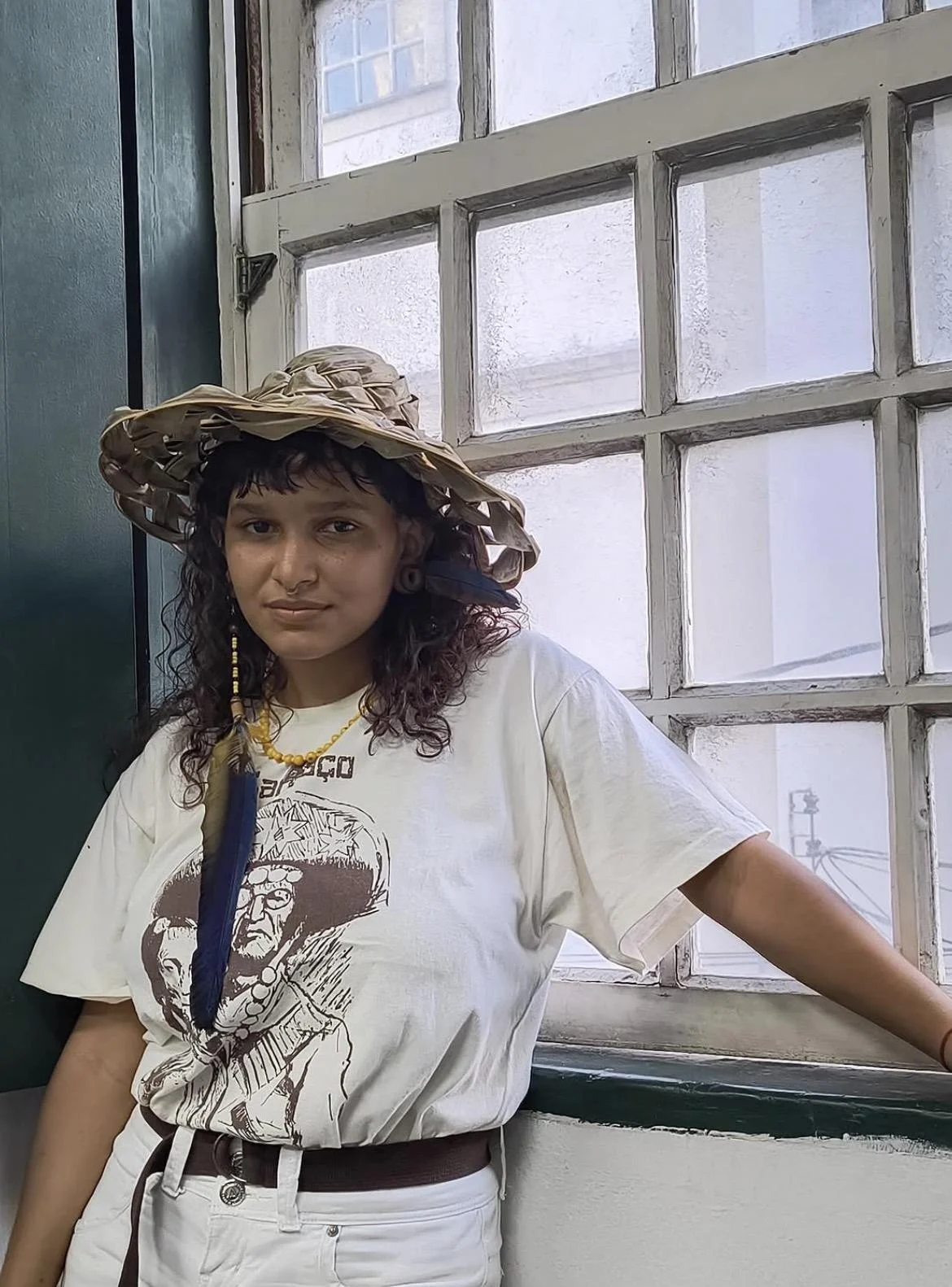
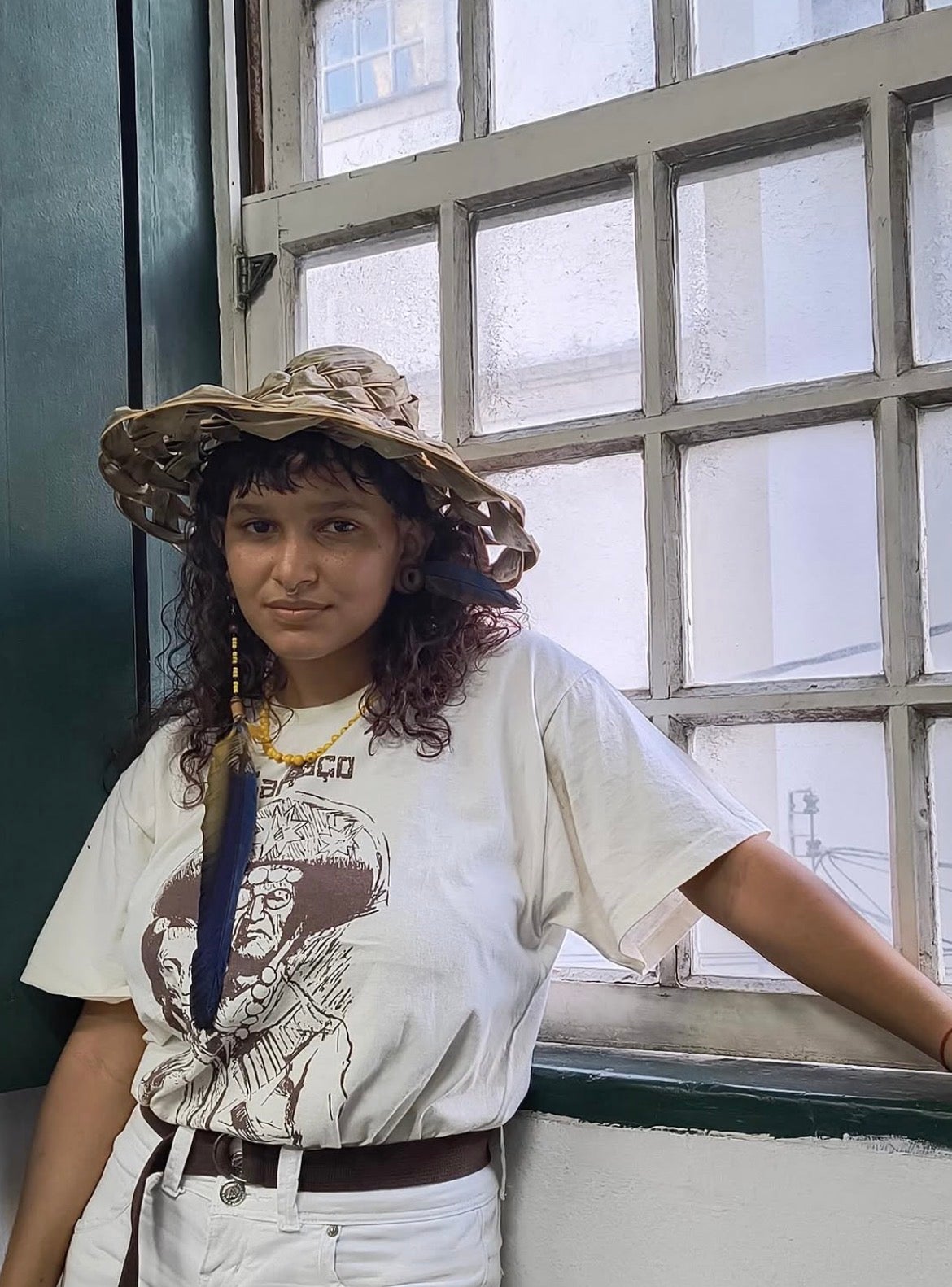
The prevailing narratives surrounding 2SLGBTQ+ identities are predominantly situated within the vibrant, bustling metropolises, often leaving individuals in rural communities to navigate their experiences in relative isolation. This stark contrast between urban visibility and rural solitude forms the backdrop against which Yala, a 25-year-old interdisciplinary creator from Pontalinda in the São Paulo countryside, Brazil, has cultivated a profound resilience. Yala’s work, which encompasses traditional crafts, audiovisual production, and ancestral graphisms, alongside their role as a producer for the groundbreaking Indigenous anime “O Canto da Lua” (The Moon’s Song), utilizes the power of storytelling to foster intergenerational connection and understanding. Refusing to compartmentalize their identity, Yala asserts a right to total belonging, challenging the notion that Indigeneity and queerness are mutually exclusive. For Yala, true resistance is not found in grand urban spectacles, but in the quiet, everyday acts of survival and cultural preservation: the communal gathering of relatives to sing the toré, the diligent protection of ancestral lands, and the crucial reminder to their community that diverse identities are not a threat to traditional paths, but an integral and beautiful facet of who they are. Cultural Survival recently engaged in an in-depth conversation with Yala to explore these vital themes.
The Unique Landscape of Rural 2SLGBTQ+ Indigenous Identity
Cultural Survival: What does it mean to you to live Pride from an Indigenous identity, and how does it differ from more visible or urban 2SLGBTQ+ narratives?
Yala: Growing up in the countryside and always living in the interior, feeling pride in being 2SLGBTQ+ was not always an easy journey. The references and role models I sought out invariably came from beyond my immediate surroundings; they were never found among the people in my daily life. The challenge was amplified when searching for representations of 2SLGBTQ+ Indigenous individuals, a quest that was even more arduous. This scarcity often led to feelings of being perceived as inherently flawed or peculiar, as if my very existence deviated from a perceived norm. The experience of being both Indigenous and 2SLGBTQ+ involves a constant intersection of prejudices. At times, one faces discrimination for their Indigenous heritage, and at other times, for their sexual orientation or gender identity. Over time, I have learned to embrace pride in who I am and where I come from. However, for a significant period, and even in the present day, identifying as 2SLGBTQ+ in a rural interior setting remains a profoundly isolating experience.
The isolation described by Yala is a documented phenomenon. Studies on rural 2SLGBTQ+ populations consistently highlight higher rates of social isolation and limited access to affirming resources compared to their urban counterparts. A 2018 report by the Rural Mental Health Association noted that "rural LGBTQ+ individuals often face unique barriers including geographical distance from support networks, lack of visible LGBTQ+ community centers, and greater prevalence of traditionalist social attitudes." This lack of visible support systems can exacerbate feelings of otherness and impede the development of a robust sense of self.
Visibility, Vulnerability, and the Nuances of Being Seen
CS: Pride is often discussed in terms of visibility, yet visibility can also carry significant risks. How do you navigate the inherent tension between the desire to be seen and the imperative to protect yourself and your community?
Y: For me, the aspiration to be seen is less about external validation from outsiders and more about being authentically recognized by my own community. The pervasive prejudice directed at both 2SLGBTQ+ individuals and Indigenous communities often makes it feel safer to conceal aspects of one’s identity. This concealment is often driven by a desire to shield oneself from harm and, crucially, to prevent any potential repercussions that might negatively impact the broader community. Nevertheless, I firmly believe that remaining hidden is not a sustainable solution. Instead, the path forward lies in demonstrating our existence beyond the confines of prejudice and derogatory remarks. It is about showcasing our capacity to contribute positively and meaningfully to our communities, proving that our identities are not defined by the limitations others impose.
This careful balance between visibility and safety is a recurring theme in the lives of marginalized groups. The desire for recognition is deeply human, yet the historical and ongoing discrimination faced by 2SLGBTQ+ Indigenous peoples necessitates a strategic approach. The risks are manifold, ranging from social ostracism and economic discrimination to physical violence. The "don’t ask, don’t tell" approach, while a survival mechanism, can perpetuate invisibility and hinder progress towards full acceptance.
Cultural Roots and the Understanding of Self
CS: What aspects of your culture, language, spirituality, or territory have helped you understand your gender identity or sexual orientation in a deeper way?
Y: It wasn’t a direct teaching or explicit tenet within my culture that provided me with a clearer understanding of my gender identity and sexual orientation. Rather, it was the process of actively seeking out and connecting with other individuals from my own people who also identify as 2SLGBTQ+. The ability to share experiences, exchange perspectives, and build connections with them has been instrumental in fostering a more profound sense of belonging and self-awareness.
The importance of peer connection and shared experience cannot be overstated. In many Indigenous cultures, traditional knowledge transmission often occurs through oral histories and intergenerational dialogue. When individuals who share marginalized identities can connect, they can begin to collectively reclaim and reinterpret their cultural narratives, often finding previously overlooked or suppressed understandings of gender and sexuality that predate colonial influence.
Deconstructing Colonial Imprints on Identity
CS: What colonial ideas do you believe still influence the way some communities understand gender, sexuality, or diversity?
Y: For an extended period, individuals identifying as trans, lesbian, gay, and bisexual were systematically branded as profane and aberrant, implying an inherent inability to fulfill crucial roles within our communities and cultural frameworks. This prejudice has had a direct and detrimental impact on me. Furthermore, the imposition of gendered binaries for tasks and responsibilities has been a significant source of personal struggle, as it directly contradicts the fluid and diverse realities of human experience.
The impact of coloniality on Indigenous gender and sexual diversity systems is a well-documented historical reality. European colonizers, driven by their own rigid social and religious doctrines, actively suppressed or eradicated pre-existing Indigenous understandings of gender and sexuality that did not conform to Western norms. This suppression led to the erasure of many Indigenous terms and concepts related to gender diversity, often replacing them with derogatory labels or rendering them invisible. This imposition of binary gender roles and heteronormativity has had lasting consequences, contributing to the very prejudices Yala describes.
CS: When you hear the phrase "this didn’t exist before in our cultures," how would you respond from your experience or from the memory of your Peoples?
Y: Coloniality has so profoundly distorted our collective histories that some individuals now believe there is only one legitimate way to exist, a way heavily saturated with the colonizer’s ideology. If one has not witnessed these expressions within our cultures in the past, it is likely because it was simply too perilous for 2SLGBTQ+ Indigenous individuals to reveal themselves authentically. This historical danger is tragically exemplified by the story of Tibira, recognized as the first recorded Indigenous 2SLGBTQ+ person in Brazil to be killed due to homophobia.
The historical record, often silenced or rewritten by colonizers, contains evidence of diverse gender expressions and same-sex relationships within many Indigenous societies prior to European arrival. Anthropological research and Indigenous oral traditions frequently point to the existence of what are often termed "two-spirit" individuals in North American Indigenous cultures, and similar roles and understandings existed in various forms across the Americas. The assertion that these identities are entirely new or foreign is a direct product of colonial erasure and the subsequent imposition of Western binary systems.
The Wounds of Division and the Quest for Wholeness
CS: What wounds are caused by having to choose between belonging to your Indigenous community and belonging to the 2SLGBTQ+ community? Is it possible to inhabit both without fragmenting yourself?
Y: I do not perceive these as separate entities that can be compartmentalized within my being; they are intrinsically interwoven elements that flow together throughout my existence. Nevertheless, there have been instances where I have felt compelled to fragment myself to conform to specific social environments, making a choice about which aspect of my identity was deemed more appropriate for presentation. This is an experience I find deeply dissatisfying. I dislike the necessity of negating a part of myself to embody another. My aspiration is to be accepted and embraced in my entirety.
The necessity of "choosing" an identity is a painful consequence of societal prejudice and the lack of inclusive spaces. This fragmentation can lead to profound psychological distress, a sense of not being fully seen or accepted anywhere. The goal of true inclusivity is to create environments where individuals do not have to suppress or compartmentalize parts of themselves to feel a sense of belonging.
Resistance Beyond the Urban March
CS: What does Indigenous 2SLGBTQ+ resistance look like beyond marches, flags, and institutional spaces?
Y: Resistance for 2SLGBTQ+ Indigenous peoples also manifests profoundly in our daily lives. It is present when we gather with our relatives who share similar identities to practice our cultural traditions, such as singing the toré, engaging in ritual prayers, collectively studying our ancestral languages, actively participating in the care and protection of the land, and, crucially, through open dialogue and the exchange of our life experiences.
This emphasis on everyday acts of cultural preservation and community building highlights a vital aspect of Indigenous resistance. It underscores that resistance is not solely defined by large-scale public demonstrations, but also by the sustained effort to maintain cultural integrity, foster intergenerational connections, and build resilience within the community. These seemingly small acts are the bedrock upon which cultural survival and empowerment are built.
Indigenous Languages: Reclaiming Narratives of Identity
CS: What role do Indigenous languages play in naming identities, affections, and bodies that often do not fit into Western categories like “gay,” “lesbian,” “trans,” or “queer”?
Y: Indigenous languages are of immeasurable importance in the process of naming our identities. The terms we commonly use – lesbian, gay, queer – originate from other countries and cultures, and we often adopt them out of necessity to facilitate communication within the contemporary world. However, possessing a name for one’s identity within an ancestral language offers a profound sense of grounding. It allows us to feel far more genuinely represented and understood.
The power of Indigenous languages in articulating diverse gender and sexual identities lies in their ability to reflect worldviews and conceptual frameworks that are not beholden to Western colonial constructs. Many Indigenous languages have grammatical structures and vocabularies that allow for more fluid and nuanced expressions of gender and sexuality than are often available in European languages. Reclaiming and revitalizing these linguistic resources is a crucial act of decolonization and self-determination, enabling Indigenous peoples to define themselves on their own terms.
Towards Authentic Support and True Inclusion
CS: What would you say to organizations, media, or allies who want to support 2SLGBTQ+ Indigenous people, but sometimes end up using their stories in a tokenistic or extractive way?
Y: Our need extends far beyond superficial visibility; we require recognition of our complete selves as integral and vital components of our cultures. As a group that has historically resided on the margins of society, we need this visibility to serve a purpose that transcends mere acknowledgment. It must be a catalyst for meaningful change and genuine inclusion.
The concern about tokenism and extractive practices is a valid one within advocacy spaces. True allyship requires moving beyond performative gestures and engaging in practices that empower Indigenous 2SLGBTQ+ individuals and communities. This includes centering their voices, supporting their self-determined initiatives, ensuring equitable resource allocation, and fostering long-term, respectful partnerships built on mutual understanding and shared goals.
Envisioning a Future of Full Recognition
CS: Imagining a truly free future, what would an Indigenous community look like where 2SLGBTQ+ people are not only accepted, but recognized as bearers of knowledge, leadership, and healing?
Y: I envision a community where our gender identities and sexual orientations are not only respected but are entirely devoid of any perception as a threat. It would be a place where these aspects of our being are not framed as impediments to the exercise of our unique gifts and ancestral paths, but are simply acknowledged as an integral and beautiful detail of who we are.
This vision represents a profound shift from mere tolerance to genuine celebration and integration. In such a future, Indigenous 2SLGBTQ+ individuals would be recognized for the unique perspectives, wisdom, and healing capacities they bring to their communities, contributing to a richer and more resilient collective existence. The journey towards this future requires sustained commitment to dismantling colonial legacies, fostering inclusive cultural practices, and actively amplifying the voices and experiences of all members of the community.