As the United Kingdom approaches the local elections scheduled for May 7, 2026, the political landscape is increasingly defined by a growing focus on regional inequality and the efficacy of local governance. With 5,014 seats contested across 136 English local authorities, alongside pivotal elections in Wales and Scotland, the upcoming vote represents a critical juncture for communities grappling with the long-term effects of economic stagnation, housing shortages, and the rising cost of living. While national politics often dominates the media cycle, local councils remain the primary arbiters of essential services, holding significant power over housing, social care, urban planning, and procurement—levers that can either mitigate or exacerbate the gap between the wealthiest and most vulnerable residents.
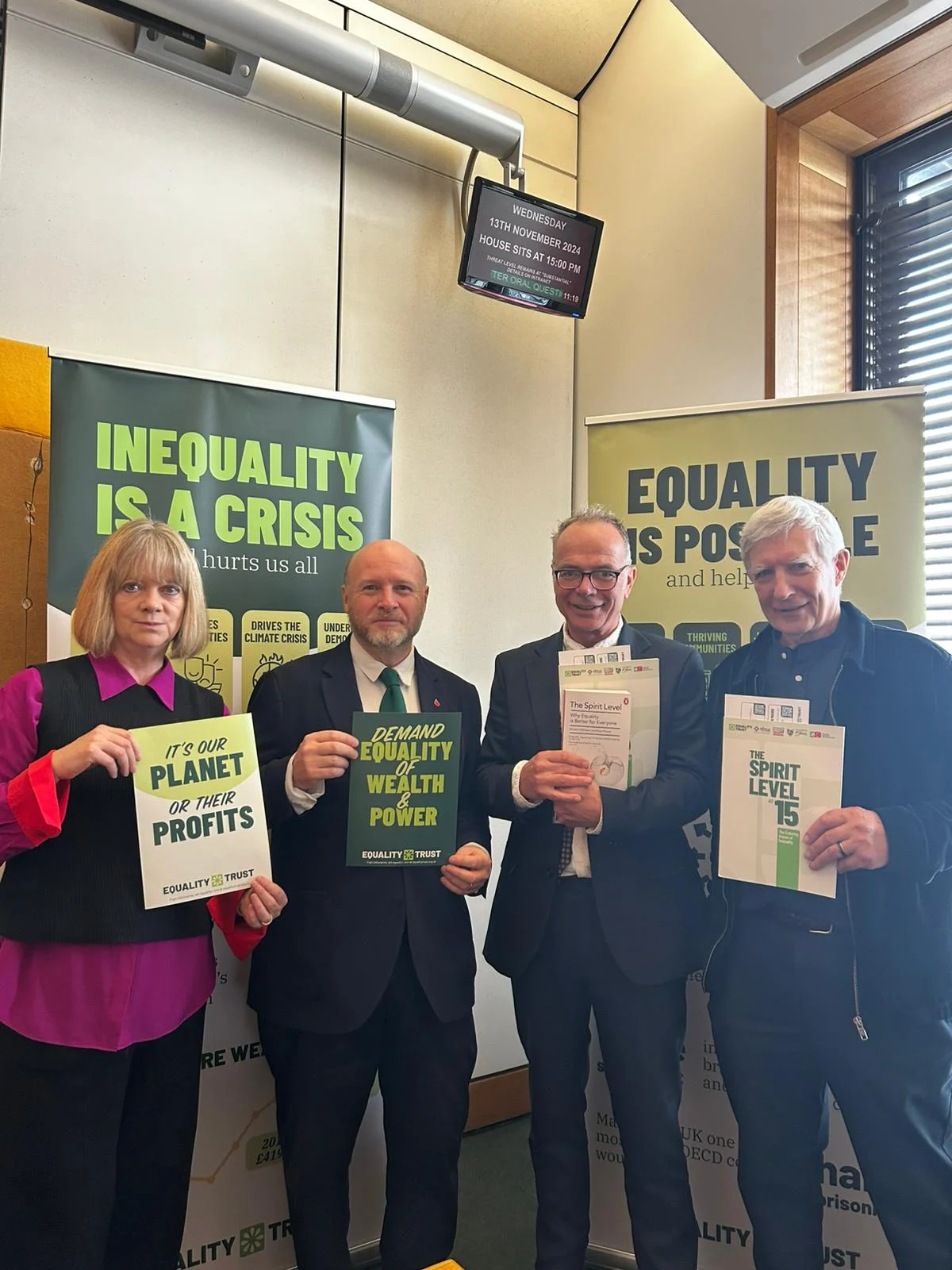
The 2026 election cycle occurs at a time when the UK’s levels of inequality remain among the highest in the developed world. Advocacy groups, including the Equality Trust, have highlighted that extreme wealth concentration not only hinders social mobility but also undermines public health and social cohesion. In this context, the local elections serve as a referendum on how effectively municipal governments are utilizing their devolved powers to foster more equitable outcomes. Voters are being encouraged to move beyond partisan rhetoric and demand specific, actionable commitments from candidates regarding the structural drivers of poverty and exclusion in their specific districts.
The Magnitude of the 2026 Electoral Cycle
The scale of the May 2026 elections is vast, covering a diverse array of metropolitan boroughs, unitary authorities, and district councils. In England, the 5,014 seats up for election represent a significant portion of the local political establishment. Simultaneously, voters in Wales and Scotland will participate in national polls to determine the composition of their respective devolved governments, further complicating the political map. This convergence of local and devolved elections provides a unique opportunity for a coordinated push toward socio-economic reform across the UK.
Historically, local election turnouts have lagged behind general elections, often hovering between 30% and 40%. However, analysts suggest that the 2026 cycle may see increased engagement due to the acute nature of the housing crisis and the visible strain on local services. The role of the local councillor has evolved from mere administrative oversight to a position of frontline advocacy, as councils increasingly find themselves forced to fill the gaps left by fluctuating national policies.
Housing: The Frontline of Local Inequality
One of the most pressing issues facing candidates is the lack of affordable housing. Local councils possess the legal authority to drive housing development, yet many have struggled to balance the demands of private developers with the needs of residents. Currently, thousands of families remain on council waiting lists across the country, while luxury developments often proceed with minimal allocations for "affordable" units.
Voters are increasingly questioning the use of Section 106 agreements and the Community Infrastructure Levy, tools intended to ensure developers contribute to local social good. In many jurisdictions, these requirements are waived or reduced, citing "viability" concerns from developers. Furthermore, the 2026 candidates face pressure to address the issue of long-term empty homes. Local authorities have the power to implement Empty Dwelling Management Orders (EDMOs) and apply council tax premiums on vacant properties, yet these powers remain underutilized in many regions. The debate in this election cycle is expected to focus on whether councils will commit to a "brownfield first" policy and prioritize the construction of genuine social rent housing over market-led developments.
The Socio-Economic Duty: A Voluntary Path to Accountability
A central policy demand emerging from civil society is the voluntary adoption of the Socio-Economic Duty (SED). Contained within Section 1 of the Equality Act 2010, the SED was designed to require public bodies to consider how their decisions could reduce the inequalities of outcome caused by socio-economic disadvantage. While the UK government never formally commenced this duty in England, several forward-thinking councils have adopted it voluntarily.
By adopting the SED, a council commits to a transparent framework where every major policy decision—from budget cuts to urban regeneration—is assessed for its impact on low-income residents and marginalized social classes. Proponents argue that this duty provides a vital mechanism for holding local governments accountable. In the 2026 elections, candidates are being asked if they will join the growing list of authorities that treat socio-economic status as a protected characteristic, ensuring that class-based discrimination and disadvantage are systematically addressed in the council chamber.
Community Wealth Building and Strategic Procurement
The economic power of local councils is often underestimated. Annually, local authorities spend billions of pounds on goods and services, ranging from social care provision to infrastructure maintenance. Historically, much of this procurement has favored large, national, or multinational contractors, resulting in "wealth leakage" where public money leaves the local economy.
The "Preston Model," pioneered by Preston City Council, has gained national attention as a blueprint for community wealth building. This approach involves redirecting procurement spend toward local businesses, worker cooperatives, and social enterprises. By prioritizing local suppliers, councils can create high-quality jobs and ensure that public investment circulates within the community. In the lead-up to May 7, voters are challenging candidates to disclose how they intend to use the council’s "anchor institution" status to combat local poverty. This includes scrutinizing council pension funds, which often hold significant investments in fossil fuels or the arms trade, and demanding a transition toward ethical, local investment strategies.
Addressing the Crisis in Social Care and Public Services
Since 2010, local government funding in England has seen significant real-terms reductions, leading to what many experts describe as a "breaking point" for essential services. Social care for the elderly and disabled, youth services, libraries, and community centers have borne the brunt of these cuts. The 2026 elections will likely see intense debate over how councils can protect these services in an era of fiscal constraint.
The crisis in adult social care is particularly acute, with many councils spending over 60% of their discretionary budgets on this single service area. This leaves little room for preventative measures or community enrichment programs. Advocacy groups are calling for candidates to reject further "austerity-style" cuts and instead explore innovative funding models and partnerships with the voluntary sector. The impact of these cuts is not felt equally; lower-income areas, which rely more heavily on public services, suffer disproportionately, further entrenching regional inequality.
Restoring Faith in Local Democracy
Public trust in political institutions is at a historic low. A recent poll by the Local Government Information Unit (LGiU) found that only 25% of voters trust the government to act in the best interests of local people. This disillusionment is often fueled by a perception that local planning and spending decisions are made behind closed doors, influenced more by powerful developers and lobbyists than by the residents they affect.
The 2026 candidates are being urged to adopt more participatory forms of democracy. This includes the use of citizens’ assemblies, participatory budgeting—where residents have a direct say in how a portion of the local budget is spent—and more accessible public consultations. Critics argue that current consultation processes are often "exclusionary by design," utilizing jargon-heavy documents and inconvenient meeting times that prevent working-class residents from participating.
A Strategic Framework for Voter Engagement
To ensure that inequality remains at the top of the political agenda, civic organizations are providing voters with tools to engage directly with candidates. Beyond the ballot box, residents are encouraged to utilize media platforms and public forums to demand clarity on policy positions.
- Hustings and Public Debates: These forums allow for direct confrontation between candidates and the electorate. Voters are advised to ask specific, data-driven questions regarding local poverty rates and housing targets.
- Media Advocacy: Writing to local newspapers and participating in radio call-in shows remains an effective way to shape the narrative. Highlighting personal testimonies of the impact of service cuts can humanize abstract economic data.
- Direct Candidate Contact: Using digital tools to email candidates allows for a documented exchange of views. Voters are encouraged to ask for specific pledges, such as a commitment to the Real Living Wage for all council contractors.
The National Significance of Local Outcomes
While the May 7 elections are local in nature, their implications are national. The results will serve as a barometer for the public’s appetite for redistributive policies and local empowerment. If candidates who champion the Socio-Economic Duty and community wealth building see significant success, it may signal a shift in the national political consensus toward more localized, equity-focused governance.
Furthermore, the performance of the major parties in these 136 authorities will influence national party platforms ahead of the next general election. As local authorities continue to innovate in the face of central government underfunding, the 2026 elections represent an opportunity to validate these local experiments in equality. The ultimate goal for many advocates is a fundamental restructuring of the relationship between the citizen and the state, beginning at the municipal level. By focusing on the tangible issues of housing, procurement, and social care, the 2026 local elections offer a path toward a more equitable and democratic United Kingdom.