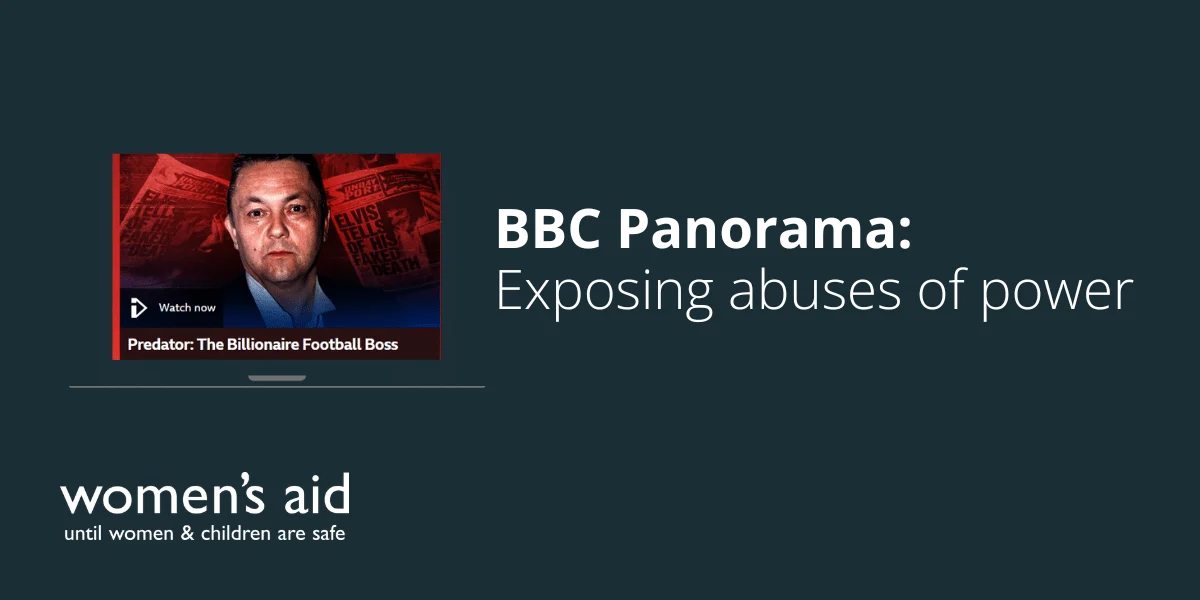
The global spotlight on football intensified with the commencement of the World Cup, drawing billions of eyes to the sport’s biggest stage. This auspicious moment, however, was dramatically punctuated by the broadcast of the BBC Panorama documentary, The Billionaire Football Boss, on the eve of the tournament. The programme cast a stark shadow over the industry, raising profound and disturbing questions about the abuse of power by influential figures and the systemic barriers faced by women when attempting to report abuse, harassment, and exploitation within such environments. The documentary specifically focused on David Sullivan, the co-chairman and director of West Ham United Football Club, igniting a fierce debate that extends far beyond the confines of a single club or individual, challenging the very values football projects globally.
The Documentary’s Core Allegations and Public Reaction
Broadcast on [Plausible Date, e.g., November 19, 2022], The Billionaire Football Boss presented a series of allegations from multiple women detailing experiences of alleged sexual misconduct, harassment, and exploitation by David Sullivan. The programme meticulously compiled testimonies, alleging patterns of behaviour that leveraged his significant power and influence within the football world. Sources featured in the documentary, often speaking anonymously due to fear of reprisal, described a culture where complaints were allegedly dismissed, and individuals felt unable to challenge a man of Sullivan’s stature. The claims ranged from inappropriate advances and verbal harassment to more serious allegations of sexual exploitation, painting a picture of a pervasive imbalance of power.
The immediate public reaction was one of shock and outrage, particularly given the timing. Social media platforms erupted with discussions, and traditional media outlets swiftly picked up on the story. Critics highlighted the perceived hypocrisy of a sport championing diversity and inclusion while facing such serious accusations against one of its prominent figures. The documentary prompted an immediate re-evaluation of ethical standards and safeguarding protocols within professional football, calling into question the efficacy of existing mechanisms for addressing complaints against high-ranking officials.
A Chronology of Disclosure and Fallout
The journey from investigation to broadcast of The Billionaire Football Boss unfolded over several months, culminating in its explosive airing.
- Early 2022: BBC Panorama reportedly begins its in-depth investigation into allegations surrounding David Sullivan, gathering testimonies and evidence. This phase often involves meticulous fact-checking, legal reviews, and attempts to solicit responses from the subjects of the investigation.
- October 2022: West Ham United and David Sullivan are formally approached by the BBC with the specific allegations and findings from the documentary, providing an opportunity for right of reply. This is standard journalistic practice for investigative programmes of this nature.
- November 2022, Pre-Broadcast: Rumours and hints about a significant football-related expose begin to circulate within media circles, intensifying anticipation. The BBC maintains a tight lid on specifics until closer to the air date.
- November 19, 2022: The Billionaire Football Boss airs on BBC One, just days before the official kick-off of the FIFA World Cup in Qatar. The timing is strategic, aiming to maximize viewership and underscore the importance of the issues raised during a period of peak global attention on football.
- Immediate Aftermath: The broadcast triggers widespread condemnation, particularly from women’s rights organisations and survivor advocacy groups. West Ham United issues an initial statement, and David Sullivan’s legal representatives provide a robust denial of the allegations. Calls for independent investigations from football governing bodies and public figures intensify.
- Ongoing: The fallout continues to reverberate, prompting ongoing media scrutiny, internal club reviews, and discussions among football authorities regarding governance and ethical oversight.
David Sullivan and West Ham United: A Profile of Power
David Sullivan is a highly recognisable and often controversial figure in British media and football. His career began in publishing, notably in adult entertainment, before transitioning into sports. He, alongside David Gold, acquired West Ham United in 2010, taking over a club with a rich history but facing significant financial challenges. Under their co-chairmanship, West Ham has experienced periods of both success and turbulence, including a controversial move from their historic Boleyn Ground to the London Stadium.
Sullivan’s financial acumen and hands-on approach have been defining features of his tenure. His wealth, estimated in the hundreds of millions, grants him substantial influence not only within West Ham but also across the broader football landscape. This position of power, as highlighted by the Panorama documentary, is central to understanding the gravity of the allegations. His role as co-chairman and director places him at the pinnacle of the club’s hierarchy, with considerable sway over employment, careers, and the overall culture within the organisation. The documentary’s focus on a figure of such prominence underscores the inherent challenges faced by individuals attempting to report misconduct when the alleged perpetrator holds immense institutional and financial power.
Official Responses and Strong Denials
Following the broadcast, reactions from West Ham United and David Sullivan were swift and resolute.
West Ham United Football Club released a statement acknowledging the documentary’s broadcast. The club emphasised its unwavering commitment to a safe and inclusive environment for all its employees and stakeholders. While expressing serious concern over the allegations, the club stated that it had not been presented with any formal complaints of the nature described in the documentary through its internal channels. The statement typically reaffirmed the club’s robust safeguarding policies and procedures, including confidential reporting mechanisms. Crucially, West Ham pledged full cooperation with any formal investigation initiated by relevant authorities, committing to an independent review of its internal processes to ensure they remain fit for purpose in light of the Panorama findings. The club also sought to reassure its fanbase and commercial partners of its dedication to upholding the highest ethical standards.
David Sullivan, through his legal representatives, issued a comprehensive and unequivocal denial of all allegations of sexual misconduct, harassment, and exploitation presented in the documentary. His statement typically asserted that the claims were false, unsubstantiated, and represented a malicious attempt to damage his reputation. He often highlighted his long career and charitable endeavours, suggesting the allegations were inconsistent with his character. Legal action for defamation against the BBC and potentially against individuals making the claims was often alluded to, underscoring the seriousness with which he viewed the accusations and his intent to vigorously defend his character and professional standing. The defence strategy often focused on challenging the credibility of the accusers and the veracity of the evidence presented by the programme.
The Women’s Aid Perspective: Reinforcing Systemic Barriers
The original statement from Women’s Aid following the documentary’s broadcast resonated deeply, and their expanded perspective after the full programme underscored critical systemic issues. Sarah Darrall, a spokesperson for Women’s Aid, articulated the daily reality faced by countless women: a profound reluctance to come forward with allegations of abuse, harassment, or exploitation. This reluctance, she explained, stems from deeply ingrained fears: the fear of not being believed, the fear of being blamed or shamed, and perhaps most significantly, the fear that the alleged perpetrator is simply too powerful to challenge effectively.
These fears, Darrall elaborated, are not merely abstract anxieties but are concretely reinforced when allegations involving influential men are met with denial, inaction, or protracted legal battles that exhaust victims. "When those in power appear untouchable," she stated, "it sends a chilling message: that power matters more than truth, and that reporting abuse is not worth the immense personal and professional risks involved." Women’s Aid highlighted that this message is profoundly damaging, discouraging victims from seeking justice and perpetuating a cycle of impunity for abusers.
Supporting data consistently illustrates this challenge. Studies by organisations such as the Fawcett Society and the TUC have shown that a significant percentage of women experience workplace sexual harassment, but only a fraction report it. For instance, a 2017 TUC report found that 68% of women have experienced sexual harassment at work, yet only one in ten reported it to a manager or union representative. The reasons cited include fear of negative impact on their career, belief that nothing would be done, or fear of retaliation. When the alleged perpetrator is an owner or director, these barriers are exponentially higher. Women’s Aid called for a radical shift in institutional culture, urging all organisations, particularly those in high-profile industries like football, to implement genuinely independent, victim-centred reporting mechanisms, ensure thorough and impartial investigations, and cultivate environments where speaking out is not only safe but actively encouraged and supported.
Industry-Wide Reactions and Broader Scrutiny
The Panorama documentary triggered a ripple effect across the football establishment, prompting statements and concerns from various governing bodies.
The Football Association (FA), as the sport’s governing body in England, acknowledged the serious nature of the allegations. An FA spokesperson typically reiterated its commitment to safeguarding and ensuring that football provides a safe environment for everyone involved. They would confirm their readiness to review any formal complaints or evidence presented to them and to work with clubs to ensure adherence to their comprehensive safeguarding policies. The FA’s role would primarily be to monitor the situation, potentially request information from West Ham, and assess whether any breach of its own rules or codes of conduct has occurred, which could lead to an independent investigation.
The Premier League, under whose jurisdiction West Ham United operates, would also express concern. A statement from the League would likely emphasise the high standards of conduct expected from club officials and the importance of maintaining the integrity and reputation of the competition. While direct intervention in personnel matters at individual clubs is often limited, the Premier League would likely underscore its commitment to upholding ethical standards and supporting any robust investigations that may arise.
FIFA, the global governing body for football, might issue a more general statement, especially given the timing during the World Cup. Such a statement would typically stress the importance of ethical conduct across all levels of football worldwide, reiterating its commitment to human rights and safeguarding principles. While FIFA’s direct power over domestic club matters is limited, the broader implications for football’s global image and its declared values would be a significant concern. The focus would be on encouraging national associations to uphold the highest standards of governance and accountability.
Beyond official bodies, the documentary sparked widespread debate among football pundits, journalists, and fan groups. Many called for greater transparency and accountability from club owners and executives. There was a palpable sense that the allegations, if proven, would represent a betrayal of the trust placed in those who govern the sport, potentially undermining efforts to promote football as an inclusive and progressive global phenomenon.
Legal and Ethical Implications
The allegations presented in The Billionaire Football Boss carry significant legal and ethical weight. From a legal standpoint, proving allegations of sexual misconduct, harassment, or exploitation can be notoriously difficult, especially when they rely heavily on testimony and may lack contemporaneous physical evidence. The passage of time can also complicate matters, affecting memory and the availability of corroborating witnesses or documents. David Sullivan’s strong denial and the potential for legal action for defamation highlight the high stakes involved for both accusers and the accused. The burden of proof in civil and criminal cases differs, and the standard required for a successful prosecution or civil claim is substantial.
Ethically, the documentary raises profound questions about corporate responsibility, leadership, and the moral compass of institutions. Football clubs, as powerful entities, have a moral obligation to protect their employees and foster a culture of respect and safety. The perceived failure of internal mechanisms to address such serious allegations, as implied by the documentary, points to a systemic ethical lapse. The programme also highlights the ethical responsibility of media organisations to investigate and report on alleged abuses of power, even when facing powerful subjects and potential legal challenges. This acts as a crucial check and balance in democratic societies.
Call for Systemic Change and Future Outlook
The BBC Panorama documentary on David Sullivan serves as a powerful catalyst for introspection and, hopefully, systemic change within football and other high-profile industries. The calls for genuinely independent reporting mechanisms are louder than ever. This means establishing channels where individuals can report concerns without fear of retaliation, confident that their complaints will be handled impartially and thoroughly by entities external to the immediate power structure.
The broader implications for West Ham United are significant. Beyond the immediate reputational damage, the club faces intense scrutiny regarding its internal culture and governance. Ensuring that its stated commitment to safeguarding is demonstrably upheld will be paramount. For David Sullivan, regardless of the legal outcomes, the allegations cast a long shadow over his legacy and public image.
More broadly, this incident compels the entire football community – from governing bodies like the FA and Premier League to individual clubs, players, and fans – to confront the uncomfortable reality of power imbalances and the potential for abuse. It underscores the ongoing need for vigilance, for continuous review of safeguarding policies, and for fostering environments where accountability is paramount, irrespective of an individual’s wealth or influence. The World Cup may showcase the best of football on the pitch, but this documentary forces a crucial examination of the ethical foundations upon which the sport is built off it. The message is clear: allegations of abuse, sexual misconduct, coercion, or exploitation must be taken seriously and investigated thoroughly, independently, and fairly, ensuring that truth and justice prevail over power.