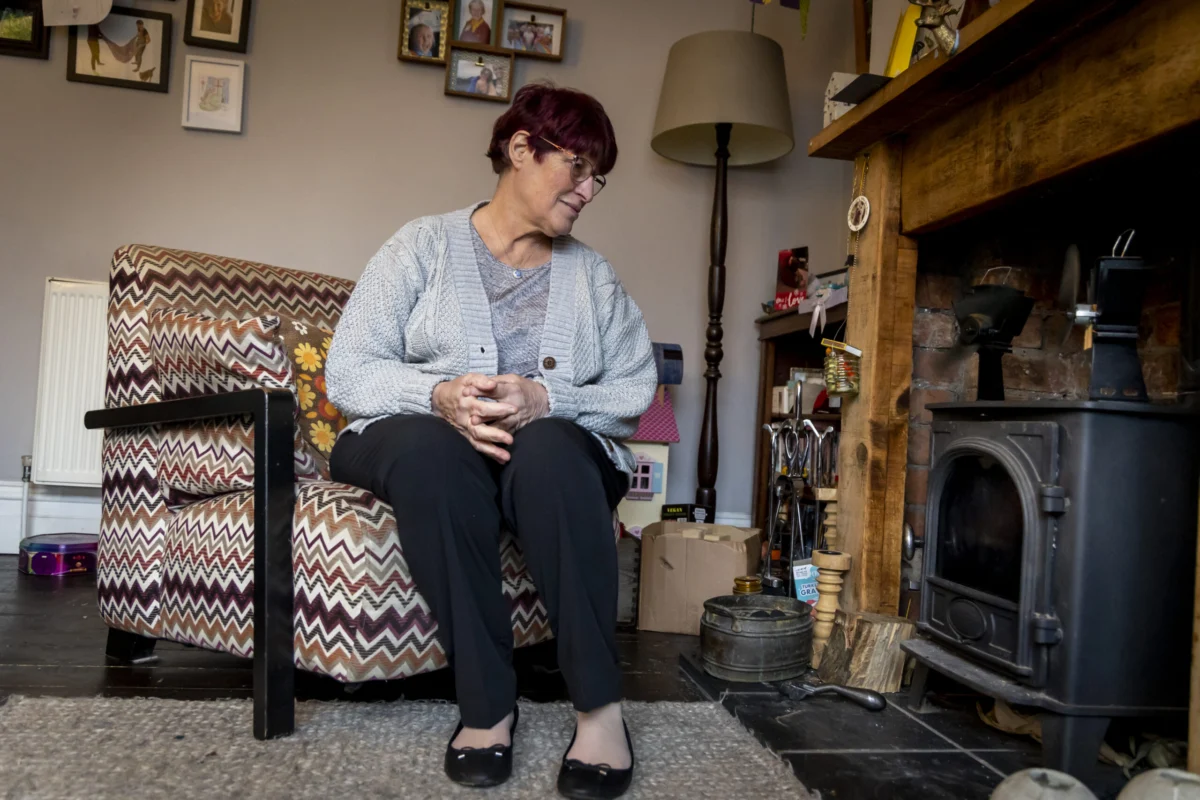
The release of the latest Survey on Income and Living Conditions (SILC) for 2025 by the Central Statistics Office (CSO) has revealed a stark and deteriorating economic reality for older people in Ireland. According to the data, the risk of poverty among the elderly has reached levels that have prompted immediate alarm from advocacy groups and social policy analysts. The figures underscore a growing divide in Irish society, where the most vulnerable seniors—particularly those living alone—are being left behind by a recovery that has not translated into sustained financial security for those on fixed incomes.
Age Action, the leading advocacy organization for older people in Ireland, has officially expressed deep concern regarding these findings, noting that the trajectory of poverty rates suggests a systemic failure to protect the aging population. The 2025 report indicates that older people living alone now face the highest rate of income poverty across all measured demographics in the country. This trend represents not just a statistical fluctuation but a significant social crisis that threatens the health, well-being, and dignity of tens of thousands of citizens.
A Detailed Analysis of the 2025 SILC Data
The core of the 2025 SILC report highlights a dramatic increase in the "at risk of poverty" rate for older cohorts. For those living in single-person households, the income poverty rate surged to 30.3% in 2025. This represents a substantial 4.4 percentage point increase from the previous year’s figures in 2024. To put this in a broader national perspective, the poverty rate for this specific group is now nearly 2.5 times higher than the national average, signaling that the elderly living alone are disproportionately affected by the current economic climate.
Income poverty, defined as having an equivalised disposable income below the 60% median threshold, is only one facet of the struggle. The report also delves into the concept of "enforced deprivation," which occurs when individuals cannot afford at least two out of eleven essential items or services deemed necessary for an acceptable standard of living in Ireland. These items include basic necessities such as adequate heating, the ability to replace worn-out furniture, or the capacity to buy new clothes rather than second-hand ones.
The 2025 data shows that almost one in five older people living alone (18.3%) suffered from enforced deprivation. Even in households where at least one person is aged 65 or older and living as part of a couple, the rate stood at 9.8%, or roughly one in ten. Perhaps most concerning is the metric of "consistent poverty," which measures those who are simultaneously experiencing both income poverty and enforced deprivation. For older people living alone, the consistent poverty rate was 9.8% in 2025, a figure that highlights a segment of the population living in a state of chronic financial distress.
Chronology of Economic Pressures: 2022–2026
To understand the current crisis, it is necessary to examine the economic timeline leading up to the 2025 report. Between 2022 and 2024, Ireland experienced a period of high inflation, particularly in the energy and food sectors. While the government responded with several "cost of living" packages, these were largely comprised of one-off payments rather than structural increases to the State Pension or social welfare rates.
In 2024, as inflation began to stabilize but prices remained at a high plateau, the cumulative effect of several years of increased costs began to erode the modest savings of many older people. By the time the 2025 SILC data was collected, the "buffer" provided by pandemic-era savings or temporary government interventions had largely evaporated.
The 2025 figures actually reflect a period where one-off measures were still providing some level of protection. Camille Loftus, Head of Advocacy and Public Affairs at Age Action, noted that these temporary interventions reduced the poverty risk for older people by 5.9 percentage points in 2025. Without those specific payments, the reported poverty rate of 30.3% would have been significantly higher, potentially approaching 36%. However, the transition into 2026 has been marked by a shift in government policy away from these temporary supports, leading to what advocates describe as a "cliff edge" for elderly households.

The Role of Budget 2026 and Advocacy Reactions
The publication of the SILC data follows the announcement of Budget 2026, which has become a focal point of criticism for Age Action and other social justice organizations. The primary grievance cited by Camille Loftus is the failure of the government to replace temporary, one-off supports with permanent, targeted measures that track with the actual cost of living.
"While one-off cost of living measures have reduced the poverty risk for older people in recent years—by 5.9 percentage points in 2025—the failure to replace these supports with permanent and targeted measures in Budget 2026 means that older people will face a growing risk of living in poverty in 2026," Loftus stated.
Advocates argue that the reliance on "lump sum" payments creates a cycle of uncertainty. For a pensioner, a €200 or €300 one-off payment may cover a single high electricity bill, but it does not address the fundamental inadequacy of a weekly pension that has not kept pace with the rising costs of healthcare, home maintenance, and basic nutrition. The demand from Age Action and similar bodies has consistently been for a "benchmarking" of the State Pension to a level that ensures no older person falls below the poverty line, typically suggested as 34% of average weekly earnings.
Supporting Data: The Impact of Housing and Energy Costs
Enriching the understanding of these poverty figures requires a look at the specific costs driving elderly deprivation. While many older people in Ireland own their homes outright, a growing number are entering old age in the private rental sector or carrying mortgage debt into their 70s. For those in the rental sector, the risk of poverty is exponentially higher, as the State Pension is often insufficient to cover market rents even with the support of Housing Assistance Payments (HAP).
Furthermore, energy poverty remains a critical issue. Older people tend to spend more time at home and are more susceptible to the health impacts of cold living environments. The CSO data on enforced deprivation suggests that a significant portion of the 18.3% of those living alone who face deprivation are specifically struggling to keep their homes adequately heated. This has a secondary impact on the healthcare system, as cold homes are linked to increased rates of respiratory and cardiovascular issues among the elderly, leading to higher hospitalization rates during winter months.
Broader Implications and Future Outlook
The implications of the 2025 SILC report extend beyond immediate financial metrics; they touch upon the social contract between the state and its aging citizens. Ireland has a rapidly aging demographic. Projections indicate that the number of people aged 65 and over will continue to grow significantly over the next two decades. If the poverty rates identified in 2025 are not addressed through structural reform, the state faces a future where a massive segment of the population is living in a state of permanent economic precariousness.
Policy analysts suggest that the "consistent poverty" rate of 9.8% for single older people is a failure of the current social welfare architecture. It indicates that the safety net is failing to catch those with the least resources. The discrepancy between couples and single people also highlights the "economies of scale" inherent in shared living; single pensioners face the same fixed costs for heating, insurance, and waste disposal as couples, but with only one pension to draw from.
As Ireland moves through 2026, the focus will likely shift toward the mid-term budgetary reviews and the preparation for the next fiscal cycle. The CSO’s 2025 data serves as a definitive evidence base for those calling for a radical rethink of how the state supports its older population. Without a shift from "emergency" one-off payments to a sustainable, indexed pension system, the 30.3% poverty rate seen in 2025 may become a new, tragic baseline for the years to come.
The contact information provided by Age Action for further inquiry into these matters remains Camille Loftus, Head of Advocacy and Public Affairs, reachable at 086-821 7165 or via email at [email protected]. The organization continues to urge the government to reconsider the parameters of Budget 2026 before the full economic impact of the current policy direction is felt by the nation’s most vulnerable seniors.