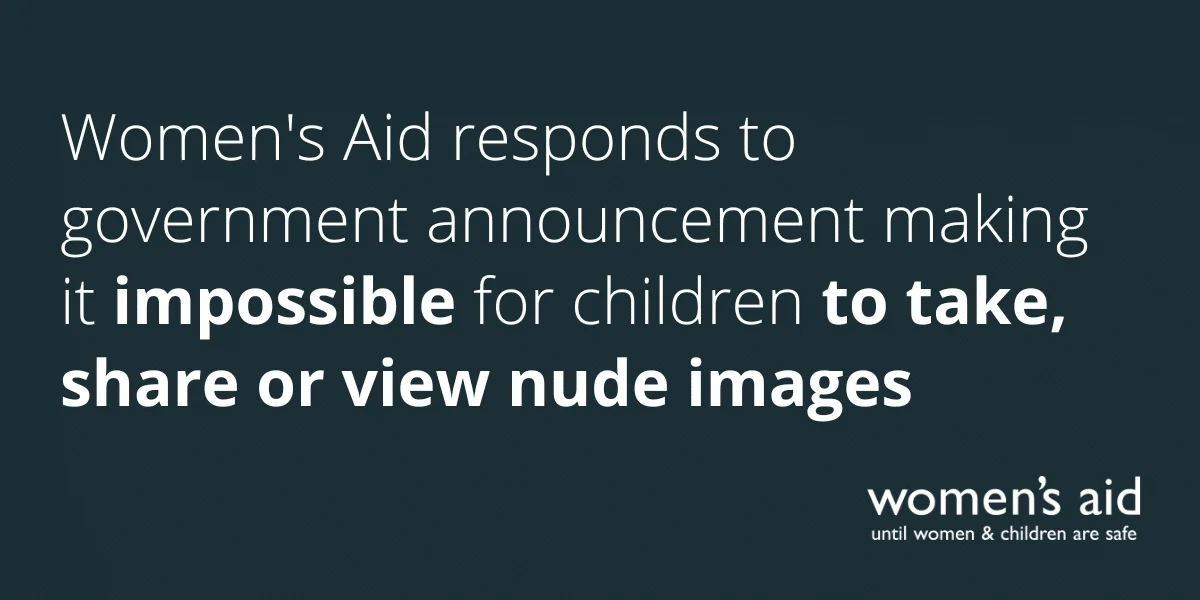
Farah Nazeer, Chief Executive of Women’s Aid, has issued a stark warning regarding the pervasive and damaging issue of non-consensual sharing of intimate images among children and young people, highlighting a significant disconnect between legal prohibitions and lived realities. Despite the creation or sharing of explicit images of a child being a criminal offense, Nazeer emphasized that such practices remain "prevalent" and frequently involve elements of coercion, calling for immediate and robust action from technology companies. Her statement underscores a critical intersection of child protection, digital safety, and the accountability of platforms that host these interactions, asserting that this form of abuse is as real and damaging as any other violence against women and children. The clarion call from Women’s Aid demands a systemic shift, urging tech giants to prioritize the safety of their most vulnerable users and to be held accountable for facilitating environments where such harm can occur.
The Alarming Reality of Digital Coercion and Child Image Abuse
The issue at the heart of Nazeer’s comments is a complex and deeply troubling facet of the digital age: the widespread practice of minors sharing nude or sexually explicit images of themselves and others, often under duress. This phenomenon, frequently termed "sexting" in broader discourse, masks a darker underbelly where consent is absent, ambiguous, or actively coerced. Women’s Aid’s unequivocal stance is that "under no circumstances should coercive control and pressure be applied to a child to share intimate images of themselves," welcoming any measures that would impede such actions. This highlights a critical challenge for society, law enforcement, and technology providers alike: how to protect children in an increasingly interconnected world where peer pressure, blackmail, and predatory behaviors can manifest digitally with devastating speed and reach. The criminal nature of creating or sharing child explicit images is often overlooked or misunderstood by young people themselves, who may not fully grasp the severe legal consequences for both perpetrators and, in some cases, even the victims who might feel compelled to participate.
A Growing Digital Threat: Background and Context
The proliferation of smartphones, social media platforms, and instant messaging apps over the past two decades has fundamentally altered social interactions, particularly among younger generations. What began as a tool for communication and connection has, for many, become a vector for new forms of harm. The concept of "sexting" emerged in the early 2000s, initially framed by some as a benign, if risky, form of adolescent experimentation. However, research and real-world incidents quickly revealed the significant potential for abuse, including image-based sexual abuse, revenge porn, and child sexual exploitation.
The background to Women’s Aid’s statement can be understood within a broader context of escalating concerns from child protection agencies, educators, and parents globally. Reports from organizations like the National Society for the Prevention of Cruelty to Children (NSPCC) in the UK, and international bodies such as UNICEF and the Internet Watch Foundation (IWF), have consistently pointed to a rise in online harms affecting children. These harms range from cyberbullying and grooming to the non-consensual sharing of intimate images, often initiated by peers or individuals known to the child, rather than anonymous strangers. The emotional and psychological toll on victims is profound, often leading to severe mental health issues, social isolation, and long-term trauma. The "event" prompting such a strong statement is not a singular incident but rather a cumulative recognition of a persistent, evolving, and largely unaddressed crisis in digital child safety.
The Human Cost: Psychological and Social Impact
The damage inflicted by image-based sexual abuse on children and young people is far-reaching and deeply personal. Victims often experience intense feelings of shame, humiliation, anxiety, depression, and even suicidal ideation. The loss of control over one’s own image, particularly when it is intimate and personal, can be profoundly violating, eroding trust and self-worth. In a digital world where images can spread virally and irrevocably, the consequences are amplified, creating a permanent digital footprint that can haunt victims for years, affecting their relationships, education, and future employment prospects. Many children subjected to this abuse withdraw from school, experience fractured family relationships, and struggle with forming healthy attachments in adulthood. Women’s Aid’s comparison of this abuse to "other forms of violence against women and children" is crucial, underscoring its severe impact and the need for it to be recognized with the same gravity and urgency as physical or emotional abuse.
Legislative Frameworks and Enforcement Challenges
Recognizing the gravity of these online harms, many governments have enacted or are in the process of enacting legislation to address them. In the UK, the Online Safety Act (OSA), which received Royal Assent in October 2023, represents a landmark effort to make the UK the safest place in the world to be online. The Act places legal duties on social media companies and other online platforms to protect users, particularly children, from illegal and harmful content. This includes specific provisions relating to child sexual abuse material and other forms of harmful content.
However, the implementation and enforcement of such laws present significant challenges. The sheer volume of content generated daily across countless platforms makes comprehensive moderation incredibly difficult. Furthermore, the global nature of the internet means that laws enacted in one jurisdiction may have limited reach over platforms or perpetrators operating elsewhere. Law enforcement agencies face hurdles in identifying perpetrators, gathering digital evidence, and prosecuting cases, particularly when victims are reluctant to come forward due to fear or shame. The technical complexities of encryption and data privacy also add layers of difficulty for investigators. Despite the criminal offense status, the gap between legal intent and practical protection remains wide, as highlighted by Farah Nazeer.
Data Illuminating the Crisis
Statistics from various reputable organizations paint a grim picture of the prevalence and impact of child image abuse:
- NSPCC: The UK’s leading children’s charity consistently reports a high volume of calls to its helpline concerning online sexual abuse and exploitation. Their data often indicates that a significant percentage of child sexual abuse material involves images created by children themselves or shared by peers. In recent years, they have highlighted a worrying increase in the number of referrals made to police regarding online child abuse.
- Internet Watch Foundation (IWF): As the UK’s hotline for reporting online child sexual abuse material, the IWF plays a critical role. Their annual reports frequently show that a substantial portion of the material they identify and remove originates from peer-on-peer abuse, often involving images shared non-consensually. They also note the growing challenge of images being hosted on encrypted platforms or peer-to-peer networks, making detection and removal more complex.
- National Crime Agency (NCA): The NCA’s Child Exploitation and Online Protection (CEOP) Centre provides a crucial resource for reporting online child abuse. Their intelligence reports routinely underscore the scale of online child sexual abuse, including the non-consensual sharing of images, and the fact that many perpetrators are known to the victims.
- Global Data: International bodies like UNICEF and Europol have also released data indicating that child image abuse is a global phenomenon, exacerbated by the accessibility of digital devices and the relative anonymity offered by the internet. Surveys among young people in various countries often reveal that a significant minority have either been asked to send explicit images, have sent them, or have had such images shared without their consent. For instance, some studies suggest that as many as one in five teenagers have been pressured to send a nude image of themselves.
These statistics collectively reinforce Farah Nazeer’s assertion that the sharing of nude images is "still prevalent" and often involves coercion, making the call for tech accountability all the more urgent.
The Role and Responsibility of Technology Companies
A central pillar of Women’s Aid’s message is the explicit demand for technology companies to be "held to account and do more to ensure that the most vulnerable of their users are safe." This reflects a growing consensus that tech platforms, which have become integral to the lives of young people, bear a significant ethical and, increasingly, legal responsibility for the content and interactions they facilitate.
Historically, many tech companies have adopted a reactive approach to online harm, relying on user reports and post-factum content removal. However, critics argue that this is insufficient, particularly given the speed at which harmful content can spread and the severe impact it has on victims. Proactive measures are desperately needed. These include:
- Robust Age Verification: Implementing effective and privacy-preserving age verification systems to prevent children from accessing age-inappropriate content or features, and to ensure adults interacting with children are indeed adults.
- Proactive Detection Technologies: Investing in advanced Artificial Intelligence (AI) and Machine Learning (ML) tools capable of proactively identifying and flagging potentially harmful content, including child sexual abuse material and instances of coercive language, before it is widely disseminated.
- Enhanced Reporting Mechanisms: Creating easy-to-use, clear, and child-friendly reporting tools that ensure swift action is taken on reported abuse.
- Safety by Design: Integrating safety features into the fundamental design of platforms, rather than bolting them on as an afterthought. This includes default privacy settings for minors, limits on unsolicited contact, and educational prompts.
- Transparency and Collaboration: Being transparent about their safety policies, enforcement actions, and collaborating more effectively with law enforcement and child protection agencies.
- Educating Users: Actively participating in digital literacy campaigns to educate young users about online risks, consent, and safe online practices.
While some tech companies have made strides in these areas, critics argue that progress is often too slow and inconsistent. The profit motive can sometimes overshadow safety concerns, leading to a reluctance to implement measures that might impact user engagement or introduce significant operational costs.
A Call for Collective Action: Expert Reactions and Stakeholder Perspectives
Farah Nazeer’s statement resonates deeply with other child safety advocates and stakeholders.
- Other Child Protection Charities: Organizations like the NSPCC, Barnardo’s, and the UK Safer Internet Centre would likely echo Women’s Aid’s sentiments, emphasizing the need for a multi-faceted approach involving technology, education, and robust legal frameworks. They frequently advocate for greater government oversight and increased funding for victim support services.
- Government Officials: While governments like the UK have passed legislation like the Online Safety Act, they would likely acknowledge the ongoing challenges in enforcement and the need for continued vigilance. Ministers responsible for digital policy might reiterate their commitment to holding tech companies accountable and working with international partners to address cross-border online harms.
- Law Enforcement: Representatives from bodies like the NCA would underscore the complexities of investigating digital crimes, the need for international cooperation, and the importance of public awareness campaigns to encourage reporting. They might also highlight the resource strain on police forces dealing with the escalating volume of online child abuse cases.
- Educational Sector: Teachers and school administrators would likely support calls for increased digital literacy education for both students and parents, emphasizing the need for open communication about online risks and responsible digital citizenship.
- Tech Industry Bodies: While facing criticism, industry associations might point to their members’ investments in safety tools, content moderation teams, and collaborations with NGOs. They might also emphasize the technical challenges of balancing user privacy (e.g., end-to-end encryption) with safety measures, advocating for a nuanced approach.
The consensus among these diverse groups is that no single entity can solve this problem alone. It requires a concerted, collaborative effort involving government, industry, civil society, educators, parents, and young people themselves.
Navigating the Future: Education, Prevention, and Support
Addressing the prevalence of coercive image sharing among children requires a long-term, strategic vision. Beyond legislative and technological interventions, significant emphasis must be placed on prevention and support.
- Digital Literacy and Consent Education: Comprehensive education programs are needed in schools and homes, teaching children about digital citizenship, online risks, privacy, and, crucially, the meaning of consent in digital interactions. This extends to understanding the permanence of online content and the legal ramifications of sharing explicit images.
- Parental Guidance: Parents need better resources and support to navigate the digital world with their children, fostering open communication and setting appropriate boundaries.
- Victim Support Services: Enhanced funding and accessibility for specialized support services for child victims of online image abuse are vital. These services must offer psychological counseling, legal advice, and practical assistance in removing harmful content.
- Peer-to-Peer Education: Empowering young people to become advocates for digital safety among their peers can be highly effective, as they often respond better to messages from within their own age group.
Farah Nazeer’s call from Women’s Aid serves as a potent reminder of the ongoing and evolving threat that online spaces pose to children. It is a critical juncture where the promise of connectivity must be tempered with unwavering vigilance and robust protective measures. The demand for technology companies to do more is not merely an appeal for corporate social responsibility; it is an urgent plea for systemic change to safeguard the fundamental rights and well-being of the next generation. The time for accountability is indeed "high time," requiring a unified front to ensure that the digital world becomes a space of empowerment, not exploitation, for its youngest and most vulnerable users.