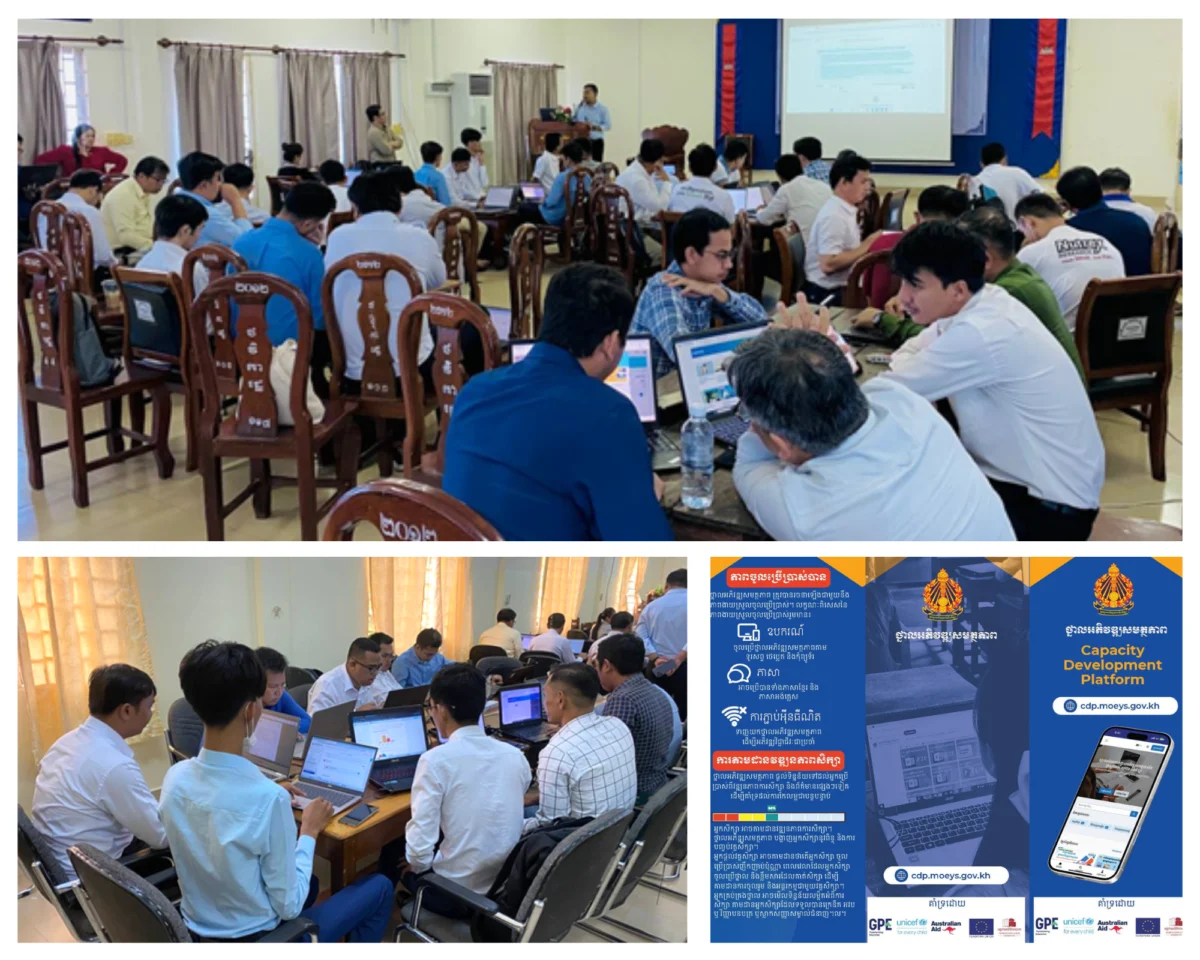
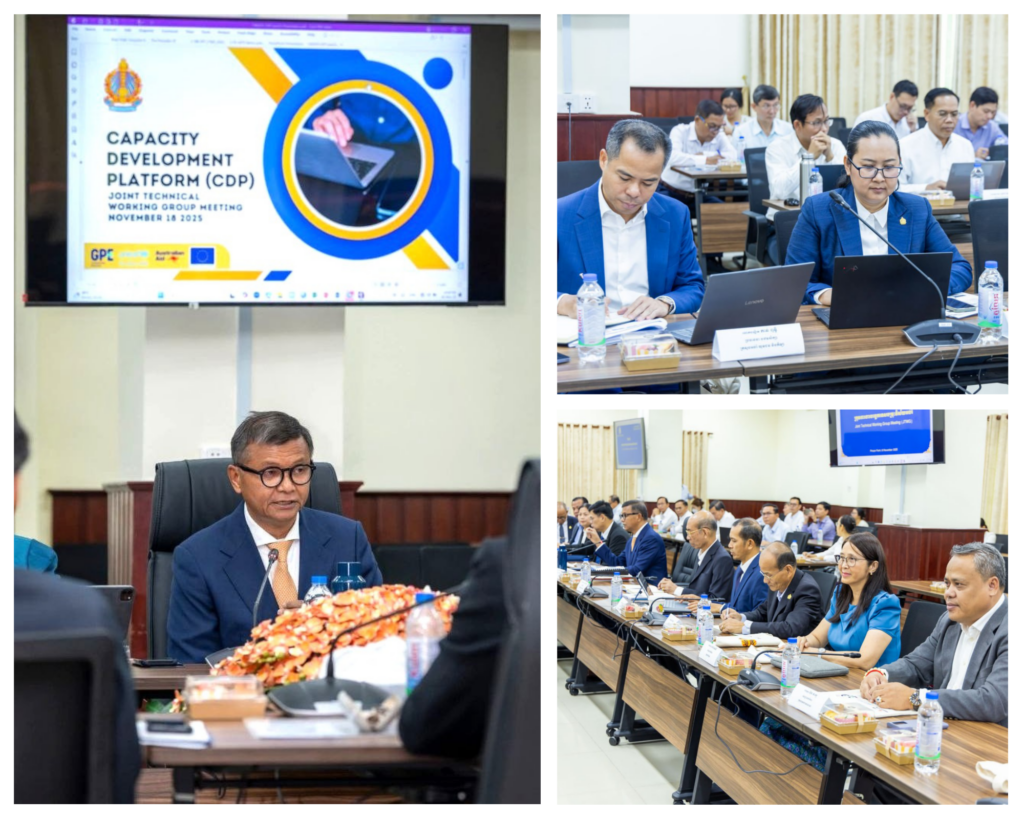
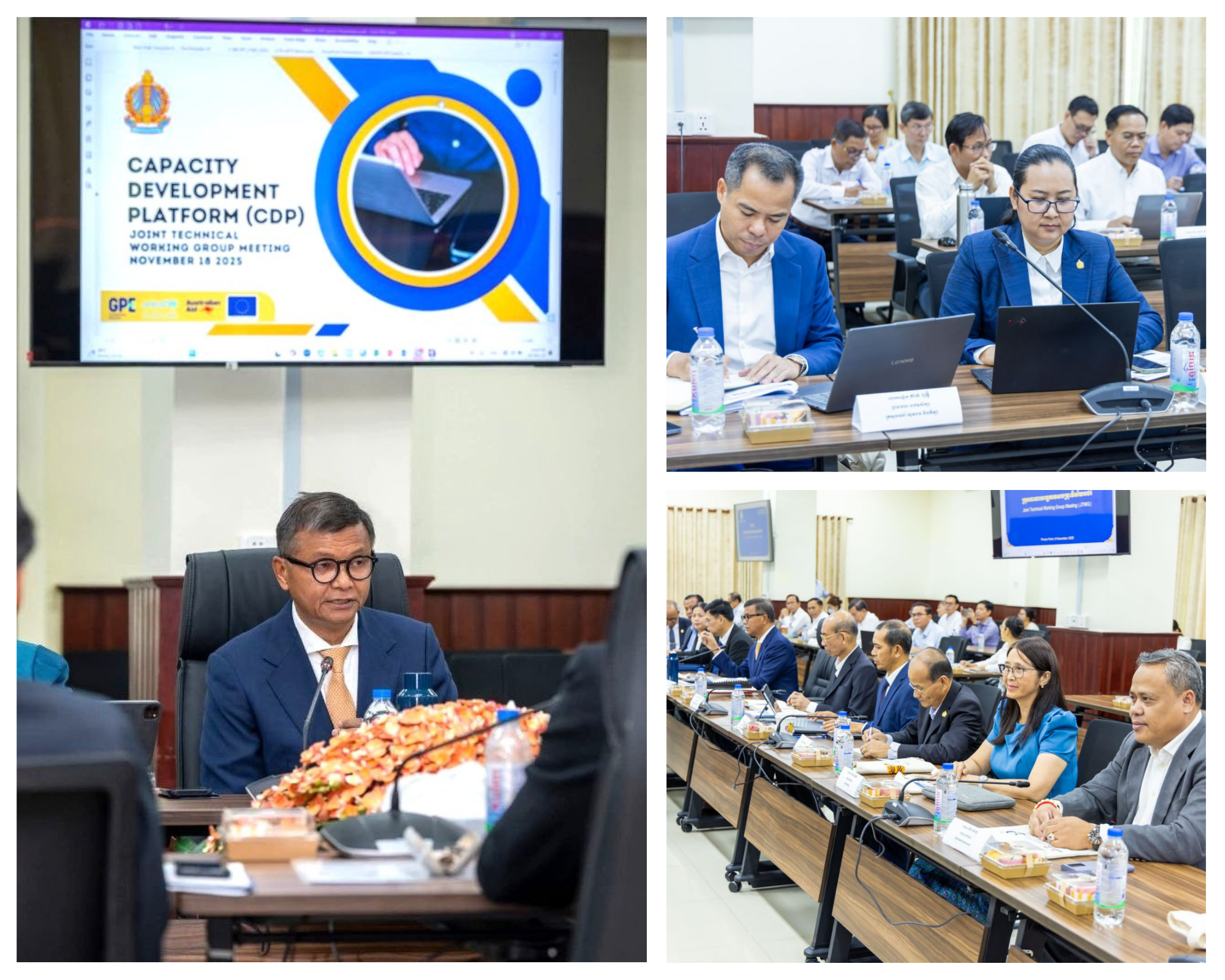
In a landmark move for the Kingdom’s educational landscape, the Cambodian Ministry of Education, Youth, and Sport (MoEYS), in a strategic alliance with UNICEF and World Education, officially inaugurated the Capacity Development Platform (CDP) in November 2025. This digital initiative represents a comprehensive shift in how the nation approaches the professional development of its teaching workforce, providing a centralized, scalable, and highly accessible ecosystem for educators across all 25 provinces. Designed to bridge the gap between urban and rural educational quality, the CDP serves as the primary vehicle for teachers to access accredited training, earn professional development credits, and pursue qualification upgrades through a sophisticated blend of online and hybrid learning modules.
The platform’s rollout is the culmination of years of collaborative planning and technical development, funded by a consortium of international partners including the Global Partnership for Education (GPE), the European Union (EU), and the Australian Department of Foreign Affairs and Trade (DFAT). By integrating modern pedagogical tools with national administrative systems, the CDP is positioned as a cornerstone of Cambodia’s broader digital transformation strategy, aiming to ensure that every student, regardless of their geographical location, is taught by an educator who is equipped with the latest skills and knowledge.
Historical Context and the Necessity of Digital Reform
The genesis of the Capacity Development Platform can be traced back to the challenges exposed during the global pandemic, which highlighted significant disparities in digital literacy and remote teaching capabilities within the Cambodian education sector. Prior to the CDP’s inception, teacher professional development was often fragmented, relying on localized, in-person workshops that were difficult for educators in remote or underserved areas to attend consistently. Furthermore, tracking the progress and accreditation of over 100,000 teachers nationwide presented a logistical hurdle for the MoEYS.
To address these systemic issues, the MoEYS prioritized the creation of a unified digital gateway. The objective was not merely to host content but to create a governance-backed system that links professional growth directly to career advancement. Under the leadership of H.E. Dr. Hang Chuon Naron, Deputy Prime Minister and Minister of MoEYS, the ministry sought a solution that would empower educators while providing the government with real-time data on the workforce’s skill sets.
“The CDP marks a transformative step in Cambodia’s journey toward quality teacher education,” stated H.E. Dr. Hang Chuon Naron during the launch event. “By digitizing teacher training and professional development, we are empowering our educators with the tools, knowledge, and support they need to inspire learning and improve outcomes.”
Strategic Design: A Human-Centered Approach to Technology
A critical factor in the development of the CDP was the partnership with World Education, an initiative of JSI. World Education utilized a human-centered design (HCD) methodology to ensure that the platform would be adopted by users with varying levels of digital proficiency. Recognizing that technology is only effective if it is usable, the design team spent months conducting field research and stakeholder consultations to understand the daily realities of Cambodian teachers.
One of the primary challenges identified was the digital divide. Many teachers in rural districts rely on older smartphone models and have limited access to high-speed internet. Consequently, the CDP was engineered to be "smartphone-first" and optimized for low-bandwidth environments. The platform features intuitive navigation and offline capabilities, allowing teachers to download course materials when they have access to a stable connection and complete their assignments at their convenience.
Rather than imposing a foreign architecture, World Education and the MoEYS co-designed the system to reflect the specific linguistic and cultural nuances of the Cambodian classroom. This localized approach has been instrumental in reducing the barrier to entry for older educators who may have previously been hesitant to engage with digital tools.
Integration with National Career Progression Frameworks
The CDP is unique in that it is not a standalone educational website; it is an integrated component of the national civil service framework. A dedicated government governance group was established to oversee the platform, ensuring that the credits earned by teachers through the CDP are officially recognized and linked to the MoEYS career path and salary scales.
This structural integration ensures the long-term sustainability of the project. By making professional development a requirement for career progression and providing the digital means to achieve it, the government has created a powerful incentive for continuous learning. The platform supports a variety of learning paths, including:
- Foundational Literacy and Numeracy: Specialized modules for early grade teachers to improve reading and math outcomes.
- ICT for Teaching and Learning: Courses designed to help teachers integrate digital tools and even basic Artificial Intelligence (AI) into their lesson planning.
- National Qualification Upgrading: A program allowing teachers with lower-level certifications to upgrade their status to meet new mandatory national standards.
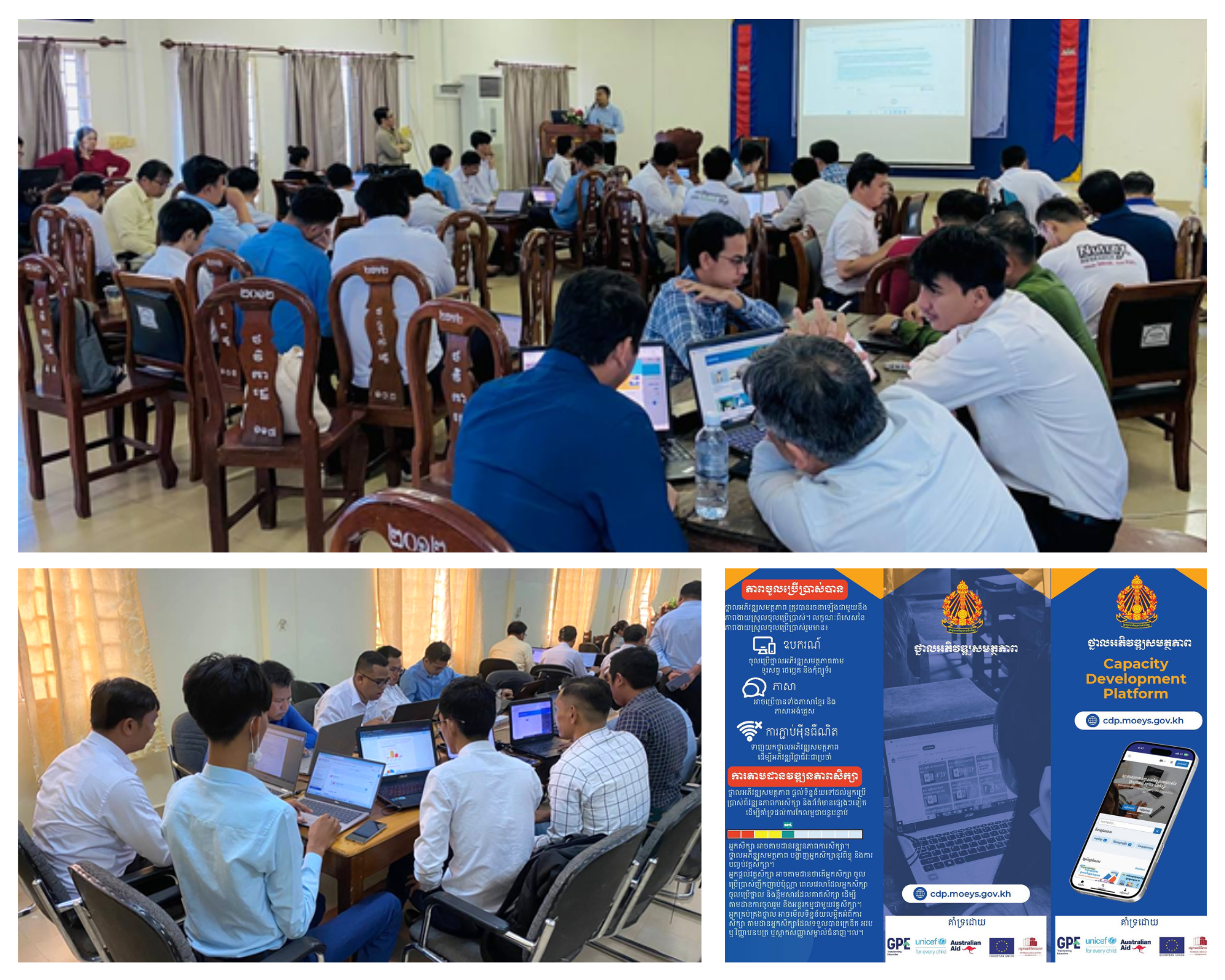
The transition of ownership has been a phased process. Following the operational launch, World Education transitioned technical management to the MoEYS Department of Digital Transformation. This included intensive capacity-building workshops for ministry staff, covering technical maintenance, cybersecurity, and data analytics, ensuring that the Cambodian government can scale and secure the platform independently in the years to come.
Chronology of Development and Implementation
The road to the November 2025 launch involved several key milestones that demonstrate the project’s rigorous development cycle:
- Early 2024: Conceptualization and funding secures from GPE, EU, and DFAT. Stakeholder mapping and initial user research conducted across diverse provinces.
- Late 2024: Development of the "Alpha" version of the platform. World Education begins co-designing content with the MoEYS pedagogical experts.
- May 2025: High-level capacity-building workshops are held on May 5-6 and May 19-20. These sessions involved MoEYS staff and lead educators who served as "beta testers" to refine the user interface and course delivery methods.
- August 2025: Pilot testing in selected districts, including Siem Reap and Ratanakiri, to test low-bandwidth performance in real-world settings.
- November 2025: National launch of the CDP. The platform becomes accessible to all registered teachers under the MoEYS.
- Post-Launch 2026: Continued content expansion, with World Education supporting the development of new modules for the national in-service teacher qualification upgrading program.
Measurable Impact and Early Success Stories
The impact of the CDP was immediate and significant. Within the first few months of its national rollout, the platform recorded more than 44,000 registered users. Of these, over 23,000 educators have already enrolled in accredited courses, representing a substantial portion of the nation’s teaching force.
The qualitative impact is perhaps best reflected in the experiences of teachers in the field. Mrs. Proeut Sanh, a primary school teacher from Kralanh District in Siem Reap Province, noted that the ICT course for teaching and learning has fundamentally changed her classroom dynamic. “The course strengthened my knowledge and practical skills in using digital tools and AI for lesson planning, making my students more active and participatory in the classroom,” she said.
For teachers like Mrs. Sanh, the CDP provides a window to modern pedagogical theories that were previously inaccessible due to the geographic and financial constraints of traveling to the capital for training. The ability to learn in a "blended" format—combining digital modules with periodic in-person mentoring—has proven to be a highly effective model for adult education in the region.
Analysis of Implications for Cambodia’s Future
The launch of the CDP carries profound implications for Cambodia’s long-term socio-economic development. Education is the bedrock of the "Pentagonal Strategy" launched by the Cambodian government, which aims to elevate the country to upper-middle-income status by 2030 and high-income status by 2050. Achieving these goals requires a workforce that is digitally literate and capable of critical thinking—skills that must first be mastered by the teachers who mold the next generation.
Furthermore, the CDP sets a precedent for regional cooperation within ASEAN. By successfully implementing a large-scale digital education platform in a developing economy, Cambodia provides a roadmap for other nations facing similar challenges of infrastructure and rural-urban divides. The involvement of UNICEF and international donors highlights the global interest in "Digital Public Infrastructure" (DPI) as a means of achieving Sustainable Development Goal 4: Quality Education.
The platform also represents a shift toward data-driven governance. With the CDP, the MoEYS can now track which regions are falling behind in training, which courses are most effective, and where resources should be allocated to improve student outcomes. This level of transparency and analytical capability is a major leap forward from the paper-based systems of the past.
Looking Ahead: Sustainability and Content Expansion
As the CDP enters its second year of operation in 2026, the focus is shifting toward content diversification and the deepening of institutional roots. World Education continues to work alongside the MoEYS to develop modules that meet the new mandatory standards for teacher qualifications. These modules are increasingly focusing on specialized areas such as inclusive education for students with disabilities and climate change resilience.
The success of the Capacity Development Platform is not just a victory for technology; it is a victory for a collaborative model of development that prioritizes local ownership and human needs. By investing in its teachers through a robust, sustainable digital infrastructure, Cambodia is ensuring that the digital revolution in education is not a temporary trend, but a permanent foundation for national growth.
The partnership between MoEYS, UNICEF, World Education, and the international donor community serves as a powerful reminder that while technology provides the platform, it is the dedication of educators and the strategic vision of the government that will ultimately drive the transformation of the nation’s classrooms. As more teachers like Mrs. Proeut Sanh log on to the CDP to enhance their skills, the ripple effects will be felt by millions of Cambodian students for decades to come.