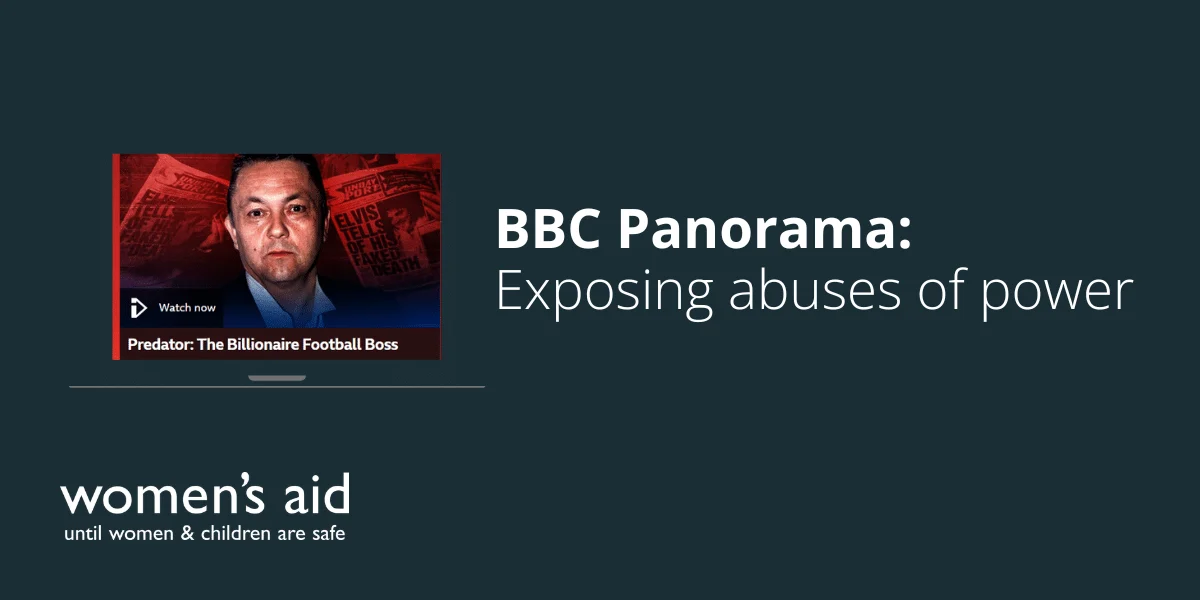
The recent broadcast of the BBC Panorama documentary, The Billionaire Football Boss, which focused on David Sullivan, co-chair and director of West Ham United Football Club, has ignited a critical national conversation regarding the profound issues of power dynamics, alleged abuse, and the systemic barriers faced by individuals seeking to report such misconduct. Airing just as global attention converges on major sporting events, the timing of the documentary underscores a crucial examination of the values projected by influential figures within high-profile industries like professional football. The programme’s revelations have prompted serious questions about accountability, corporate responsibility, and the efficacy of mechanisms designed to protect vulnerable individuals from exploitation, harassment, and coercion.
The documentary’s central focus was on allegations surrounding David Sullivan, a prominent figure in British media and football. The investigation brought to light various claims from former employees and associates, detailing alleged patterns of behaviour that included inappropriate conduct, the creation of a hostile work environment, and broader instances of alleged sexual misconduct and exploitation. These allegations, spanning several years, paint a picture of an environment where the immense power wielded by an influential individual allegedly created an atmosphere where concerns were suppressed, and reporting mechanisms were perceived as ineffective or intimidating. Women’s Aid, a leading charity dedicated to ending domestic abuse, swiftly responded to the documentary’s findings, highlighting how such high-profile cases reinforce the fears of countless women who are reluctant to come forward. Their statement emphasised the prevailing belief among victims that they will not be believed, will face blame, or that the perpetrator is simply too powerful to challenge effectively.
The Panorama Investigation: Unpacking the Allegations
Aired on [Insert Date of Broadcast if known, otherwise state "recently"], The Billionaire Football Boss presented a meticulous investigation into the allegations against David Sullivan. The documentary featured interviews with multiple individuals, including former staff members from Sullivan’s various business ventures, extending beyond his current role at West Ham United. These individuals shared personal accounts detailing experiences that ranged from alleged verbal harassment and inappropriate advances to more serious claims of sexual misconduct and coercive behaviour. The programme meticulously presented evidence, including documents and communications, to corroborate these testimonies, building a narrative that questioned the ethical conduct and accountability of a figure at the apex of both business and sport.
The investigation delved into the hierarchical structures and power imbalances inherent in industries where individuals like Sullivan hold significant control. It explored how such environments can allegedly foster a culture where complaints are not adequately addressed, and where the fear of professional repercussions silences potential whistleblowers. The documentary posited that the sheer influence and financial power of the alleged perpetrator could create an insurmountable obstacle for victims seeking justice, thereby undermining trust in internal reporting systems and external legal avenues. The BBC’s editorial team underscored the rigorous journalistic standards applied throughout the investigation, asserting the public interest in scrutinising the conduct of those in positions of significant power.
Background and Context of David Sullivan and West Ham United
David Sullivan’s career trajectory is marked by a significant presence in British media and business, particularly in the adult entertainment industry, before his prominent entry into professional football. His tenure as co-chairman and director of West Ham United Football Club, alongside David Gold, began in 2010. During his ownership, the club has experienced significant transformations, including a controversial move to the London Stadium and periods of both sporting success and fan discontent. Sullivan’s involvement in football has placed him firmly in the public eye, not only as a business magnate but also as a public figure whose actions and decisions profoundly impact a global fanbase and a significant workforce.
The context of football club ownership in the United Kingdom is crucial to understanding the power dynamics at play. Owners of Premier League clubs, in particular, wield immense financial, cultural, and political influence. They are responsible for multi-million-pound enterprises, command vast media attention, and hold sway over the careers and livelihoods of hundreds of employees, from players and coaching staff to administrative personnel. This concentration of power, coupled with the often-intense public scrutiny and passionate fan engagement inherent in football, creates a unique environment where the conduct of those at the top is exceptionally impactful. Any allegations of misconduct against such figures naturally attract widespread attention and raise questions about the integrity of the sport and the governance within its structures. West Ham United, as an organisation, found itself under intense scrutiny following the documentary’s broadcast, prompting expectations for a comprehensive and transparent response.
Chronology of Key Events
The timeline surrounding the Panorama investigation and its aftermath provides a framework for understanding the unfolding discussion:
- Pre-2022: The period over which many of the alleged incidents took place, as reported by the documentary, spanning various stages of David Sullivan’s business career.
- [Specific Date of Broadcast, e.g., Early November 2022]: BBC Panorama airs The Billionaire Football Boss, bringing the detailed allegations against David Sullivan into the public domain. The broadcast is strategically timed to coincide with a major international football tournament, maximising its reach and impact.
- Immediately Post-Broadcast:
- Widespread public discussion across social media, news outlets, and fan forums.
- Statements issued by Women’s Aid, articulating their concerns about the broader implications for victims of abuse.
- Initial responses from representatives of David Sullivan and West Ham United, typically involving denials of wrongdoing and emphasis on legal processes.
- Following Days/Weeks:
- Calls for independent investigations from various advocacy groups and commentators.
- Scrutiny on the Football Association (FA) and the Premier League regarding their codes of conduct and oversight responsibilities concerning club owners.
- Continued media analysis of the documentary’s content and its societal implications.
- Potential for internal reviews or external inquiries initiated by West Ham United in response to public pressure and regulatory expectations.
This chronology highlights the rapid escalation of public interest and the immediate demand for accountability following such high-profile journalistic investigations.
The Wider Issue: Power Dynamics and Reporting Barriers
The Panorama documentary serves as a stark illustration of a pervasive societal issue: the abuse of power by influential individuals and the significant hurdles victims face in coming forward. Women’s Aid’s immediate reaction underscores the common experience of those who have suffered abuse. Many victims fear a lack of belief, the possibility of being blamed for their own victimisation, or the daunting prospect of challenging someone perceived as unassailable due to their status, wealth, or connections. When allegations involving powerful men are met with denial, dismissal, or perceived inaction, it sends a chilling message that power can indeed outweigh truth and justice, making the act of reporting seem futile and risky.
Statistical Data on Workplace Harassment and Reporting
This perception is not unfounded, as evidenced by numerous studies and reports on workplace harassment and sexual misconduct:
- Prevalence: Research consistently shows that sexual harassment remains a significant issue in workplaces across the UK. A 2017 study by the TUC and Everyday Sexism Project found that more than half (52%) of women, and nearly two-thirds (63%) of women aged 18-24, have experienced sexual harassment at work. Similar figures often emerge in subsequent surveys.
- Under-reporting: A critical aspect is the high rate of under-reporting. The same TUC study revealed that four out of five women who experienced sexual harassment did not report it to their employer. Reasons cited for not reporting often include fear of not being believed (28%), fear of the perpetrator (20%), fear of losing their job (15%), or believing that reporting would not change anything (25%).
- Impact of Influence: When the alleged perpetrator is in a position of power (e.g., a manager, director, or owner), these fears are exacerbated. Victims often worry about professional retaliation, damage to their career prospects, or being ostracised within their industry. The power imbalance can create a profound sense of helplessness and isolation.
- Psychological Toll: The psychological impact on victims is severe, including anxiety, depression, loss of self-esteem, and post-traumatic stress. The long-term effects can hinder career progression, personal relationships, and overall well-being.
- Systemic Failures: The consistent data on under-reporting points to systemic failures within organisations to create genuinely safe and confidential reporting mechanisms, as well as a broader societal issue where victims are often doubted or scrutinised more than their alleged abusers.
These statistics provide crucial context for understanding why the allegations presented in The Billionaire Football Boss resonate so deeply with victim advocacy groups and the public. They highlight the urgent need for robust, independent, and victim-centric approaches to investigating and addressing such claims.
Official Responses and Industry Scrutiny
The aftermath of a documentary of this nature invariably involves a flurry of official responses and calls for industry-wide scrutiny.
Response from David Sullivan and West Ham United
Following the broadcast, representatives for David Sullivan and West Ham United are understood to have issued statements denying the specific allegations made against Mr. Sullivan. Typically, such responses emphasise a commitment to upholding high standards of conduct, ensuring a safe and respectful working environment for all employees, and stressing that any allegations of misconduct are taken seriously and investigated appropriately. Statements often highlight the importance of due process and the right to a fair hearing, while refuting claims of wrongdoing. West Ham United, as a corporate entity, would also likely reiterate its internal policies and procedures for handling complaints, asserting a zero-tolerance approach to harassment and exploitation. The challenge for any organisation facing such accusations is to demonstrate not only a verbal commitment but also tangible actions that reassure employees, fans, and the wider public of their dedication to ethical governance.
Statements from the BBC
The British Broadcasting Corporation (BBC), in line with its public service broadcasting remit and journalistic standards, would typically defend the integrity and thoroughness of its Panorama investigation. The BBC would likely confirm that the documentary underwent rigorous editorial scrutiny, legal review, and that multiple sources were consulted and corroborated before broadcast. Their statements would underscore the public interest in holding powerful figures accountable and shedding light on issues of significant societal concern. The BBC’s commitment to independent journalism often places it at the forefront of challenging powerful institutions and individuals, even in the face of potential legal or public relations challenges.
Reaction from Women’s Aid and Other Advocacy Groups
Women’s Aid, as highlighted in the original article, took a firm stance, reiterating their call for all allegations of abuse, sexual misconduct, coercion, or exploitation to be taken seriously and investigated thoroughly, independently, and fairly. Their intervention broadened the discussion beyond the specific case of David Sullivan to the systemic issues that enable such alleged behaviour and deter victims from seeking justice. Other advocacy groups, particularly those focused on workplace rights and gender equality, would likely echo these sentiments, demanding greater transparency, accountability, and the implementation of stronger protective measures for employees across all sectors. These organisations often call for independent inquiries when internal mechanisms are perceived as insufficient, advocating for structural changes that shift the burden from the victim to the alleged perpetrator and the organisation.
Potential for Football Governing Bodies
The revelations from The Billionaire Football Boss also place the spotlight on football’s governing bodies, specifically the Football Association (FA) in England and the Premier League. These organisations have a responsibility to uphold the integrity of the sport and ensure that clubs operate ethically and legally. While the FA primarily governs football rules and player conduct, and the Premier League focuses on commercial and competitive aspects, both have a vested interest in the public image and ethical standards of their member clubs and their owners. Calls might arise for these bodies to review their ‘Owners’ and ‘Directors’ tests to include more stringent ethical and conduct criteria, or to establish clearer guidelines for investigating serious allegations against influential club figures. Any inaction or perceived lack of oversight could damage public trust in the governance of English football.
Broader Implications for Sport and Society
The BBC Panorama documentary on David Sullivan extends beyond a single individual or football club, carrying significant broader implications for corporate governance, victim advocacy, the role of investigative media, and the values projected by professional sport.
Corporate Governance and Accountability
The case underscores the critical need for robust, transparent, and genuinely independent reporting and investigation mechanisms within all organisations, particularly those led by powerful individuals. Many companies have internal HR departments and grievance procedures, but the effectiveness of these systems is often questioned when the alleged perpetrator is at the very top of the hierarchy. The documentary implicitly calls for:
- Independent Oversight: The establishment of truly independent bodies or ombudsmen to handle serious allegations against senior executives, ensuring impartiality and removing the fear of internal retribution.
- Clear Codes of Conduct: Comprehensive and regularly enforced codes of conduct that apply equally to all employees, regardless of their position, with clear sanctions for breaches.
- Whistleblower Protection: Enhanced legal and practical protections for whistleblowers, encouraging them to come forward without fear of career damage or legal retaliation.
- Culture of Accountability: Fostering a corporate culture where ethical behaviour is genuinely valued, and where power is exercised responsibly, rather than allowing a ‘cult of personality’ to override ethical considerations.
Impact on Victim Advocacy
High-profile cases like those presented in The Billionaire Football Boss can have a dual impact on victim advocacy. On one hand, they can deter victims, reinforcing the belief that powerful figures are untouchable. On the other, they can empower others to speak out, knowing that their experiences are part of a larger pattern and that media attention can sometimes force action. Advocacy groups leverage such moments to:
- Raise Awareness: Highlight the prevalence and impact of abuse, challenging societal norms that often blame or silence victims.
- Advocate for Policy Change: Push for stronger legal frameworks, better funding for victim support services, and more effective justice systems.
- Provide Support: Reassure victims that they are not alone and direct them to resources for support, counselling, and legal advice.
The Role of Media
Investigative journalism, as exemplified by BBC Panorama, plays an indispensable role in democratic societies by holding the powerful accountable. When traditional institutional checks and balances (like internal HR or even regulatory bodies) are perceived to fail, the media often steps in to expose wrongdoing and bring issues into public consciousness. This role is crucial for:
- Transparency: Uncovering hidden truths and making them accessible to the public.
- Public Discourse: Sparking necessary conversations and debates about societal problems.
- Driving Change: Pressuring organisations and authorities to address systemic issues and implement reforms.
Public Trust and Values in Sport
Football, as the world’s most popular sport, holds immense cultural significance. It is often seen as a source of community, passion, and inspiration. When figures at the pinnacle of the sport are implicated in allegations of abuse, it tarnishes the sport’s image and erodes public trust. The initial point raised by Women’s Aid about the values projected by sport becomes acutely relevant. If the leadership of a major football club is perceived to tolerate or enable such behaviour, it sends a deeply troubling message to fans, aspiring athletes, and the wider community about the integrity and moral compass of the game. It necessitates a broader reflection within the sports industry on how it vets, monitors, and holds its most influential figures accountable, ensuring that the values celebrated on the pitch are mirrored in the conduct off it.
Conclusion
The BBC Panorama documentary, The Billionaire Football Boss, has opened a crucial dialogue about the intersection of power, influence, and accountability within professional football and beyond. The allegations against David Sullivan, and the subsequent response from victim support organisations like Women’s Aid, underscore a systemic challenge: ensuring that wealth and status do not provide impunity from ethical and legal standards. The case serves as a powerful reminder of the barriers victims face and the urgent need for robust, independent mechanisms to investigate allegations of abuse, harassment, and exploitation. As the world continues to celebrate sporting achievements, the scrutiny brought by such investigations demands that the institutions governing these spectacles uphold the highest standards of integrity, transparency, and respect for all individuals, ensuring that power is exercised responsibly and that justice is accessible to everyone, regardless of the influence of their alleged abuser. The ongoing debate surrounding this documentary reinforces the critical importance of a societal commitment to challenging the message that power matters more than truth and that reporting abuse is not worth the risk.