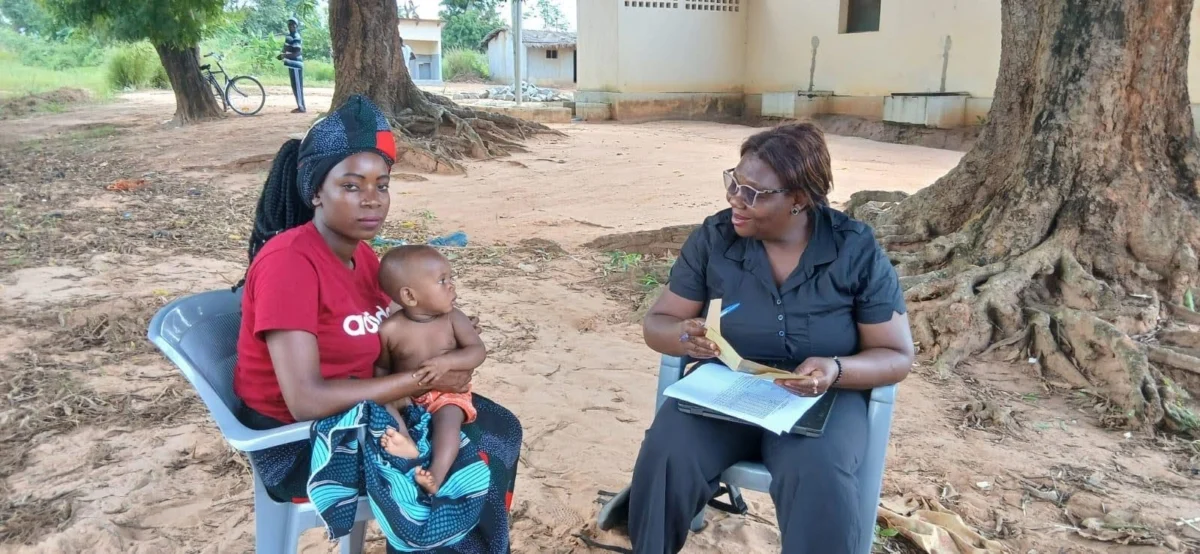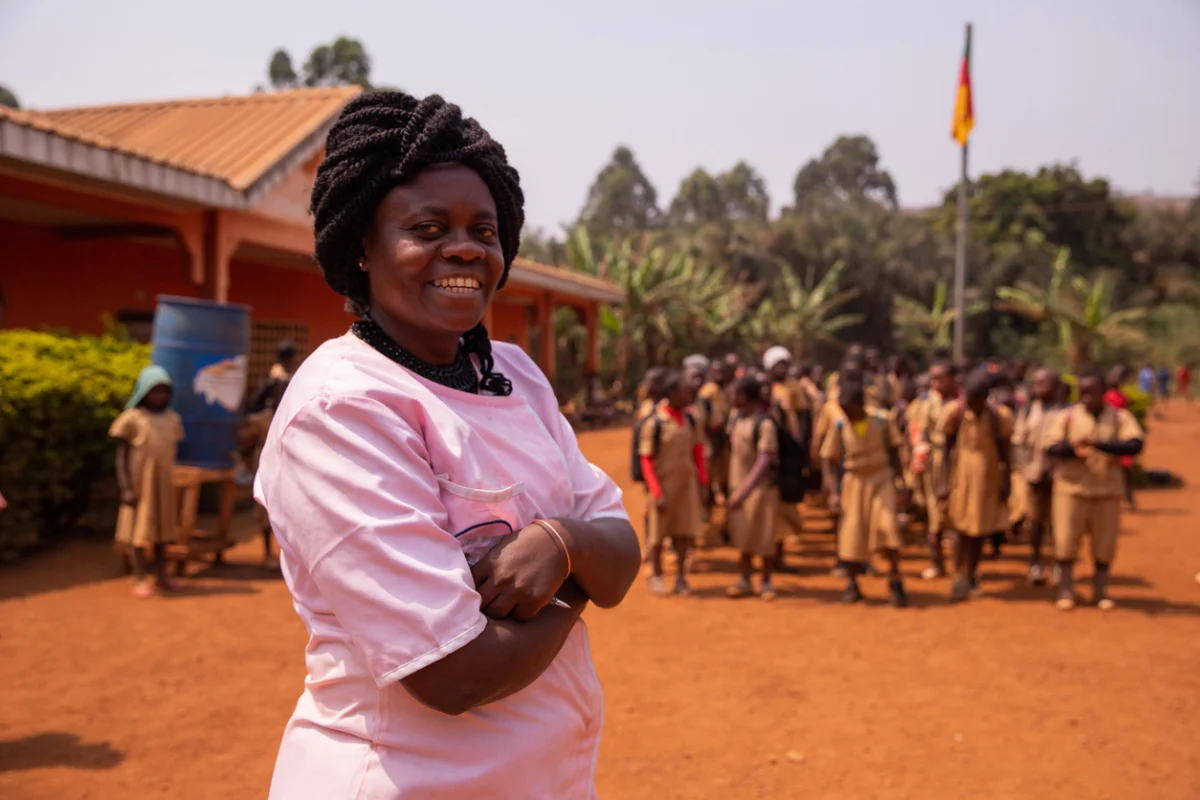
In the remote landscapes of the Devbhumi Dwarka District in Gujarat, India, a transformative shift in public health communication is unfolding as frontline workers move from being passive consumers of information to active creators of digital health media. World Education, an initiative of JSI Research & Training Institute, Inc., has successfully partnered with John Snow India Private Limited (JSIPL) to pilot a program that integrates generative artificial intelligence (GenAI) into the daily workflows of community health workers. By utilizing Adobe Express and its embedded GenAI capabilities, these workers—known as Anganwadi Workers (AWWs)—are now producing culturally relevant, visually driven health education materials designed to bypass literacy barriers and reach families in some of the most underserved regions of the country.
The Anganwadi System and the Communication Challenge
To understand the impact of this digital intervention, one must first look at the backbone of India’s rural healthcare infrastructure. The Anganwadi system, part of the Integrated Child Development Services (ICDS) program launched by the Indian government in 1975, employs millions of women as community-based workers. These workers are the primary point of contact for families regarding maternal health, infant nutrition, and early childhood education. In Gujarat alone, there are thousands of Anganwadi centers serving as vital hubs for social welfare.
However, a persistent challenge for these frontline heroes has been the quality and accessibility of educational materials. Historically, health posters and pamphlets were designed by external agencies located in urban centers, far removed from the daily realities of village life. These materials were often text-heavy, expensive to print, and slow to distribute. In districts like Devbhumi Dwarka, where literacy levels vary significantly and local dialects may differ from standardized written Hindi or Gujarati, traditional brochures often failed to resonate. Furthermore, the reliance on outsourced design meant that if a health crisis emerged or a specific local myth needed debunking, it could take weeks or months to produce and deliver relevant content.
A Strategic Pivot to Generative AI
The partnership between World Education and JSIPL sought to address this lag by exploring whether GenAI could empower local staff to create their own resources. The project focused on using Adobe Express, a design platform that incorporates Firefly, Adobe’s family of creative generative AI models. The goal was to determine if GenAI could help frontline teams build high-quality resources in real-world settings characterized by inconsistent internet connectivity, limited technical capacity, and a desperate need for visual-first communication.
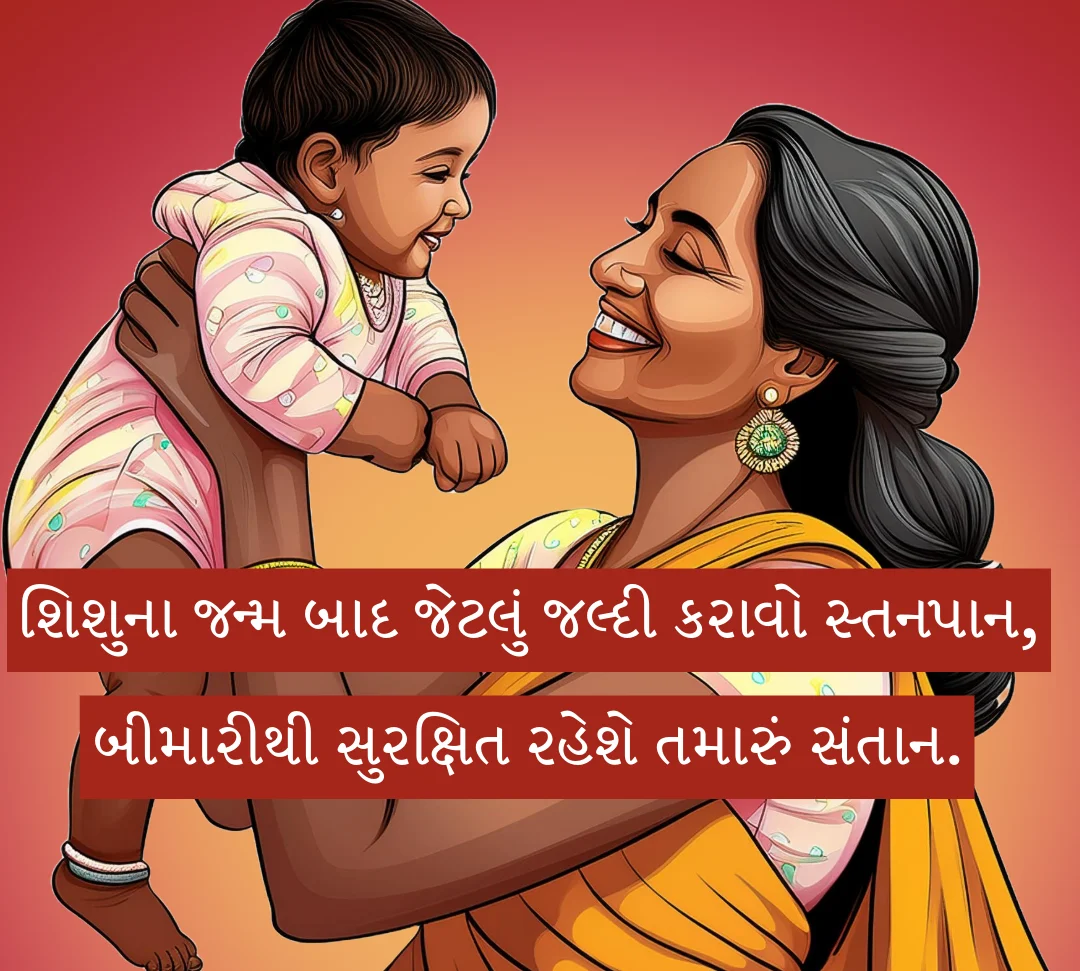
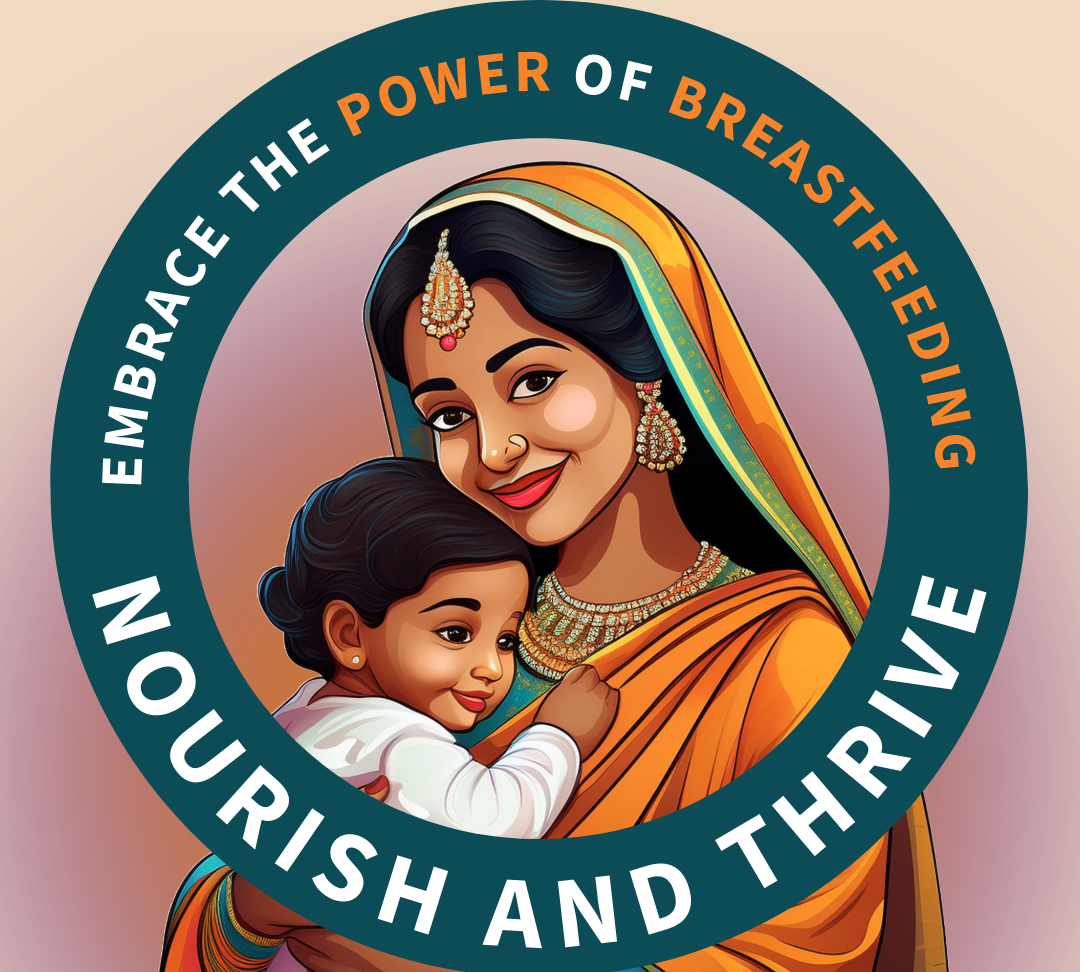
The initiative moved away from the traditional model of "delivering" technology to a community. Instead, it focused on "augmentation," where AI tools were used to enhance the existing expertise of health workers. By using GenAI, staff could generate images that accurately reflected the clothing, architecture, and physical features of the local population. For instance, when early templates provided generic or Western-centric imagery of mothers and children, staff used text-to-image prompts to create visuals that depicted Indian women in traditional local attire, such as sarees or lehengas, in settings that resembled the rural households of Gujarat.
The Implementation Timeline: From Modeling to Independence
The program followed a structured "gradual release" chronology designed to ensure sustainable adoption of the new technology:
- Phase I: Modeling and Exploration (Months 1-2): World Education specialists demonstrated the capabilities of Adobe Express and GenAI to district-level health staff. This phase focused on showing how a simple text prompt could be transformed into a professional-grade graphic or video.
- Phase II: Co-Design and Iteration (Months 3-4): Health teams and designers worked together to identify priority health topics, such as exclusive breastfeeding, the importance of colostrum, and complementary feeding for infants. They experimented with different formats, including GIFs for WhatsApp and short instructional videos.
- Phase III: Guided Production (Months 5-6): Local staff began taking the lead in content creation. During this stage, the "human-in-the-loop" element was critical. While the AI could generate an image of a pregnant woman, the local staff ensured the health messaging—such as the specific nutritional advice for the third trimester—was medically accurate and culturally sensitive.
- Phase IV: Full Autonomy and Peer Training (Month 7 onwards): The project reached a tipping point where district staff began training their own colleagues. One notable success story involved a team member who, after mastering the platform, independently organized workshops to teach other Anganwadi supervisors how to use GenAI to update their monthly health bulletins.
Data-Driven Insights and Operational Efficiency
The transition to AI-supported design has yielded significant improvements in operational efficiency. According to project observations, the time required to produce a localized health poster was reduced from several weeks (under the outsourcing model) to less than 30 minutes. This rapid turnaround is crucial in public health, where timely information can influence health outcomes during seasonal disease outbreaks or local health campaigns.
The economic implications are equally noteworthy. By moving design capabilities in-house, the district health office reduced the costs associated with hiring professional graphic designers and the logistical expenses of distributing physical prints. Since the majority of communication in rural India now occurs via WhatsApp, the ability to create and share digital-first content—videos, GIFs, and high-resolution images—directly aligns with the existing habits of the community.
In terms of engagement, field testing revealed that families were 40% more likely to interact with and recall information from visual-based digital media compared to traditional text-heavy pamphlets. For mothers with limited literacy, the ability to see a visual demonstration of a concept, such as the correct positioning for breastfeeding, proved far more effective than reading a list of instructions.
Official Responses and Scalability
The success of the pilot has drawn praise from leadership within the public health sector. Dr. Sanjay Kapur, Managing Director of JSIPL, highlighted the potential for the program to transform the national landscape of health education. "This innovation can be scaled easily to millions of such Anganwadi Workers, thus reaching millions of mothers and children in a short period of time," Dr. Kapur stated. He emphasized that the simplicity of the AI interface is the key to its scalability, as it does not require a background in graphic design to produce professional results.
Representatives from World Education also noted that the project serves as a blueprint for "digital equity." By providing rural workers with the same cutting-edge tools used by global marketing firms, the program bridges the digital divide and ensures that the benefits of the AI revolution are not confined to urban tech hubs.

Broader Implications for Global Health and Digital Transformation
The Gujarat pilot offers several broader lessons for the international development community. First, it challenges the narrative that AI will replace human workers. In this context, GenAI acted as a "starting point" that reduced the "fear of the blank page." It allowed workers who previously felt intimidated by design software to become creators. The human element remained the most important part of the process; the AI could not replace the Anganwadi worker’s knowledge of her community’s specific needs or the trust she has built with local families.
Second, the project underscores the importance of localization in health equity. For decades, global health organizations have struggled with "top-down" communication strategies that feel alien to local populations. GenAI provides a cost-effective way to "hyper-localize" content, ensuring that every village can see itself reflected in the health advice it receives.
Finally, the project highlights the role of private-sector partnerships in social good. The support from Adobe allowed World Education and JSIPL to leverage high-end commercial tools for a humanitarian purpose. As GenAI continues to evolve, such collaborations will be essential in ensuring that the technology is used to solve the world’s most pressing challenges, including maternal and child mortality in remote regions.
Conclusion: A Community-Led Digital Future
The work in Devbhumi Dwarka District suggests that the next phase of digital transformation in the developing world will not be about what technology can do for communities, but what communities can do with technology. By equipping Anganwadi Workers with GenAI tools, World Education and JSIPL have fostered a sense of ownership and agency among frontline staff.
As these health workers continue to share their AI-generated posters and videos across WhatsApp groups in rural Gujarat, they are doing more than just sharing health tips; they are demonstrating a new model of community-led innovation. In the future, the success of a public health campaign may not be measured by how many posters were printed, but by how quickly and accurately a local worker could use AI to address a neighbor’s concern, in their own language and with their own culture at the center of the frame.