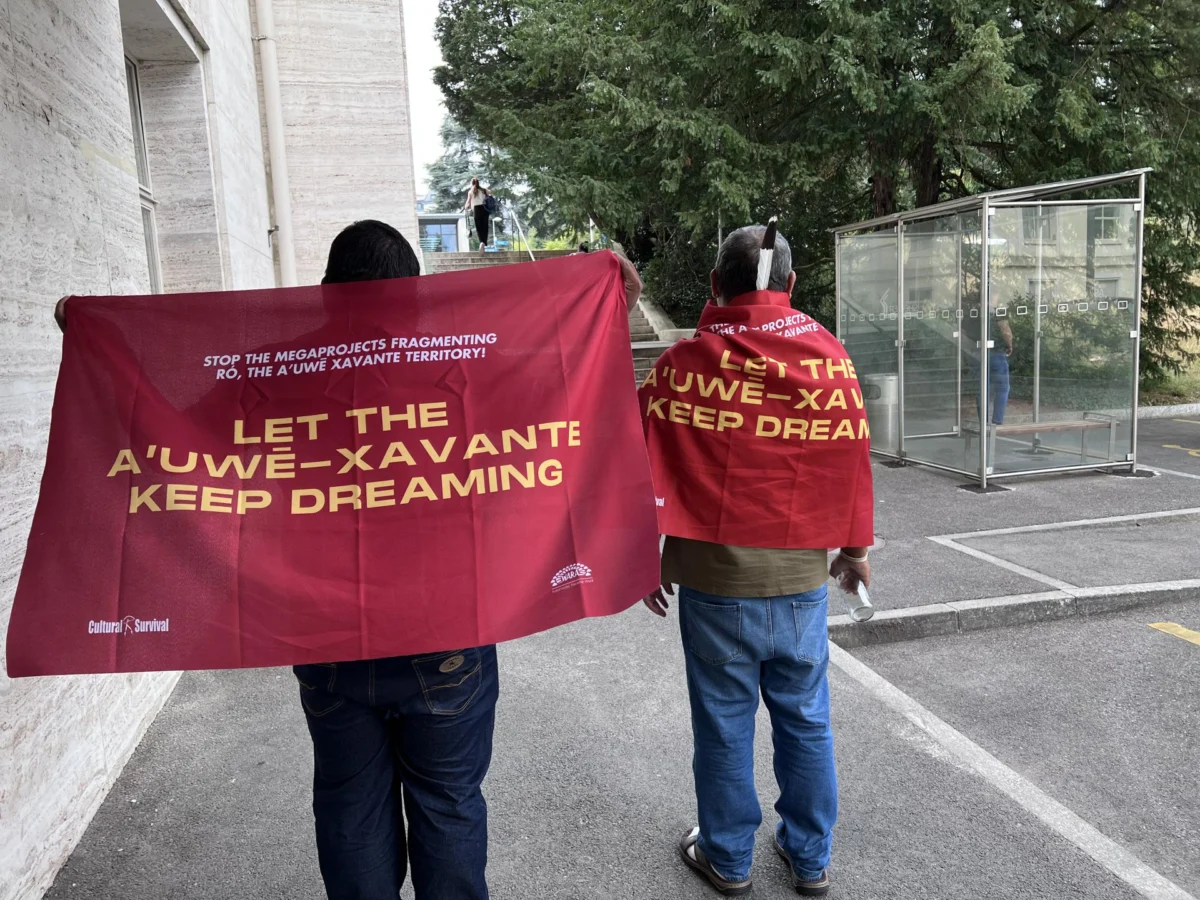
On July 15, 2026, amidst the 19th session of the UN Expert Mechanism on the Rights of Indigenous Peoples (EMRIP) in Geneva, a coalition of Indigenous organizations and allies launched a critical advocacy brief, "Let the A’uwá-Xavante Keep Dreaming." This initiative, spearheaded by the Xavante Warã Association, communities within the Areões Indigenous Land, Mobilization of Cerrado Indigenous Peoples (MOPIC), Rede Cerrado, and Cultural Survival, aims to amplify the A’uwá-Xavante people’s urgent plea for the protection of their rights, territories, and self-determination in Brazil. The brief underscores a profound paradox at the heart of global climate policy: infrastructure and mining projects, often championed as "low-carbon solutions" for economic growth, are increasingly encroaching upon Indigenous territories without the Free, Prior and Informed Consent (FPIC) of the peoples who inhabit them.
The immediate catalyst for this international advocacy is the planned construction of the Ferrovia de Integração do Centro-Oeste (FICO) railway. Promoted by the Brazilian government and its economic partners as a vital artery for agribusiness exports and a testament to low-carbon logistics, the FICO project is slated to bisect the A’uwá-Xavante territory. For the A’uwá-Xavante, however, this railway represents not progress, but an existential threat. They contend that the project is advancing without genuine FPIC, jeopardizing the sacred sites, pristine water sources, and intricate food systems that form the bedrock of their ceremonial life and cultural continuity.
The presence of A’uwá-Xavante and Xikrin leaders at the UN EMRIP session, from July 13 to 17, serves as a stark warning to the international community. Their advocacy campaign, "Let the A’uwá-Xavante Keep Dreaming," directly confronts the narrative that economic development, even framed as "green," can proceed at the expense of Indigenous peoples’ fundamental rights. The A’uwá-Xavante view their territory not merely as land, but as a living world that sustains their sustenance, rituals, historical memory, and their very capacity to envision a future. Leaders have articulated a grave concern: the fragmentation of their ancestral lands would inevitably lead to the fragmentation of their people, undermining their social fabric and cultural resilience.
Voices from the Frontlines: Indigenous Leaders Speak Out
The urgency of the A’uwá-Xavante’s situation was palpable in the testimonies shared at the UN. Hiparadi Dzutsi Wa Top Tiro, chief of Abelhinha Village in the Sangradouro Indigenous Territory, articulated the delegation’s mission: "We have come to the UN in Geneva to reveal to the world what is happening in our territories. Megaprojects are being forced upon our lands without our Free, Prior and Informed Consent, driven by empty promises that mislead our leaders. We are here to demand genuine dialogue with the government and the mega corporations, to ensure that our voices are heard and that our lands & lifeways are respected." His words highlight a pattern of alleged coercion and misrepresentation that has characterized the consultations surrounding the FICO project.
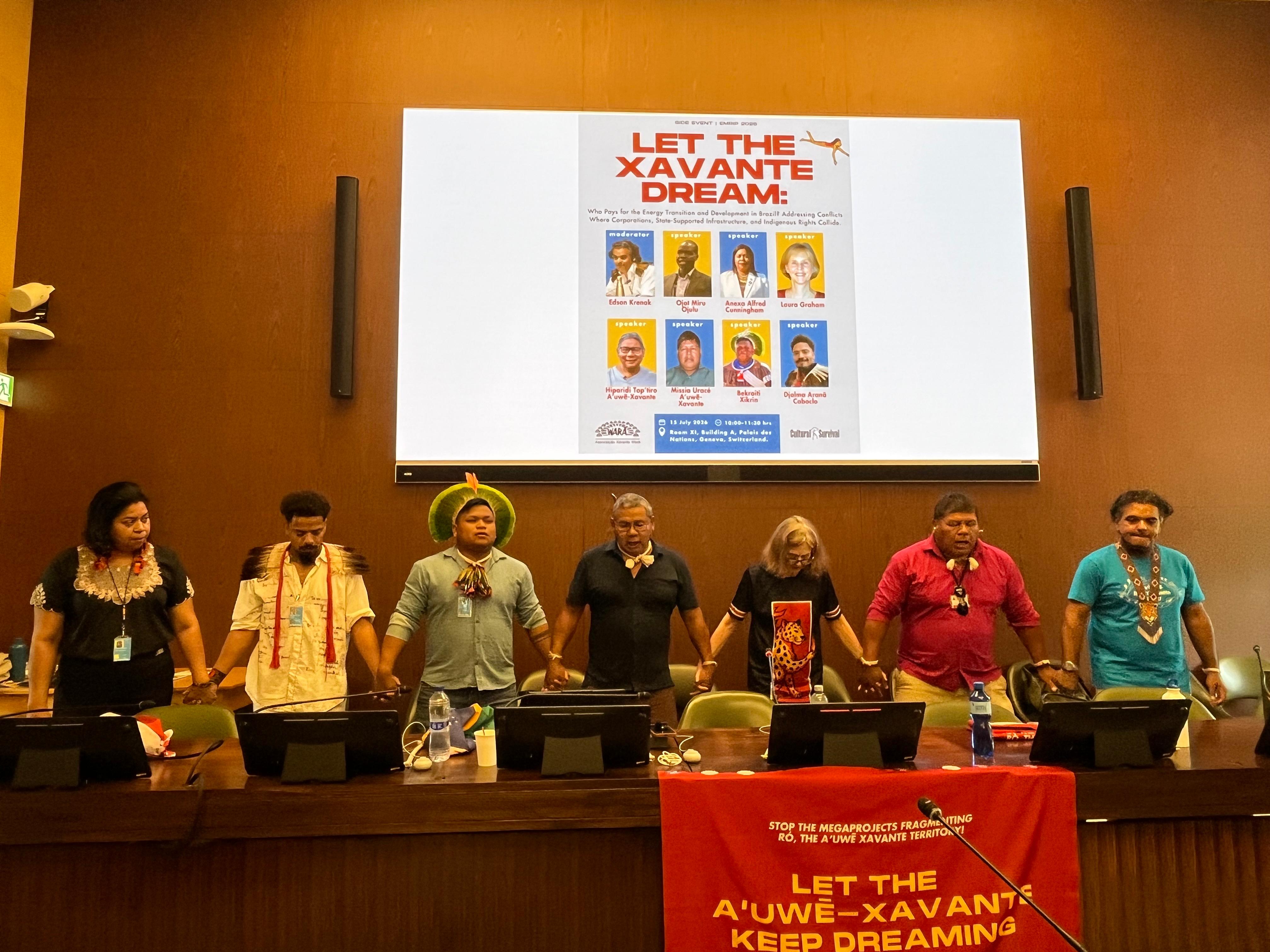
Missia Ihiwe Urace, a leader of the Areões Indigenous Peoples from the Mutum community, underscored the Brazilian government’s alleged disregard for its international commitments. "The Brazilian government does not respect ILO Convention 169, which it signed in 2004 to guarantee our rights," she stated. "The governor, politicians, and agribusiness are violating our rights, pushing projects onto our territories without consulting us. There is a desire to destroy our culture, but we are still here, resisting. Brazil and its people demand that we respect their laws and rights, but they do not extend the same courtesy to us. They demand respect, but they do not reciprocate." This accusation points to a systemic issue where international legal obligations appear to be selectively applied, particularly when they conflict with powerful economic interests.
The perspective of younger generations was powerfully conveyed by Bekroiti Xikrin, a youth leader, teacher, and researcher. "The world speaks of a ‘green transition,’ but for us, it means the destruction of our home," he asserted. "There is no just transition if it continues to sacrifice Indigenous peoples. We are the guardians of the forest, not suppliers of strategic minerals. If you want a sustainable future, you must respect our lands and our lives." His statement directly challenges the notion of a "green transition" that overlooks the foundational role of Indigenous peoples as stewards of biodiversity and critical ecosystems.
Background and Context: The FICO Railway and Historical Violations
The Ferrovia de Integração do Centro-Oeste (FICO) project is part of a broader infrastructure development strategy aimed at enhancing Brazil’s logistical capacity, particularly for the export of agricultural commodities. The railway, proposed to connect the states of Goiás and Mato Grosso, is envisioned to facilitate the movement of grains and other products from the country’s interior to ports, thereby reducing transportation costs and increasing competitiveness in the global market. Proponents, including the Brazilian government and private sector entities involved in its development, frequently tout the project’s potential economic benefits and its alignment with climate goals due to its purported lower carbon footprint compared to road transport.
However, the route of the FICO railway cuts directly through established Indigenous territories, including those of the A’uwá-Xavante people. These lands are not merely geographical spaces but are deeply intertwined with the cultural, spiritual, and material well-being of Indigenous communities. For the A’uwá-Xavante, the territory is the repository of their ancestral knowledge, their traditional practices, their sacred sites, and the natural resources that sustain their livelihoods and ceremonial life.
The history of the A’uwá-Xavante people is marked by significant challenges and resilience. In the 20th century, they, like many other Indigenous groups in Brazil, faced forced displacement, disease, and cultural disruption due to colonial expansion and development projects. Their return to and re-establishment of their ancestral lands is a testament to their enduring connection to their territory and their determination to rebuild their lives and culture. The current threat posed by the FICO railway is perceived as a continuation of these historical injustices, raising fears of renewed dispossession and the erosion of their hard-won autonomy.
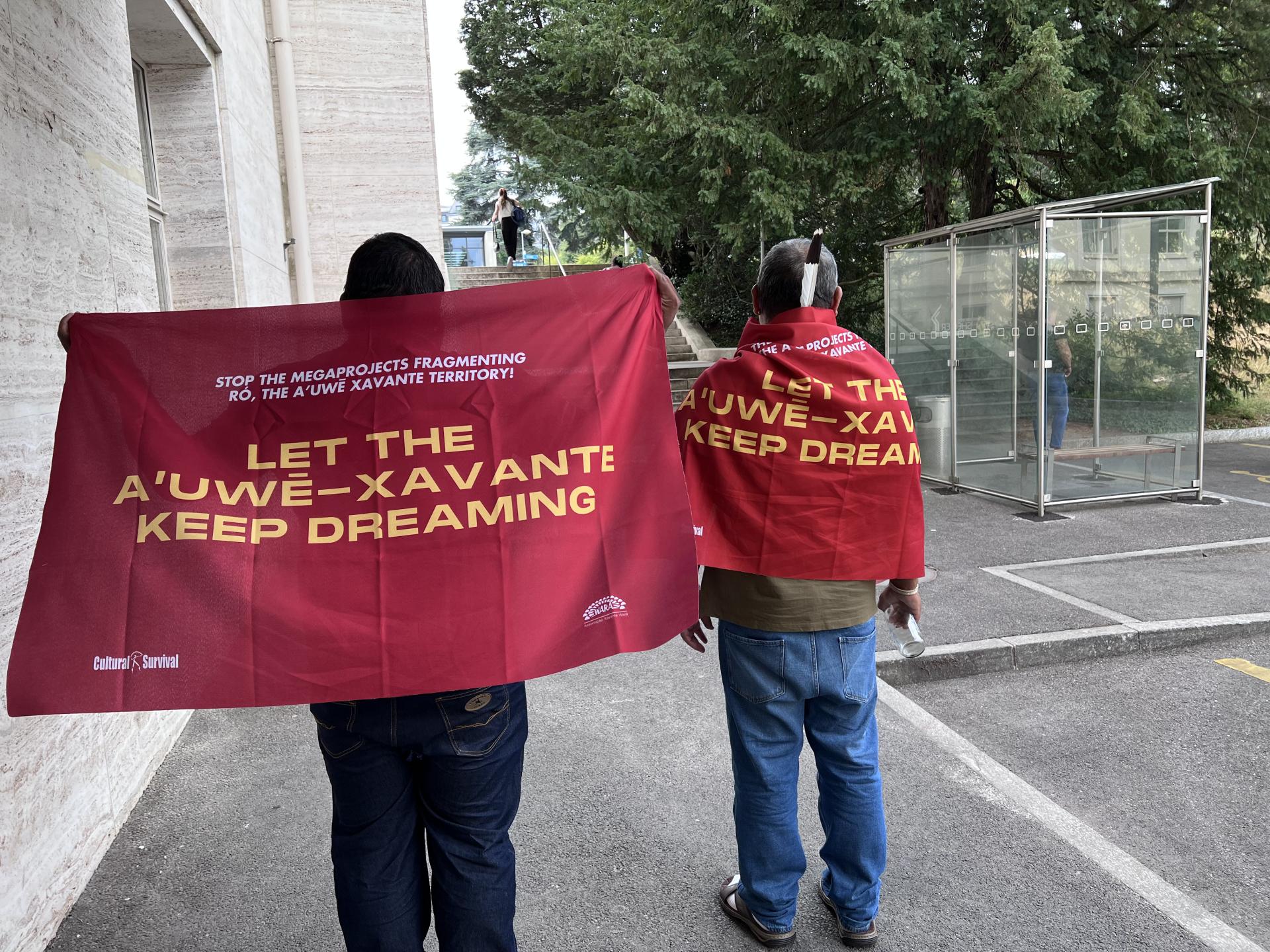
The Advocacy Brief: A Multifaceted Strategy for Rights Protection
The advocacy brief, "Let the A’uwá-Xavante Keep Dreaming," is a culmination of extensive research, community consultations, and a strategic approach that integrates legal action, international diplomacy, and global solidarity. The document, adapted from a submission presented to the UN EMRIP, meticulously details the concerns of the Indigenous delegation. It highlights the alleged inadequacies of the consultation processes, citing instances of fragmented engagement, pressure exerted on communities, and a perceived imbalance of power between Indigenous peoples and the state and corporate entities driving the project.
The brief argues that the Brazilian government is framing the FICO railway as a "development" project, a narrative that, according to the A’uwá-Xavante, masks a potential deepening of historical violations. The document emphasizes that the project’s advancement without proper FPIC violates not only national laws and international conventions but also the fundamental right of Indigenous peoples to self-determination and to decide their own development paths. The A’uwá-Xavante are not inherently opposed to progress, but they demand that any development affecting their territories be undertaken with their full consent and in a manner that respects their cultural integrity and environmental stewardship.
The Paradox of "Green" Infrastructure: A Global Concern
The case of the A’uwá-Xavante and the FICO railway exemplifies a growing global concern: the potential for "green" infrastructure and climate mitigation projects to inadvertently, or sometimes deliberately, lead to the violation of Indigenous rights. As the world grapples with the existential threat of climate change, there is an increasing push for large-scale projects, including renewable energy installations, mining for critical minerals, and new transportation networks, that are deemed essential for a low-carbon future.
However, many of these projects are located on or near Indigenous territories, which often contain rich natural resources and are critical for biodiversity conservation. The challenge lies in ensuring that the pursuit of climate goals does not come at the cost of Indigenous peoples’ rights, which are internationally recognized and often enshrined in national legislation. The principle of FPIC, as outlined in the UN Declaration on the Rights of Indigenous Peoples (UNDRIP) and ILO Convention 169, is crucial in this context. It mandates that Indigenous peoples must be consulted and have the right to give or withhold their consent to projects that affect them.
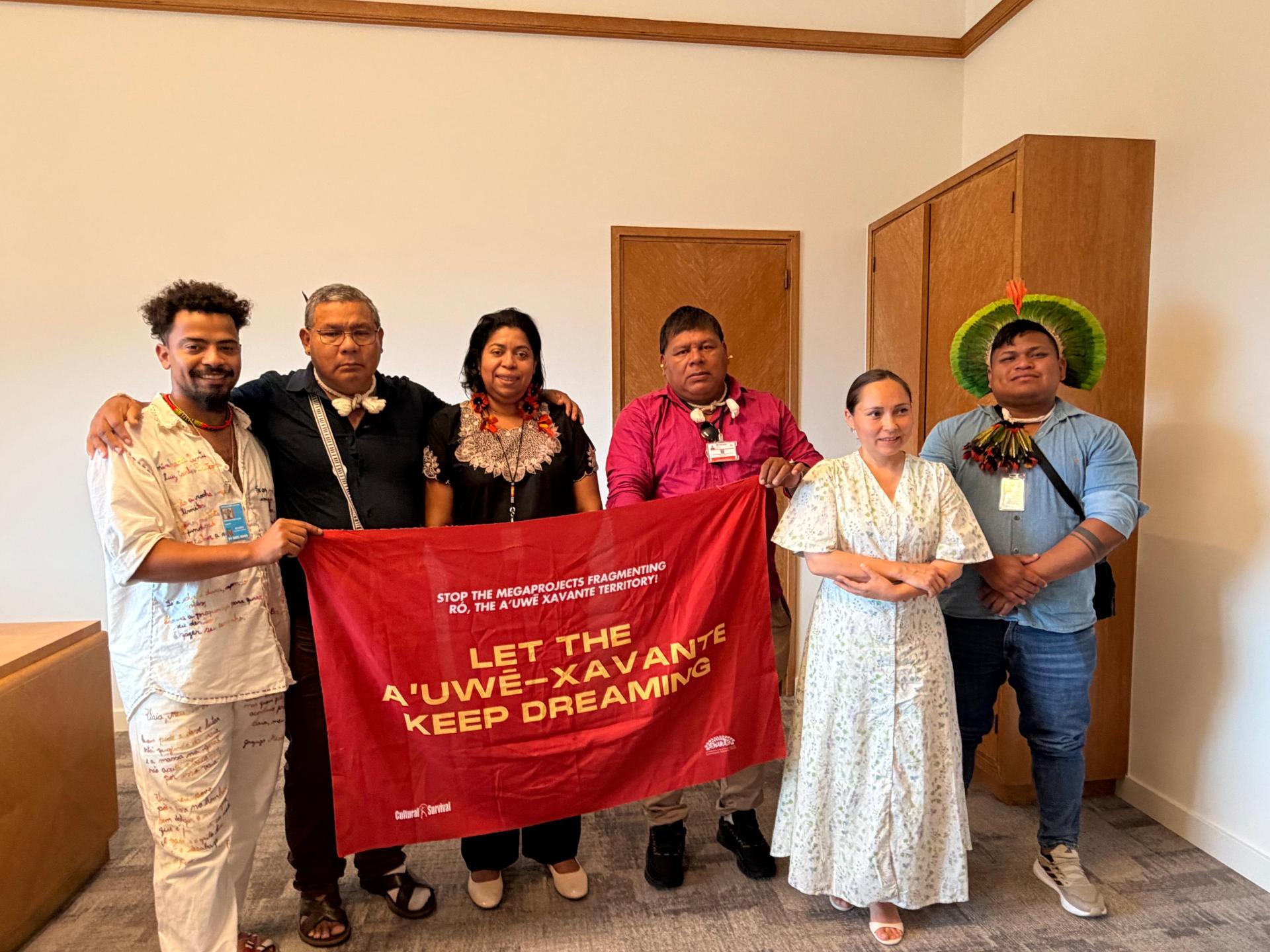
The A’uwá-Xavante delegation’s presence at the UN is a call for greater accountability from governments and corporations involved in such projects. They are urging the international community to scrutinize the true sustainability and equity of these "green" initiatives and to ensure that they are implemented in a manner that respects human rights and promotes genuine environmental justice. The warning is clear: a transition to a sustainable future cannot be built upon the dispossession and marginalization of Indigenous peoples.
Broader Implications and Future Actions
The advocacy launched by the A’uwá-Xavante and their allies has far-reaching implications. It shines a spotlight on the complex interplay between economic development, environmental policy, and human rights in Brazil and globally. The case raises critical questions about the effectiveness of current consultation mechanisms, the enforcement of international legal standards, and the need for greater transparency and accountability in large-scale infrastructure projects.
The campaign "Let the A’uwá-Xavante Keep Dreaming" is not just a plea for a specific territory; it is a call to uphold the rights of all Indigenous peoples who are on the frontlines of climate change and development pressures. The A’uwá-Xavante’s struggle highlights the interconnectedness of cultural survival, environmental protection, and human dignity.
Take Action:
In response to the urgent call for solidarity, a petition has been launched urging action to defend Xavante Territory (Rõ) from fragmentation driven by large-scale projects. This petition provides a direct avenue for global citizens to express their support for the A’uwá-Xavante people and to pressure relevant authorities to uphold Indigenous rights. The success of such campaigns often relies on sustained public engagement and a collective demand for responsible development practices.
The ongoing efforts of the A’uwá-Xavante and their partners underscore the critical need for a paradigm shift in how development projects are conceived and implemented. It is a call for a future where economic progress and environmental sustainability are not mutually exclusive but are pursued in genuine partnership with Indigenous peoples, respecting their inherent rights and their vital role as guardians of the planet. The dream of the A’uwá-Xavante is a dream of a future where their culture, their lands, and their self-determination are not sacrificed for the sake of purported progress, but are instead foundational to a truly just and sustainable world.