The preservation of familial history often relies on the physical artifacts left behind—photographs, letters, and heirlooms—yet a growing body of sociological research suggests that the most resilient forms of heritage are often the most ephemeral: recipes and culinary rituals. For many families, the death of a primary cook represents a significant loss of "intellectual property" that cannot be recovered through traditional documentation. This phenomenon is currently at the center of a broader cultural conversation regarding the reconstruction of lost domestic knowledge, as individuals attempt to reverse-engineer the flavors of their past through oral histories and sensory experimentation.
The Archeology of the Kitchen: Reassembling the ‘Famous’ Caesar
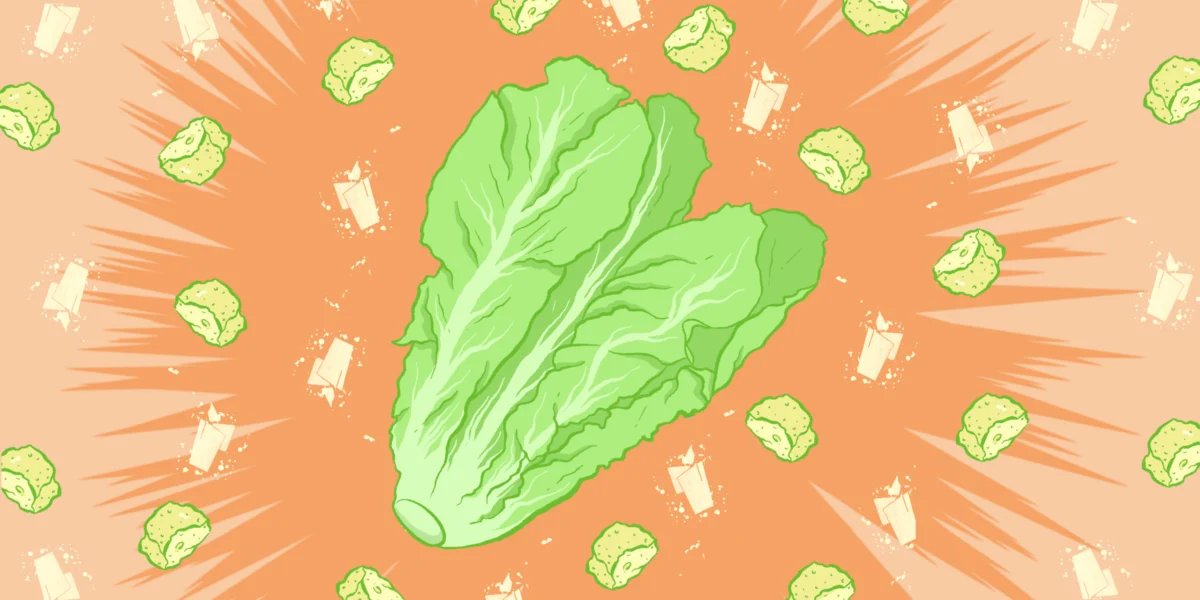
The case of T-Kira Mahealani Madden, an author whose work was recently featured in the reprint of Autostraddle’s print magazine, serves as a poignant example of this culinary archeology. Madden’s exploration of her late father’s "famous" Caesar salad highlights the complexities of reconstructing a recipe that was never formally recorded. The process involves synthesizing conflicting accounts from various witnesses—family members and friends who remember different key ingredients, ranging from whole grain mustard and fresh eggs to anchovy paste and jarred garlic.
Central to this specific reconstruction is the "seasoned wooden bowl," a physical object that survivors believe held the "essence" of the dish. In culinary science, the seasoning of wooden vessels is a recognized method of flavor enhancement, where oils and aromatics from previous preparations penetrate the porous surface of the wood, creating a unique flavor profile over decades. This physical artifact acts as a bridge between the deceased and the living, though it remains insufficient to replicate the specific technique of the original creator.
The ‘Talking Story’ Tradition and Oral Transmission
The methodology used to recover these lost recipes often mirrors the Hawaiian cultural practice of "talking story." This tradition of oral communication serves as a vital tool for the transmission of history, values, and practical knowledge within a community. In the context of culinary heritage, "talking story" becomes a form of investigative journalism where descendants interview surviving peers of the deceased to fill in the gaps of a lost process.
According to cultural anthropologists, this repetitive act of storytelling—or "imitating, perpetuating, and gossiping," as described in Madden’s account—is the primary defense against the total erasure of a person’s impact on the world. In many Asian and Pacific Islander cultures, the concept of a "mother brine" or a starter culture passed down through generations—sometimes included as part of a dowry—symbolizes the literal continuation of a family’s biological and culinary identity. This practice ensures that a person’s "ideas" and "potential energy" remain active in the world long after their physical passing.
Sensory Archives: The Intersection of Food and Memory
The drive to preserve recipes is supported by the psychological phenomenon known as the "Proustian Moment," or involuntary memory. Scientific studies have shown that the olfactory system—responsible for the sense of smell—is more closely linked to the hippocampus and amygdala (the brain’s centers for memory and emotion) than any other sense. This biological link explains why the scent of a specific salad dressing or the sizzle of garlic can trigger vivid, emotionally charged memories of a deceased loved one.
Data from the American Psychological Association suggests that engaging in "continuing bonds" with the deceased, such as cooking their signature dishes, can be a healthy part of the grieving process. Rather than "moving on" and severing ties, survivors find comfort in integrating the legacy of the deceased into their current lives. For Madden, the act of asking, "How did he make it and why was it good?" is analyzed as being more significant than the actual accuracy of the final dish. The inquiry itself serves as a rebuttal to the finality of death.
The Chronology of Culinary Influence
The timeline of culinary influence often spans decades, beginning with childhood observations and culminating in adult efforts to replicate those early experiences.
- Observation Phase: Children witness the rituals of their parents—such as Madden watching her father at a kitchen island under a spotlight—often without participating or even tasting the final product.
- The Loss Event: The death of the "knowledge holder" creates an immediate vacuum of information.
- The Inquiry Phase: Years later, the descendant begins to solicit information from the "surviving archive" (friends, siblings, and spouses).
- The Replication Phase: The descendant attempts to cook the dish, often using the original tools (like the wooden bowl) to bridge the gap.
- The Evolution Phase: The recipe is modified, becoming a hybrid of the original and the new cook’s personal style.
This chronology demonstrates that recipes are not static documents but living entities that evolve with each generation.
Living History: The Role of Botanical Propagation in Heritage
The preservation of heritage is not limited to the kitchen; it extends to the literal rooting of history through botany. A notable instance of this is the story of a fig tree clipping taken from Plato’s Academy in Athens, Greece, in the 1980s. This clipping, smuggled into the United States, has been kept alive for over 40 years by individuals within the New York City community, serving as a living memorial to those lost during the AIDS crisis.
The act of "propagating" a plant—taking a cutting and encouraging it to grow new roots—is a powerful metaphor for cultural survival. When a survivor shares a clipping of a plant with a friend, they are distributing a piece of history that requires active care to survive. This "botanical archive" functions similarly to a recipe; it is a physical manifestation of a relationship that continues to grow and adapt to new environments, such as moving from a New York laundry room to a home in the American South.
Broader Impact and Social Implications
The trend toward documenting and sharing family recipes has seen a resurgence in the digital age, with platforms dedicated to "heritage cooking" and the preservation of indigenous and immigrant foodways. Sociologists argue that this movement is a response to the homogenization of global food culture. By focusing on specific, non-commercialized family traditions, individuals are asserting their unique identities in an increasingly uniform world.
Furthermore, the act of feeding others is increasingly recognized as a form of "social currency." Madden’s anecdote regarding shipping a "military-grade thermos" of stew across state lines to a partner illustrates the use of food as a high-stakes communication tool. This "ridiculous gesture," as she termed it, underscores the idea that food is a vessel for labor, time, and affection—elements that constitute the "love" often cited by culinary enthusiasts.
Conclusion: Resistance to the End
The reconstruction of a father’s Caesar salad or the nurturing of an ancient fig tree clipping represents a fundamental human resistance to the end of a legacy. While the new version of a recipe may never perfectly match the original—even when using the same seasoned wooden bowl—the effort to recreate it ensures that the "potential energy" of the original creator is not lost.
In a professional and journalistic context, these domestic acts are seen as vital contributions to the preservation of the "human record." The "whisper" found in the etchings under a dining room table or the sharpie tag in a bathroom—the plea to not be forgotten—is answered through the pan, the salt, and the plate. As root systems are built and recipes are shared, the influence of the past remains rooted in the present, providing nourishment for future generations who will, in turn, become the new imitators, perpetuators, and storytellers.