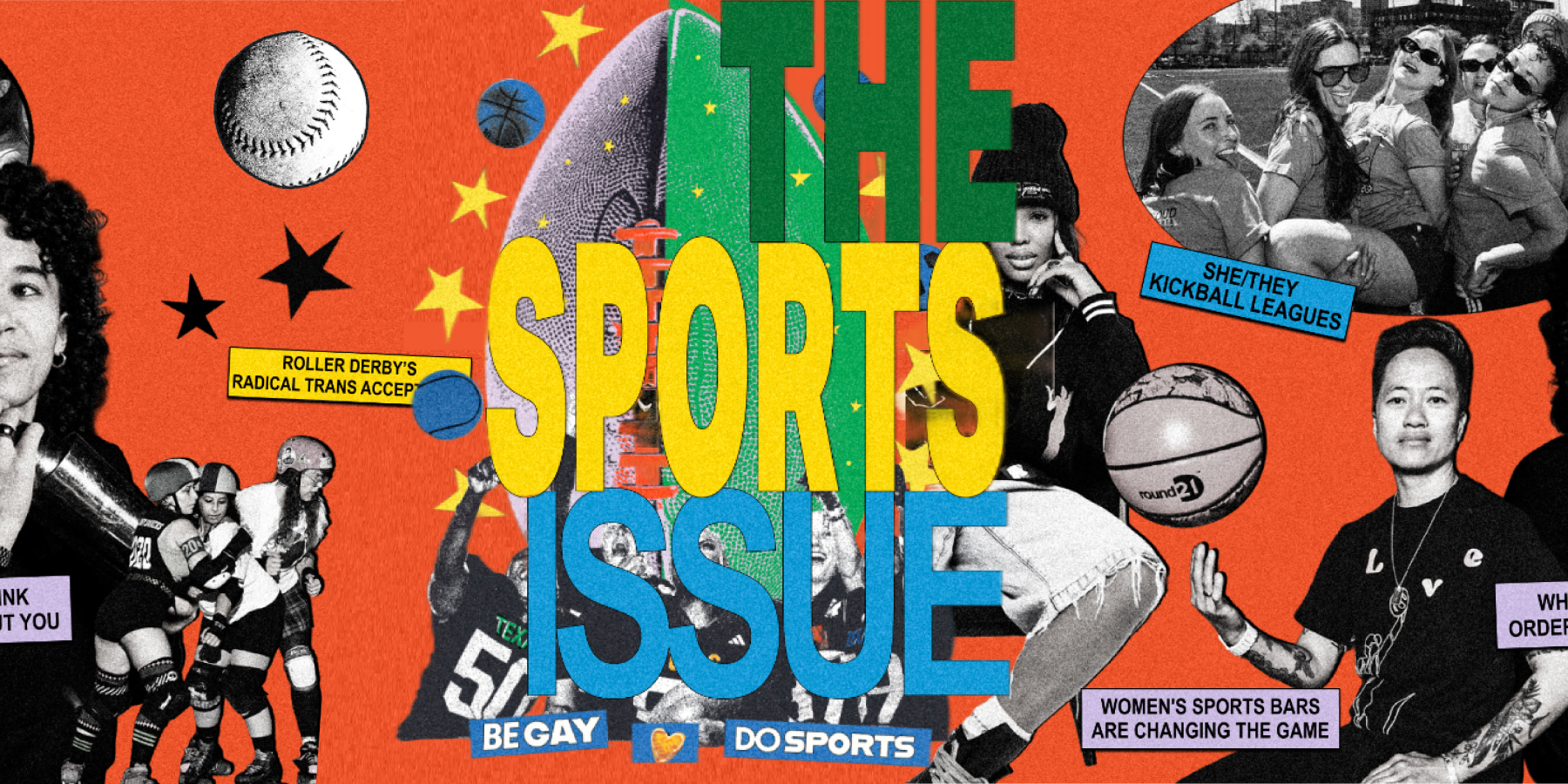
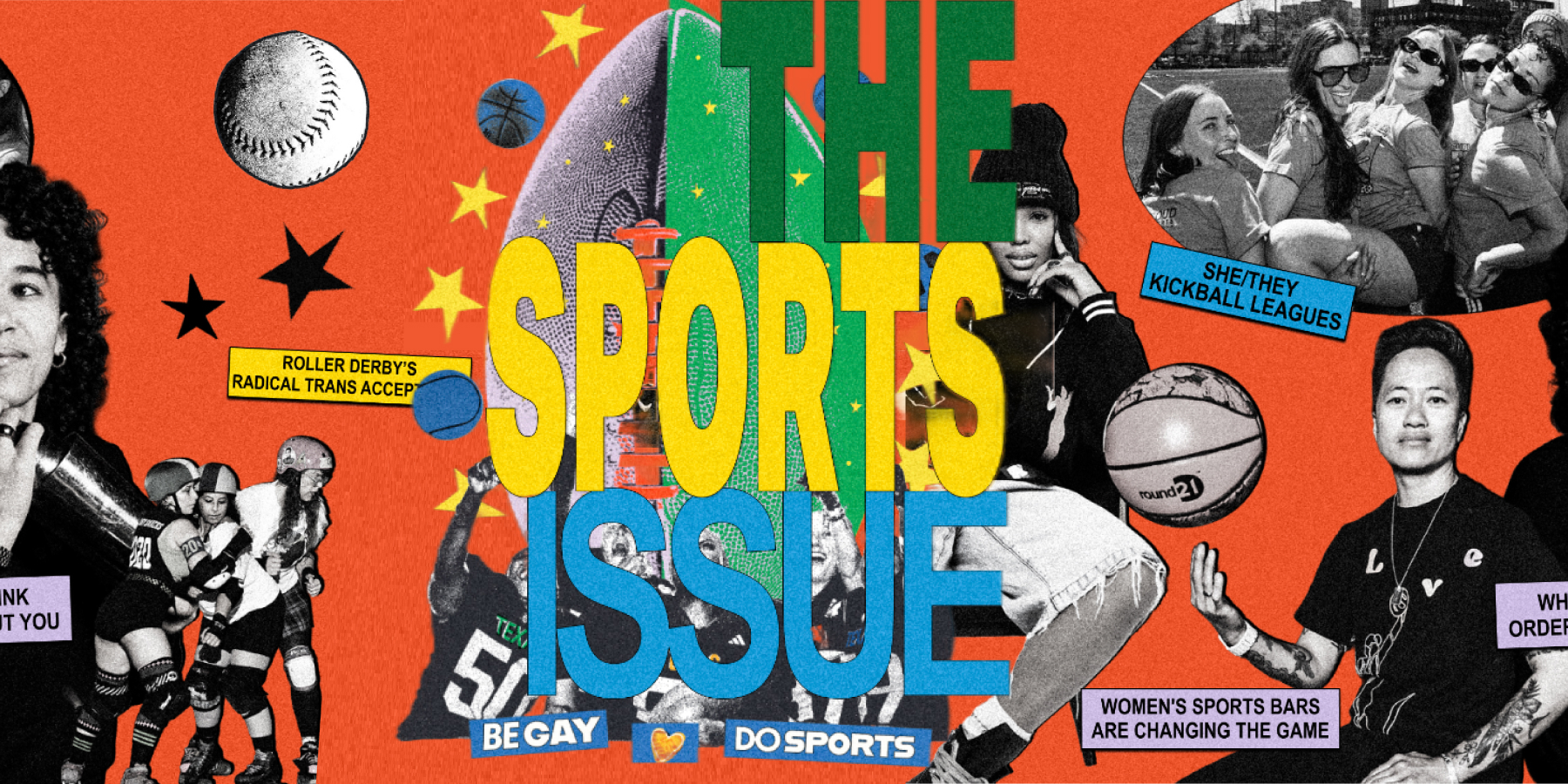
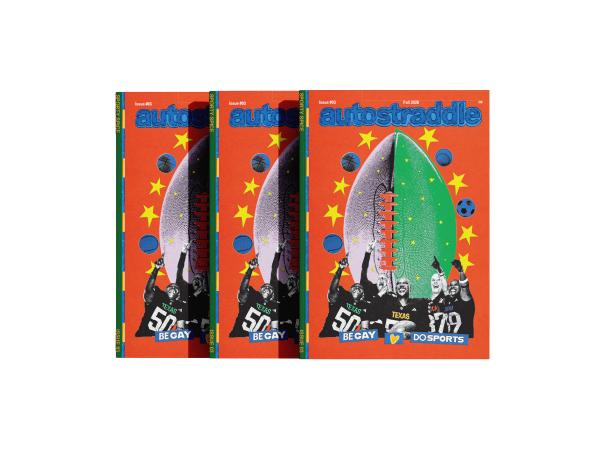
The independent queer media outlet Autostraddle has announced the release of its third print edition, titled The Sports Issue, which explores the historical and contemporary intersections of LGBTQ+ identity and athletic competition. Under the banner theme Be Gay. Do Sports., the publication documents the central role lesbians and queer women have played in the evolution of professional leagues, grassroots community building, and the ongoing movement for gender and pay equity in the sporting world. The issue arrives during a period of unprecedented growth for women’s sports, marked by record-breaking viewership in the WNBA and the successful inaugural season of the Professional Women’s Hockey League (PWHL).
The editorial focus of this issue extends beyond the box scores of professional games, aiming instead to analyze the cultural functions of sports within marginalized communities. While mainstream sports culture has historically been a site of exclusion for queer and trans individuals—ranging from discriminatory school-level policies to the lack of visibility in professional coaching and management—the magazine posits that the LGBTQ+ community has simultaneously cultivated its own robust athletic traditions. These traditions encompass both the high-stakes environment of professional leagues and the community-oriented nature of recreational intramural teams.
The Professional Boom and Queer Leadership
The release of The Sports Issue coincides with a transformative era for women’s professional athletics. Data from 2023 and 2024 indicate a significant surge in commercial interest and fan engagement. According to Nielsen reports, the 2024 WNBA draft saw a 307% increase in viewership compared to the previous year, while the PWHL set multiple world attendance records for women’s hockey within its first few months of operation.
Autostraddle’s coverage highlights that queer athletes have frequently been the vanguard of these movements. The magazine features profiles of prominent figures such as Brittney Griner and Saniya Rivers, examining the "magnetic" chemistry and platonic intimacy between players that fuels fan engagement. This focus on interpersonal dynamics serves as a counter-narrative to traditional sports journalism, which often overlooks the social and emotional structures that sustain women’s teams.
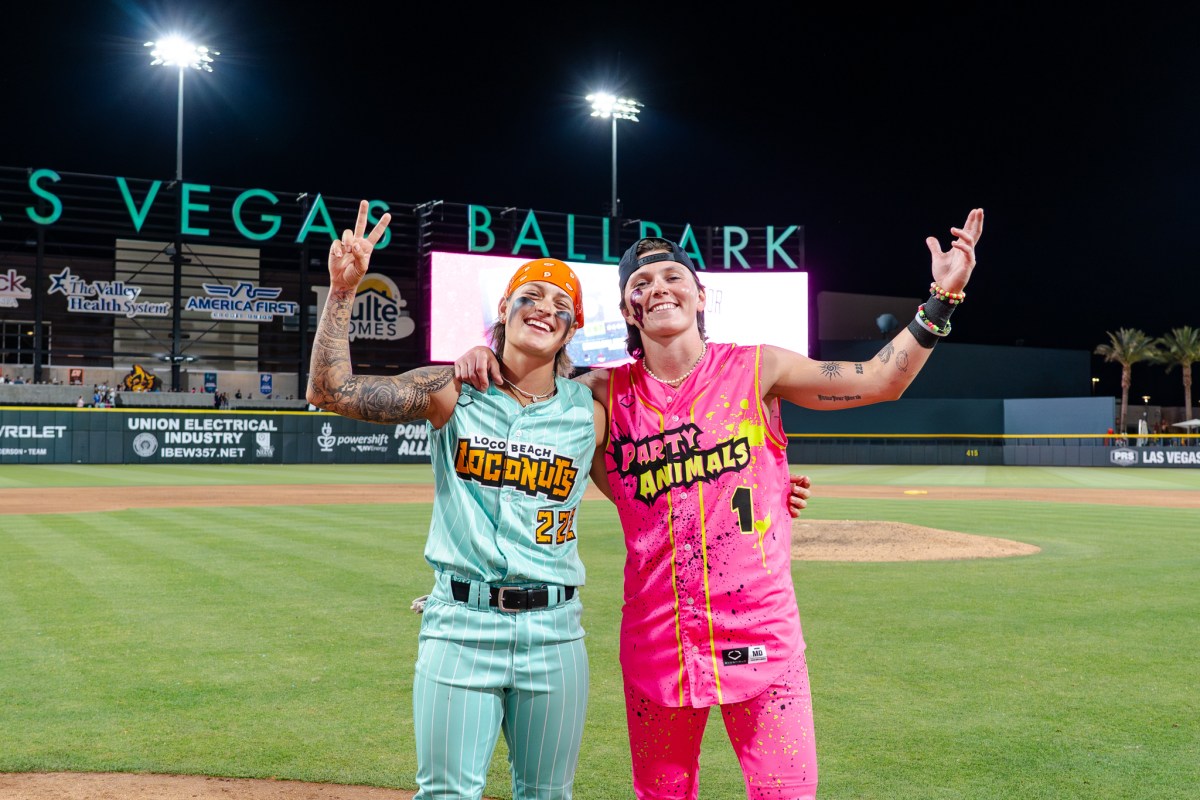
The issue also explores the newly established Women’s Professional Baseball League (WPBL), featuring stars Ashton Lansdell and Denae Benites. The WPBL represents a significant step in rectifying the historical erasure of women in baseball, a sport where they were largely relegated to softball or excluded entirely after the dissolution of the All-American Girls Professional Baseball League in 1954. By documenting these new professional frontiers, the publication provides a record of the structural changes currently reshaping the sports industry.
Feature Case Study: The Texas Elite Spartans
A central component of the new issue is a deep-dive report on the Texas Elite Spartans, a team competing in the Women’s Football Alliance (WFA). Written by Frankie de la Cretaz, co-author of Hail Mary: The Rise and Fall of the National Women’s Football League, the feature examines the realities of semi-professional athletics for Black and queer players.
Despite producing what has been described as the "most viral women’s football video of all time," the Spartans operate in an environment where financial compensation remains elusive. Most players maintain full-time day jobs, balancing professional careers with rigorous training schedules and travel requirements. The report highlights the "bittersweet" nature of their success: while the team enjoys a legacy of chosen family and community support, the systemic barriers to achieving professional-level pay in American football remain a primary obstacle.

The Spartans’ story serves as a broader analysis of the "queer legacy" in contact sports. For many players, the football field offers a space where physical strength and competitive aggression are celebrated rather than stigmatized, providing a contrast to traditional gender expectations. However, the lack of institutional funding for women’s tackle football continues to limit the growth of the sport, despite the high level of skill demonstrated by teams like the Spartans.
The Rise of Queer Sports Bars and Third Spaces
Beyond the field of play, Autostraddle’s Sports Issue investigates the infrastructure of fandom, specifically the recent boom in women’s sports bars. Traditionally, sports bars have been male-dominated spaces where women’s games were rarely broadcast. This began to shift with the opening of "The Sports Bra" in Portland, Oregon, in 2022, which sparked a national trend of establishments dedicated exclusively to women’s athletics.
The magazine’s guide to these establishments reveals that they have evolved into "vibrant and deliberately queer third spaces." In cities like Seattle, Minneapolis, and Chicago, these bars serve a dual purpose: they provide a dedicated venue for viewing games while offering a safe social environment for the LGBTQ+ community. This intersection suggests that the growth of women’s sports is inextricably linked to the demand for inclusive public spaces.
Economic analysts suggest that the "fan-focused" economy of women’s sports is unique because it relies heavily on community-driven marketing and grassroots loyalty. The magazine explores this through segments on "courtside style," WNBA culture, and even the mental health implications of high-stakes racing in Formula 1.
Grassroots Athletics and Trans-Inclusive Models
A significant portion of the publication is dedicated to recreational and amateur sports, framing them as essential tools for mental health and community resilience. The issue advocates for "she/they kickball" and roller derby as models for inclusive athletic participation.
Roller derby, in particular, is cited as a pioneer in trans-inclusive sports policy. While many mainstream athletic organizations are currently grappling with—or actively implementing—bans on transgender women, roller derby leagues have long maintained gender policies that prioritize inclusion. The magazine features personal essays on how activities like bouldering and running allow queer and trans individuals to reclaim their relationship with their bodies in a supportive environment.
The timing of these stories is critical, as 2024 has seen an increase in legislative efforts in the United States to restrict trans participation in sports. At least 25 states have passed laws or regulations that ban transgender students from participating in sports teams that align with their gender identity. The Sports Issue positions athletic participation as a fundamental right, with the editorial stance that "everyone deserves sports."
Historical Context and the Fight for Equal Pay
The struggle for equal pay is a recurring theme throughout the issue, providing historical context for current labor disputes in sports. The magazine references the long-standing efforts of athletes in the National Women’s Soccer League (NWSL) and the U.S. Women’s National Team (USWNT), who successfully reached a landmark $24 million equal pay settlement in 2022.

The publication argues that queer women have been central to these labor movements, often because they lacked the traditional safety nets or endorsements available to male athletes. By documenting the work of "diligent, gregarious builders of community," the issue connects the dots between mid-century "underground" lesbian softball leagues and the multi-million dollar broadcast deals of today.
Implications for Independent Media
The decision to produce a high-quality print magazine about sports also reflects a strategic shift in the independent media landscape. As digital advertising revenue becomes increasingly volatile, many niche publications are returning to print as a way to offer "tangible, archival-quality" content to their subscribers.
Autostraddle, which has operated for nearly two decades, emphasizes that this issue is a "team effort" supported by a subscription model. The inclusion of city guides for Chicago and the Twin Cities, alongside personal essays and advice columns, suggests a holistic approach to lifestyle journalism that integrates sports into the broader fabric of queer life.
Broader Cultural Impact
The release of The Sports Issue by Autostraddle serves as more than a simple collection of athletic stories; it is a sociological document of a community in transition. As women’s sports move toward the mainstream, the magazine raises critical questions about whether this growth will remain inclusive of the queer and trans people who historically sustained these leagues during years of undervaluation.
The analysis provided in the issue suggests that while the "normie" world is finally catching up to the value of women’s athletics, the queer community’s relationship with sports remains distinct. It is a relationship defined by "self-discovery," "chosen family," and a persistent demand for equity. By highlighting teams like the Texas Elite Spartans and the stars of the WPBL, the magazine ensures that as the history of the current sports "boom" is written, the contributions of queer athletes and fans are not erased.
In conclusion, Autostraddle’s The Sports Issue provides a comprehensive look at the state of LGBTQ+ athletics in 2024. Through a mix of investigative journalism, cultural commentary, and personal narrative, the publication highlights the ongoing evolution of sports from a site of exclusion to a primary engine of queer community and joy. As professional leagues continue to expand and recreational spaces become more vital, the message of the issue remains clear: the future of sports is increasingly diverse, increasingly professional, and—in many ways—increasingly queer.