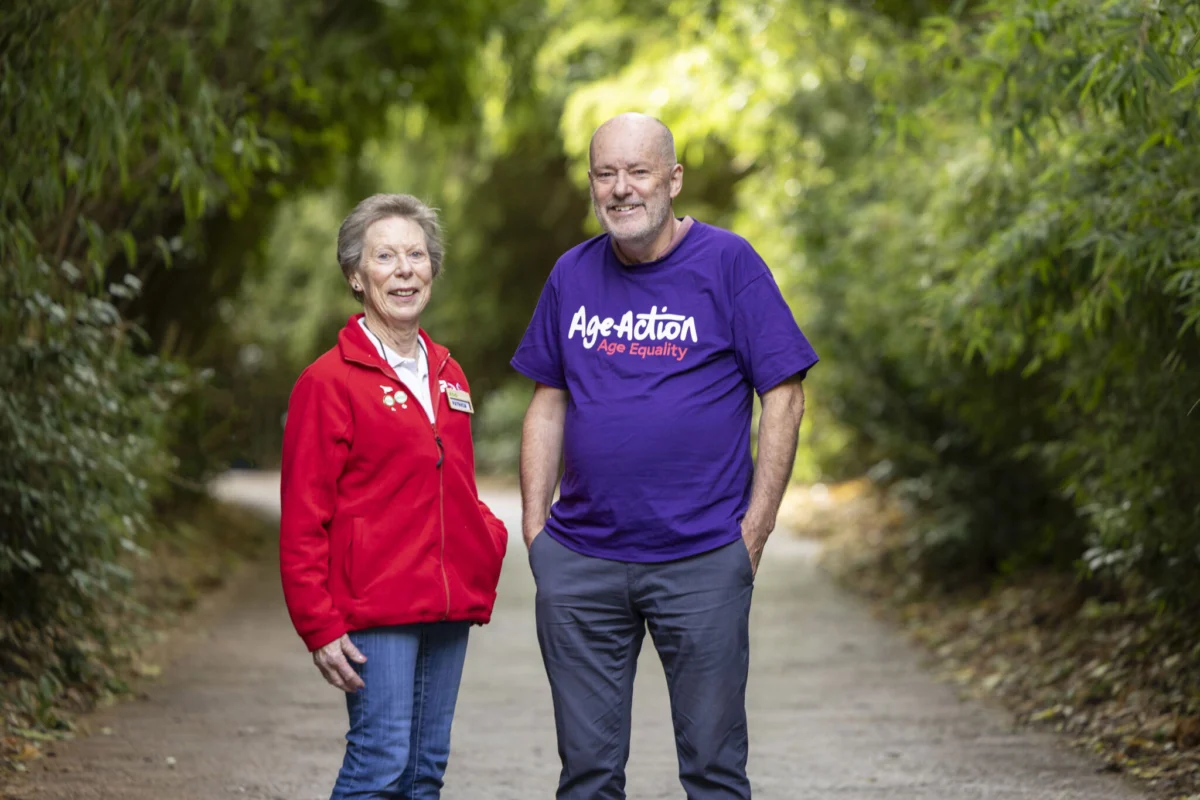
The landscape of Irish public policy is currently undergoing a significant transition, prompted by a strategic partnership between two of the nation’s most prominent advocacy groups for the elderly. Age Action and the Irish Senior Citizens Parliament (ISCP) have officially launched a collaborative initiative aimed at recalibrating how the perspectives of older citizens are integrated into the legislative and decision-making processes. By commissioning a comprehensive nationwide consultation, these organizations seek to dismantle barriers to civic engagement and ensure that the demographic realities of an aging Ireland are reflected in long-term state planning.
This initiative comes at a critical juncture for the Irish state, which is navigating the dual pressures of a rapidly aging population and the associated demands on healthcare, housing, and social protection systems. The project, managed by the independent consultancy Mosaic Social Impact, invites participation from individuals, community organizations, and policy advocates to help construct a more inclusive future.
Demographic Context and the Need for Advocacy
Ireland’s demographic profile has shifted dramatically over the past two decades. According to data from the Central Statistics Office (CSO), the number of people aged 65 and older is the fastest-growing demographic in the country. The 2022 Census revealed that over 776,000 people in Ireland are aged 65 or older, a figure that represents an increase of nearly 20% since 2016. Projections from the Department of Health suggest that this number will continue to rise sharply, potentially doubling by the year 2050.
Despite this demographic weight, advocacy groups have long argued that older people remain marginalized in the formulation of policies that directly impact their quality of life. Issues such as the adequacy of the State Pension, the accessibility of home-care packages, digital exclusion, and the availability of age-friendly housing are frequently debated in the Oireachtas, yet stakeholders from the senior community often report a disconnect between government intent and their lived experience.
By consolidating their efforts, Age Action and the ISCP are attempting to create a more robust mechanism for advocacy. The goal is to move beyond reactive lobbying and toward a proactive framework where the voices of the elderly are institutionalized within the policy design phase.
The Consultation Process: Bridging the Gap
The ongoing consultation is designed to capture a diverse range of insights, acknowledging that the term "older person" covers a vast spectrum of socio-economic backgrounds, health statuses, and regional experiences. The project utilizes a multi-modal approach to data collection, ensuring that those who may not have access to digital tools—or who may feel alienated by traditional online surveys—can still participate.
Mosaic Social Impact has been tasked with managing the technical and qualitative aspects of the study. The organization is currently accepting contributions via a dedicated online portal, but they have also established a telephone-based submission system to address the digital divide, which remains a significant hurdle for many elderly citizens.
The consultation process is structured to extract data on three primary pillars:
- Policy Priorities: What are the most urgent needs for older people in the next five to ten years?
- Engagement Barriers: Why do older people currently feel unheard or underrepresented in the political system?
- Institutional Reform: What structures, such as national advisory boards or regional consultative forums, would best serve as a conduit for older people to influence government decision-making?
The deadline for participation is set for Friday, 19 September 2025. Following this date, the gathered data will be analyzed to produce a strategic report, which is expected to be presented to relevant government departments later in the year.
A Chronology of Policy Advocacy in Ireland
The move to formalize this consultation represents the latest chapter in a long history of advocacy for older persons in Ireland.
- The 1990s and Early 2000s: The establishment of the National Council on Ageing and Older People served as a primary research body, though its influence fluctuated with various government budget cycles.
- 2013: The launch of the "National Positive Ageing Strategy" marked a government commitment to promoting the health and well-being of older people. However, critics frequently cited a lack of measurable targets and funding as a limitation to its success.
- 2020-2022: The COVID-19 pandemic acted as a catalyst for renewed advocacy. The isolation experienced by older citizens during lockdowns highlighted the vulnerability of the cohort and the systemic shortcomings in social care, leading to a surge in membership for advocacy groups.
- 2024-2025: The current partnership between Age Action and the ISCP represents a consolidation phase, aiming to transition from disparate advocacy efforts to a unified, sustained national voice.
Analysis of Policy Implications
The success of this consultation will be measured by its ability to influence the "Ageing Well" agenda currently under consideration by the Department of Social Protection and the Department of Health. Analysts suggest that if the government integrates the findings of this report, it could lead to the creation of a permanent "Office of the Older Person" or a similar statutory body with the authority to review legislation through an "age-proofing" lens.
However, challenges remain. Skeptics point to the phenomenon of "consultation fatigue," where stakeholders feel that their input is sought for optics rather than substantive change. To avoid this, the organizers have emphasized that the output of this project will be a concrete, actionable document designed to force accountability.
"We are not looking for a vague set of aspirations," noted one policy analyst familiar with the sector. "The intent here is to create a blueprint for the next Dáil. If the government is presented with a clear, data-backed mandate from thousands of older citizens, it becomes politically difficult to ignore."
Economic and Social Impact
The economic implications of this initiative are substantial. As the dependency ratio—the number of older people supported by the working-age population—increases, the state faces fiscal pressure. Advocates argue that investing in the policy areas prioritized by older people today—such as preventive healthcare and accessible transport—will reduce the long-term cost of acute care tomorrow.
Furthermore, the social impact of ensuring that older people feel empowered and represented cannot be overstated. Ageism in public discourse and the workplace remains a persistent issue in Irish society. By positioning older people as active contributors to policy rather than passive recipients of state services, the initiative aims to shift the cultural narrative surrounding aging.
How to Participate
The organizers are making a direct appeal to the public to ensure the data set is representative of the entire country. Participation is not limited to those who identify as older citizens; the consultation specifically invites community groups, caregivers, and local policy advocates to weigh in.
For those choosing to submit their views online, the portal at mosaicsocialimpact.ie/consultation provides a streamlined interface for responses. Recognizing that accessibility is a core tenet of their mission, the inclusion of a telephone-based submission system via 01 203 0737 is a critical component of the methodology.
As the September 2025 deadline approaches, the pressure is on for both the organizations and the public to ensure that the final report is comprehensive enough to necessitate a government response. If the turnout is high, it will provide the ISCP and Age Action with significant leverage when negotiating with policymakers in the lead-up to future budget and legislative cycles.
Ultimately, this consultation is an exercise in democratic participation. It asks the Irish state to consider whether its current structures adequately serve the generation that built the contemporary Irish economy. By providing a platform for the voices of the elderly to be synthesized into policy, Age Action and the ISCP are attempting to ensure that as Ireland ages, it does so with a governance model that is responsive, inclusive, and fundamentally respectful of its senior citizens. The outcome of this effort will serve as a bellwether for the future of social policy in Ireland for years to come.