
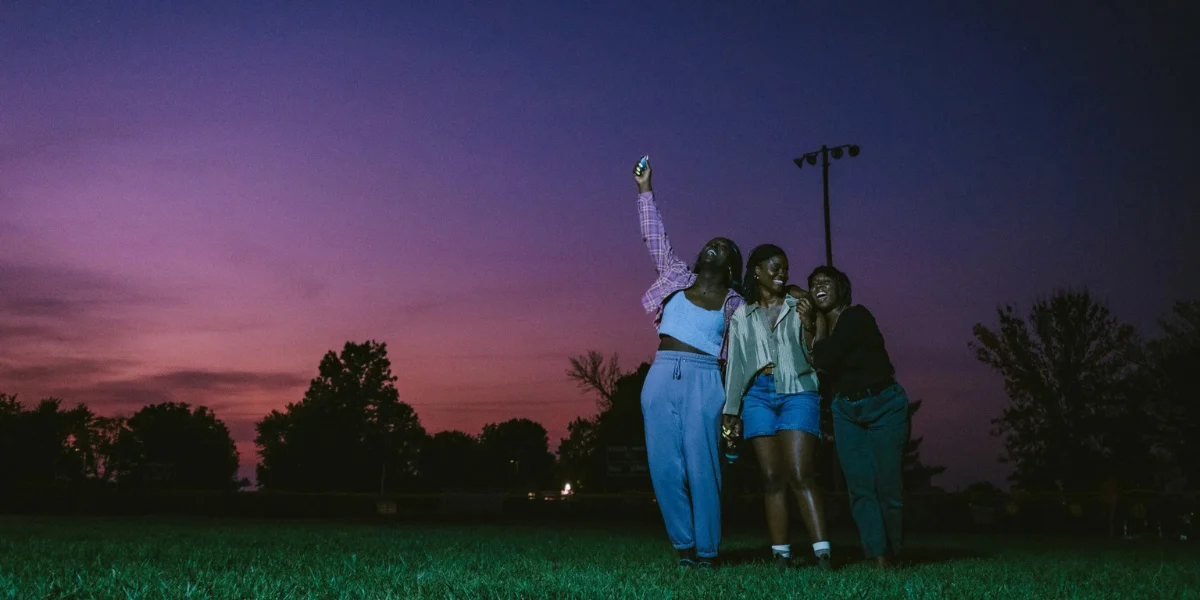
The landscape of modern television and film is currently experiencing a profound contraction regarding the visibility of Black LGBTQ+ individuals. While the industry frequently touts its commitment to diversity, equity, and inclusion, recent data from the Gay & Lesbian Alliance Against Defamation (GLAAD) paints a sobering picture of systemic regression. In 2023, the count of Black LGBTQ characters on television stood at 101. By 2024, that figure dropped to 95, and current tracking for 2025 indicates a further decline to 85. This downward trend highlights a persistent industry discomfort with centering the nuanced, non-traditional lives of Black queer women, trans individuals, and those existing within non-monogamous structures. Amidst this cultural drought, filmmaker Shatara Michelle Ford, known for their acclaimed debut Test Pattern, has released their sophomore feature, Dreams in Nightmares, a work that serves as both a counter-narrative to these statistics and a landmark achievement in contemporary Black independent cinema.
The Disconnect Between Industry Metrics and Artistic Reality
The decline in representation is not merely a statistical anomaly but a reflection of the economic and creative gatekeeping prevalent in Hollywood. Studio executives have historically shied away from projects that feature complex, intersectional identities—such as a film led by a lesbian protagonist, a queer woman in a polyamorous relationship, and a Black trans woman. These stories, which represent the reality of millions, are frequently sidelined in favor of safer, more monolithic depictions that fit neatly into established commercial boxes.
According to industry analysts, the "unproduced floor" of major studios is littered with scripts that prioritize authentic queer Black narratives. This marginalization persists despite clear evidence that audiences are increasingly seeking content that mirrors the fluidity of modern existence. Ford’s Dreams in Nightmares challenges this status quo by populating its frame with characters that Hollywood has traditionally deemed "unmarketable," proving that these narratives are not only viable but essential for a complete cultural record.
A Narrative of Connection: The Plot of Dreams in Nightmares
The film centers on three longtime friends in their mid-30s—Z, played by Denée Benton; Lauren, portrayed by Dezi Bing; and Tasha, played by Sasha Compère. The narrative begins in the wake of professional displacement. Z, a creative writing professor based in Los Angeles, finds herself grappling with a layoff and the complexities of her non-monogamous polycule, which includes her partner, Reece (Charlie Barnett). In Brooklyn, Tasha faces a similar professional setback, which strains her relationship with her roommate, Lauren, a poet who struggles with the financial realities of unpaid gig work.
The central conflict ignites when the trio realizes that their friend, Kel (Mars Storm Rucker), has been missing for two months. Their investigation leads them to suspect that Kel has reunited with their former partner, Sabrina (Jasmin Savoy Brown). What ensues is a deliberate, atmospheric road trip across the American Midwest. This journey serves as a structural device to explore the intersections of late-stage capitalism, artistic ambition, and the specific, often overlooked, struggles of queer Black creators in the United States.
The Evolution of Black Queer Cinema
To understand the cultural significance of Dreams in Nightmares, one must view it within the historical trajectory of Black American cinema. In the 1980s, Spike Lee’s She’s Gotta Have It marked a watershed moment by centering the sexual liberation and artistic agency of a Black woman, Nola Darling. Ford’s work acts as a spiritual successor, expanding upon this legacy by introducing modern dimensions of fluidity and sexual openness that were not present in the 20th-century canon.
The film distinguishes itself by portraying a Black polyamorous relationship with a level of normalcy and positivity that is unprecedented in mainstream film. By normalizing these dynamics, Ford removes the "scandalous" framing often imposed on non-monogamous relationships by the mainstream media, instead presenting them as a functional, loving, and supportive aspect of the characters’ lives.
Historical Echoes and Contemporary Critiques
Ford employs a sophisticated visual language to connect the characters’ current struggles to the broader history of Black Americans. The film opens with archival footage of Black laborers in the cotton fields—a stark, sobering visual metaphor for the exploitation inherent in modern labor markets. This creates a thematic bridge between historical systemic oppression and the contemporary pressures of late-stage capitalism, which prevent the protagonists from fully realizing their creative potential.
The film also serves as a reclamation of space. As the trio traverses the Midwest, they utilize a strategy reminiscent of the historic Green Book, intentionally patronizing Black-owned businesses to navigate a landscape that often feels hostile or alienating. This deliberate movement through the American interior highlights the ongoing discomfort Black queer individuals face in "white spaces," a reality brought to the forefront through both subtle microaggressions and overt acts of erasure, such as the persistent deadnaming of characters by their relatives.
Technical Execution and Atmospheric Depth
The auditory landscape of the film is as critical as its visual narrative. Composed by Lia Ouyang Rusli, the score utilizes non-diegetic jazz to reflect the characters’ internal turmoil. The music swells during moments of societal friction—such as when the protagonists encounter white-liberal microaggressions or confront the prejudices of their families. Conversely, when the characters are in moments of genuine communal joy, the score shifts to the lightness of an angelic harp, signifying the freedom they find in their chosen family.
The performances, particularly that of Sasha Compère, provide the film with its emotional anchor. Compère’s portrayal of Tasha is characterized by a "lived-in weight," representing the exhaustion and resilience of a generation trying to balance survival with creative pursuit. The chemistry between the leads is palpable, grounding the film’s more poetic elements in a tangible sense of camaraderie.
The Broader Impact: A Call for Sustained Visibility
The release of Dreams in Nightmares arrives at a pivotal moment. With the number of Black LGBTQ characters in media dwindling, the existence of such a film is a defiant act of cultural preservation. The film does not merely document the struggles of its characters; it validates them. By centering the experiences of those who have been "invisibilized" by the industry, Ford provides a roadmap for future creators to bypass traditional gatekeepers and tell stories that are as complex and multifaceted as the communities they represent.
The final message of the film, punctuated by the closing credits—"for all of us"—serves as an invitation to the audience. It acknowledges that the industry may not yet be prepared to fully embrace these narratives, but it asserts that the necessity of these stories exists regardless of institutional approval.
Conclusion: Toward a More Representative Future
Dreams in Nightmares is more than a road trip drama; it is an interrogation of the American dream from the perspective of those it has consistently failed. By refusing to compromise on the identity of its characters or the complexity of their lives, Shatara Michelle Ford has delivered a work that is essential for understanding the current state of Black queer identity in America. As the industry continues to grapple with its shrinking representation metrics, films like this serve as a vital reminder that authenticity is not a trend to be managed by executives, but a human necessity that demands to be seen, heard, and celebrated. The film stands as a testament to the resilience of the human spirit when bolstered by the strength of a chosen family, proving that even in an era of decline, the stories of the marginalized remain the most vibrant and necessary in our cultural landscape.




