
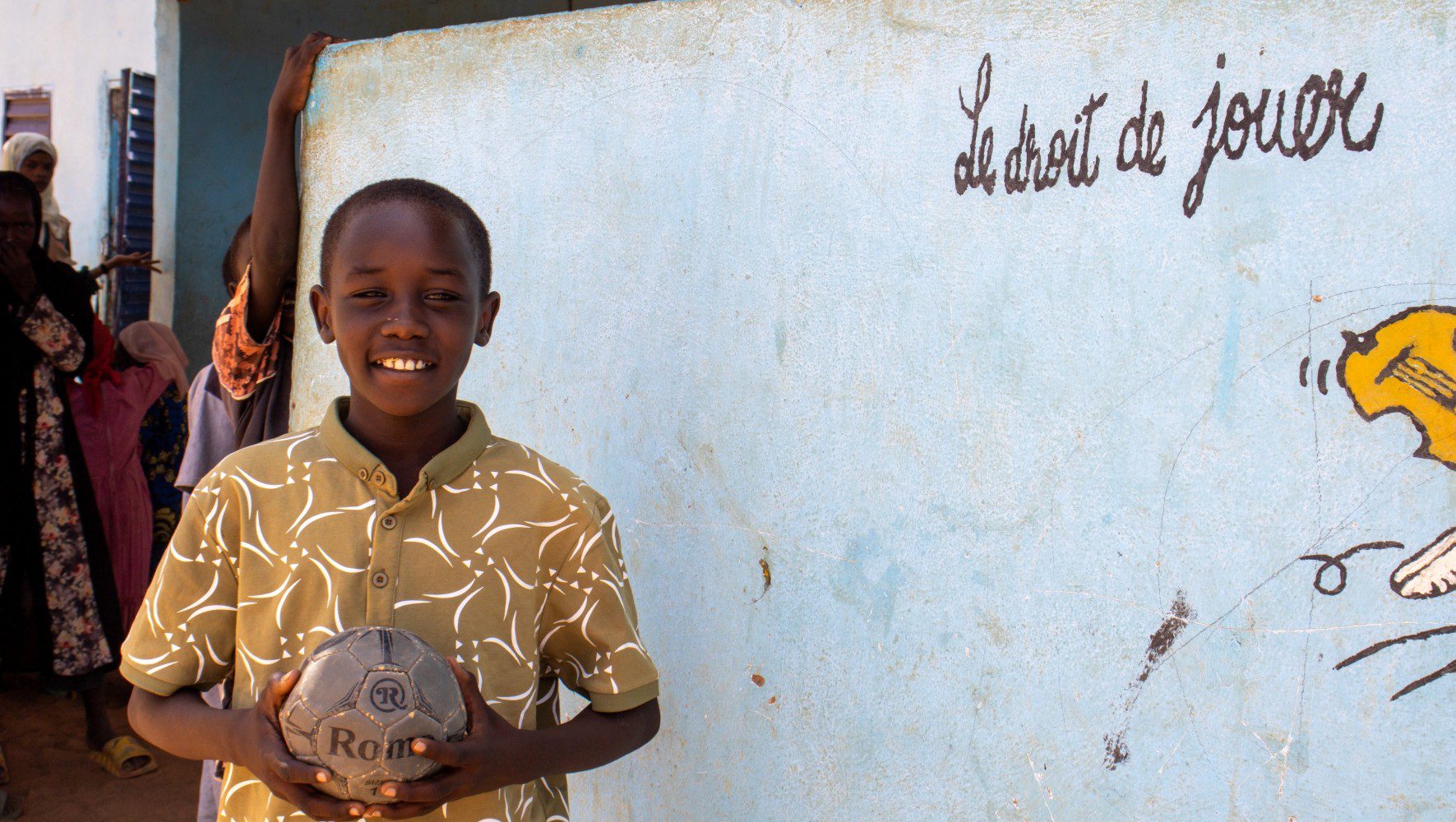
When the civil war in Sudan erupted in May 2023, the city of Geneina became a focal point of systemic violence, forcing thousands to abandon their homes in a frantic bid for survival. Among those uprooted was 11-year-old Bachir, who fled with his parents, leaving behind his belongings and his cherished soccer ball. Three years later, his story serves as a harrowing microcosm of the broader Sudanese refugee crisis, which has seen over 14 million people displaced, creating one of the largest humanitarian emergencies of the 21st century. Today, Bachir resides in the Farchana refugee camp in eastern Chad, where organizations like HIAS are working to restore the normalcy stripped away by conflict.
A Chronology of Displacement and Conflict
The conflict in Sudan, which began in mid-April 2023, rapidly escalated from a political power struggle between the Sudanese Armed Forces (SAF) and the Rapid Support Forces (RSF) into a brutal, multi-front civil war. By May 2023, the violence reached Darfur, causing a mass exodus toward the Chadian border.
- May 2023: The conflict intensifies in Geneina and surrounding Darfur regions. Massive waves of civilians begin crossing the border into eastern Chad.
- Late 2023 – 2024: The humanitarian situation in Chad deteriorates as the influx of refugees outpaces available resources. International agencies report severe shortages in food, clean water, and shelter.
- 2025: The crisis becomes protracted. Host communities in Chad, already grappling with climate-induced food insecurity, reach a breaking point as resources are stretched thin between local populations and the displaced.
- August 2026: Three years into the war, humanitarian data confirms that over 900,000 individuals are seeking safety in Chad, with children accounting for 61 percent of the total refugee demographic.
Data and Demographics: The Vulnerability of Children
The statistics surrounding the Sudan-Chad refugee crisis are staggering. According to recent reporting, 39 percent of the global refugee population consists of children; however, the demographic reality in Chad is far more acute. With more than 500,000 children among the Sudanese refugees in the country, the risk factors—malnutrition, lack of education, and exposure to gender-based violence—are reaching critical thresholds.
The absence of formal education is a primary concern. For children like Bachir, the disruption of schooling creates a generational gap in development. Beyond the academic loss, the psychological toll of witnessing violence during the journey into exile often manifests in long-term trauma. Anitha Niyongira, HIAS Chad Program Manager, notes that the environment in overcrowded camps inherently exposes children to exploitation and neglect. "Bachir is one of many children growing up in conditions where safety is never guaranteed," Niyongira states. The challenge, therefore, is not merely providing food and shelter, but creating "child-friendly spaces" where youth can reclaim their rights to play, dream, and learn.
Beyond the Refugee: The Strain on Host Communities
The humanitarian crisis in Chad is not solely an issue of refugee management; it is a complex intersection of refugee support and host community stability. The village of Arkoum serves as a poignant example. Currently hosting 50,000 refugees, the village has seen its local economy and social fabric irrevocably altered.
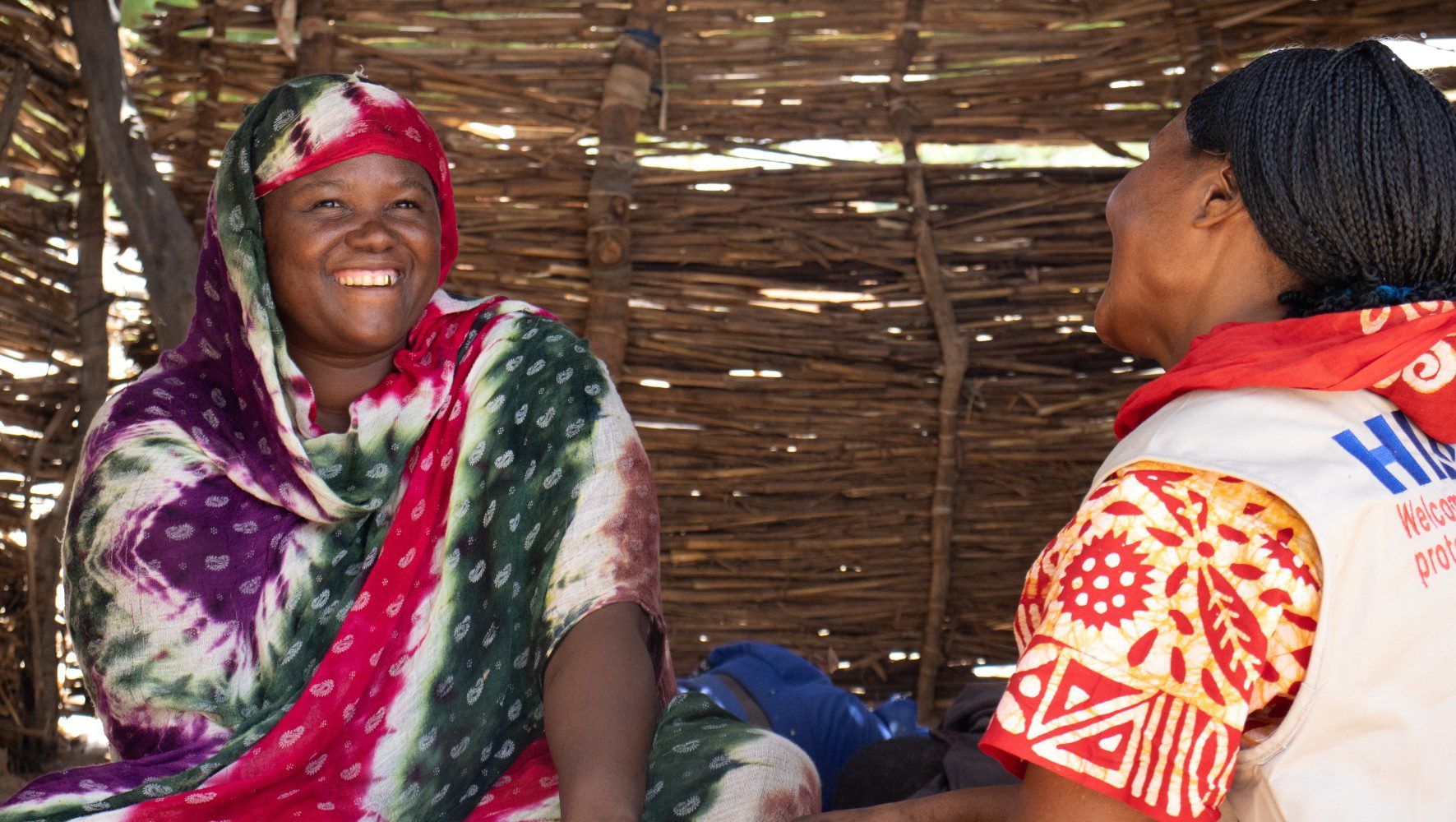
Matoua, a mother of six and a participant in HIAS programs, illustrates the burden placed on local families. Before the influx of refugees, her household relied on agricultural self-sufficiency. Today, the land she once farmed is occupied by the camp infrastructure. The disappearance of her husband, missing for nearly four years, has left her as the sole provider in an environment where competition for resources—such as water, firewood, and grazing land—is intense.
Despite the economic hardship, there is a notable absence of widespread conflict between refugees and local residents. Instead, there is a fragile solidarity born of shared suffering. "Without a husband, without fields, and with six children, it’s hard to make ends meet," Matoua explains. Her reliance on cash assistance and dignity kits provided by humanitarian organizations underscores the necessity of a holistic approach that targets both the refugee and the host community to prevent social friction.
Institutional Responses and Humanitarian Strategies
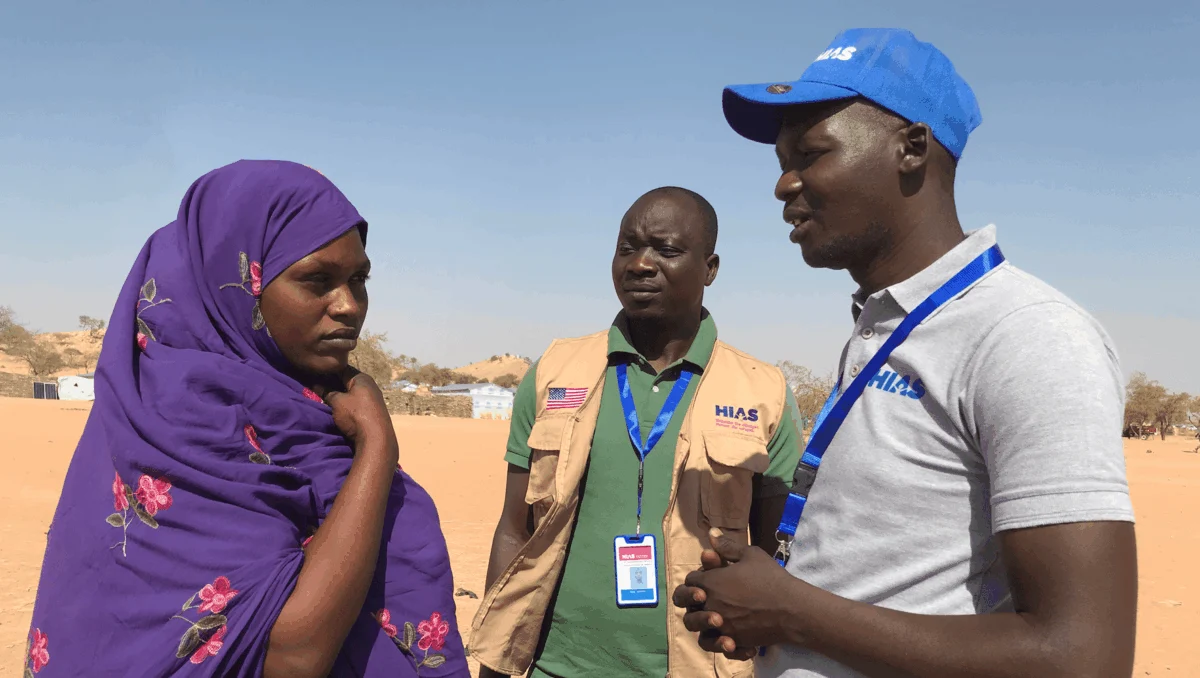
Organizations such as HIAS, supported by the OCHA (UN Office for the Coordination of Humanitarian Affairs) and the Chad Humanitarian Fund, have shifted toward a community-based protection model. This strategy involves more than just providing aid; it aims to reinforce existing social systems.
Key elements of these interventions include:
- Mental Health and Psychosocial Support (MHPSS): Specialized care for children and caregivers to process the trauma of the conflict.
- Economic Empowerment: Providing cash assistance and micro-grants that allow families to sustain themselves and engage in income-generating activities.
- Child Protection Programming: Establishing secure zones where rights are respected, promoting positive parenting, and implementing community monitoring to mitigate risks of violence.
The effectiveness of these programs is evident in the progress of individuals like Bachir. Through the "Espace Amis des Enfants" (Children’s Friendship Center), he has returned to school and regained the ability to play, which Niyongira identifies as a "second home" environment. By facilitating these interactions, aid organizations are mitigating the long-term developmental damage that displacement causes.
Analysis: The Implications of a Protracted Crisis
The crisis in Chad is a bellwether for the future of humanitarian aid in Sub-Saharan Africa. As the conflict in Sudan shows no immediate sign of resolution, the "emergency" phase of the refugee response is transitioning into a "long-term development" phase. This shift carries several critical implications:
1. The Funding Gap: Emergency funding is often easier to secure than long-term, sustainable development financing. As media attention wanes, the risk of a funding cliff for programs supporting both refugees and host communities increases, which could lead to instability in regions like eastern Chad.
2. Environmental and Resource Strain: The occupation of agricultural land for refugee camps creates a permanent shift in local food production capabilities. International aid must now factor in the rehabilitation of local economies, rather than just providing temporary relief, to avoid creating permanent dependency.
3. The Education Crisis: With thousands of children out of school, the region faces the potential for a "lost generation." The integration of refugee children into the Chadian educational system requires significant investment in infrastructure and teacher training, which currently remains underfunded.
4. Social Cohesion: The peaceful coexistence between hosts and refugees is a testament to the resilience of the local population. However, without continued support to ensure that host communities see tangible benefits from aid programs, there is a risk that this social capital will be depleted by the ongoing competition for scarce resources.
Conclusion: The Path Forward
The narratives of individuals like Bachir and Matoua highlight the necessity of sustained international intervention. Humanitarian assistance is not merely a charitable act; it is a vital mechanism for preserving social order and individual dignity in the face of collapse. As the international community looks toward the future of the Sudan conflict, the focus must remain on strengthening community-based protection systems and ensuring that the economic burdens of displacement are shared equitably.
"Strengthening community protection systems and expanding support services is not optional," Niyongira concludes. "It is essential to ensure every child can grow up safe, protected, and with hope for the future." Whether through soccer games in a dusty camp or income-generating activities in a rural village, the work being done in Chad is the first step toward restoring a sense of normalcy to lives that have been fundamentally shattered by war. For these families, the support of organizations like HIAS is not just a lifeline—it is the bedrock upon which they are beginning to rebuild their lives.




