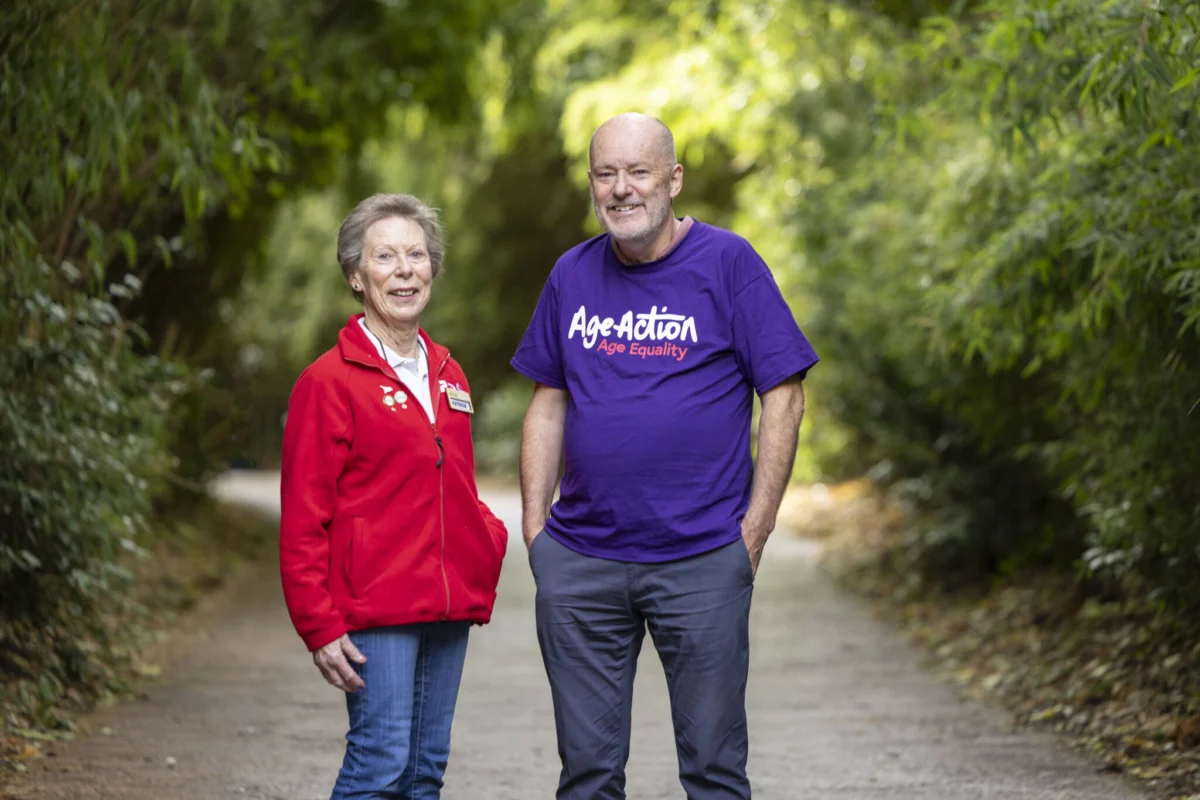
Since its establishment in 1992, Age Action has served as the primary advocacy vehicle for older citizens in Ireland, acting as a bridge between the lived experience of the elderly and the policy-making corridors of Dáil Éireann. As the nation faces a profound demographic shift characterized by increased life expectancy and a larger proportion of senior citizens, the organization has announced a significant adjustment to its long-term planning cycle. The charity, which manages essential services ranging from home maintenance to digital literacy, has officially extended its current strategic plan, Action today for your tomorrow, by one year, moving its completion date from December 2026 to December 2027.
This decision, prompted by recent transitions within the organization’s executive leadership and board, is intended to provide the necessary organizational stability to conduct a rigorous, evidence-based consultation process for its next multi-year strategy. By recalibrating its timeline, Age Action aims to ensure that its future initiatives are not only responsive to current needs but are also deeply rooted in the contemporary challenges of an aging Ireland.
A Demographic Imperative: Ireland’s Changing Landscape
The extension of the strategic plan occurs against a backdrop of rapid demographic transformation. According to data from the Central Statistics Office (CSO), the number of people aged 65 and older in Ireland has been rising steadily, a trend projected to accelerate significantly over the next two decades. The 2022 Census data revealed that the population of those aged 65 or older grew by 21.6% since 2016, reaching a total of 776,000 individuals.
This shift presents a complex matrix of socio-economic challenges. While improved healthcare and living standards have allowed for longer, healthier lives, they have also placed increased pressure on public services, housing availability, and the pension system. Age Action’s mission—to champion the rights and voices of this demographic—has become increasingly vital as the "silver economy" grows. The demand for services such as the ‘Care and Repair’ program, which assists older people in maintaining their homes, and ‘Getting Started,’ which provides essential digital literacy training, has surged in tandem with these demographic shifts.
Chronology of the Strategic Shift
The current strategic plan, Action today for your tomorrow, was launched in 2024 with a vision to foster an age-positive society. Its operational framework was initially designed to run through the end of 2026, targeting six core goals aimed at systemic change. However, the internal landscape of the charity has evolved significantly over the past twelve months.
Following a period of leadership renewal, including the appointment of new personnel at the board and executive levels, the organization conducted an internal review of its strategic capacity. The leadership team concluded that attempting to develop a new long-term strategy while simultaneously navigating these internal transitions could lead to a loss of focus. By extending the current plan by twelve months, the organization has created a "buffer" period. This time will be used to facilitate a comprehensive consultation phase, ensuring that the next strategic iteration reflects the input of older people themselves, rather than relying solely on top-down policy assumptions.
The Rationale for Extension
The extra year afforded by the extension is not merely a pause in operations but a strategic pivot toward evidence-based advocacy. In the non-profit sector, the quality of a strategic plan is often judged by the breadth of the consultation process that precedes it.
Carrie Benn, Head of Fundraising & Communications at Age Action, emphasized that the decision was driven by the necessity of alignment with the evolving reality of Irish society. "Ireland is changing, and the experience of ageing in Ireland is changing with it," Benn stated. "As we look towards the next decade, it is vital that Age Action’s future work is grounded in evidence and, most importantly, informed by the voices and experiences of older people."
The extension period will allow the charity to:
- Engage in Grassroots Consultation: Conduct town halls, surveys, and focus groups across the country to capture the diverse experiences of older people in both urban and rural settings.
- Synthesize Empirical Data: Analyze the impact of current services to identify gaps in provision, particularly regarding digital exclusion and home-care accessibility.
- Align with National Policy: Synchronize future goals with upcoming government initiatives, including the implementation of the National Positive Ageing Strategy and the evolving requirements of the Sláintecare health reform.
Operational Continuity and Service Delivery
While the strategic roadmap for the future is undergoing a period of re-evaluation, Age Action has stressed that its core service delivery will remain unaffected. The organization continues to view its operational objectives—advocacy, home care, and digital inclusion—as non-negotiable pillars of its mission.
The ‘Care and Repair’ service remains a vital lifeline for many elderly individuals, providing minor home repairs and maintenance that allow people to live independently in their own homes for longer. In an era where "ageing in place" is a central theme of government policy, the importance of this service cannot be overstated. Similarly, the ‘Getting Started’ programme has become increasingly critical as government services, banking, and social connectivity shift toward digital-first platforms. With a significant portion of the older population still facing a "digital divide," Age Action’s commitment to digital literacy is a cornerstone of its contribution to social equality.
Broader Implications for Advocacy and Public Policy
The decision by Age Action to extend its timeline offers a lesson in organizational maturity. By resisting the pressure to rush into a new multi-year strategy, the charity is signaling to its stakeholders—including donors, the government, and the older population—that it prioritizes depth over speed.
From a public policy perspective, the move is timely. As Ireland moves toward the end of the current legislative cycle, the voices of older people will be increasingly sought after in national debates regarding cost-of-living supports, pension sustainability, and the integration of healthcare services. An organization that is well-prepared, research-driven, and clearly aligned with its constituency is more effective at influencing these high-level debates.
Independent observers and sector analysts suggest that this extension could also allow Age Action to better prepare for the potential impacts of future economic volatility. With inflation affecting the costs of service delivery and the fundraising landscape becoming more competitive, having a stable, extended period to refine the business model is a prudent risk-management strategy.
Looking Toward 2027 and Beyond
As Age Action embarks on this extended period of planning, the ultimate goal remains the creation of an inclusive society. The organization’s vision is one where age is not a barrier to participation, and where the contributions of older people are recognized as a vital component of the national fabric.
The next few years will see the organization focus on building a robust evidence base that can withstand the scrutiny of policymakers. By integrating the lived experiences of those they serve with quantitative data on health and social outcomes, Age Action aims to produce a strategy for 2028 and beyond that is both ambitious and actionable.
In conclusion, the extension of Action today for your tomorrow is a strategic decision that prioritizes long-term impact over short-term milestones. It acknowledges the complexity of the challenges facing older people in Ireland today and provides the organization with the time required to build a framework that is truly representative of the demographic it serves. As the organization continues to deliver its essential services, the focus remains clear: ensuring that the voices of older people are not just heard, but are the primary architects of the policies that will define their future.
The coming months will likely see further announcements regarding the consultation process, as Age Action begins to invite stakeholders to share their insights. For the older population of Ireland, this shift represents a commitment from their primary advocate to ensure that their rights, needs, and contributions remain at the forefront of the national agenda well into the next decade.