
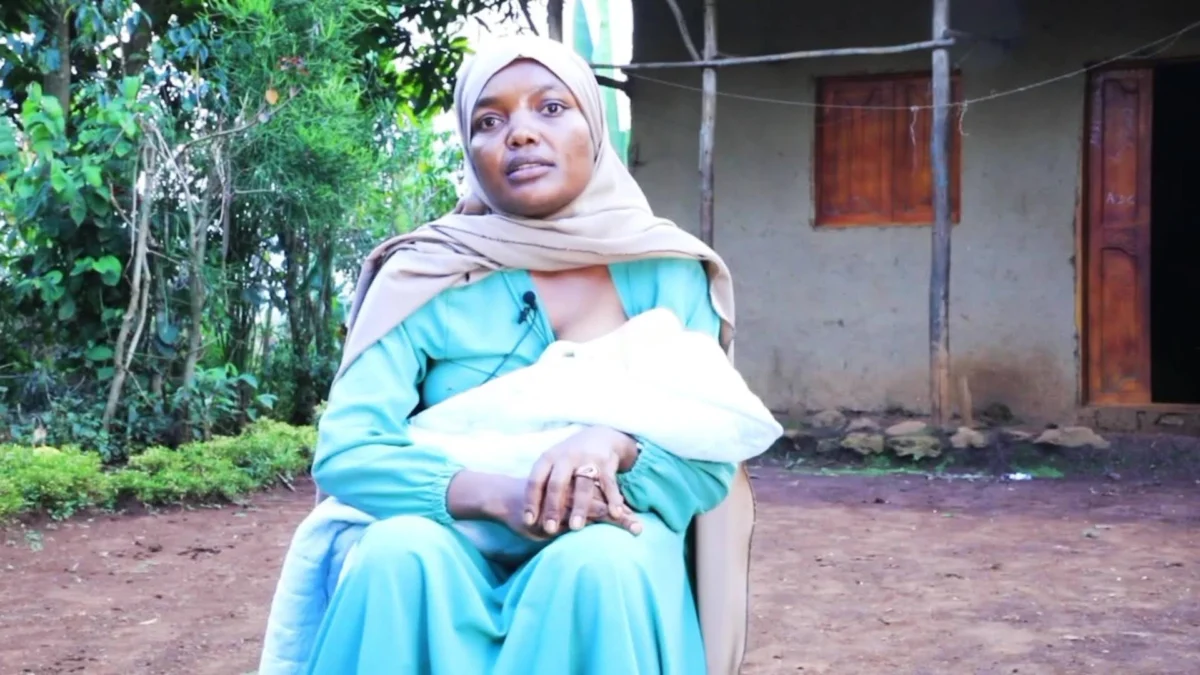
The geography of rural Ethiopia presents a formidable barrier to healthcare access, characterized by steep hills, deep ravines, and isolated agrarian and pastoralist communities. For decades, this extreme terrain left pregnant women virtually cut off from life-saving medical care when they reached their term. Historically, this geographic isolation—compounded by deep-seated sociocultural barriers, prevalent stigma, and limited infrastructure—created a stubborn cycle of high home births and preventable maternal and newborn fatalities. Institutional delivery rates in these marginalized areas languished at a mere 17 percent, reflecting a profound gap in primary healthcare delivery.
To confront this systemic challenge, a coalition comprising JSI, Amref Health Africa, and local community health leaders rolled out a targeted intervention in 2023: the Community-Based Life-Saving Maternal and Newborn Health Service Delivery Model, known simply as cMNH. Designed as an implementation research project, the initiative was deployed across 38 highly vulnerable communities—encompassing eight agrarian regions and 30 pastoralist areas characterized by historically high rates of unassisted home deliveries—alongside seven primary health centers. In total, the intervention was structured to serve a population of 210,787 people, providing a vital safety net where traditional healthcare infrastructure had long failed to reach.
At the core of the cMNH model is the utilization of village health leaders (VHLs), who are trusted community volunteers specifically trained to bridge the dangerous divide between remote households and formal health facilities. Recognizing that top-down medical directives often fail in culturally conservative or isolated settings, the program leveraged local social structures to build trust, ensure accessibility, and fundamentally alter how maternal health services are perceived and delivered.
The Genesis and Chronology of the cMNH Intervention
The groundwork for the cMNH model began well before its official deployment in 2023, rooted in years of public health data highlighting Ethiopia’s lagging maternal and neonatal health indicators. Despite national strides in expanding primary healthcare networks, remote pastoralist and highland agrarian communities remained stubbornly disconnected from institutional care due to chronic transportation deficits, long walking distances to the nearest health post, and cultural preferences for traditional birth attendants.
In response, regional health bureaus and woreda (district) health office experts initiated a rigorous recruitment and training campaign. By early 2023, 187 village health leaders had been selected from within their own communities. These VHLs underwent specialized training focused on community mapping, tracking pregnant women, conducting structured home visits, and managing advance commodity distribution.
The operational timeline of the intervention relied on a proactive schedule of three mandated interactions per pregnancy. VHLs were tasked with identifying pregnancies early—ideally during the first trimester or early second trimester—and conducting two antepartum visits followed by one postpartum visit. During these home visits, VHLs performed multiple functions: they distributed life-saving commodities directly to pregnant women, delivered structured behavior change communication, and reinforced birth preparedness and complication readiness.
Rather than adopting a punitive approach toward home births, the program leaders recognized the pragmatic reality that some women would inevitably give birth at home due to sudden labor onset, extreme weather, or familial pressure. Consequently, the cMNH package included contingency protocols. If a mother was forced by circumstances to deliver at home, she and her family were instructed on the correct, hygienic protocols for utilizing the provided medical package, minimizing the risk of postpartum hemorrhage and sepsis—the leading causes of maternal mortality in the region.
Operationalizing the Model: Commodities and Counseling
The clinical backbone of the cMNH model relies on the advance distribution of essential maternal and newborn health commodities. During scheduled home visits, VHLs placed several critical, life-saving supplies directly into the hands of pregnant women:
- Misoprostol: Administered post-delivery to prevent and treat postpartum hemorrhage, a primary driver of maternal mortality.
- Chlorhexidine: An antiseptic gel applied to the newborn’s umbilical cord to prevent severe bacterial infections.
- Iron and Folic Acid: Essential micronutrients distributed during pregnancy to combat maternal anemia and support fetal development.
- Progestin-Only Pills: Provided for postpartum family planning and birth spacing.
In tandem with commodity distribution, VHLs integrated behavior change communication into every interaction. Counseling sessions moved away from abstract medical jargon, focusing instead on practical planning. Women and their families were counseled on recognizing the danger signs of pregnancy complications, mapping out logistical pathways to reach the nearest health center or maternity waiting home, and overcoming cultural stigmas associated with institutional deliveries.
Furthermore, VHLs worked to fortify the broader health system architecture. They optimized local referral networks by maintaining direct communication lines with health extension workers and facility-based midwives, ensuring that when complications arose, transport and clinical care could be mobilized swiftly. They also actively promoted the utilization of maternity waiting homes—residential facilities located near health centers where women from remote areas can stay during the final weeks of their pregnancy, ensuring they are close to skilled birth attendants when labor begins.
Client Reflections: Real-World Impacts on Vulnerable Lives
The human dimension of the cMNH intervention is best illustrated through the lived experiences of women who navigated pregnancy under vastly different social circumstances within these target communities.
Iftu Abajebel: Navigating a Standard Pregnancy with Institutional Support
Iftu Abajebel was identified and registered by her local VHL during her fourth month of pregnancy. Living in a remote agrarian household, Iftu was initially at risk of following the local tradition of unattended home delivery. However, the proactive intervention of the VHL changed her trajectory. Over the course of her pregnancy, Iftu received three scheduled home visits. During the initial visits, she was provided with a two-month supply of iron and folic acid, alongside intensive birth-preparedness counseling that strongly emphasized the clinical safety and benefits of giving birth at a health facility.
Armed with information and logistical preparation, Iftu successfully planned for and achieved an institutional delivery at the nearest health center, ensuring a safe birth for both mother and child. Reflecting on the experience, Iftu noted the transformative effect of community-level engagement: "The home visits, counseling, and information from the VHLs gave me the preparation and confidence I needed for a facility birth."
Adanech Bayu: Confidential Care Amid Familial Isolation
For teenagers and young women in conservative rural settings, unplanned pregnancies often bring severe familial conflict, social stigma, and isolation. Adanech Bayu faced precisely this crisis. Isolated and confined to her home by family members eager to conceal the pregnancy, Adanech was entirely cut off from formal health services.
She was identified by a VHL during routine community surveillance. Recognizing the acute vulnerability of the situation, the VHL established a confidential channel of care, visiting Adanech discreetly to provide medical support and guidance. While the VHL counseled Adanech on the importance of a facility delivery, both recognized the high likelihood of a forced home birth given her family’s strict desire to keep the pregnancy hidden.
Pragmatism over idealism guided the VHL’s approach. Understanding that Adanech would likely deliver at home, the health leader equipped her with the complete cMNH contingency package and rigorous safety protocols, detailing every step of hygienic delivery and postpartum care. When labor commenced, Adanech relied on the training she had received in isolation.
"Just as the VHL had instructed, I wrapped the baby in a clean cloth, and the umbilical cord was cut using a boiled razor blade," Adanech recounted. "When I took the medication she gave me for post-delivery care, the placenta came out safely. She also gave me an ointment to apply to the umbilical cord, which I used. Today, my child is completely healthy." Adanech’s case underscores the life-saving value of contingency planning in contexts where institutional delivery is obstructed by severe social barriers.
Evaluating the Data: Endline Survey Findings and Feasibility
To rigorously assess the efficacy of the cMNH model, an endline household survey was conducted, evaluating 1,867 women who delivered during the active intervention period across the 38 target communities. The evaluation yielded significant improvements across key maternal and newborn health indicators, demonstrating that community-based delivery models can effectively penetrate hard-to-reach populations.
Quantitative metrics from the implementation research revealed a sharp increase in the utilization of life-saving commodities, improved adherence to iron and folic acid supplementation, and a measurable rise in institutional delivery rates compared to historical baseline data. Furthermore, the survey tracked high rates of postnatal care utilization and timely administration of chlorhexidine for umbilical cord care, directly contributing to a reduction in neonatal sepsis and mortality.
Public Health Analysis and Broader Implications
The findings from the JSI and Amref Health Africa implementation research carry profound implications for public health policy in low-resource, geographically challenging settings across sub-Saharan Africa. The empirical data indicates that the community-based delivery of an integrated maternal and newborn health package—executed by trained, trusted community agents—is not only feasible but remarkably safe and culturally acceptable within underserved populations.
By systematically bypassing geographic barriers through local surveillance and cultural barriers through peer counseling, the cMNH model offers a scalable, evidence-based blueprint for policymakers. Traditional models of healthcare delivery that rely exclusively on facility-based expansion often fail to capture the most marginalized populations, who are deterred by distance, cost, and cultural disconnect.
The success of the Ethiopian intervention demonstrates that primary healthcare systems can be effectively decentralized through the empowerment of village health leaders. By investing in community-level human capital, ministries of health can optimize primary healthcare linkages, strengthen referral pathways, and dramatically reduce preventable maternal and newborn mortality. As international public health organizations look toward achieving global Sustainable Development Goals regarding maternal health, the cMNH framework stands out as a pragmatic, resilient model capable of delivering life-saving care to the most remote corners of the world.




