
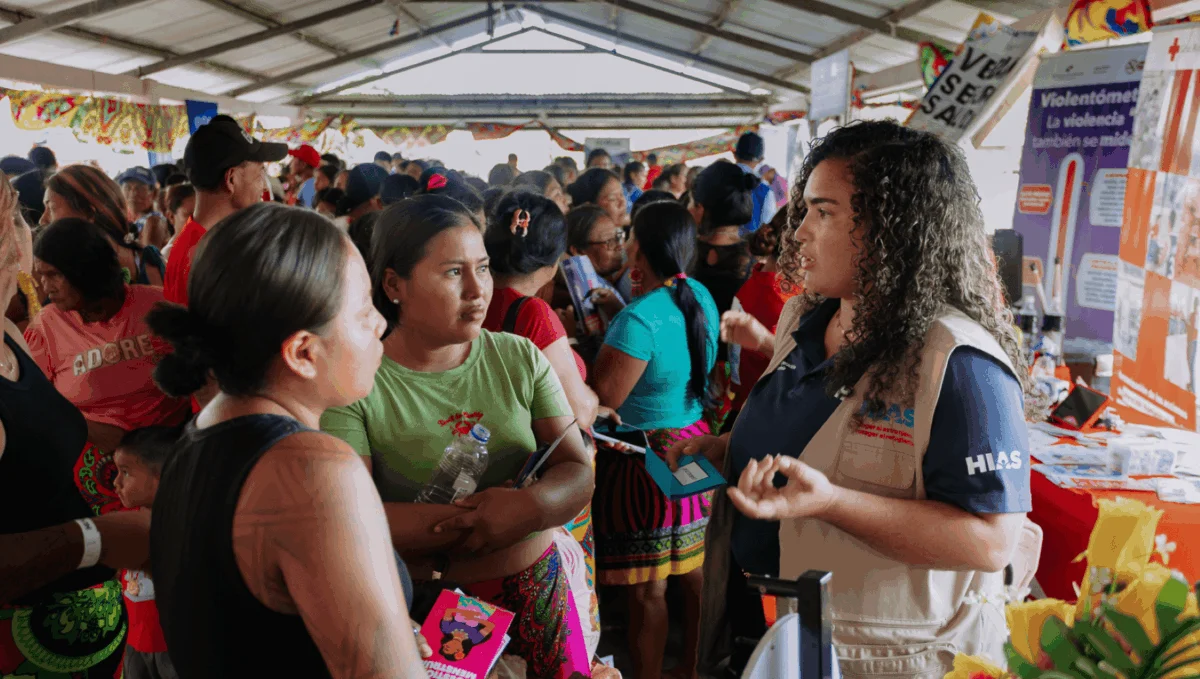
Between 2021 and 2024, the Darien Gap—a dense, trackless jungle spanning the border between Colombia and Panama—became the site of one of the most significant mass migration events in the Western Hemisphere. Hundreds of thousands of individuals, driven by economic instability, political repression, and climate-induced hardship, traversed this treacherous corridor in search of asylum in Mexico, the United States, and Canada. While global attention remained focused on the arrival of these populations at northern borders, a profound humanitarian story was unfolding in the isolated indigenous villages of the Emberá Wounaan region. These communities, despite facing their own systemic economic limitations, served as the initial point of contact and support for thousands of displaced people.
A Chronology of the Darien Crisis
The surge in traffic through the Darien Gap was not an overnight phenomenon but a gradual escalation that peaked during the early 2020s.
- 2020–2021: Early reports from international monitoring agencies indicated an uptick in individuals attempting the crossing. HIAS, the global Jewish nonprofit, began formalized operations in the Darien region during this period to address the protection needs of vulnerable populations.
- 2022–2023: The volume of migration reached record levels. Estimates suggested that hundreds of thousands of people moved through the jungle annually, taxing the infrastructure and resources of the remote indigenous communities located along the route.
- 2024: As the sheer volume of humanity passing through the jungle began to strain local resources, the role of indigenous leaders became critical to maintaining order and basic health standards.
- 2025: A pivot point occurred when the United States implemented stricter asylum policies, effectively curbing the legal pathways for many seeking entry at the U.S.-Mexico border.
- 2026: By mid-year, migration flows through the Darien Gap have dwindled significantly. This "reverse migration" or cessation of movement has left a vacuum in the region, both in terms of the humanitarian presence and the socio-economic dynamics of the host villages.
The Role of Indigenous Host Communities
The narrative of the migration crisis often centers on the journey of the migrant, yet the role of the host community is frequently overlooked in geopolitical discourse. Indigenous communities in the Emberá Wounaan territory did not view the influx of migrants as a passive burden. Instead, they adapted to function as essential nodes in the humanitarian response.
Andrehina Diaz, HIAS Panama’s Program Manager, emphasizes that these communities acted as a first line of defense against tragedy. "The Darien communities were never passive to the migration crisis," Diaz stated. "Instead, they became an essential part of the humanitarian response. By working with indigenous leaders and community members, we have reinforced local capacities and fostered a deeper understanding of the vulnerabilities faced by displaced people."
This collaboration allowed for the distribution of emergency supplies, medical triage, and the mitigation of protection risks, such as gender-based violence, which often spikes in transit corridors.
Data and Humanitarian Realities
It is a common misconception that refugees and displaced persons primarily relocate to high-income nations. Data consistently shows that the majority of displaced people are hosted in neighboring low- and middle-income countries. This creates a "host-community burden" where the most vulnerable populations are supported by those with the fewest economic resources.
In the Darien, this meant that small, isolated villages were providing food, shelter, and medical assistance to thousands of strangers. When major international organizations began to withdraw their operations in 2025 due to the shifting migratory routes, these communities were left with the long-term consequences of hosting a transient population. The absence of sustained institutional support threatens the fragile stability these communities established during the peak of the crisis.
Shifting Policies and the "Reverse Migration" Phenomenon
The current shift in migration patterns is directly linked to the U.S. government’s 2025 policy overhaul. By restricting asylum claims, the policy created a deterrent effect that reached as far south as the Colombian-Panamanian border. Many individuals, realizing the impossibility of reaching their intended destinations, opted to return to their countries of origin or remain in transit countries like Mexico.
Oliver Bush, HIAS Panama’s Country Director, notes that this change has had a complex impact on the Darien. "It is a province whose communities have been severely affected by the passage of migratory flows over the last few years," Bush observed. "The departure or change in these migratory flows has left certain consequences and negative impacts in the communities."
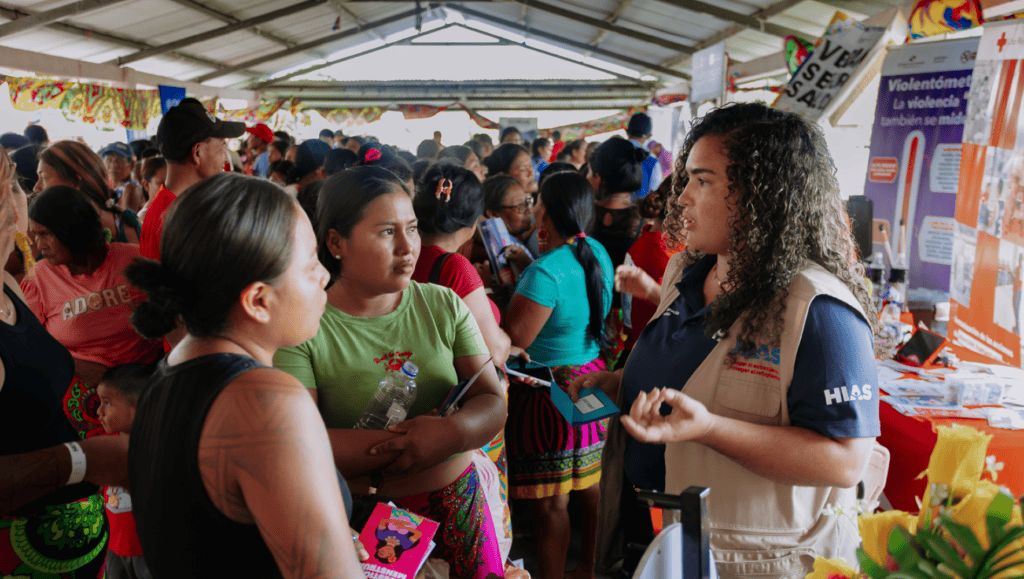
These consequences include the loss of the nascent humanitarian infrastructure that was built to support the surge. As aid groups depart, the local populations—who were the bedrock of the relief effort—are left to navigate the aftermath of a massive, multi-year humanitarian event without the necessary resources to transition back to their pre-2020 economic lives.
Empowerment through Education and Health
Recognizing the need for a sustained presence, HIAS has maintained its commitment to the Darien, pivoting from emergency response to long-term capacity building. Through a partnership with the Spanish Agency for International Development Cooperation (AECID), the organization implemented a program specifically designed for indigenous women and girls.
The campaign focused on providing health information in native languages and culturally accessible formats. Beyond physical health, the program aimed to foster agency and leadership. By creating spaces for dialogue, the project helped participants recognize their rights and develop the skills to advocate for their communities.
"Dominance isn’t just about men deciding for us, as they say," said Esmeralda, a community leader from the Noko tribe in Bajo Chiquito. "Today, we decide for ourselves."
This sentiment is echoed by Martira, a leader from the Nuevo Viga community, who noted the transformative power of the training: "I’ve attended three training sessions and from that I’m here speaking in front of you, something I’ve never done before. It was a fantastic program for me, and it’s one I’d like to see continue."
A Nexus Approach to Development
The strategy currently employed by HIAS in Panama reflects what experts call a "nexus approach," which integrates humanitarian aid, development, and peacebuilding. Instead of treating the Darien as a transit point that can be abandoned once the traffic slows, the organization is treating the region as a community in need of structural support.
This involves:
- Capacity Building: Strengthening the local administrative and health capacities of indigenous territories.
- Protection Services: Continuing to address mental health and gender-based violence, which are often long-term aftereffects of prolonged crises.
- Local Empowerment: Ensuring that the leadership developed during the crisis—particularly among women—is integrated into the long-term governance of the region.
Implications for Future Humanitarian Policy
The situation in the Darien underscores a critical lesson for global humanitarian policy: host communities are not merely geographic waypoints; they are active stakeholders in the migration narrative. When international policies change, the impacts do not simply vanish—they are absorbed by the local populations.
The "reverse migration" currently being observed is not a return to the status quo, but a new state of existence for the Darien. The communities that provided shelter to thousands now face the challenge of rebuilding their local economies and social structures in the wake of the crisis. If international actors fail to support these host communities, the result could be a degradation of the very social safety nets that allowed for the successful management of the migration surge in the first place.
As the geopolitical focus shifts toward border security and restriction, the case of the Emberá Wounaan region serves as a reminder that the human cost of these policies is often borne by the most marginalized, and that the resilience of host communities is the final, often ignored, component of the global migration system. Continued investment in these regions is not merely a matter of charity; it is a necessity for regional stability and the preservation of human rights in the face of shifting global trends.




