
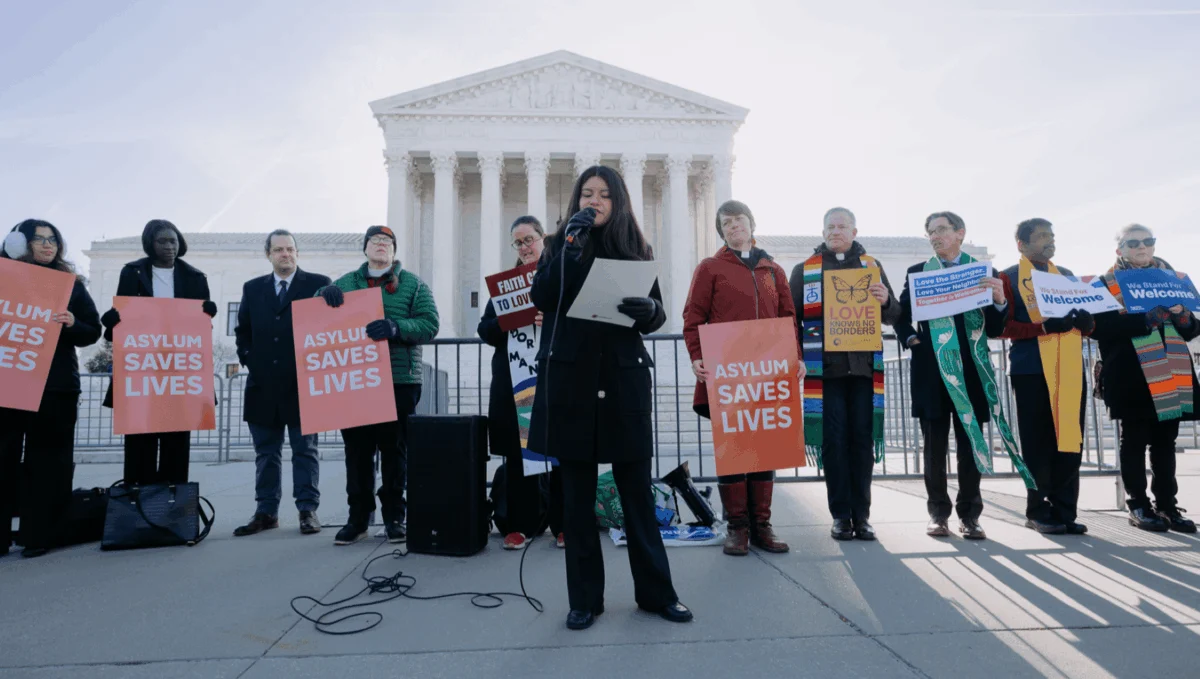
The debate surrounding the integration of refugees into the United States has long been polarized, often framed by political rhetoric that suggests a zero-sum conflict between the welfare of native-born citizens and the arrival of displaced persons. However, as of mid-2026, an extensive body of economic research and real-world data indicates that this narrative is fundamentally flawed. Far from being a drain on public resources, refugees and asylum seekers act as a vital engine for economic expansion, filling critical labor gaps, driving entrepreneurial innovation, and contributing billions of dollars in tax revenue to federal and state coffers.
This assessment comes at a pivotal moment in American history. Following the shift in federal immigration policy initiated in January 2025, the U.S. has seen a marked decline in new arrivals and a simultaneous increase in the costs associated with aggressive enforcement. By examining the fiscal and social contributions of refugees, it becomes clear that policies designed to restrict migration often yield unintended, detrimental consequences for the broader national economy.
A Chronology of Economic Integration and Policy Shifts
The trajectory of refugee impact on the U.S. economy can be traced back through several decades of demographic and fiscal data. Since the inception of the U.S. Refugee Admissions Program (USRAP), the federal government has facilitated the resettlement of millions. During the period between 2005 and 2019, longitudinal data provided by the Department of Health and Human Services (HHS) revealed a significant net positive impact. During these 14 years, refugees and asylees contributed approximately $124 billion more in tax revenue than the total cost of the government services they utilized during their initial integration phase.
The landscape shifted significantly in early 2025. Following the inauguration of President Donald Trump, the administration implemented a series of restrictive measures aimed at curbing both legal and irregular migration. These actions included heightened border security, the implementation of more stringent vetting procedures, and significant budget reallocations. By July 2026, the cumulative effect of these policies—characterized by reduced admissions and the expansion of the detention-deportation apparatus—has begun to register in national economic indicators, including a noticeable drag on GDP growth and a tightening labor market.

Entrepreneurship as a Driver of Growth
One of the most profound contributions of the refugee population is their propensity for business creation. Data indicates that 13% of refugees in the United States launch their own businesses, a figure that outpaces both the general immigrant population (11%) and native-born Americans (9%). This phenomenon is deeply rooted in the backgrounds of many refugees, roughly 43% of whom were self-employed in their home countries before being forced to flee.
Currently, there are over 178,000 refugee entrepreneurs operating within the U.S., collectively generating more than $6 billion in business income annually. Organizations like the Economic Advancement Fund (EAF) have sought to mitigate the structural barriers—such as limited access to credit and professional networks—that often hinder these entrepreneurs. By providing micro-loans and specialized training, programs like the EAF demonstrate that when the initial hurdle of capital access is cleared, the return on investment for the community is substantial, manifesting in job creation and the revitalization of local business districts.
Addressing the Demographic Labor Shortage
The U.S. labor market is currently facing a structural crisis. The post-pandemic workforce environment has been defined by a sustained labor shortage, compounded by the demographic reality of an aging "Baby Boomer" generation. According to the U.S. Chamber of Commerce, the vast majority of American states are struggling to fill vacancies, a trend that economists project will persist at least until 2031.
Refugees are uniquely positioned to address these gaps. Demographic studies show that 78.2% of the refugee population in the U.S. falls within the prime working-age bracket of 18 to 64, compared to just 61.9% of the U.S.-born population. Furthermore, the unemployment rate among this cohort remains exceptionally low, reflecting a high degree of labor market participation.
This is particularly evident in the healthcare sector. As the demand for long-term care and home health assistance rises—with the Bureau of Labor Statistics projecting a 17% growth in the home health aide profession between 2024 and 2034—refugees are increasingly filling these essential roles. By integrating into sectors where labor supply is most acute, refugees provide a critical buffer against the economic stagnation that would otherwise result from a diminished workforce.

The Macroeconomic Consequences of Restriction
The implementation of restrictive immigration policies since January 2025 has provided a "natural experiment" on the economic impact of reduced migration. Estimates from the Brookings Institution suggest that the decline in immigration in 2025 alone resulted in a reduction of GDP growth by 0.19 to 0.26 percentage points. This translates to tens of billions of dollars in lost consumer spending and stalled business productivity.
The cost of this shift is twofold. First, the loss of immigrant labor and consumer demand leaves businesses unable to scale or maintain operations. Second, the fiscal burden of the current administration’s enforcement-heavy strategy has shifted taxpayer funds toward detention and deportation rather than economic development. In 2025, the budget for Immigration and Customs Enforcement (ICE) reached $28.7 billion, a threefold increase from previous cycles. Congress has subsequently authorized an additional $70 billion in funding for immigration enforcement over the next three years.
Critics of the current policy trajectory argue that this massive redirection of capital represents a "deportation-industrial complex" that offers no tangible economic return. While the political rationale is often centered on security, the economic reality suggests that the policies have created a chilling effect on both small and large-scale enterprises that rely on a steady flow of labor and a growing consumer base.
Comparative Analysis and Future Outlook
When analyzing the long-term fiscal trajectory, the evidence suggests that the initial expenditures associated with refugee resettlement—often criticized as "wasteful"—are in fact a highly efficient form of human capital investment. Over a 20-year horizon, refugees typically exceed the annual earnings of native-born citizens by an average of $4,300, contributing to a robust tax base that supports social safety nets for all Americans.
The broader implication is that the U.S. economy is an ecosystem that relies on dynamism. A static or shrinking population, coupled with an aging workforce, creates a vulnerability that only immigration can effectively mitigate. The "Deep Dive" series recently published by HIAS reinforces this finding: the U.S. economy does not function in a vacuum, and the decision to welcome refugees is not merely a philanthropic endeavor, but a strategic economic imperative.

As the country looks toward the latter half of the decade, the divide between political messaging and economic reality remains the central tension. While the current administration continues to pursue a strategy of exclusion, the data consistently points toward a different conclusion. Prosperity, in the context of a modern, aging, and competitive global economy, is intrinsically linked to the ability of a nation to integrate newcomers who bring with them the skills, the drive, and the consumer power necessary to sustain long-term growth.
For organizations like HIAS and other stakeholders in the migration sector, the path forward involves continuing to document these economic contributions while advocating for policies that treat the arrival of refugees as an asset. By removing the structural, financial, and legal barriers that prevent newcomers from fully participating in the economy, the United States stands to regain the momentum lost to the restrictive policies of the mid-2020s. The challenge for policymakers, therefore, is to reconcile the desire for border control with the undeniable requirement for human capital in a tightening global market.




