
When Pedro’s daughter first climbed into the family’s first car in the United States, she remarked that it looked like a spaceship. For her father, who arrived in Philadelphia from Venezuela in 2024, the vehicle was far more than a mode of transportation; it was a tangible symbol of stability, independence, and the culmination of a rigorous journey toward self-sufficiency. This milestone, facilitated by the humanitarian organization HIAS, underscores a critical shift in the approach to refugee resettlement in the United States: the recognition that true integration is not a sprint, but a multi-year marathon.
While federal programs typically focus on the immediate 30-to-90-day window following a refugee’s arrival, focusing on essential housing, health screenings, and initial job placement, the long-term success of newcomers often depends on resources that extend well beyond these opening months. By providing financial literacy training, legal counsel, and asset-building programs, organizations like HIAS are addressing the "integration gap" that often leaves refugees vulnerable to economic stagnation long after the initial excitement of arrival has faded.
The Evolution of the Resettlement Model
Historically, the U.S. refugee resettlement framework has been criticized for its "cliff effect," where the sudden withdrawal of intensive support after a few months leaves individuals struggling to manage the complexities of a foreign legal and economic system simultaneously. Pedro’s experience highlights why this transition period requires more robust infrastructure. Upon arrival, he was tasked with securing employment, managing household finances, and learning to navigate the American transit system—a task that proved time-consuming and costly.
For many refugees, the reliance on public transportation or expensive ride-sharing services acts as a hidden tax on their income. In Philadelphia, Pedro’s commute was a grueling, hour-long odyssey of multiple bus transfers, often punctuated by delays that threatened his position in an electrical manufacturing firm. By participating in the HIAS Individual Development Account (IDA) program, Pedro was able to bypass these systemic barriers. The IDA program operates on a matching-funds principle: participants save a set amount of money, which the organization matches to provide the capital necessary for life-changing purchases like vehicles, which are essential for job retention and career advancement in many U.S. regions.
Financial Literacy and Economic Empowerment: A Data-Driven Approach
The effectiveness of the IDA model is supported by broader economic data regarding immigrant and refugee financial health. According to research from the Migration Policy Institute, newcomers who engage in structured financial literacy programs are significantly more likely to maintain stable employment and secure long-term housing. The curriculum Pedro underwent—which included modules on predatory lending avoidance, insurance procurement, and vehicle maintenance—reflects a growing consensus among NGOs that "financial inclusion" is the bedrock of immigrant success.
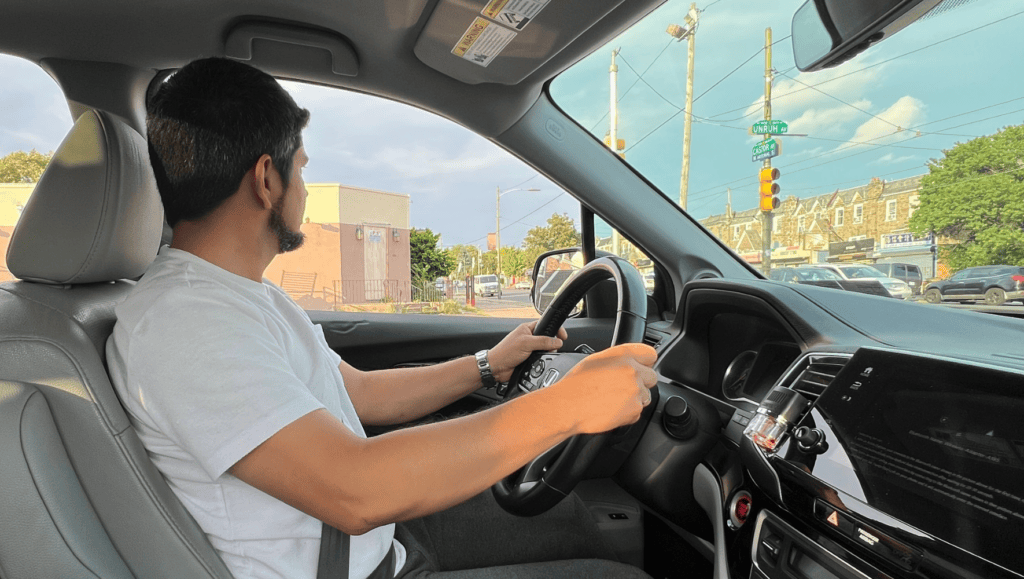
By saving $6,000 and receiving a matching grant to reach a $12,000 purchasing power, Pedro did not simply buy a car; he achieved the fiscal agency to pursue professional growth. He is now looking to leverage his existing skills in electronics repair to transition into an entrepreneurial role, a goal that was logistically impossible when his time was consumed by the inefficiencies of his daily commute.
Chronology of Integration: From Arrival to Independence
The trajectory of a refugee’s life in the U.S. often follows a predictable, yet challenging, timeline:
- Months 0–3 (Immediate Resettlement): Focus is placed on emergency stabilization. This includes securing initial housing, obtaining social security numbers, and completing mandatory health assessments.
- Months 3–12 (Early Integration): The primary focus shifts to workforce entry. Most refugees secure entry-level positions to begin meeting basic cost-of-living requirements. During this phase, many face the "transportation hurdle," where job prospects are limited by the accessibility of public transit.
- Year 1–3 (Sustainable Integration): This is the period where programs like HIAS’s long-term support become vital. It involves addressing secondary needs: legal representation for green card applications, mental health services to process the trauma of displacement, and asset building (such as the IDA program).
- Year 3+ (Full Community Engagement): As seen in the case of Maryam—another program participant who transitioned from a beneficiary to a community translator—this stage is defined by social and professional maturity. Participants begin to give back, assisting newer arrivals and contributing to the economic fabric of their local neighborhoods.
The Multi-Faceted Role of Long-Term Support
Maryam’s journey offers a different perspective on the necessity of extended support. Arriving in the U.S. without the social safety net of family, she was forced to confront the bureaucratic maze of American life—utility bills, medical appointments, and government forms—on her own. For individuals like Maryam, the "support" provided by resettlement agencies is not just financial; it is educational and psychological.
The confidence gained through these programs is quantifiable. By learning how to navigate the insurance market or legal documentation for immigration, participants reduce their dependency on case managers, eventually becoming self-reliant actors. Maryam’s ability to move from being a recipient of help to an active participant in aiding other newcomers demonstrates the "multiplier effect" of these services. When a refugee is fully integrated, they become a resource for their own community, reducing the long-term strain on public social services.
Policy Implications and the Future of Integration
The current landscape of U.S. immigration policy is marked by shifting demographics and evolving economic needs. Analysts suggest that if the U.S. intends to maximize the economic contributions of refugees, federal funding models must pivot toward these longer-term, "whole-person" development strategies. The current reliance on private, non-profit entities to bridge the gap in long-term support is effective, but it is also fragile, as it depends heavily on donor funding and localized private partnerships.
Experts in the field of refugee advocacy argue that integrating financial empowerment programs into standard resettlement procedures could lower the rate of poverty among refugee populations and shorten the time it takes for families to reach middle-class status. Furthermore, as labor markets in sectors like manufacturing, healthcare, and technology face shortages, the professional upskilling of refugees represents a strategic economic interest for the United States.
A Holistic Perspective on Success
When discussing the impact of these programs, it is necessary to look beyond the balance sheets of savings accounts or the statistics of vehicle purchases. The deeper success lies in the restoration of dignity and the expansion of personal agency. Pedro’s sentiment—that the program helped him "grow as a person"—speaks to the psychological relief that comes with agency.
The social fabric of communities is also strengthened by this approach. By encouraging refugees to integrate fully—not just economically, but socially—the programs foster a sense of belonging. Pedro’s emphasis on the necessity of being a "good neighbor" highlights that for many displaced individuals, the ultimate goal is not merely to survive, but to become a constituent member of their new society.
Conclusion
The story of those who have successfully navigated the transition from displacement to stability provides a clear blueprint for the future. By moving beyond the initial resettlement phase and investing in the long-term professional, financial, and legal health of newcomers, organizations are proving that refugees are not a burden on the state, but a dynamic, resilient, and highly capable segment of the workforce.
As the United States continues to process the influx of individuals seeking safety and a better life, the lessons learned from programs like the IDA model are clear: the most effective way to help someone rebuild their life is to provide them with the tools to build it themselves. Through education, financial inclusion, and consistent long-term support, the "spaceship" of a family car becomes more than a machine; it becomes a vehicle for self-determination in a new land.
Note: The names Pedro and Maryam have been changed in original reports to protect the privacy of the individuals involved in these programs.




