
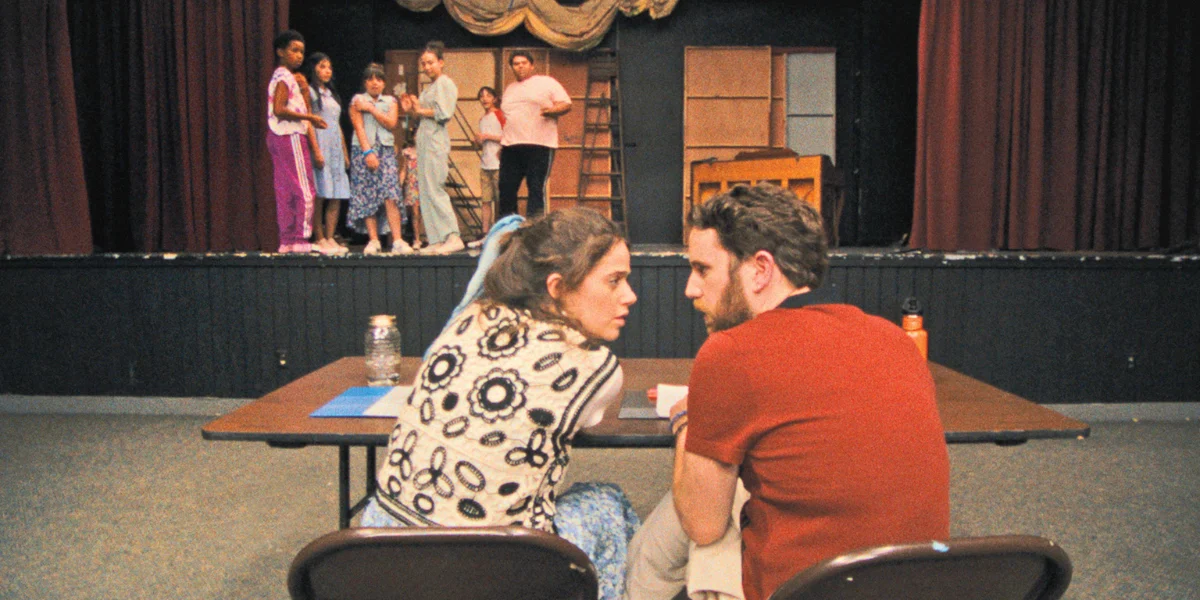
The phenomenon colloquially known as Tech Week—or colloquially, "Hell Week"—represents the culmination of months of artistic preparation within high school performing arts programs. It is a period characterized by the transition from the rehearsal room to the stage, where technical elements such as lighting, sound, scenic design, and costume changes are integrated with live performance. While these final days before an opening night are essential for the production’s success, they place significant psychological and physiological demands on adolescent students, raising important questions about the balance between professional training and student well-being.
The Chronology of Production Integration
The standard timeline for a high school theater production typically spans eight to twelve weeks. This process begins with table work and script analysis, moves into blocking—the physical movement of actors on stage—and culminates in the intense technical rehearsal phase.
In the final seven to ten days before a performance, the production schedule accelerates significantly. The chronology of a typical Tech Week follows a strict, non-negotiable progression:
- Paper Tech: A meeting between the director, stage manager, and technical heads to walk through every cue in the script.
- Dry Tech: The technical crew practices scene shifts, lighting cues, and sound effects without the actors present.
- Wet Tech (or Cue-to-Cue): The actors are introduced to the technical elements, focusing specifically on the timing of shifts, lighting changes, and sound transitions. This is often the most labor-intensive phase, requiring hours of repetition.
- Dress Rehearsals: These sessions simulate the actual performance environment, including full hair, makeup, and costumes. By the final dress rehearsal, the production is expected to run as a seamless, professional entity.
Supporting Data and Educational Standards
The National Core Arts Standards (NCAS) emphasize that theater education is designed to develop critical thinking, collaboration, and technical proficiency. According to data from the Educational Theatre Association (EdTA), over 50,000 schools in the United States incorporate some form of formal theater curriculum. Within these programs, the technical theater component is frequently identified as the most stressful period of the academic year.
Surveys conducted among high school drama departments indicate that during Tech Week, students frequently report working an additional 20 to 30 hours beyond their standard academic load. The physiological impact is measurable; studies on adolescent sleep patterns suggest that the late-night rehearsals typical of this week often result in sleep deprivation, which can impair cognitive function and emotional regulation. Despite these challenges, the industry maintains that this environment is a necessary simulation of professional expectations.
Industry Perspectives and Pedagogical Justification
Professional theater directors and educators argue that the rigor of Tech Week is an essential pedagogical tool. By replicating the high-pressure environment of professional theater, students learn the importance of "being off-book"—the industry term for memorizing lines—and the necessity of collaborative problem-solving.
"The goal is not to induce stress for its own sake, but to build resilience," says Sarah Jenkins, a secondary school theater curriculum director. "When a student faces a technical failure during a rehearsal, they are forced to adapt in real-time. This is a life skill that transcends the auditorium. We are teaching them how to manage crisis and work as a collective unit toward a singular, high-stakes goal."
However, there is a growing movement within the Educational Theatre Association to integrate wellness-focused strategies into these high-intensity weeks. Schools are increasingly adopting "balanced production schedules," which mandate hard stop times for rehearsals and provide mandatory breaks for students to manage their academic homework alongside their artistic commitments.
The Psychological Implications of High-Stakes Performance
The transition from a student role to a performer role during Tech Week can trigger significant psychological shifts. Clinical psychologists specializing in adolescent development note that the pressure to perform—combined with the exhaustion of long hours—can lead to heightened anxiety.
The concept of "existential weight" often discussed by theater students is not merely poetic; it is rooted in the high stakes of public performance. For many students, the theater department serves as a primary social and identity-forming space. Therefore, the failure of a technical element or a forgotten line during a performance is perceived as a profound personal failure. Institutional support systems, such as faculty mentorship and open communication channels between stage management and the director, are vital to ensuring that this pressure remains constructive rather than detrimental to student mental health.
Broader Impact on Academic Performance and Skill Acquisition
The implications of participating in high-intensity theater productions extend into the broader academic and professional lives of students. Data suggests that students who participate in rigorous theater programs demonstrate higher-than-average proficiency in public speaking, project management, and collaborative teamwork.
The analytical skills required to manage a "cue-to-cue" rehearsal are similar to those required in engineering, project management, and software development. In these fields, the ability to coordinate complex, interconnected systems under time constraints is highly valued. The theater department, therefore, acts as a laboratory for these soft skills.
Future Trends in High School Theater Management
As educational institutions become increasingly aware of student burnout, the management of Tech Week is evolving. Several trends are emerging:
- Technology-Assisted Rehearsals: The use of digital stage management software to streamline cueing and communication, reducing the time spent on manual adjustments.
- Emphasis on Wellness: The implementation of "Tech Week Wellness" protocols, which include hydration stations, nutritional support, and mandatory stress-management workshops during rehearsal breaks.
- Faculty-Led Mentorship: Increased focus on the role of the stage manager as a leader, with faculty providing closer supervision to ensure the student-led production environment remains safe and inclusive.
Conclusion
The high school Tech Week remains a rite of passage for students engaged in the performing arts. While the intensity of the experience is undeniable, it serves a critical function in preparing young adults for the complexities of collaborative, high-stakes environments. By balancing the traditional rigor of theater production with modern understandings of adolescent health and well-being, schools can continue to provide a transformative educational experience that fosters both artistic excellence and personal development. The challenge for the future lies in maintaining the standard of professionalism that theater demands, while ensuring that the "hell" often associated with this week remains a metaphor rather than a reality for the students involved.




