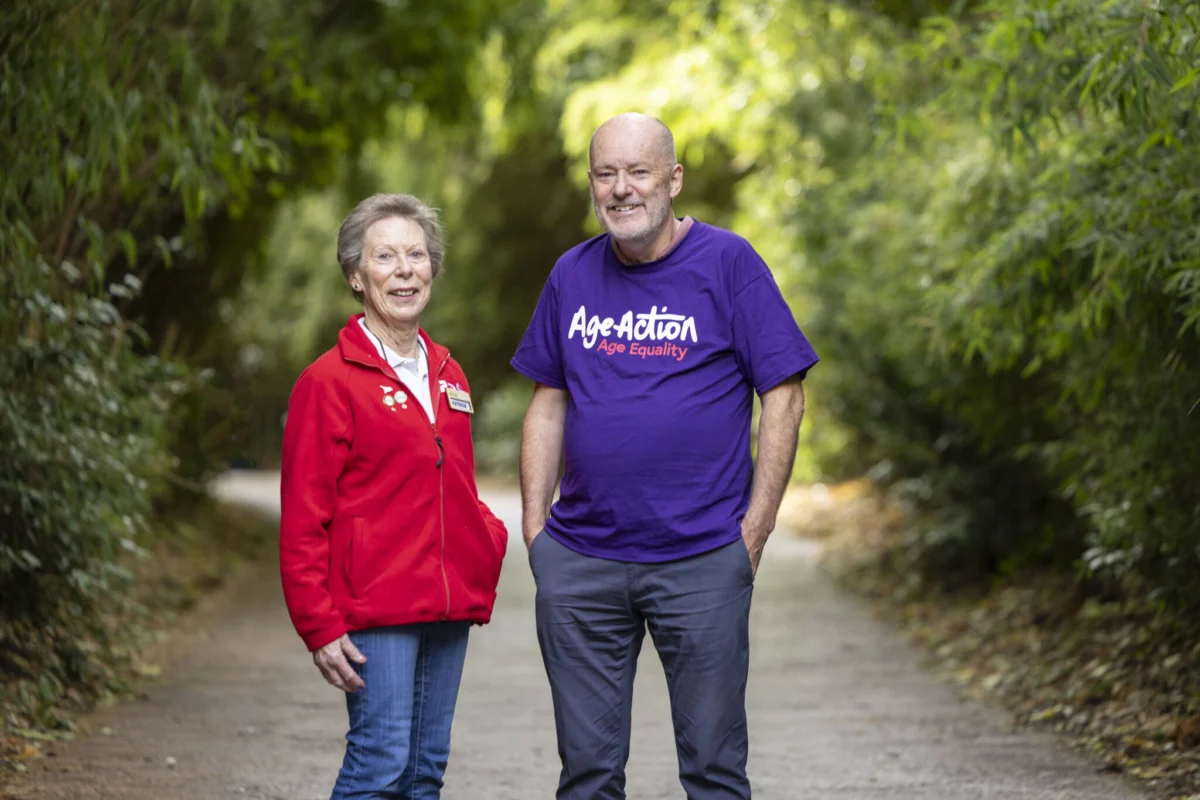
Since its inception in 1992, Age Action has served as the primary national advocacy organization in Ireland dedicated to promoting equality, rights, and quality of life for the aging population. In a significant organizational shift announced this week, the charity has confirmed the extension of its current strategic framework, Action Today for Your Tomorrow, by one additional year. Originally slated to conclude in December 2026, the strategy will now remain the guiding roadmap for the organization through to the end of 2027. This decision follows recent leadership transitions at both the executive and board levels, signaling a period of internal realignment intended to bolster the organization’s long-term effectiveness in an evolving demographic landscape.
The Demographic Imperative: Ireland’s Changing Profile
The necessity for this extension is rooted in the rapid transformation of Ireland’s demographic profile. According to data from the Central Statistics Office (CSO), the proportion of the population aged 65 and older has been rising steadily for decades. Projections suggest that this trend will accelerate over the next ten years, creating a demographic shift that will necessitate fundamental changes in public policy, healthcare delivery, and social infrastructure.
As the number of older people grows, so too does the demand for specialized advocacy that addresses the nuanced needs of an aging society. From housing and transport to digital inclusion and healthcare, the complexities of ensuring that Ireland remains an age-positive environment are substantial. Age Action’s decision to extend its planning phase is a direct response to this reality; the organization intends to utilize the extra twelve months to conduct deeper research and more inclusive consultations, ensuring that its next long-term strategy is not only ambitious but evidence-based and reflective of the diverse lived experiences of older citizens across the country.
A Legacy of Advocacy: Chronology of Impact
To understand the weight of this strategic extension, one must look back at the historical trajectory of Age Action. Since 1992, the organization has evolved from a small advocacy group into a cornerstone of Irish civil society.
- 1992: Age Action is founded, filling a critical gap in the representation of older people in national discourse.
- Early 2000s: The organization expands its operational scope, formalizing programs such as "Getting Started" to address the digital divide and "Care and Repair" to support independent living.
- 2020-2023: The COVID-19 pandemic highlights the heightened vulnerabilities of older populations, forcing Age Action to pivot its resources to address isolation and digital exclusion, which became urgent priorities during lockdown measures.
- 2024: The launch of the Action Today for Your Tomorrow strategic plan, outlining six core operational goals designed to champion the voices and contributions of the aging demographic.
- 2024/2025: Significant leadership changes occur at the board and executive levels, prompting a review of the internal capacity needed to craft the next phase of the organization’s vision.
- 2027: The revised deadline for the completion of the current strategic cycle, setting the stage for a new, data-driven approach to advocacy.
Operational Continuity and Service Delivery
Despite the adjustment to the strategic timeline, Age Action has been explicit in its commitment to maintaining the continuity of its essential services. The extension does not signify a pause in operations; rather, it provides a window of stability to refine the delivery of current initiatives.
The organization’s "Care and Repair" program remains a vital lifeline for thousands of households. By providing minor home maintenance services, the program enables older people to live in their own homes for longer, reducing the pressure on long-term care facilities and hospital services. Similarly, the "Getting Started" digital literacy program has become increasingly essential in an era of rapid digitalization. As government services, banking, and social connectivity migrate almost exclusively to digital platforms, Age Action’s role in bridging the technological gap for older demographics serves as a critical measure of social inclusion. These programs are expected to continue at full capacity throughout the extended 2027 period.
Expert Perspective: The Rationale Behind the Shift
Carrie Benn, Head of Fundraising and Communications at Age Action, has emphasized that the extension is a calculated effort to ensure that the charity remains "grounded in evidence." In a recent statement, Benn noted, "Ireland is changing, and the experience of aging in Ireland is changing with it. As we look towards the next decade, it is vital that Age Action’s future work is informed by the voices and experiences of older people."
This approach reflects a broader trend in the non-profit sector where organizations are moving away from rigid, multi-year plans in favor of adaptive, stakeholder-led models. By allowing for a longer consultation phase, Age Action is positioning itself to better capture the emerging challenges of the 2030s—a decade where the "baby boomer" cohort will reach advanced age, potentially placing unprecedented strain on pension systems and public health resources.
From an analytical standpoint, this extension offers several advantages. First, it allows the organization to align its internal structure with the new leadership vision without the pressure of an impending strategic deadline. Second, it provides the opportunity to aggregate data collected throughout 2024 and 2025, allowing for a more accurate assessment of the effectiveness of the current Action Today for Your Tomorrow goals. Finally, it facilitates a more comprehensive engagement process with government departments and other NGOs, ensuring that Age Action’s future lobbying efforts are synchronized with national health and social policy shifts.
Broader Implications for Irish Society
The work performed by Age Action does not exist in a vacuum. It is deeply intertwined with the broader Irish state policy, including the "Healthy and Positive Ageing Initiative" (HaPAI) and various national strategies regarding dementia and elder care.
The extension of the strategic plan carries implications for these broader governmental frameworks. As Age Action prepares its next roadmap, it will likely influence how the state allocates funding and prioritizes legislation. Stakeholders in the healthcare sector, including the Health Service Executive (HSE), view Age Action as a primary partner in reaching isolated individuals who might otherwise fall through the cracks of the public health system. Therefore, a more robust, well-researched strategy from Age Action will directly benefit the state’s ability to provide targeted care.
Furthermore, the emphasis on an "age-positive" society is a thematic shift away from viewing aging as a problem to be solved, and toward viewing older people as an active, contributing component of the economy and community. By taking the time to properly codify this vision in its 2027 strategy, Age Action is essentially setting the tone for the national conversation on how Ireland values its senior citizens.
Looking Toward the Future
As the organization navigates this transition, the focus will remain on the six operational goals identified in the 2024 plan. These goals—which cover everything from policy influence and community engagement to organizational efficiency—serve as the foundation for the upcoming period of intensive consultation.
The process of engaging with older people is not merely a box-ticking exercise. It requires specialized methodology to ensure that those with mobility issues, hearing impairments, or digital literacy barriers are not excluded from the conversation. The extra year provides the necessary breathing room to conduct town hall meetings, surveys, and focus groups that are genuinely representative of the Irish demographic.
In conclusion, the decision by Age Action to extend its strategic plan to the end of 2027 is a proactive, strategic move. It demonstrates an organization that is willing to prioritize long-term effectiveness over short-term expediency. As the landscape of aging in Ireland continues to shift, the ability of Age Action to pivot, listen, and adapt will be the defining factor in its success. With a clear vision of an inclusive and age-positive Ireland, the charity is now better positioned to meet the multifaceted challenges of the next decade, ensuring that as the population grows older, the quality of life for all citizens continues to improve. By grounding its future in the lived experiences of the people it serves, Age Action reinforces its position as a vital, responsive, and necessary force in modern Irish society.