
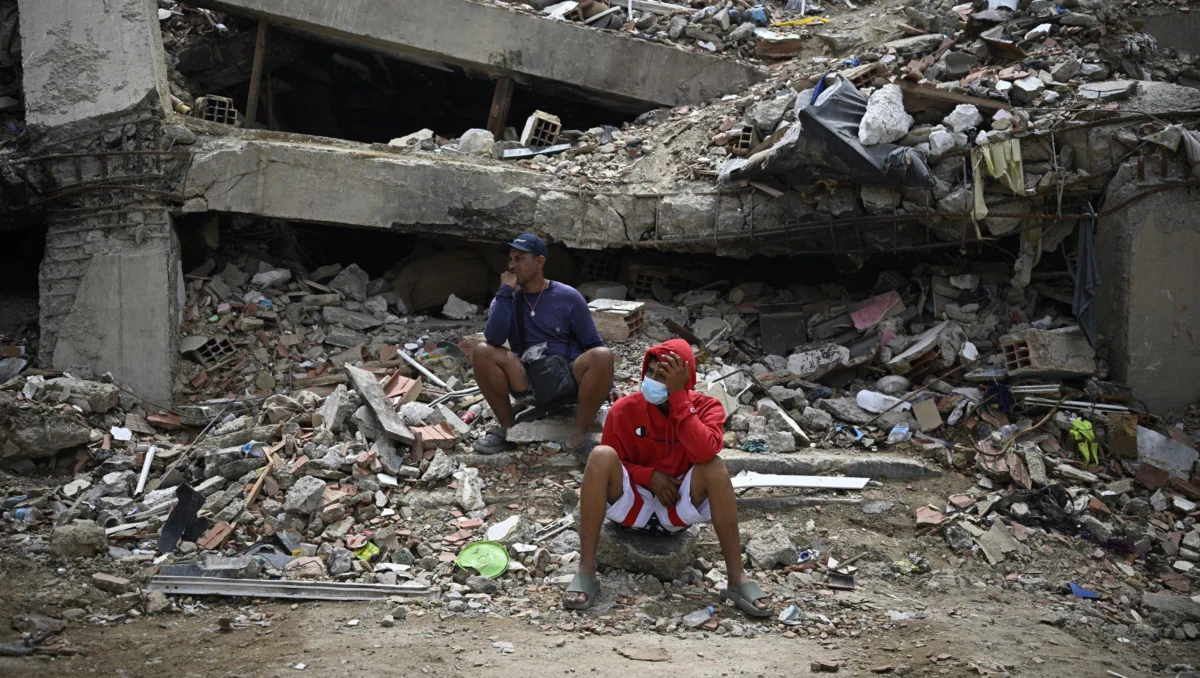
On June 24, 2026, Venezuela experienced a seismic event of historic proportions, as two powerful earthquakes struck the nation’s northwestern region. These tremors, which stand as some of the most intense in the country’s recorded history, triggered a secondary wave of over 1,000 aftershocks that continued to compromise structural integrity long after the initial impact. The disaster has arrived at a critical juncture for a nation already grappling with a protracted humanitarian emergency, where an estimated 7.9 million people were identified as requiring urgent assistance prior to the tectonic activity. The intersection of this natural catastrophe with existing systemic economic and political vulnerabilities has created a compounding crisis that threatens the stability and well-being of millions.
A Chronology of the Seismic Disaster
The sequence of events began on the morning of June 24, catching millions of residents unprepared. The initial tremors caused immediate, widespread structural failure in residential apartment complexes and critical public infrastructure. As the primary seismic events subsided, the subsequent thousands of aftershocks hampered search and rescue operations, as unstable buildings continued to shed debris and shift.
By early July, the scope of the devastation began to crystallize through formal situation reports. As of July 19, the death toll has reached at least 5,200 individuals, with an additional 16,700 confirmed injuries. Despite the successful rescue of over 6,000 survivors from the rubble, thousands more remain unaccounted for, leaving families in a state of agonizing uncertainty. The displacement of approximately 18,000 people has created an urgent need for temporary housing in a nation where the housing stock was already insufficient and largely neglected due to long-term economic contraction.
Supporting Data and the Humanitarian Landscape
To understand the severity of the current situation, one must consider the baseline conditions of the Venezuelan population prior to June 24. Years of economic decline have led to persistent shortages of essential medicines, nutritious food, and reliable utility services. According to international humanitarian monitors, a significant portion of the population is currently experiencing moderate to severe food insecurity.
The economic fallout of the earthquake is expected to further depress local purchasing power. With inflation-adjusted wages failing to cover basic necessities, the destruction of thousands of homes has effectively pushed the most vulnerable households into absolute poverty. The loss of personal property, combined with the destruction of community infrastructure—such as schools and clinics—has effectively severed the lifelines for thousands who were already reliant on informal support networks. The current humanitarian response, coordinated by the United Nations and various international NGOs, is attempting to fill these gaps, but the scale of the destruction necessitates a massive mobilization of international aid that is currently complicated by the broader geopolitical climate.
The Response of HIAS and International Relief Organizations
HIAS, which has maintained a presence in Venezuela for 18 years, has shifted its operations to prioritize emergency response alongside its traditional advocacy and support work. Recognizing that the trauma of the earthquakes is layered upon years of systemic instability, the organization has adapted its existing programs to offer immediate psychological support.
The response strategy is currently focused on three pillars:
- Psychosocial Support: Deploying teams to temporary shelters in the Distrito Capital, Miranda, and La Guaira to provide Psychological First Aid (PFA) to survivors, with a specific focus on supporting caregivers and children.
- Case Management and Direct Assistance: Distributing in-kind aid, including food, water, and sanitation supplies, to those who have lost their homes.
- Capacity Building: Partnering with local authorities to train first responders and community leaders in trauma-informed care, ensuring that the response is sustainable and culturally responsive.
Beyond these efforts, HIAS is collaborating with local Jewish communities and other faith-based organizations to organize private donations of essential goods. These efforts are critical, as they provide a bridge for those who have yet to be reached by large-scale government-led relief programs.
Socioeconomic and Political Implications
The earthquakes have forced a reevaluation of the 2026 Humanitarian Response Plan. The destruction of infrastructure is not merely a logistical problem; it is a long-term developmental setback. When hospitals or water treatment facilities are destroyed, the health outcomes for the general population decline rapidly. Public health officials are concerned about the potential for waterborne illnesses and the lack of access to chronic disease medication, which was already a pre-existing challenge.
Furthermore, the displacement of 18,000 people creates an immediate demand for social services that the state, under current fiscal constraints, is struggling to meet. The situation highlights a "double-burden" scenario: the immediate need for emergency relief (food, shelter, search and rescue) and the long-term need for reconstruction and mental health support for a population already suffering from collective trauma.
Experts note that the political context complicates the delivery of aid. Given the history of international sanctions and the resulting limitations on state capacity, the burden of relief falls heavily on non-governmental organizations and international partners. The efficiency of the aid response will ultimately depend on the ability of these groups to navigate bureaucratic hurdles and ensure that aid reaches the most vulnerable—specifically women-headed households, children, the elderly, and indigenous communities who often face the highest barriers to accessing institutional support.
Addressing the Vulnerable: A Sustained Commitment
HIAS continues to focus on those who occupy the margins of Venezuelan society. Since 2007, the organization has been a cornerstone of support for refugees, migrants, and vulnerable host-community members. Their work encompasses legal aid, child protection, and gender-based violence (GBV) prevention. In the wake of the earthquake, the risks of exploitation and violence against women and children have spiked, necessitating a more robust protection presence in temporary shelters.
The organization’s presence in Zulia, Táchira, Apure, Delta Amacuro, and Bolívar—in addition to the central regions—allows for a decentralized response. By leveraging these existing networks, HIAS ensures that assistance is not concentrated solely in the capital, but is distributed to regions where resources are often most scarce.
Looking Ahead: The Road to Recovery
The path to recovery for Venezuela will be measured in years, not months. The destruction of the housing sector alone will require massive capital investment and international cooperation. As the emergency phase transitions into early recovery, the focus must remain on restoring the basic dignity of the survivors.
The international humanitarian community remains concerned that the global focus on other crises may lead to a reduction in funding for Venezuela. However, the data from the June 24 disaster demonstrates that the needs are not only growing but becoming more complex. The combination of structural, economic, and psychological challenges requires a holistic approach.
As the situation continues to evolve, the emphasis must remain on localized, community-driven solutions supported by international resources. HIAS, alongside its partners, remains committed to this objective, ensuring that those who have been displaced or devastated by the earthquake are not forgotten. The resilience of the Venezuelan people is being tested on an unprecedented scale, and the international response in the coming months will be a defining factor in the nation’s ability to recover from this historic tragedy. For those seeking to support these efforts, the focus remains on empowering organizations that have the local expertise and logistical capacity to navigate the complex landscape of post-earthquake Venezuela, ensuring that every donation translates into tangible, life-saving assistance for those who need it most.




