The European Union’s landmark Pact on Migration and Asylum, a comprehensive legislative package years in the making, is set to take effect on June 12, 2026. This pivotal agreement aims to overhaul the bloc’s common asylum system and establish a more unified approach to managing irregular migration, a challenge that has persistently strained member states’ resources and political will for over a decade. The Pact arrives at a critical juncture, with global displacement reaching unprecedented levels and the EU grappling with the complex realities of humanitarian crises at its borders.
A Decade of Crises and the Genesis of the Pact
The impetus for the Pact can be traced back to the significant increase in asylum applications in Europe, particularly following the Syrian civil war in 2015-2016, and subsequent migratory pressures from various regions. The existing Dublin Regulation, which stipulated that the first EU country of entry was responsible for processing asylum claims, proved increasingly unworkable, placing an overwhelming burden on frontline states like Greece, Italy, and Spain. This imbalance led to protracted debates, political deadlock, and a fragmented approach to asylum and migration policy across the EU.
Efforts to reform the system have been marked by intense negotiations, with member states often divided on the principles of responsibility-sharing, border management, and the rights of asylum seekers. The Pact represents a compromise, seeking to balance the need for stricter border controls and more efficient processing with the fundamental obligation to protect those fleeing persecution and violence, as enshrined in international law.
Key Provisions of the EU Pact on Migration and Asylum
At its core, the Pact introduces several key legislative measures designed to reshape how the EU handles arrivals at its external borders and processes asylum claims.
-
Enhanced Border Procedures and Screening: Upon arrival at the EU’s external borders, individuals will undergo a mandatory screening process. This initial assessment aims to identify security risks, vulnerabilities, and the potential need for immediate protection. This phase will be followed by a mandatory border procedure for those whose claims are deemed inadmissible or who come from countries with a low recognition rate.
-
Accelerated Asylum Procedures: The Pact establishes faster, often referred to as "fast-track," asylum procedures. These are intended to expedite the processing of claims for certain categories of asylum seekers, including those from perceived safe countries of origin or those deemed to pose a security risk. The goal is to reach decisions more quickly and facilitate returns for those whose claims are rejected.
-
The "Solidarity Mechanism": Recognizing the unequal distribution of asylum seekers among member states, the Pact introduces a new "solidarity mechanism." This aims to shift away from the strict application of the Dublin Regulation by allowing for a more equitable sharing of responsibility. Member states that are not directly on the frontlines of migration can contribute in several ways:
- Relocation: They can agree to relocate asylum seekers from frontline states.
- Financial Contributions: They can provide financial support to countries facing migratory pressure.
- Operational Support: They can offer personnel or resources to assist with border management and asylum processing in other member states.
The flexibility of this mechanism has been a point of contention, with concerns that financial contributions might be favored over actual relocation, thereby perpetuating the burden on border countries.
-
Increased Use of Detention: A significant and controversial aspect of the Pact is the provision for mandatory detention at the border for up to 12 weeks for individuals undergoing the new border procedures. During this period, they may be deemed "legally not on EU soil," raising concerns about access to legal representation, judicial review, and fundamental rights. Further detention can be extended for up to 12 weeks if their claim is rejected, or longer if returns are complicated.
-
Crisis and Instrumentalization Measures: The Pact allows member states to deviate from standard EU asylum rules in "crisis situations" or when facing "instrumentalization" of migration. The latter refers to situations where a third country or non-state actor allegedly manipulates people seeking protection to enter the EU. These provisions are broad and have drawn criticism for potentially being used to suspend fundamental rights and protections under political pretext.
-
Updated Living Conditions and Data Use: The Pact also includes updated standards for the reception conditions of asylum seekers and expands the scope for using their data, including biometric data, for various purposes. A new resettlement framework aims to create more safe and legal pathways to Europe, but its effectiveness hinges on member states increasing their resettlement pledges.
Data and Context: The Reality of Global Displacement
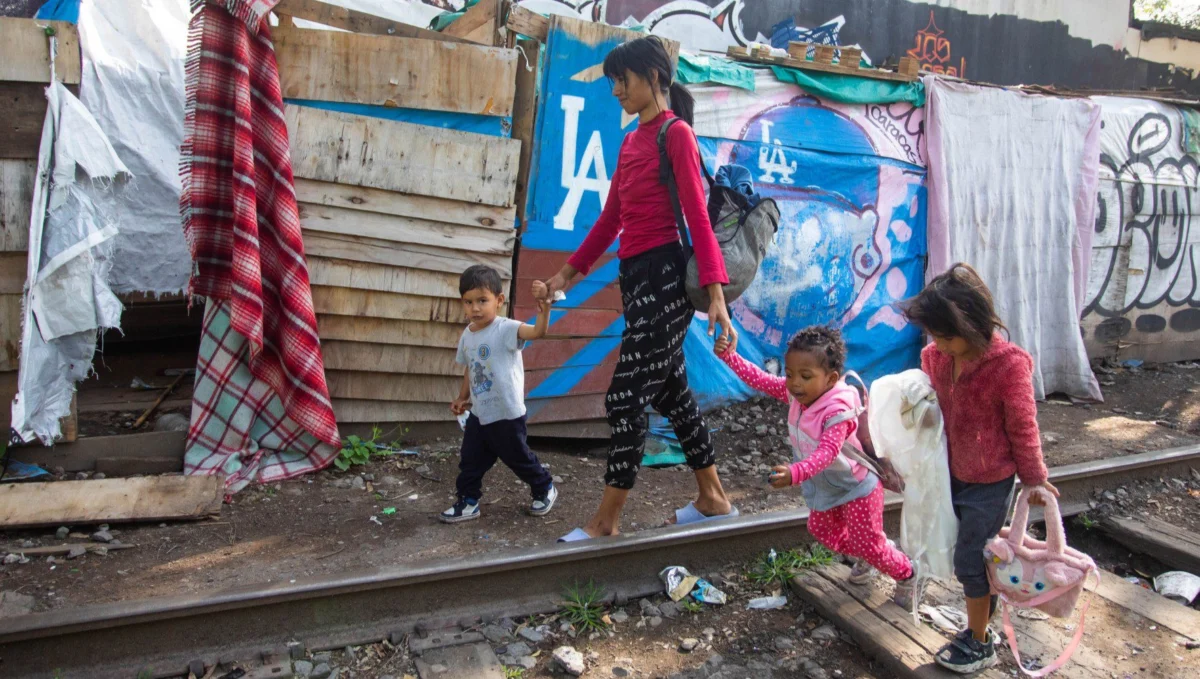
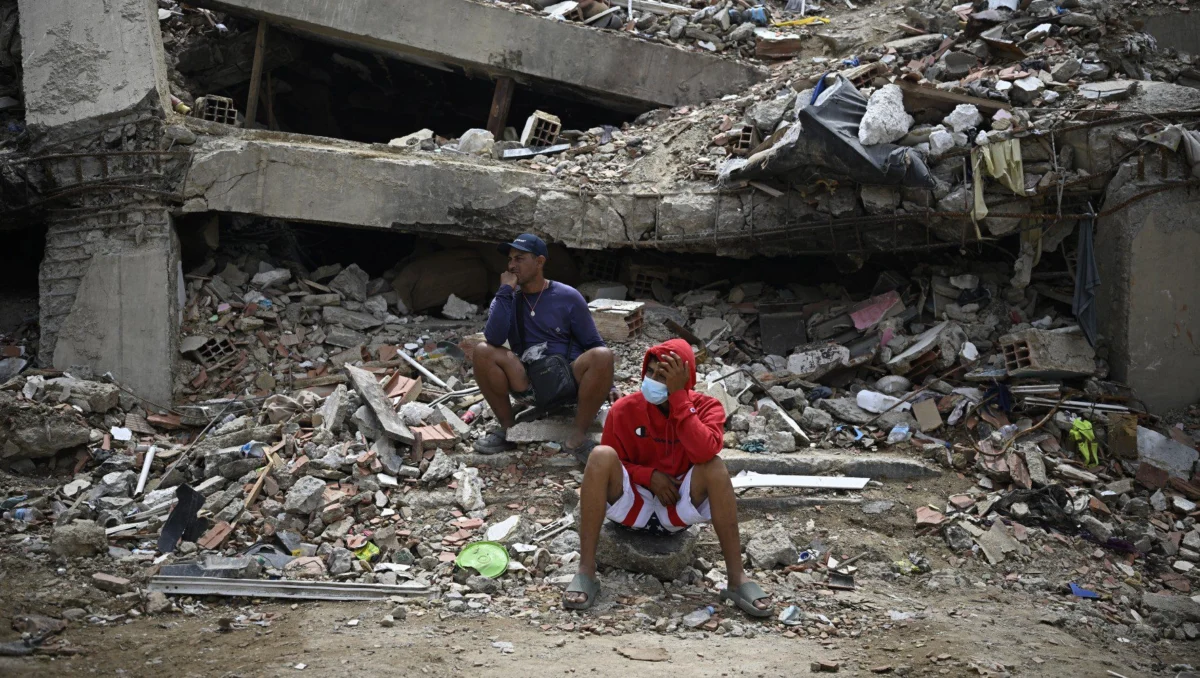
The narrative surrounding migration to the EU often focuses on the numbers arriving at its borders. However, global statistics paint a starkly different picture. According to the UNHCR, as of mid-2026, over 117 million people worldwide are forcibly displaced due to conflict, violence, persecution, and human rights violations. The vast majority of these individuals remain within their own countries or in neighboring, often lower-income, regions. Only a fraction undertake journeys to Europe, often because safe and legal pathways to seek protection are severely limited.
Official statistics from within the EU consistently show that a significant majority of asylum seekers are indeed fleeing persecution and violence, refuting claims that most arrivals are not in need of protection. For instance, data from the European Union Agency for Asylum (EUAA) indicates high recognition rates for asylum applications from countries experiencing severe conflict or political instability. The right to seek asylum is a fundamental principle of international law, enshrined in the 1951 Refugee Convention, and individuals have the legal right to reach EU borders to make such a claim.
Concerns and Criticisms: A Rights-Based Perspective
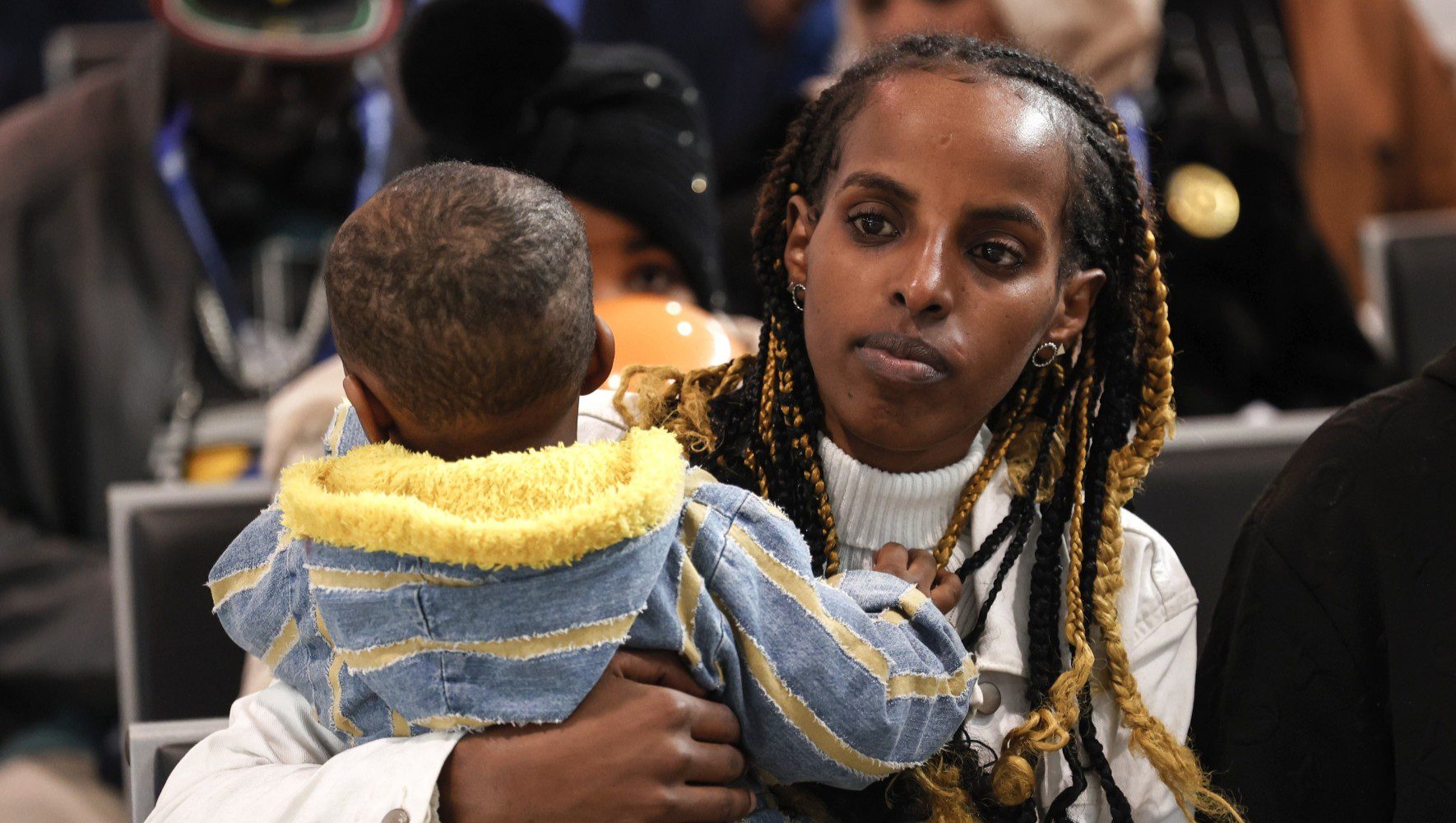
Human rights organizations and refugee advocates have raised significant concerns about the potential implications of the EU Pact on Migration and Asylum.
-
Erosion of Safeguards in Fast-Track Procedures: The accelerated procedures, particularly when conducted at the border, are feared to offer fewer safeguards. This includes limited time for applicants to prepare their cases, reduced access to legal aid and interpretation services, and less thorough individual assessments of protection needs. The ability to appeal negative decisions may also be curtailed.
-
The Risk of Refoulement: A particularly worrying aspect is the provision allowing asylum claims to be rejected without substantive examination if an applicant has transited through a "safe third country" before reaching the EU. Countries like Tunisia, Egypt, or Turkey are often cited in this context. Critics argue this could lead to individuals being returned to countries where they face human rights abuses or being deported to their countries of origin where they could face serious harm, a practice known as refoulement, which is a violation of international law.
-
Expansion of Detention: The mandatory and prolonged detention periods at borders are seen as a significant step backward. Critics argue that detention is not an appropriate measure for asylum seekers and can have severe psychological and physical consequences. The designation of individuals as "legally not on EU soil" while physically present within the bloc raises profound questions about their rights and access to essential services.
-
Weakening of Solidarity and Increased Burden on Border States: While the solidarity mechanism is intended to share responsibility, its reliance on financial contributions and the political unpopularity of relocation in many member states suggest it may not lead to a truly equitable distribution. There are fears that the "solidarity funds" could be used to bolster border control and detention infrastructure, or to finance external migration management outside the EU, rather than supporting direct protection and integration efforts.
-
Abuse of Emergency Measures: The broad definitions of "crisis situations" and "instrumentalization" are a cause for alarm. These provisions could be interpreted and applied in ways that allow member states to bypass standard protections, suspend rights, and legitimize pushbacks or summary expulsions, particularly in politically charged environments.
Potential Positive Elements and the Path Forward
Despite the significant concerns, proponents of the Pact highlight certain provisions that could, if implemented correctly, lead to improvements.
-
Monitoring Mechanisms: The Pact includes new monitoring mechanisms intended to ensure that asylum seekers’ rights are respected during border procedures. The effectiveness of these mechanisms will depend on their independence, transparency, and adequate resourcing by member states.
-
Resettlement Framework: A dedicated resettlement framework could, in principle, create more safe and legal pathways for vulnerable individuals to reach Europe. However, this depends entirely on member states increasing their resettlement commitments, which has been a challenge in the past.
-
The Ukrainian Example: The EU’s response to millions of Ukrainian refugees fleeing the Russian invasion since 2022 has demonstrated that a rights-based, welcoming approach to asylum can be managed effectively and benefit both refugees and host societies. This experience serves as a benchmark for what is possible when political will aligns with humanitarian principles.
Advocating for a Fairer System
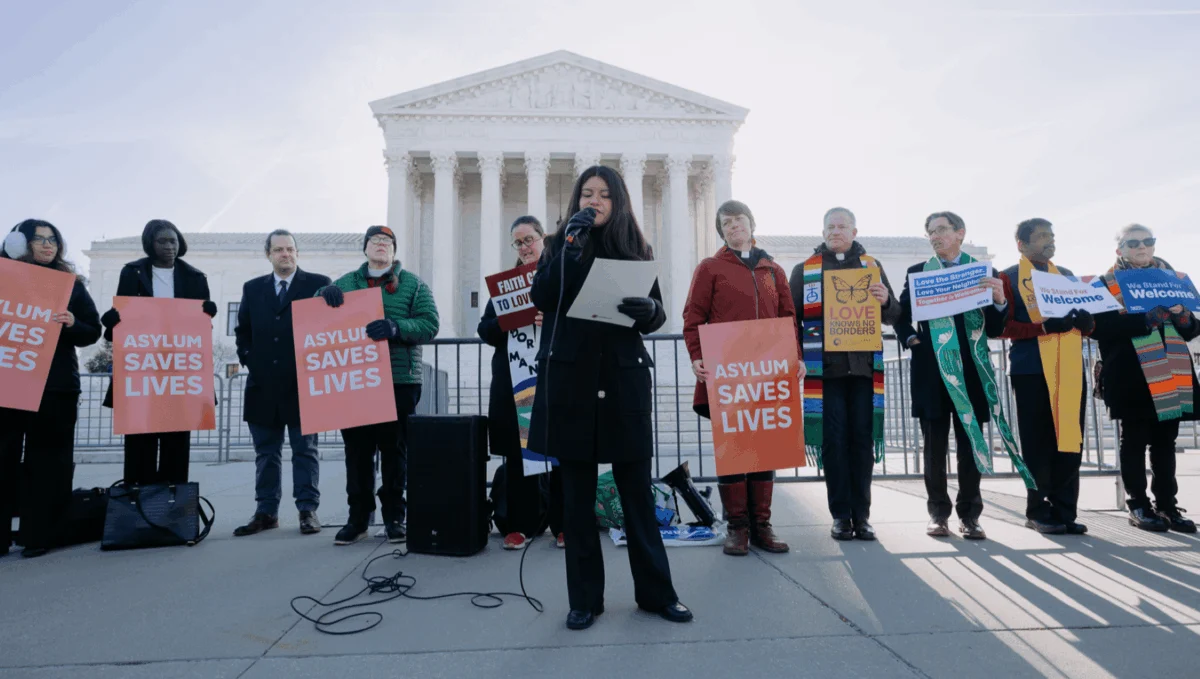
As the EU Pact on Migration and Asylum comes into force, the responsibility now lies with member states to implement its provisions in a manner that upholds human dignity and international legal obligations. Organizations like HIAS Europe are calling on EU member states to:
- Ensure that all border procedures are conducted with full respect for human rights, including access to legal counsel and interpreters.
- Prioritize relocation over financial contributions in the solidarity mechanism to ensure a more equitable distribution of responsibility.
- Refrain from using emergency and instrumentalization measures in ways that undermine fundamental rights and the right to seek asylum.
- Invest in robust reception systems, integration support, and effective asylum procedures that are efficient yet humane.
- Strengthen safe and legal pathways for refugees, including increased resettlement quotas.
The coming months will be crucial in determining whether the EU Pact on Migration and Asylum ushers in an era of more predictable and equitable asylum management or leads to a further erosion of protections for vulnerable individuals seeking safety. The commitment to human rights standards, as outlined in international and European law, remains paramount. The challenge for European leaders is to demonstrate that managing migration and protecting refugees are not mutually exclusive goals, but rather two sides of the same coin, requiring compassion, solidarity, and a steadfast adherence to fundamental values. The global displacement crisis demands proactive, rights-based solutions, and the implementation of this Pact will be a critical test of the EU’s commitment to these principles.