
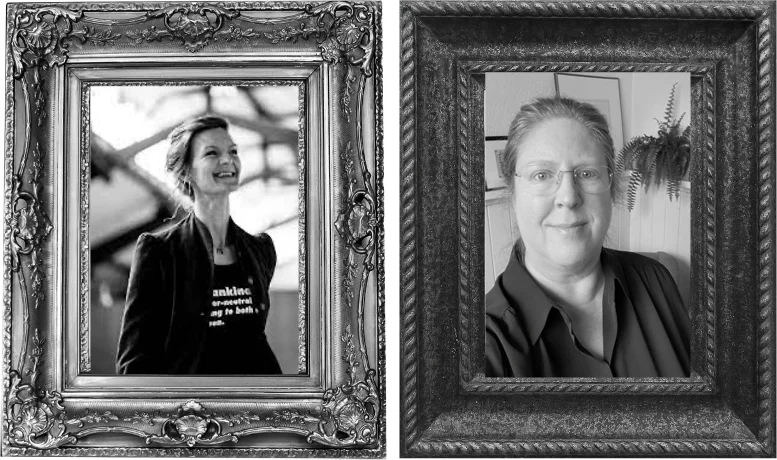
In the fast-paced environment of the modern digital era, the human cognitive system is frequently overwhelmed by an influx of data. To manage this cognitive load, the brain relies heavily on System 1 thinking—an intuitive, rapid, and largely unconscious processing mechanism. While this "autopilot" mode is essential for survival and daily efficiency, it is inherently prone to errors. Cognitive psychologists have long observed that these mental shortcuts, or heuristics, often rely on deep-seated stereotypes, societal norms, and internalized beliefs that can inadvertently steer human behavior away from values of inclusion, respect, and objective judgment.
As behavioral science continues to evolve, researchers are increasingly focusing on the concept of "reframing"—a deliberate cognitive intervention designed to reshape how individuals process perceptions. By consciously altering the language and mental frameworks used to categorize people and self-image, individuals can interrupt biased patterns. This transition from reactive, stereotyped thinking to reflective, inclusive awareness is gaining traction as a critical tool in diversity, equity, and inclusion (DEI) efforts.
The Anatomy of Normative Patterns and Internalized Bias
Societal norms serve as the foundation for our cognitive shortcuts. From early childhood, individuals are exposed to repetitive cultural scripts that define traits such as attractiveness, leadership, intelligence, and trustworthiness. These "normative patterns" are reinforced through a complex web of social institutions, including the family unit, educational systems, mass media, and professional environments.
Data from the Implicit Association Test (IAT), developed by researchers at Harvard University, consistently demonstrates that even individuals who consciously identify as egalitarian hold unconscious associations regarding race, gender, and age. These associations are not merely abstract concepts; they dictate the speed and nature of human interaction. When a person is perceived as falling outside the "dominant" normative pattern—whether due to physical appearance, socioeconomic status, or cultural background—the brain often triggers a negative bias. This exclusionary mechanism has profound consequences, influencing hiring decisions, interpersonal conflict, and systemic inequality.
Chronology of the Digital Shift and the Rise of Zoom Dysmorphia
The global transition to remote work beginning in early 2020 served as a catalyst for a new psychological phenomenon. As millions of professionals migrated to video-conferencing platforms, the frequency of self-observation skyrocketed. This shift created a unique environmental stressor that psychologists have labeled "Zoom dysmorphia."
The timeline of this phenomenon is linked directly to the COVID-19 pandemic:
- Q1–Q2 2020: Rapid, mass adoption of virtual meeting software creates an unprecedented increase in real-time self-monitoring.
- Q3 2020–Q1 2021: Clinical observations reveal a spike in patients seeking cosmetic procedures, specifically citing their appearance on video calls as the primary motivation for their dissatisfaction.
- Late 2021 to Present: Behavioral scientists begin to draw parallels between the "always-on" nature of video work and the intensification of negative self-perception, noting that the inability to look away from one’s own image on screen mirrors the intrusive, critical thoughts that often plague individuals in public spaces.
This period of forced digital immersion provided a fertile ground for behavioral designers, such as Tinna Nielsen and Lisa Kepinski, to test interventions. They observed that the intense, daily scrutiny of one’s own digital reflection acted as an amplifier for internalized negative stereotypes, essentially weaponizing the brain’s tendency to judge based on appearance.
Behavioral Design: The "That’s a Human" Intervention
To combat the automated, judgmental nature of System 1 thinking, behavioral designers have proposed a technique known as "reframing." The core premise is that by inserting a simple, objective linguistic anchor into the thought process, an individual can force the brain to move from a judgmental state to a descriptive one.
One such experiment, dubbed "That’s a Human," involves a conscious redirection of thought when encountering either oneself in a mirror or others in public spaces. Instead of allowing the mind to categorize a person based on physical attributes—such as weight, height, or clothing—the observer triggers the mental statement: "That is a human being."
This intervention draws inspiration from established advocacy strategies, such as the work of the South African non-profit PASSOP. The organization famously challenged the media’s use of dehumanizing language regarding refugees and migrants by consistently reframing "refugee crisis" as "human crisis." By shifting the linguistic frame, the organization sought to influence public policy and social empathy by re-centering the human element of the discourse.
Supporting Data and Behavioral Insights
Psychological studies support the efficacy of this approach. Research published in the Journal of Experimental Social Psychology indicates that cognitive reappraisal—a form of emotional regulation—can effectively reduce the activation of the amygdala, the brain region responsible for the fight-or-flight response and initial emotional labeling.
When applied to bias, the "That’s a Human" method acts as a "nudge." Behavioral scientists define a nudge as any aspect of the choice architecture that alters people’s behavior in a predictable way without forbidding any options. In this context, the nudge is a self-imposed constraint that disrupts the brain’s rapid categorization of "us" versus "them" or "good" versus "bad."
The implications of this for organizational behavior are significant. If individuals can be trained to recognize and intercept their own biases before they manifest in behavior, the cumulative impact on workplace culture could be substantial. By reducing the reliance on snap judgments, teams may foster higher levels of psychological safety, which is a known predictor of high-performing teams, according to internal studies conducted by organizations like Google’s "Project Aristotle."
Broader Impact and Organizational Implications
The move toward cognitive reframing reflects a growing recognition that diversity and inclusion training must go beyond superficial workshops and address the fundamental architecture of human thought. The following points summarize the impact of integrating these behavioral designs into personal and professional life:
- Reduction of Cognitive Dissonance: By acknowledging that internal thoughts often conflict with conscious, egalitarian values, individuals can move from shame to proactive management of their biases.
- Increased Empathy: Shifting the focus from external, judgmental traits to the universal state of being human creates a baseline of commonality, which is essential for effective cross-cultural communication.
- Sustainable Behavioral Change: Unlike "forced" compliance, which can trigger reactance, behavioral nudges encourage intrinsic motivation. When individuals see the immediate result of their reframing—such as reduced anxiety or improved interactions—they are more likely to adopt the practice as a permanent habit.
- Systemic Reframing: When individual leaders adopt these practices, it influences the organizational culture. As executives and managers become more conscious of the language and mental models they employ, they are better equipped to design policies that are inherently inclusive.
Future Directions for Behavioral Interventions
As technology continues to shape human interaction, the role of behavioral science in promoting equity will only grow in importance. The current trend toward "Framing Perceptions Inclusion Nudges" suggests that the next generation of DEI initiatives will be grounded in neuroscience and cognitive psychology.
Experts suggest that the most effective interventions will be those that are low-cost, scalable, and easily integrated into daily routines. Examples include "Flip Questions," which encourage individuals to invert their assumptions—such as asking, "What would I think if this person were of a different gender?"—whenever they make a snap judgment.
Ultimately, the goal is not to "cure" bias, as the human brain is evolutionarily wired to categorize information for speed. Rather, the goal is to create a robust system of "mental circuit breakers." By acknowledging the limitations of our cognitive systems and implementing deliberate, evidence-based interventions, individuals can bridge the gap between the desire for an inclusive society and the reality of their everyday thoughts. The "That’s a Human" experiment serves as a modest but significant template for this ongoing work of self-correction and systemic improvement.




