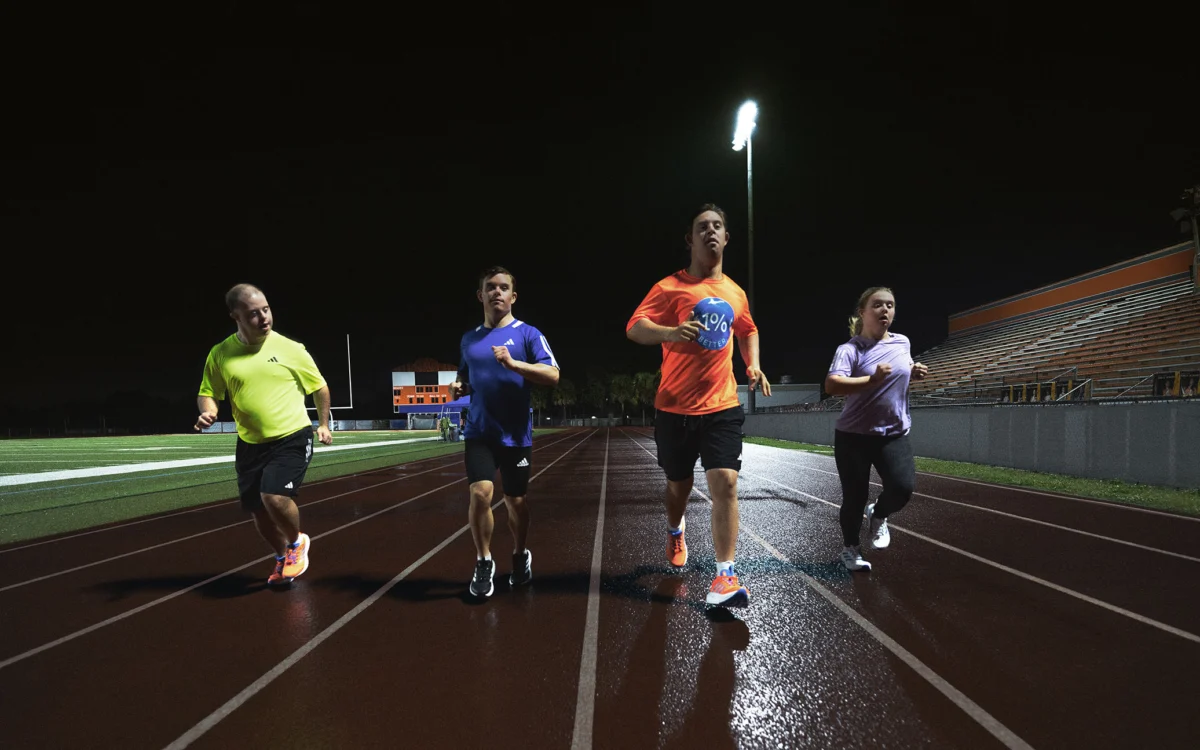
In a significant stride towards inclusive design, Adidas has unveiled the Supernova Rise 3 Adaptive, a revolutionary new shoe meticulously crafted to address the unique needs of individuals with Down syndrome and other disabilities. This launch, strategically timed to coincide with World Down Syndrome Day on March 21st, represents the culmination of a multiyear, collaborative effort between the global sportswear giant and members of the disability community. The Supernova Rise 3 Adaptive is not merely a shoe; it is a testament to Adidas’ commitment to fostering true equity within the athletic and broader consumer landscape, moving beyond token gestures to deliver genuinely functional and empowering products.
A New Era of Adaptive Footwear Design
The Supernova Rise 3 Adaptive is engineered with a suite of innovative features that directly respond to challenges commonly faced by individuals with diverse physical and sensory requirements. At the forefront of its design is a hands-free, step-in heel, a crucial element that significantly enhances ease of use and independence for wearers. This feature eliminates the need for bending or intricate manual manipulation, a common barrier for those with mobility limitations or fine motor skill difficulties.
Further enhancing accessibility is a low-pressure lacing system. Traditional shoelaces can be difficult to manage for individuals with dexterity challenges. Adidas has opted for a system that requires minimal tension and is easily adjustable, ensuring a secure yet comfortable fit without undue strain. The shoe also incorporates softer foam cushioning, providing enhanced comfort and support, particularly beneficial for individuals who may experience heightened sensitivity or require additional shock absorption.
Recognizing the diverse foot structures within the disability community, the Supernova Rise 3 Adaptive boasts a wider fit. This broader design allows toes to spread naturally, a crucial consideration for individuals whose feet may have different proportions, such as a wider toe box or a narrower heel, a common observation among individuals with Down syndrome. The interior and exterior prints have also been thoughtfully developed to accommodate those with visual impairments or sensory sensitivities, utilizing high-contrast patterns and avoiding potentially overwhelming textures or colors. These comprehensive design considerations underscore Adidas’ dedication to a holistic approach to adaptive footwear.
The Genesis of the Supernova Rise 3 Adaptive: A Journey of Collaboration
The development of the Supernova Rise 3 Adaptive did not happen in a vacuum. Adidas publicly signaled its intention to develop inclusive footwear solutions last year, notably highlighting its partnership with Chris Nikic. Nikic, a trailblazer who made history as the first person with Down syndrome to complete an Ironman triathlon, has been a pivotal figure in this initiative. His personal experiences and insights have been instrumental in guiding the design process.
In a promotional video released during the early stages of this collaboration, Nikic and other individuals with Down syndrome, alongside their family members, shared candid accounts of the discomfort and pain they often experience due to ill-fitting footwear. Their testimonies illuminated the widespread issue of mainstream shoe designs failing to accommodate the specific anatomical variations present in their feet, such as the wider toe area and narrower heel, or feet that are small yet proportionally wide. These personal narratives provided Adidas with invaluable, real-world data that directly informed the engineering and stylistic choices for the Supernova Rise 3 Adaptive.
Beyond Nikic’s direct involvement, Adidas enlisted the expertise of GAMUT Management, a leading consulting firm specializing in the development of adaptive products. GAMUT facilitated a series of in-depth focus groups, bringing together a diverse cohort of individuals representing a broad spectrum of disabilities. Participants included wheelchair users, individuals managing chronic illnesses, those with mobility and fine motor challenges, and individuals with upper and lower limb differences. The inclusion of Paralympians Tracy Otto, an archer, and Haven Shepherd, a swimmer, further enriched the collaborative process, bringing elite athletic perspectives to the table. This extensive consultation ensured that the design addressed a wide array of functional needs and preferences.
Official Statements and the Vision for Inclusivity
Patrick Nava, Global General Manager at Adidas Running, articulated the company’s profound commitment to this project. "We’ve spent countless hours listening to and innovating alongside adaptive athletes and people with disabilities to create a shoe that addresses the real needs of a diverse population," Nava stated. "We’re building truly equitable products for the entire running community, ensuring adaptive performance isn’t treated as an afterthought." This statement emphasizes a paradigm shift in product development, positioning adaptive solutions not as niche offerings but as integral components of a comprehensive product strategy.
The Supernova Rise 3 Adaptive represents a significant step in realizing Adidas’ broader vision of inclusivity. This initiative is not entirely new for the company. Previously, Adidas collaborated with Chris Nikic on a meaningful campaign aimed at encouraging marathons to reserve bib number 321 for neurodivergent runners, a subtle yet powerful nod to the genetic makeup of individuals with Down syndrome (an extra copy of chromosome 21). This prior engagement fostered a relationship built on mutual respect and a shared understanding of the importance of representation and accommodation.
A Growing Trend in Athletic Footwear
Adidas is not alone in recognizing the burgeoning market and ethical imperative for adaptive footwear. Other prominent athletic footwear companies have also been actively developing and releasing products with inclusive features. Nike, for instance, unveiled its hands-free sneakers designed for individuals with special needs in early 2021. Similarly, Reebok, in collaboration with Zappos, has introduced adaptive footwear options in recent years, demonstrating a growing industry-wide awareness and commitment to this critical area. This trend signifies a maturing understanding within the athletic apparel sector that performance and accessibility are not mutually exclusive.
Market Availability and Impact
The Supernova Rise 3 Adaptive is now available for purchase, both online through Adidas’ official website and in select retail stores. Priced at $140, the shoe aims to strike a balance between innovative design and market accessibility, although the price point may still present a barrier for some consumers, a common consideration in the adaptive product market.
The implications of this launch are far-reaching. For individuals with disabilities, it offers a tangible improvement in comfort, functionality, and dignity. The ability to independently put on and wear shoes that are specifically designed for their needs can have a profound impact on daily life, fostering greater self-reliance and participation in activities ranging from everyday errands to athletic pursuits.
Furthermore, the success of the Supernova Rise 3 Adaptive could catalyze further innovation across the broader consumer product industry. By demonstrating the viability and demand for thoughtfully designed adaptive products, Adidas is setting a precedent that other companies can and should follow. This collaborative approach, prioritizing direct input from the intended user base, serves as a model for inclusive product development that can benefit a wide range of consumers with diverse needs.
Supporting Data and Context
The development of adaptive footwear is supported by growing demographic and market data. According to the Centers for Disease Control and Prevention (CDC), approximately 1 in 5 people in the United States has a disability. This represents a significant portion of the population whose consumer needs have historically been underserved by mainstream product design. Furthermore, the global adaptive apparel market is projected to experience substantial growth in the coming years, driven by increased awareness, technological advancements, and a greater demand for inclusive products.
The specific challenges faced by individuals with Down syndrome, such as variations in foot structure, are well-documented. Studies on the biomechanics of feet in individuals with Down syndrome have highlighted differences in arch height, flexibility, and toe alignment compared to the general population. These physiological variations necessitate specialized footwear solutions that go beyond generic sizing and conventional designs.
The collaboration with Chris Nikic, a prominent figure in the disability advocacy space, amplifies the reach and impact of this initiative. Nikic’s athletic achievements have not only broken barriers for individuals with Down syndrome but have also brought increased visibility to the importance of adaptive sports and inclusive design in all aspects of life. His advocacy for greater inclusion in marathon running, for example, highlights the desire for equal opportunities and recognition within athletic communities.
Broader Implications for Equity and Inclusion
The launch of the Supernova Rise 3 Adaptive by Adidas is more than just a product release; it is a powerful statement about corporate responsibility and the evolving understanding of inclusivity. By actively engaging with the disability community, Adidas has demonstrated a commitment to co-creation rather than simply designing for a specific group. This participatory design process ensures that the final product is not only functional but also culturally sensitive and respectful of the lived experiences of its users.
The ripple effect of such initiatives can be profound. As more major brands invest in adaptive product lines, it normalizes the concept of diverse needs and encourages a more inclusive marketplace. This can lead to greater consumer choice, reduced stigma, and a more equitable distribution of well-designed, functional products across society.
The Supernova Rise 3 Adaptive serves as a compelling case study for how businesses can leverage collaboration and empathy to drive innovation that benefits a wider range of consumers. It underscores the principle that true innovation often arises from understanding and addressing the unmet needs of underserved populations, ultimately enriching products and experiences for everyone. As the world moves towards a more inclusive future, the contributions of companies like Adidas, working hand-in-hand with the communities they aim to serve, will be crucial in shaping a more equitable and accessible landscape.