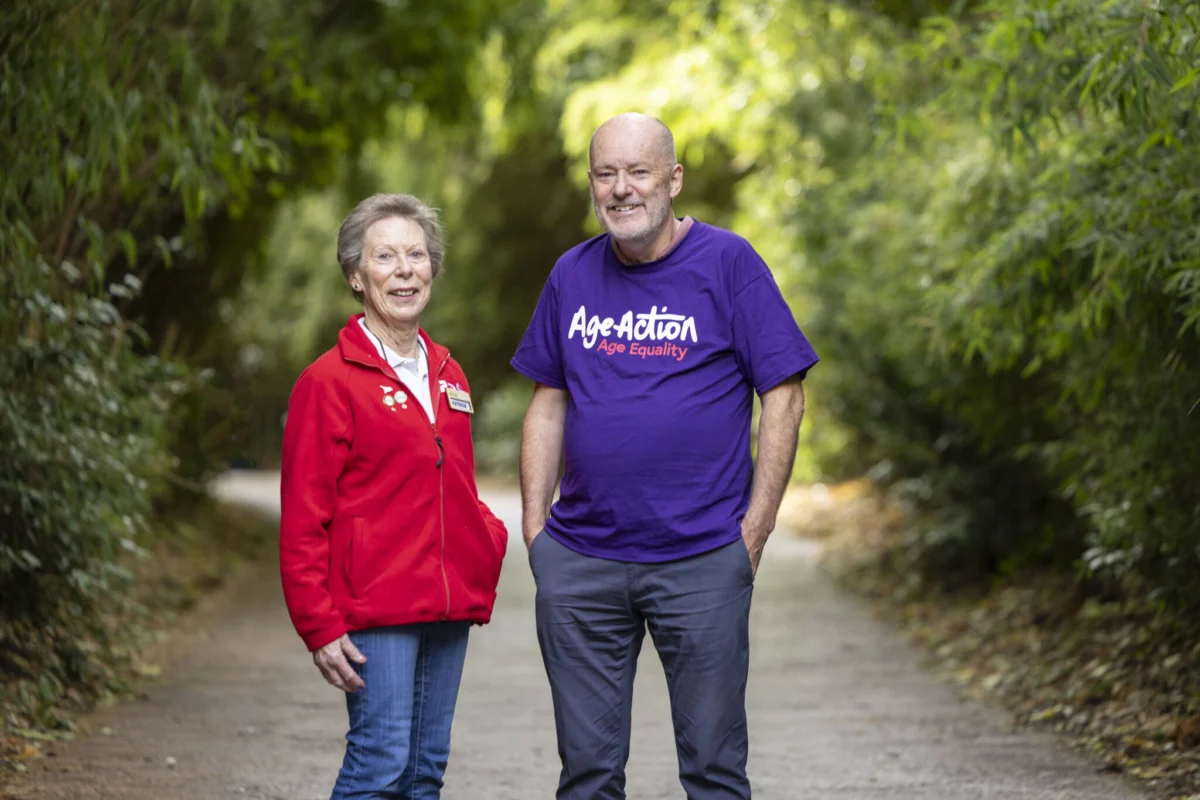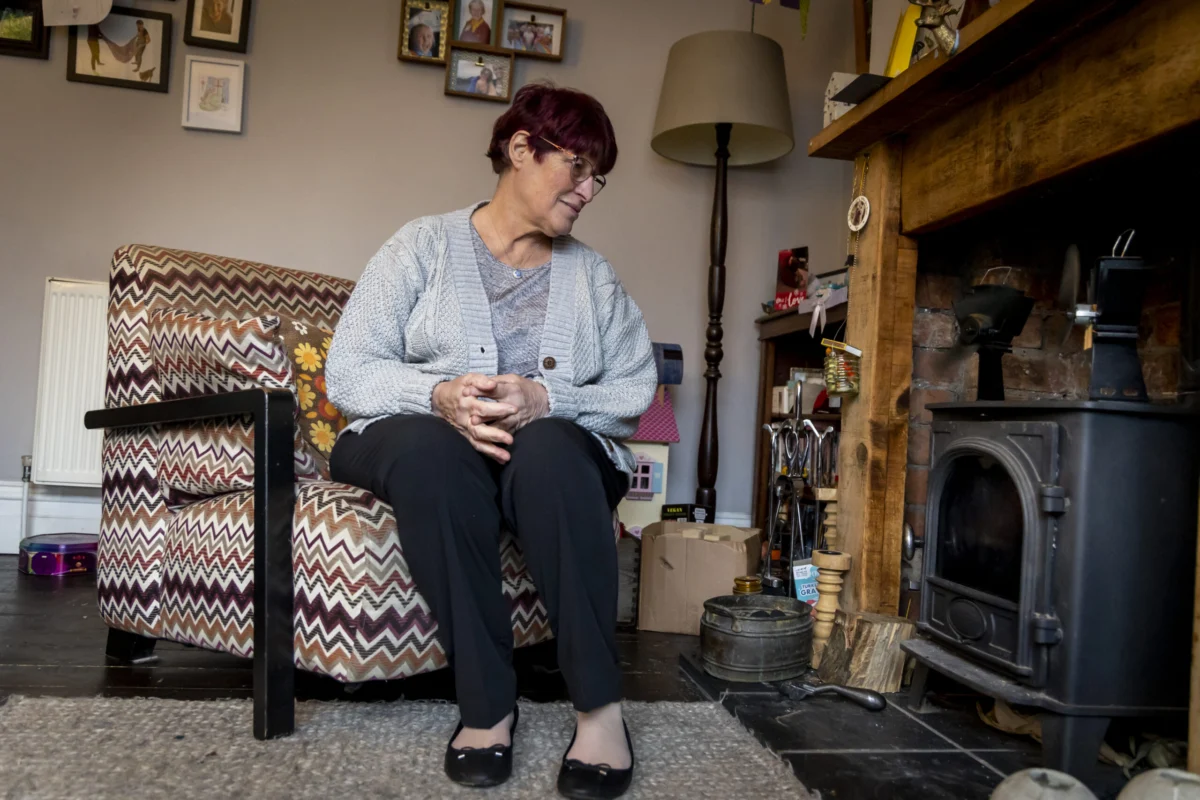
The unveiling of Budget 2027 has drawn sharp condemnation from Age Action, Ireland’s leading advocacy group for older citizens, which argues that the government’s fiscal strategy fails to provide a meaningful safety net for the country’s most vulnerable seniors. Despite a climate of persistent inflationary pressure and a deepening cost-of-living crisis, the advocacy group contends that the measures announced today will serve only to exacerbate, rather than alleviate, poverty levels among those living on fixed incomes.
The critique centers on a perceived disconnect between the government’s stated commitments to social equity and the actual budgetary allocations, which analysts suggest are insufficient to offset the erosion of purchasing power. With consistent poverty rates among older people living alone having nearly doubled since 2025, the organization maintains that the state is failing to uphold its basic obligations to its elderly demographic.
The State Pension and Broken Election Promises
A primary point of contention in the current debate is the stagnation of the State Pension. The Pensions Commission has long advocated for a benchmark rate of €350 per week—a figure considered essential to ensure a decent standard of living for retirees. At the commencement of the current government’s term, both coalition partners pledged to reach this €350 target.
However, the trajectory of increases suggests that this commitment will not be met. Over the five budgets of this administration, the government has provided an average increase of €10 per budget, falling short of the required €12 per year needed to reach the €350 benchmark. By the conclusion of Budget 2027, the pension remains roughly €4, or 17%, below the promised target.
When adjusted for the cumulative impact of inflation, the €10 increase in this year’s budget effectively maintains the status quo rather than enhancing the welfare of pensioners. In real terms, the purchasing power of the State Pension has remained stagnant, leaving many older people unable to keep pace with the rising costs of food, heating, and essential services. Economists have noted that without a more aggressive indexation strategy, the pension will continue to fall behind the standard of living enjoyed by the working population, effectively locking low-income retirees into a cycle of relative deprivation.
The Crisis Facing Older People Living Alone
The statistics surrounding older people living alone in Ireland present a grim outlook. With more than 190,000 individuals in this demographic, the rising cost of household management has become an existential threat. The "Living Alone Allowance," which serves as a critical supplement for these individuals, was set at €22 and had not seen an increase since 2022.
Age Action had lobbied for a €13 increase to the allowance to reflect the drastic shifts in the economy over the past five years. Instead, the government allocated a mere €3 increase. When analyzed against inflation, this adjustment amounts to a meager 25-cent increase in real terms. For a person living in consistent poverty—defined as those unable to afford basic essentials—this adjustment is mathematically insufficient to bridge the gap between subsistence and security.
Sociologists suggest that the "living alone" cohort is uniquely vulnerable to social isolation, which is frequently compounded by financial precarity. As the cost of basic utilities continues to climb, the inability to share fixed costs like electricity and heating renders these individuals particularly susceptible to fuel poverty, a condition that has direct and documented impacts on physical and mental health.
The Exclusion of Older People from Disability Support
One of the most contentious elements of Budget 2027 is the continued exclusion of the elderly from the Cost of Disability payment. While the introduction of this payment is a welcome development for many, it is strictly ring-fenced for those currently receiving long-term disability payments.
In Ireland, approximately one-third of the population living with a disability is aged 65 or older. However, once a person reaches the age of 66, they are transitioned onto the State Pension, regardless of whether they have lived with a disability their entire life or acquired one in their twilight years. By tying the Cost of Disability payment to specific welfare categories rather than the reality of the individual’s physical or cognitive needs, the government has effectively disqualified 350,000 older citizens from receiving essential support.
Camille Loftus, Head of Advocacy and Public Affairs at Age Action, has characterized this policy as "institutional ageism." The costs associated with navigating life with a disability—such as specialized equipment, home modifications, and personal assistance—are often higher for older people, whose health needs are frequently more complex. The decision to maintain this administrative barrier has been described by disability advocates as an arbitrary and discriminatory practice that ignores the lived reality of the elderly disabled population.
Energy Poverty and the Limits of Policy Interventions
Energy costs remain a significant source of anxiety for older households. The government’s response in Budget 2027 included an increase in the income eligibility threshold for the Fuel Allowance for those living alone, raising it from €534 to €641. While this is an improvement, Age Action argues it is a drop in the ocean.
Currently, fewer than 3 in 10 older people qualify for the Fuel Allowance, leaving the vast majority to manage heating costs without state assistance. Furthermore, the delay in implementing the new income threshold until January creates a "cliff-edge" effect, where those who are currently struggling must wait several months into the winter season before receiving support.
The reliance on a 28-week fuel season is also under scrutiny. Experts suggest that with the changing climate and the high cost of oil, a 32-week season is necessary to ensure that homes remain warm during the coldest months of the year. The reduction in the carbon tax on home heating oil, which saves the average consumer approximately €50 to €55 per 1,000-litre tank, is largely viewed as symbolic. Given that the cost of filling such a tank now exceeds €1,500, the tax relief does not meaningfully improve affordability for those on fixed retirement incomes.
Moreover, while the government has promoted home energy upgrades as a solution, these are often inaccessible to low-income older people. The upfront capital required for such retrofits is prohibitive, and the physical disruption involved in deep-energy renovations can be daunting for those with chronic health conditions. Age Action has proposed an "Energy Guarantee for Older People," a structural shift designed to provide direct relief rather than relying on market-based mechanisms that exclude the most vulnerable.
Broader Implications and Future Outlook
The criticism leveled by Age Action highlights a wider debate regarding the social contract in Ireland. As the population ages, the dependency ratio—the number of older people relative to the working-age population—is set to increase, placing further strain on the public purse. However, critics argue that current fiscal policies prioritize short-term balancing of the books over long-term social sustainability.
The failure to adequately index welfare payments to the actual cost of living suggests that Ireland’s approach to elderly poverty is reactive rather than preventative. By ignoring the specific needs of those with disabilities and failing to meet pension commitments, the government faces the risk of a widening inequality gap within the older population.
Furthermore, the lack of an increase in the Household Benefits package—which has not been updated since 2013—indicates that certain core supports have been effectively eroded by over a decade of inflation. Without a significant policy pivot, it is likely that the incidence of "consistent poverty" will continue to rise, placing an even greater burden on the health and social care systems, which are already struggling to cope with the demands of an aging society.
In the coming months, opposition parties and social advocates are expected to ramp up pressure on the government to re-evaluate the mid-term trajectory of these policies. For the 350,000 older people living with disabilities and the thousands struggling to heat their homes, the rhetoric of "economic growth" offered by the current administration feels increasingly disconnected from the reality of their daily survival. As the implementation phase of Budget 2027 begins, the challenge remains for the state to bridge the gap between fiscal discipline and the moral imperative to protect its most vulnerable citizens.