The past two years have undeniably ushered in a period of unprecedented turbulence and rapid experimentation, fundamentally reshaping the landscape of work and our collective understanding of its future. The lingering pandemic era has not merely altered operational models but has instigated profound societal shifts that reverberate through every organization, particularly in the critical domains of Diversity, Equity, and Inclusion (DEI). As businesses grapple with an evolving workforce and a world increasingly characterized by division, understanding the nexus of polarization and activism becomes paramount for effective leadership.
A World Divided: The Pandemic’s Unifying and Fracturing Impact
The global health crisis, while ostensibly a shared experience, paradoxically deepened existing societal fissures and forged new ones. As communities worldwide tentatively emerge from various states of lockdown, a complex tapestry of emotions — ranging from profound sadness and loss to fear, a sense of lost control, and palpable anger — permeates public discourse and, by extension, the workplace. This emotional landscape has directly contributed to a stark increase in perceived societal division. Research conducted across 17 countries revealed that a significant 60% of people believe their societies are more fragmented now than before the pandemic, representing a notable 30% increase from pre-pandemic levels. This statistic underscores a profound shift in collective sentiment, indicating that the crisis, rather than uniting, has often exacerbated underlying tensions.
Within the corporate sphere, these divisions manifested in novel and challenging ways. Policies such as "no jab, no job," mandating vaccinations for office return or direct interaction with colleagues and customers, ignited heated debates. For some, these measures represented a responsible step towards public and personal health, a necessary safeguard in a vulnerable world. For others, they were perceived as an egregious overreach, an infringement on personal autonomy and a controlling imposition on individual lives. This clash of deeply held beliefs created fertile ground for internal discord, forcing organizations to navigate complex ethical, legal, and operational dilemmas with no easy answers.
The global frustration and fatigue stemming from the pandemic’s prolonged impact have also fueled widespread unrest. More than 50,000 protests related to the pandemic have been recorded worldwide, a testament to the boiling point many societies reached. This "COVID rage" also permeated customer interactions, leading to a disturbing rise in customer abuse towards workers, particularly in the hard-hit hospitality and service sectors. Reports indicate that up to 80% of workers in these industries have either witnessed or directly experienced such abuse, highlighting the intense pressure and emotional toll on frontline employees. This environment of heightened tension is further complicated by the widening chasm of global inequality, particularly concerning vaccine access. The disparity between the "haves" and "have-nots" in terms of health security and economic recovery potential has become more pronounced than ever, creating a morally charged backdrop against which businesses operate.
Erosion of Trust and the Rise of the Belief-Driven Employee
Beyond the immediate stresses of the pandemic, a long-term erosion of trust in public officials and civic institutions had been steadily building for years. This pervasive distrust reached a critical point, particularly among younger generations. A global study from August 2021 unveiled a striking finding: Millennials and Generation Z exhibited such profound skepticism that they expressed greater "faith in governance by a system of artificial intelligence than by a fellow human being." This startling preference reflects deep-seated frustrations with perceived corruption, stagnant political leadership, and persistent threats to physical safety, often linked to surveillance and militarized policing disproportionately affecting activists and people of color.
This backdrop of societal disillusionment profoundly influenced the workplace. The tragic murder of George Floyd in May 2020 served as a catalyst, igniting a surge in Black Lives Matter and anti-racism activism that reverberated across more than 60 countries. This pivotal moment, alongside other persistent issues of inequality and discrimination, propelled social justice discussions from the fringes directly into the heart of corporate dialogue. Employees, increasingly viewing their workplaces as extensions of their personal values, began to demand that their employers take a clear stance on these critical social issues.
The Edelman Trust Barometer, a leading indicator of public trust, revealed that as high as 76% of employees in one global research study now expect and demand their workplace leaders to articulate and act upon positions on key societal concerns. This marks a significant departure from previous norms, where corporate neutrality was often the preferred stance. Furthermore, this new breed of "belief-driven employee" is not merely passive in their expectations; they are energized and empowered to take direct action if they perceive it as necessary. A global survey in August 2021 indicated that 60% of employees feel empowered to be change-makers within their organizations. Alarmingly for corporate leaders, 75% globally stated they would take action to advance urgently needed changes, with 40% explicitly indicating a willingness to go public through whistleblowing, protesting, or social media posts.
This surge in employee activism is not confined to social media or internal discussions. In the United States, for instance, there has been a notable resurgence of interest in labor unions, driven by employees seeking to safeguard human rights at work and actively participate in redesigning organizational cultures. This trend culminated in phenomena like "Striketober" in October 2021, when more than 25,000 workers were on strike, a substantial increase compared to the average of 10,000 during the preceding three months. This collective action signals a potent shift in the power dynamic between employees and employers, with workers demonstrating a renewed willingness to leverage their collective voice for change.
The Leadership Imperative: Moving Beyond Lip Service
The undeniable shifts in employee expectations and societal dynamics present a formidable challenge to organizational leaders. The critical question remains: have leaders truly taken note and adapted their approaches? The data suggests a significant disconnect. The same global survey indicated that only 48% of employees believe their employers are consistently acting on their stated values. This perception gap carries severe consequences, risking a decline in employee trust, erosion of leadership credibility, and a substantial hit to overall engagement.
In an era defined by the "Great Resignation," where employees are re-evaluating their relationship with work, this disconnect can be particularly damaging. The Edelman research highlighted that 33% of employees quit their jobs when their employer "didn’t speak out about a societal or political issue the employee felt it had an obligation to address." This statistic underscores that silence is no longer a neutral option; it is increasingly interpreted as a stance, often one of indifference or complicity, with tangible repercussions for talent retention.
The traditional era of the "silent executive" on critical DEI and social justice issues is unequivocally over. Similarly, the tolerance for well-intentioned but ultimately performative public statements, unaccompanied by genuine, systemic change, has vanished. The new standard for leadership demands authenticity, courage, and a proactive commitment to fostering inclusive environments. Leaders are now expected to be more than just managers; they must embody the role of inclusive leaders who are "allies by action," not merely by posting on social media. This requires a fundamental re-evaluation of leadership competencies, emphasizing empathy, transparency, and a demonstrated commitment to addressing inequalities both within and outside the organization.
Strategic Implications for DEI and the Future of Work
The interwoven trends of polarization and activism have profound implications for Diversity, Equity, and Inclusion initiatives. DEI can no longer be a standalone program or a peripheral concern; it must be intrinsically woven into the fabric of organizational strategy, culture, and leadership development.
- Navigating Internal Polarization: Organizations must develop robust frameworks for managing internal dissent and respectful disagreement, particularly around sensitive topics like vaccine mandates or political stances. This requires fostering psychological safety, equipping managers with conflict resolution skills, and creating channels for open, constructive dialogue without allowing for harassment or discrimination.
- Authentic Corporate Activism: Leaders are compelled to move beyond performative allyship. This means aligning corporate values with tangible actions, investing in social justice initiatives, advocating for equitable policies, and ensuring internal practices reflect external commitments. Inaction or perceived hypocrisy will swiftly erode trust and fuel employee discontent.
- Empowering Employee Voice: Rather than fearing employee activism, organizations should seek to channel it constructively. This involves establishing clear feedback mechanisms, supporting employee resource groups (ERGs), and genuinely listening to concerns. Empowering employees to be "change-makers" within the organization can be a powerful force for positive transformation if managed effectively.
- Inclusive Leadership Redefined: The demands on leaders have escalated. They must be adept at fostering belonging across diverse viewpoints, demonstrating vulnerability, and actively championing equity. This includes challenging biases, advocating for marginalized groups, and being prepared to lead difficult conversations.
- Data-Driven DEI: To counter polarization and effectively address inequities, DEI efforts must be grounded in data. Measuring inclusion, identifying systemic barriers, and tracking progress are essential for demonstrating commitment and holding leaders accountable. The original article’s reference to "Show Data to Easily See Problems & Do Actions" from The Inclusion Nudges Guidebook remains highly relevant.
- Addressing Broader Societal Issues: Organizations can no longer operate in a vacuum. The interconnections between societal issues (e.g., racial justice, climate change, economic inequality) and the workplace are undeniable. Companies are increasingly expected to leverage their influence and resources to contribute positively to these broader challenges.
Closing Reflections and the Path Forward
The insights gleaned from the pandemic era illuminate a clear path for organizations committed to thriving in this complex environment. The work of Barry Phillips and the HR Master Class discussions, such as those led by Lisa of Inclusion Nudges, underscore the urgency of integrating these emerging trends into DEI strategies. The journey requires continuous reflection, adaptation, and courageous leadership.
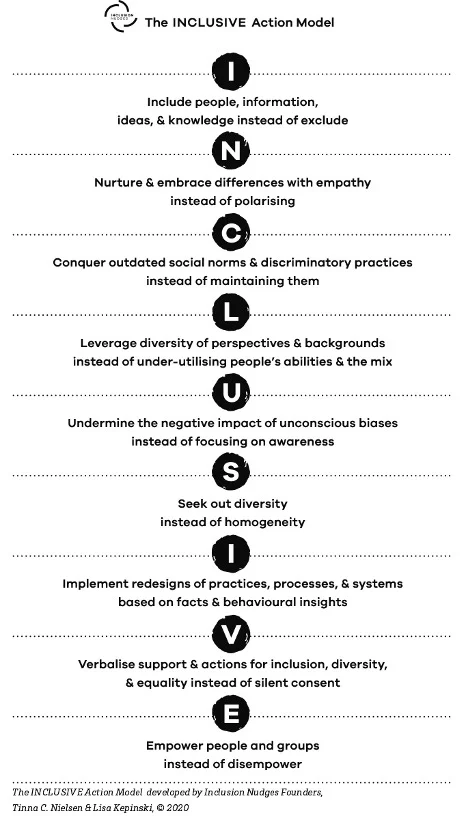
Organizations that embrace transparency, foster psychological safety, and empower their employees to drive meaningful change will be best positioned to navigate the ongoing turbulence. This means moving beyond reactive measures to proactive, systemic interventions. The "Inclusion Nudges" framework offers practical, behavioural science-backed tools to address these challenges, from "Alternative to Diversity Excuses" to "Counter Stereotypes Using Images & Social Media." These tools are vital for embedding inclusive practices that can bridge divides and build more equitable workplaces.
The pandemic has irrevocably altered the contract between employer and employee, transforming expectations and raising the stakes for corporate responsibility. The future of work demands leaders who are not only strategically astute but also deeply empathetic, morally courageous, and committed to actively dismantling the forces of polarization while championing genuine inclusion. The era of passive observation is over; the time for decisive, values-driven action is now.