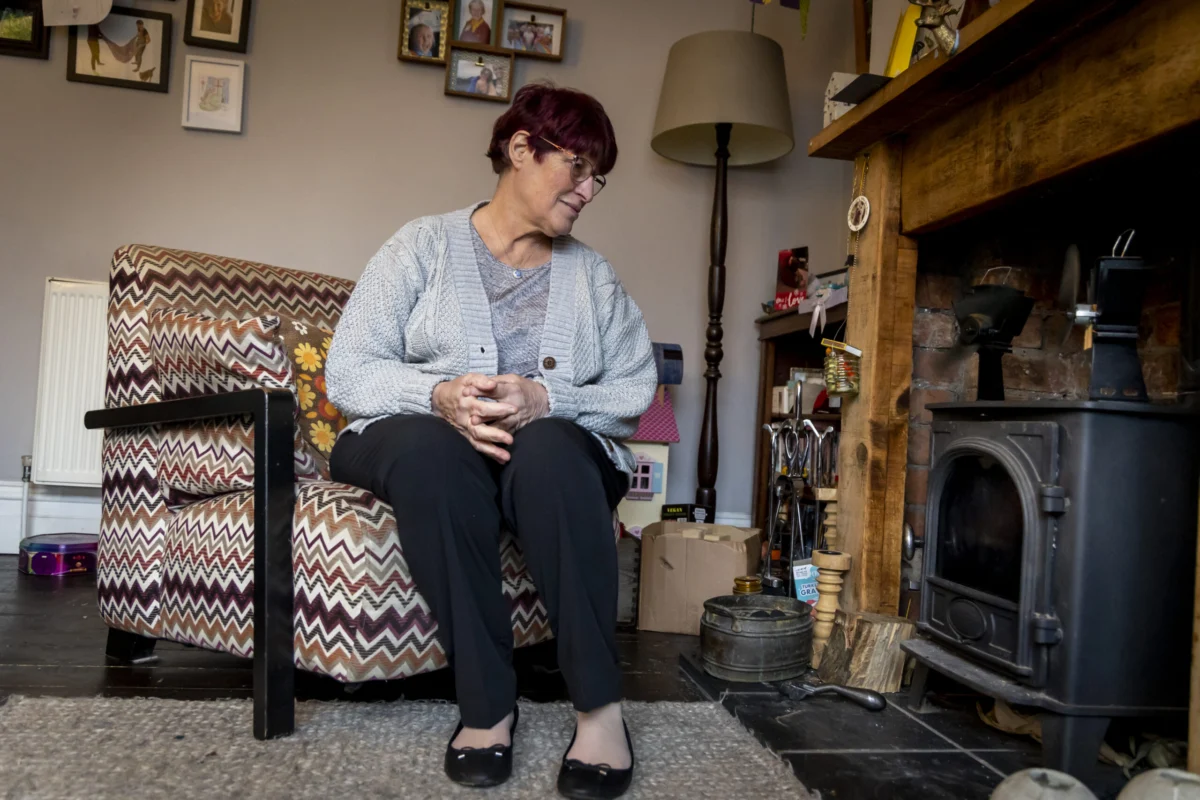
Age Action, Ireland’s leading advocacy organization for older persons, has issued a formal statement expressing profound disappointment following the unveiling of Budget 2026, asserting that the fiscal plan fails to provide necessary protections for the incomes of the elderly. According to the organization, the budget neglects critical progress in addressing the escalating health and housing requirements of Ireland’s aging demographic. Describing the fiscal package as a "missed opportunity," Age Action highlighted a significant disconnect between government rhetoric regarding permanent social supports and the actual measures implemented for those over the age of 65.
The critique centers on the government’s decision to pivot away from the "one-off" cost-of-living payments that characterized previous budgets without replacing them with sufficiently robust, permanent increases in core social welfare rates. While the government had signaled a shift toward targeted and sustainable measures, Age Action contends that the resulting provisions for older people are inadequate to meet the current economic realities of high price floors and systemic service gaps.
The Economic Context of Budget 2026
Budget 2026 arrived at a time when the Irish economy continued to navigate the aftermath of a prolonged inflationary period. While headline inflation figures have moderated compared to the peaks of 2023 and 2024, the cost of essential goods and services remains significantly higher than pre-pandemic levels. For older people, particularly those on fixed incomes, the cumulative effect of price increases in food, healthcare, and utilities has created a persistent "cost-of-living floor" that does not drop even when the rate of inflation slows.
Age Action’s Head of Advocacy and Public Affairs, Camille Loftus, noted that during pre-budget consultations with Minister for Finance Jack Chambers and Minister for Public Expenditure, National Development Plan Delivery and Reform Paschal Donohoe, the organization presented clear evidence of the financial strain facing retirees. The primary concern raised was that without the "lump-sum" supports provided in previous years, many older people would face a de facto reduction in their standard of living.
Pension Benchmarking and the Income Gap
A cornerstone of Age Action’s disappointment is the €10 weekly increase to the State Pension. While any increase is nominally positive, the organization argues that this figure fails to align with established benchmarks for income adequacy. The Pensions Commission had previously recommended that the State Pension should be set at 34% of average weekly earnings to ensure a dignified standard of living and to prevent poverty in old age.
Current data suggests that the €10 increase does not move the pension rate significantly closer to this 34% target. Instead, it barely keeps pace with the rising costs of basic necessities. Advocacy groups have long argued that the failure to index the pension to average wages or a specific "basket of goods" leaves older people vulnerable to the vagaries of political decision-making rather than being protected by a transparent, evidence-based formula.
The State Pension is the primary source of income for a vast majority of the 860,000 people aged 65 and older in Ireland. For those without private or occupational pensions—a group that often includes women who took time out of the workforce for caregiving duties—the inadequacy of the State Pension is a direct contributor to "hidden poverty" within the demographic.
Energy Poverty and the Fuel Allowance Shortfall
One of the most pressing issues for older households is energy security. Age Action had campaigned vigorously for the introduction of an "Energy Guarantee" for older people. This proposed measure was designed to be a more sophisticated support system that accounted for two variables: the fluctuating price of energy and the energy efficiency (BER rating) of the home.
Older people in Ireland are statistically more likely to reside in older housing stock with poor insulation and inefficient heating systems. Consequently, they require more energy to maintain a healthy indoor temperature, often leading to higher-than-average utility bills. In Budget 2026, the government opted instead for a €5 increase in the rate of the Fuel Allowance.
Camille Loftus characterized the €5 increase as an "inadequate substitute" for the proposed Energy Guarantee. Age Action pointed out three primary flaws in this approach:
- Limited Reach: Fewer than 30% of State Pension recipients qualify for the Fuel Allowance due to strict means-testing and household composition rules.
- Insufficient Amount: The €5 increase does not cover the actual rise in heating costs faced by those in poorly insulated homes.
- Lack of Targeting: The flat-rate increase does not account for the specific needs of those living in the least energy-efficient properties.
A Chronology of Advocacy and Government Response
The lead-up to Budget 2026 involved months of intensive lobbying and policy submissions. The timeline of these interactions reveals a persistent gap between the demands of advocacy groups and the final legislative output.
- Early 2025: Age Action began its "Budget 2026 Submission" process, conducting surveys among its members to identify key priorities. The consensus focused on income security, the cost of energy, and the availability of home care.
- Summer 2025: Formal submissions were made to the Department of Finance and the Department of Social Protection. Age Action called for a €30 per week increase in the State Pension to catch up with previous inflationary losses and to move toward the 34% benchmark.
- September 2025: High-level meetings took place between Camille Loftus and Ministers Jack Chambers and Paschal Donohoe. During these sessions, the ministers reportedly emphasized the need for "fiscal prudence" and a move away from "one-off" measures in favor of "sustainable investment."
- October 2025 (Budget Day): The government announced a €10 pension increase and a €5 Fuel Allowance hike, alongside a range of other measures for families and businesses.
While the government defended the budget as a balanced approach to managing a surplus while avoiding overheating the economy, Age Action argues that the "silver economy" and the needs of the elderly were effectively sidelined.
Health and Housing: The Overlooked Pillars
Beyond direct income support, Budget 2026 was criticized for its perceived failure to address the structural issues in health and housing that disproportionately affect older adults. Ireland is currently facing a "Silver Tsunami"—a rapid increase in the proportion of the population aged over 65. This demographic shift requires significant investment in:
- Home Care Packages: Despite previous promises to put home care on a statutory footing, waitlists for home help hours remain a persistent issue in many regions. Age Action noted that Budget 2026 did not provide the transformative funding required to ensure that older people can age in place rather than being forced into residential care.
- Housing Adaptation Grants: The cost of retrofitting homes for accessibility has risen alongside general construction costs. Advocacy groups have called for an overhaul of the Housing Adaptation Grant for People with a Disability and the Mobility Aids Grant Scheme, asserting that current funding levels and means-test thresholds are outdated.
- Primary Care Access: As the population ages, the demand for GP services and community nursing increases. Budget 2026’s provisions for primary care were viewed by many in the sector as incremental rather than systemic.
Comparative Analysis of Demographic Support
A broader analysis of Budget 2026 suggests a prioritization of younger demographics and working families. While measures such as increased child benefit payments and tax bracket adjustments were welcomed by many sectors of society, they offered little to no benefit to those who have already exited the workforce.
Economists have noted that "inflationary lag" hits retirees the hardest. While workers may negotiate wage increases to offset rising costs, pensioners are entirely dependent on the political will of the government of the day. By failing to link the pension to a permanent economic indicator, the government maintains discretionary control over the welfare of 860,000 citizens, a situation Age Action describes as inherently unstable.
Implications for the Future
The dissatisfaction expressed by Age Action is likely to have political ramifications as Ireland moves closer to future electoral cycles. Older voters historically have high turnout rates, and their concerns regarding the "cost of aging" are becoming central to the national discourse.
The failure to implement an Energy Guarantee or a benchmarked pension means that many older people will enter the winter of 2025-2026 in a state of financial precariousness. The organization warns that the long-term cost of this neglect may be higher than the immediate cost of support, as poverty and cold housing are direct contributors to poor health outcomes, which in turn place a heavier burden on the Health Service Executive (HSE).
In her concluding remarks, Camille Loftus emphasized the scale of the oversight: "There are more than 860,000 people aged 65 and older in Ireland; Budget 2026 appears to have forgotten about them." This sentiment reflects a growing concern that the "social contract" with Ireland’s older generation is being strained by fiscal policies that prioritize short-term stability over long-term demographic preparation.
Conclusion and Official Contact Information
As the debate over Budget 2026 continues in the Dáil, Age Action has signaled that it will continue to press for supplementary measures and a re-evaluation of the supports provided to the elderly. The organization maintains that a prosperous society must be judged by how it protects its most vulnerable members, particularly those who have contributed to the nation’s economy throughout their working lives.
For further information or to review the full Age Action submission for Budget 2026, interested parties can contact Camille Loftus, Head of Advocacy and Public Affairs, at 086-821 7165 or via email at [email protected]. The full policy document is also available on the official Age Action website, detailing the data-driven arguments for the Energy Guarantee and pension benchmarking that the organization continues to champion.