By Noah Gottschalk | Chief External Relations Officer
June 18, 2026 – As the world prepares to observe World Refugee Day on June 20th, a critical analysis of the latest global displacement data, released annually by the United Nations High Commissioner for Refugees (UNHCR), paints a complex picture of resilience, progress, and enduring humanitarian crises. This year’s report, coinciding with the ongoing influx of Afghan returnees and persistent global conflicts, underscores both the triumphs of displaced individuals and the urgent need for sustained international commitment to address the root causes and consequences of forced migration.
A Tentative Decline in Displacement: A Closer Look at the Numbers
For the first time in recent years, the UNHCR’s Global Trends report for 2025 indicates a slight decrease in the total number of forcibly displaced people worldwide. The figures show a reduction from 123 million in 2024 to 117.8 million at the close of last year. While this decline offers a glimmer of hope, a deeper examination of the data reveals that it is largely driven by approximately 15 million individuals who have returned to their home countries. However, the report starkly warns that "most of the returns have occurred under adverse circumstances and to areas where insecurity persists, access to basic services is lacking or severely limited and infrastructure is damaged, raising concerns about their sustainability and protection risks upon return." This caveat is crucial, as it highlights that a significant portion of these returns may not represent a durable solution but rather a return to precarious conditions, potentially exacerbating vulnerabilities.
Simultaneously, the past year has witnessed the continuous displacement of millions more people. The report highlights that currently, one in every 70 individuals globally remains displaced. This stark statistic emphasizes that while celebrating those who have bravely returned home, the international community bears a profound responsibility to ensure that individuals have the genuine choice to return safely and with dignity, or to be adequately protected in their places of asylum in the interim. The pressure for premature returns, often driven by host country policies or dwindling resources, can have devastating consequences for the safety and well-being of displaced populations.
Persistent Protracted Crises and the Burden on Lower-Income Nations
The 2025 data further illuminates persistent trends regarding the countries of origin and refuge for displaced individuals. The majority of refugees continue to flee protracted crises, with a concentrated number of long-standing conflicts being the primary drivers of displacement. Similarly, nearly half of all internally displaced persons (IDPs) in 2025 originate from just five countries. The report identifies Sudan, Syria, and Afghanistan as leading contributors to both refugee and IDP figures. This concentration suggests that targeted diplomatic interventions and sustained peacebuilding efforts in these key regions could potentially pave the way for the safe and voluntary return of tens of millions of people, provided that conducive conditions are established.
Contrary to common perceptions and political narratives, the UNHCR data definitively shows that high-income countries host a relatively smaller proportion of the world’s refugees. In 2025, these nations accommodated just 29% of refugees, while the overwhelming majority sought safety in low- and middle-income countries. A particularly concerning trend is the disproportionate burden placed on the least developed countries. These nations, which collectively represent a mere fraction of global GDP, are hosting nearly 26% of all refugees, a figure only slightly lower than that of the wealthiest countries.
Host Countries Under Strain: Colombia and Chad as Case Studies
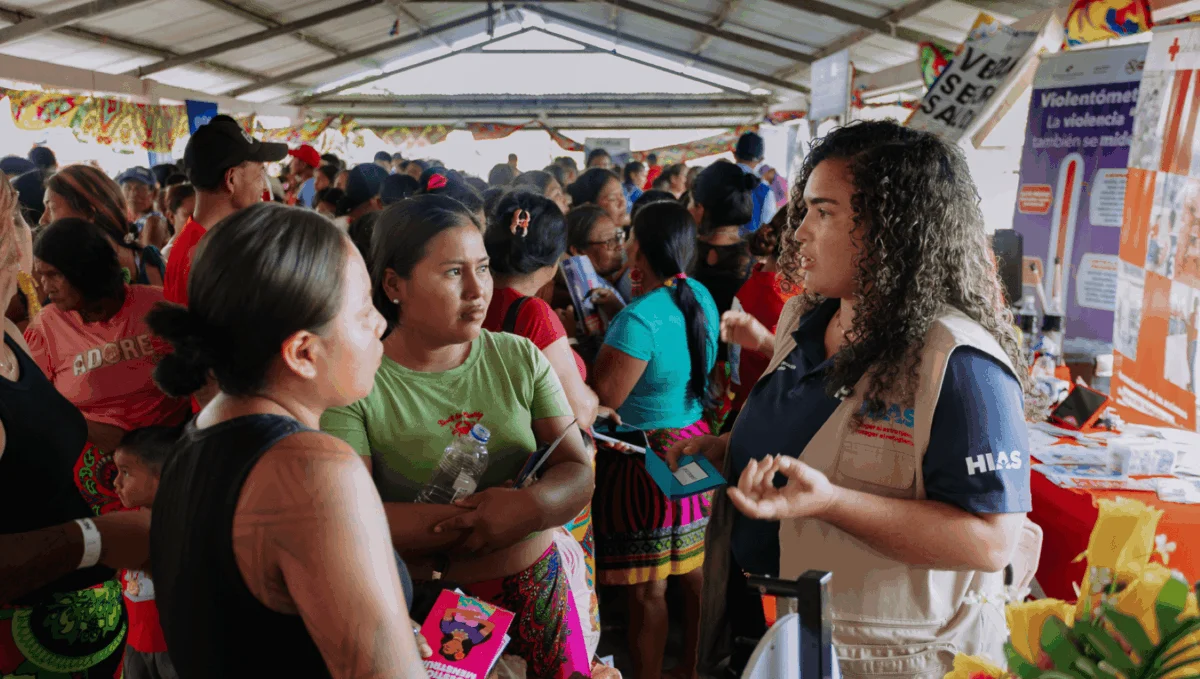
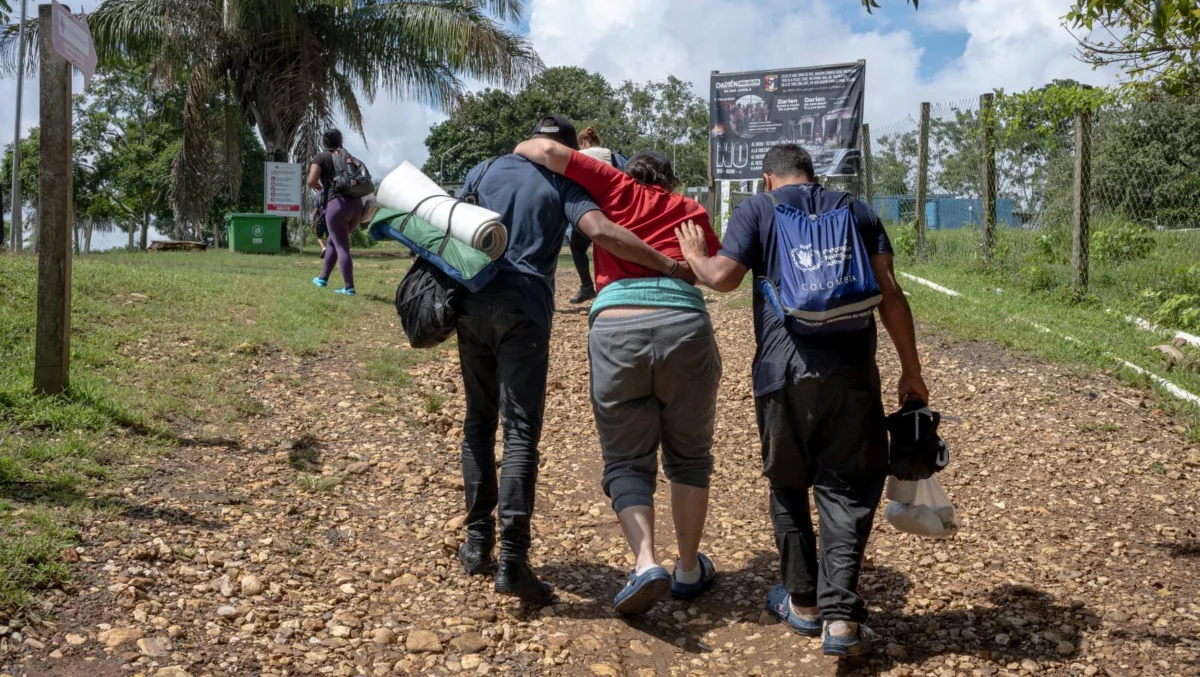
The report singles out six countries that are collectively hosting over a third of all refugees and individuals in need of international protection. Among these, Colombia stands out, having hosted an estimated 2.8 million displaced people throughout 2025. This significant number includes Venezuelan refugees and migrants, Colombian returnees, internally displaced persons within Colombia, and members of host communities. HIAS has been actively engaged in Colombia, providing vital support in areas such as economic empowerment and mental health services, crucial for helping individuals overcome trauma and rebuild their lives.
Chad, a nation that has been a partner to HIAS for over two decades, ranks sixth in terms of hosting displaced populations, with 1.5 million individuals seeking refuge within its borders. The majority of these individuals are fleeing the escalating conflict and humanitarian crisis in neighboring Sudan, which has become one of the world’s largest displacement emergencies. HIAS’s long-standing presence in Chad has allowed for the development of targeted programs aimed at fostering economic self-sufficiency and providing critical mental health support, recognizing the profound psychological toll of displacement and conflict. The experiences of both Colombia and Chad, despite their own internal challenges, underscore the potential for positive outcomes when protection is coupled with opportunities for development and integration.
The Erosion of Resettlement Pathways: A Global Impact
The data on resettlement in 2025 reveals a deeply concerning global trend, significantly impacted by policy shifts in major resettlement countries. Resettlement, a vital pathway for refugees who cannot safely return home or find lasting solutions in their countries of asylum, offers a chance to rebuild their lives in third countries with the eventual prospect of citizenship. Despite an estimated 2.9 million refugees worldwide requiring resettlement, only 81,800 individuals were granted access to this life-saving avenue in the past year, representing less than 3% of the global need.
The United States, historically the world’s largest resettlement country, experienced a dramatic decline in admissions. The report indicates an 89% drop in the number of refugees resettled in the U.S. in 2025 compared to the previous year, with only 11,500 individuals being resettled. This decline is directly linked to policy changes implemented by the Trump administration, which significantly curtailed the U.S. Refugee Admissions Program. While less pronounced, Canada also saw a 21% decrease in its resettlement figures, admitting 38,800 people. Australia, the third largest traditional resettlement country, bucked this trend with a modest 9% increase, resettling 18,800 individuals. While resettlement is not a solution for the vast majority of displaced people, its significant reduction represents a critical loss of a crucial lifeline for vulnerable populations. The international community must work to protect and expand these pathways, recognizing their immense value in offering hope and a chance for a new beginning.
A Call to Action: Addressing Root Causes and Fostering Durable Solutions
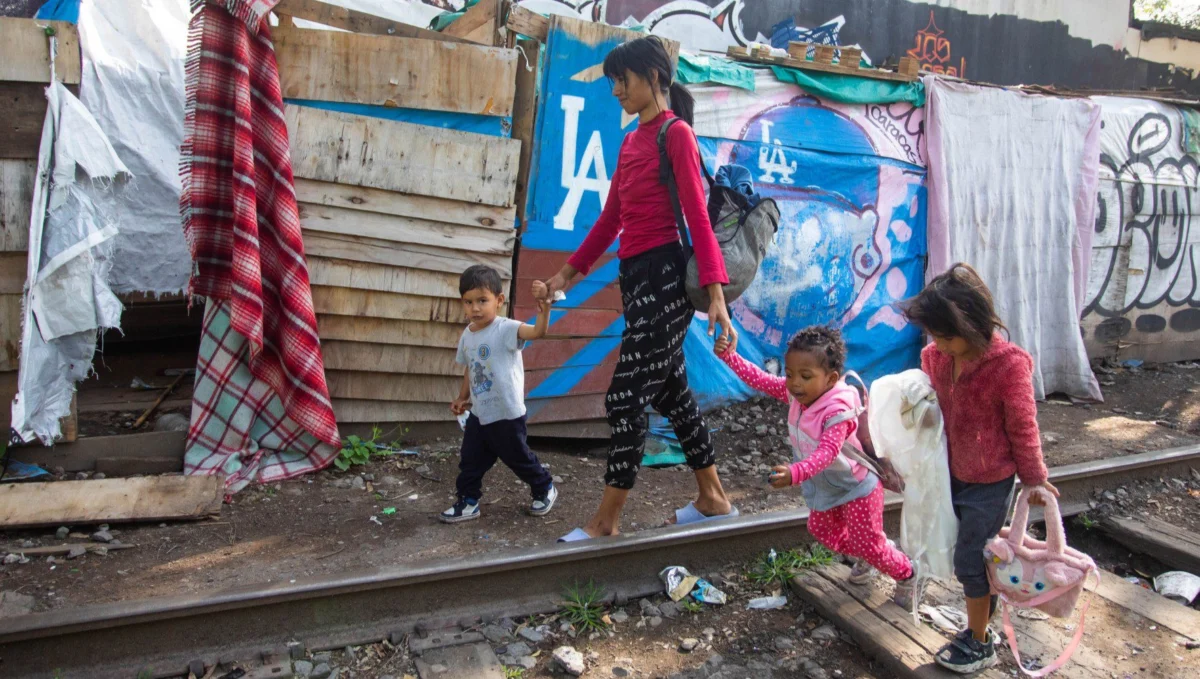
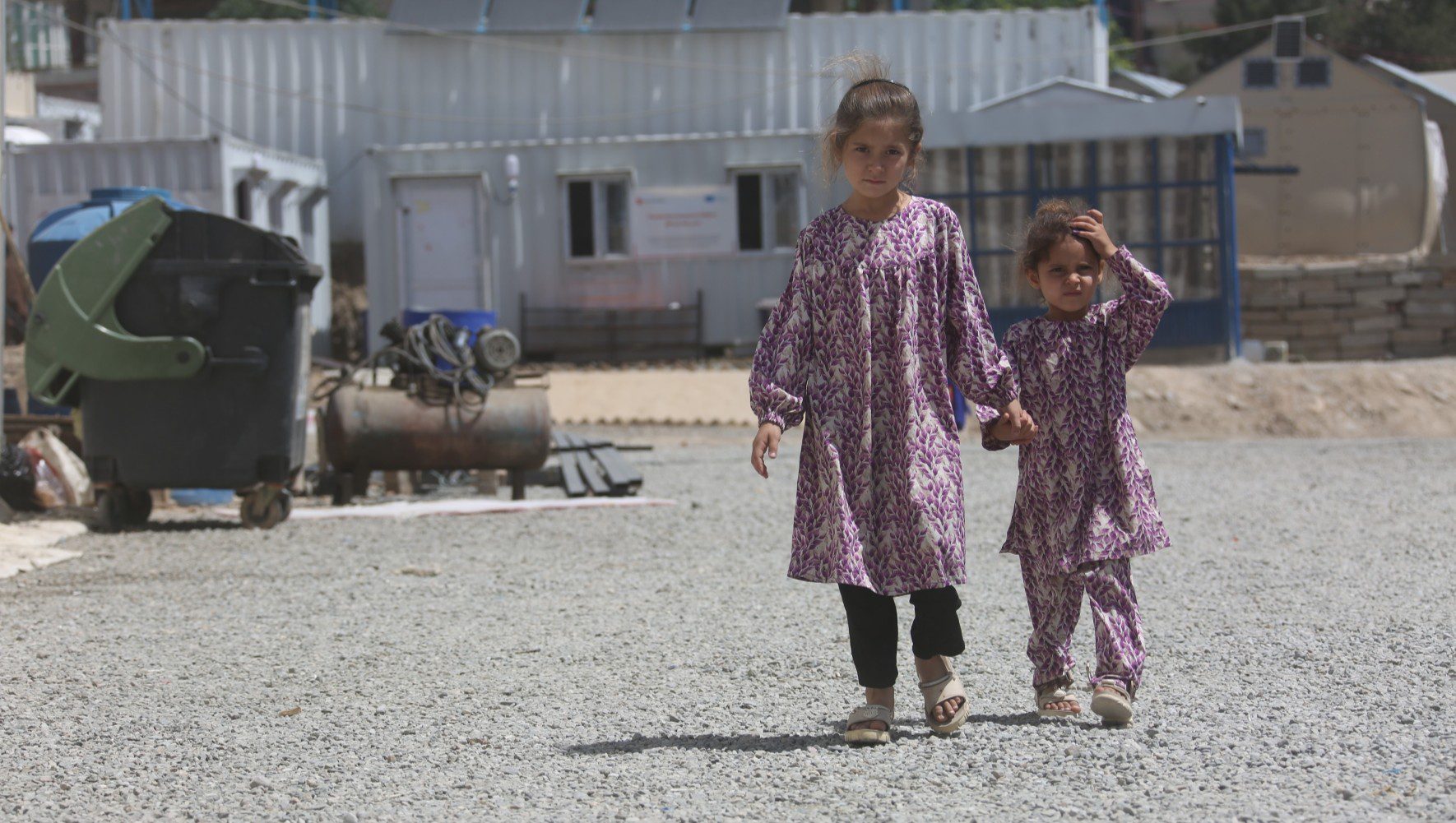
The UNHCR’s Global Trends report serves as a stark reminder of the escalating scale of the global displacement crisis. The number of forcibly displaced people worldwide has nearly doubled in the last decade. The images of Afghan children in makeshift camps in Kabul, a consequence of the recent forced returns from Pakistan and Iran, serve as a poignant visual representation of the human cost of this ongoing crisis. Over 85,000 Afghan refugees have been compelled to return in recent weeks, highlighting the urgent need for safe and dignified repatriation processes, and robust support systems upon return.
World Refugee Day, celebrated annually on June 20th, is not only a commemoration of the strength and resilience of displaced individuals, but also a critical moment for reflection. It is an occasion to honor both well-known figures like Albert Einstein, Yusra Mardini, and Marc Chagall, whose journeys of displacement and eventual contributions to society are well-documented, and the countless unsung heroes – the teachers, nurses, construction workers, and bus drivers – who enrich our communities.
The data presented this year by the UNHCR, though indicating a slight overall decrease in displacement numbers, underscores that the crisis is far from over. The challenges are multifaceted, encompassing the need for immediate humanitarian assistance, the imperative to address the underlying drivers of conflict and instability, and the crucial requirement to foster an international environment that prioritizes protection and opportunity for all those forced to flee their homes. As we approach World Refugee Day 2026, the global community stands at a crossroads. With concerted action, a renewed commitment to diplomacy, and a steadfast dedication to the principles of humanity and solidarity, the world can strive towards a future where progress in advancing the rights, protection, and well-being of the world’s forcibly displaced people is not just a hope, but a tangible reality. The path forward demands sustained investment, innovative solutions, and an unwavering belief in the inherent dignity and potential of every individual, regardless of their circumstances.