For generations, the indigenous communities inhabiting the Abim District within the Karamoja sub-region of northeastern Uganda have maintained a symbiotic relationship with their natural environment. Encompassing vast tracts of forests, seasonal water bodies, and expansive grazing lands, this landscape has historically dictated the rhythm of daily life, conflict resolution mechanisms, resource protection frameworks, and survival strategies. However, this ancient socio-ecological equilibrium faces unprecedented threats from contemporary climate variability. As global weather patterns shift, the traditional knowledge systems that once provided absolute security to pastoralist and agropastoralist communities are undergoing a rigorous stress test, prompting local leaders, women’s collectives, and youth to forge a modernized path for indigenous self-governance.
Historical Context and Environmental Forecasting Methodologies
Long before modern meteorology and international climate change frameworks emerged, the communities of Abim cultivated sophisticated, observation-based systems to interpret environmental shifts. Historical oral records indicate that pastoralists relied heavily on fauna and flora indicators to anticipate weather phenomena. For instance, cattle and goats frequently exhibited atypical restlessness or vocalizations days prior to severe windstorms or heavy downpours. Elders systematically observed the migratory patterns of indigenous bird species, the precise timing of tree blossom cycles, and the celestial alignment and luminosity of specific constellations and the moon to forecast long dry cycles and seasonal transitions.
Among the most specialized traditional forecasting mechanisms utilized in the region is haruspicy—the practice of reading animal entrails, specifically goat intestines—to predict localized weather patterns, the quality of upcoming seasonal rainfall, and impending environmental or societal shocks. These empirical observations directly informed community decisions regarding agricultural planting schedules, herd migration routes, drought preparedness protocols, and resource conservation zones. Crucially, this repository of knowledge was preserved not through written documentation, but via oral histories, communal gatherings, cultural rites, and intergenerational mentorship. Governance in Abim has historically transcended administrative bureaucracy, anchoring itself instead in a deep-seated ecological responsibility toward the land, the community, and unborn generations.
The Escalating Climate Crisis in Karamoja
In recent decades, the reliability of these traditional indicators has been severely undermined by macro-level climate disruptions. The Karamoja sub-region, historically characterized by semi-arid conditions and recurrent droughts, has experienced an intensification of extreme weather events. Meteorological data from East African climate agencies indicates that rainfall seasons have become increasingly erratic, marked by delayed onsets, prolonged dry spells, and torrential downpours that trigger localized soil erosion and crop failures.
These climatic shifts have precipitated profound socio-economic crises in Abim District, including acute food insecurity, nutritional deficiencies among children, loss of livestock assets, and heightened vulnerability to famine. Compounding these environmental stressors is an accelerating cultural erosion. Younger generations, increasingly integrated into formal schooling systems and modern lifestyles, have fewer opportunities to engage in traditional knowledge transfer with elders. Consequently, invaluable adaptive strategies are disappearing precisely at a time when they are most urgently required.
Evolving Structures of Indigenous Self-Governance and Conflict Resolution
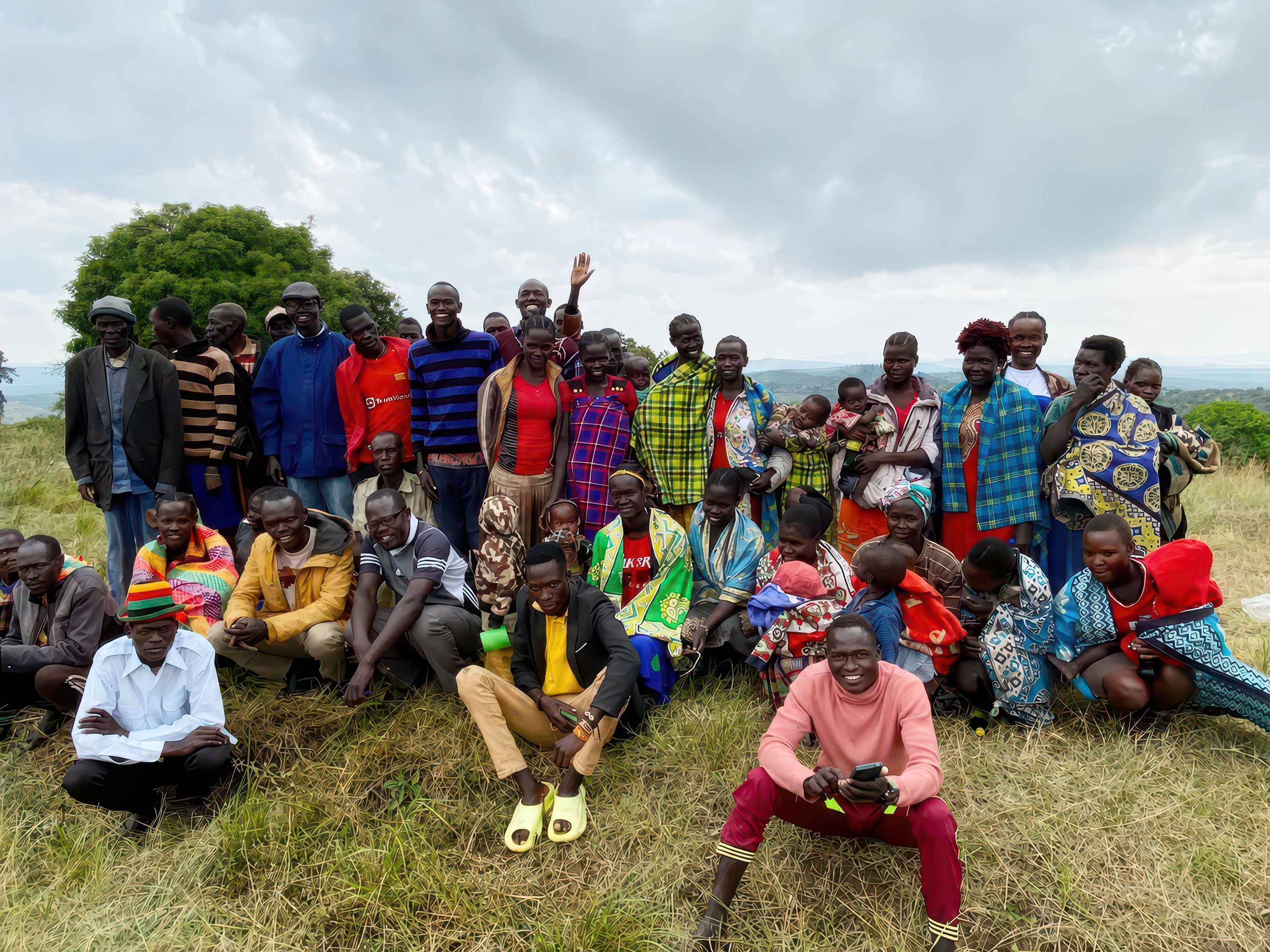
Despite these pressures, the foundational pillars of indigenous self-governance in Abim remain operational, anchored in the principle of collective responsibility. Resource management decisions—encompassing land use, water access, communal grazing rights, and social welfare—traditionally involve inclusive community consultations. These forums bring together elders, women leaders, clan representatives, and youth to deliberate on matters affecting the collective well-being.
Within this framework, leadership is defined not as hierarchical authority, but as a public trust dedicated to safeguarding community interests. Elders function as living archives, preserving historical data regarding past droughts, famine mitigation techniques, and emergency resource-sharing protocols. Furthermore, when interpersonal or inter-clan disputes arise, indigenous judicial processes prioritize restorative justice over punitive measures. Through structured dialogue and mediation facilitated by community leaders, the objective is to reconcile conflicting parties and restore social trust, recognizing that communal survival depends entirely on uninterrupted social cohesion.
Women as the Custodians of Agrobiodiversity and Seed Security
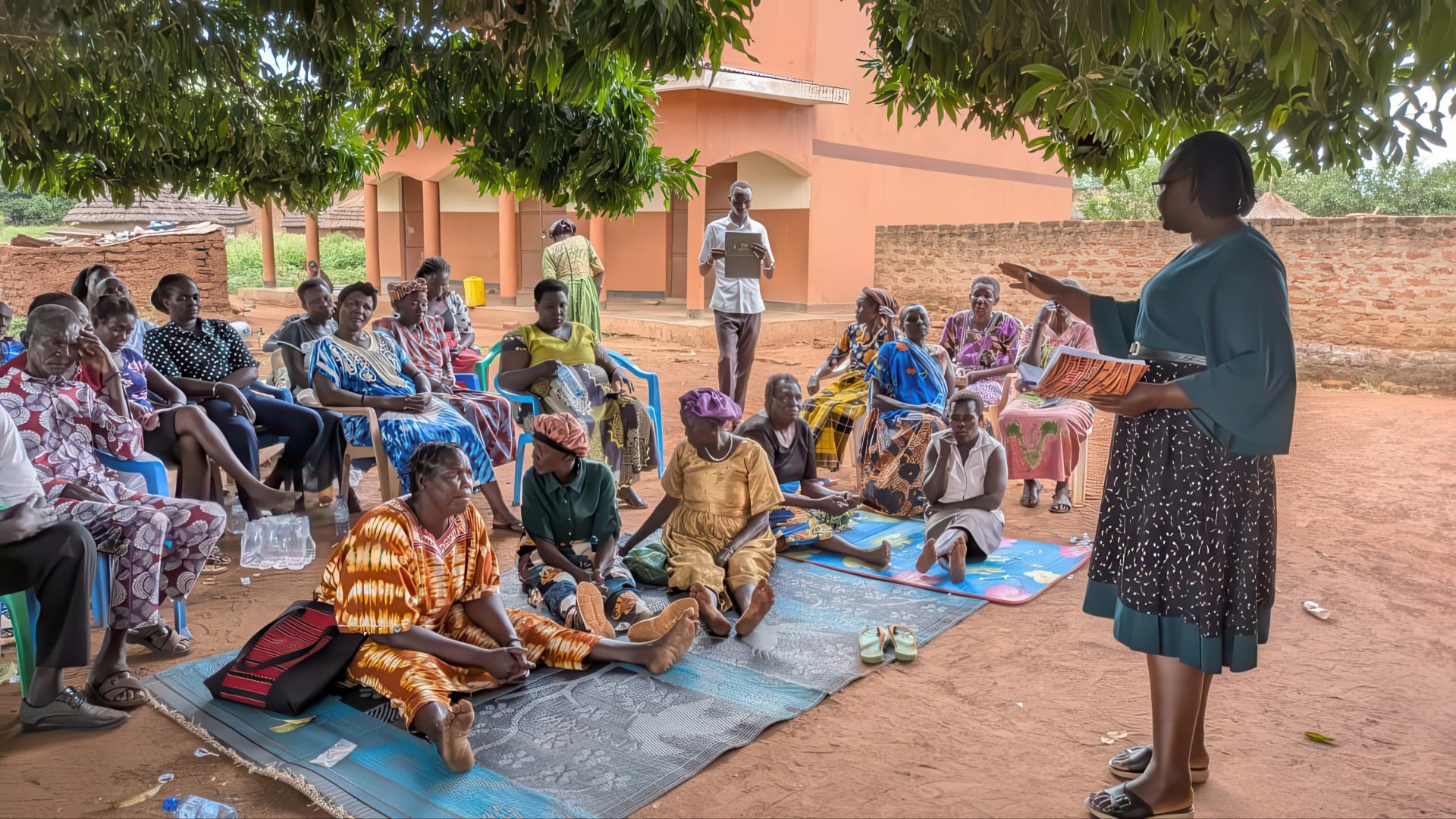
A critical dimension of resilience in Abim District is the central role played by women in sustaining household and community food systems. Women have historically acted as primary custodians of agrobiodiversity, maintaining extensive knowledge of indigenous seed varieties, wild edible plants, and medicinal flora. Traditional crops such as drought-resistant sorghum, pearl millet, and diverse indigenous legumes have sustained communities through historical periods of scarcity due to their genetic adaptation to local soil and climatic conditions.
Despite their vital contributions, women have traditionally faced structural barriers in formal community decision-making arenas. In response, contemporary community development initiatives are actively integrating women into climate adaptation planning. By elevating the voices of those who directly manage household nutrition and seed preservation, adaptation strategies become significantly more effective. Women leaders emphasize that incorporating maternal and generational knowledge into broader district-level environmental policies directly enhances regional resilience against climate shocks.
Revitalizing Indigenous Seeds and Restoring Ecological Balance
To counteract the depletion of agrobiodiversity, localized efforts are underway in Abim to document, preserve, and distribute climate-resilient indigenous seeds. Supported by organizations such as Community Development Shield Uganda (DCDO), collaborative networks comprising elders, women, and youth are actively recovering heirloom seed varieties that require minimal chemical inputs and exhibit high drought tolerance.
This seed-saving movement represents more than an agricultural intervention; it is a deliberate strategy to reclaim food sovereignty, cultural identity, and long-term self-reliance. Concurrently, community-led environmental restoration campaigns are working to rehabilitate degraded lands, protect critical watershed areas, and enforce customary regulations governing the harvesting of forest products. These conservation practices are underpinned by the philosophical premise that human communities are an integral component of the local ecosystem rather than external exploiters.
Intergenerational Learning and the Future of Indigenous Governance
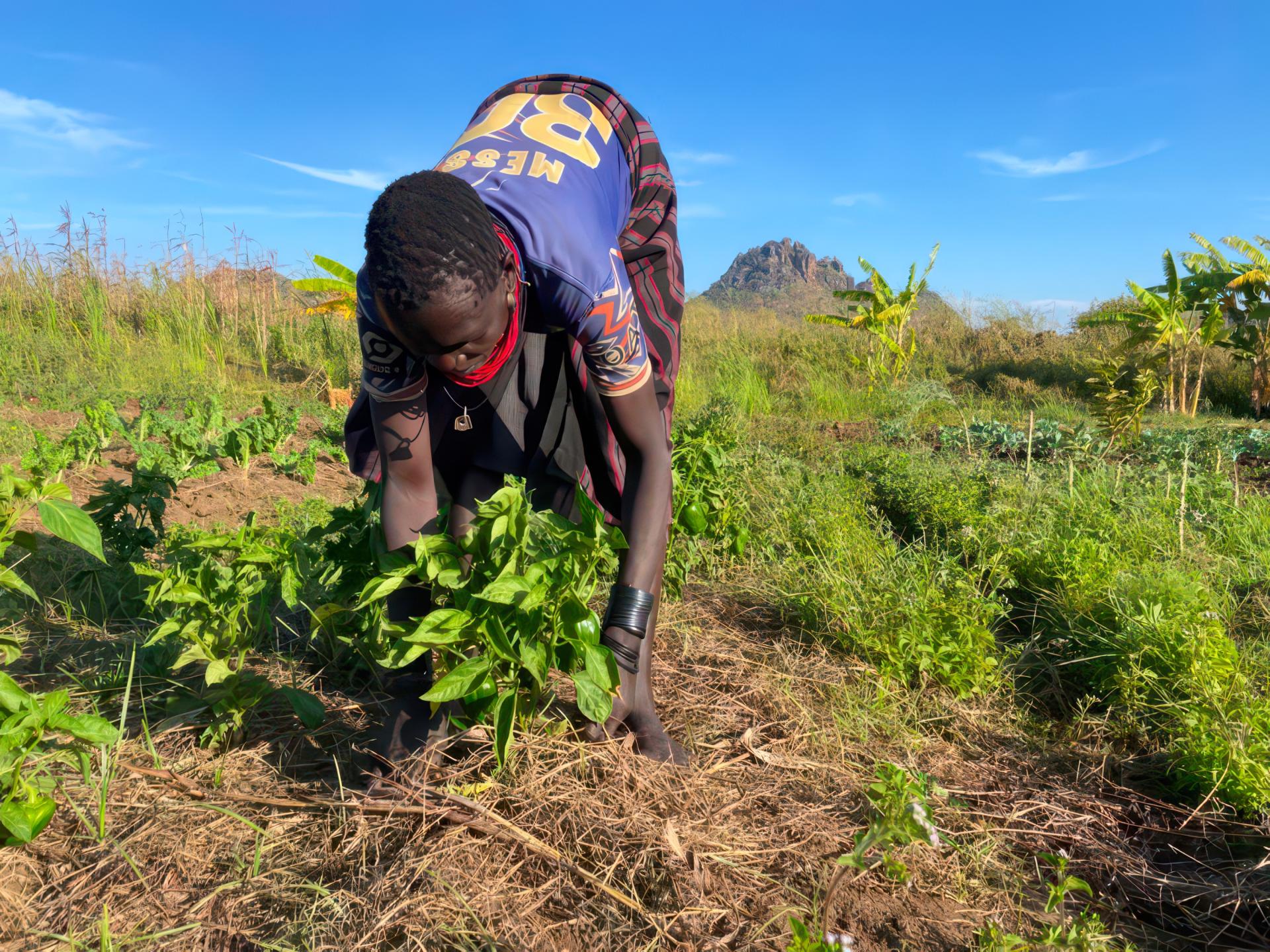
The long-term viability of indigenous governance systems in Abim relies explicitly on the successful transmission of knowledge across generations. Recent years have seen a concerted push to bridge the gap between elderly knowledge-holders and the youth. Programs designed to engage adolescents and young adults in environmental monitoring, traditional farming practices, and community governance ensure that the wisdom of the past informs modern resilience strategies.
Youth participation in these initiatives fosters a renewed appreciation for cultural heritage, positioning younger demographics as active stewards of their environment. By synthesizing traditional ecological knowledge with contemporary scientific insights, the community is building a robust framework for sustainable development.
Implications for Regional and Global Climate Strategies
The experiences of the Abim District offer profound lessons for broader national and international policy frameworks addressing climate change and sustainable development. As global institutions grapple with escalating environmental degradation, the governance models observed in Karamoja demonstrate that decentralized, community-based decision-making yields superior ecological outcomes.
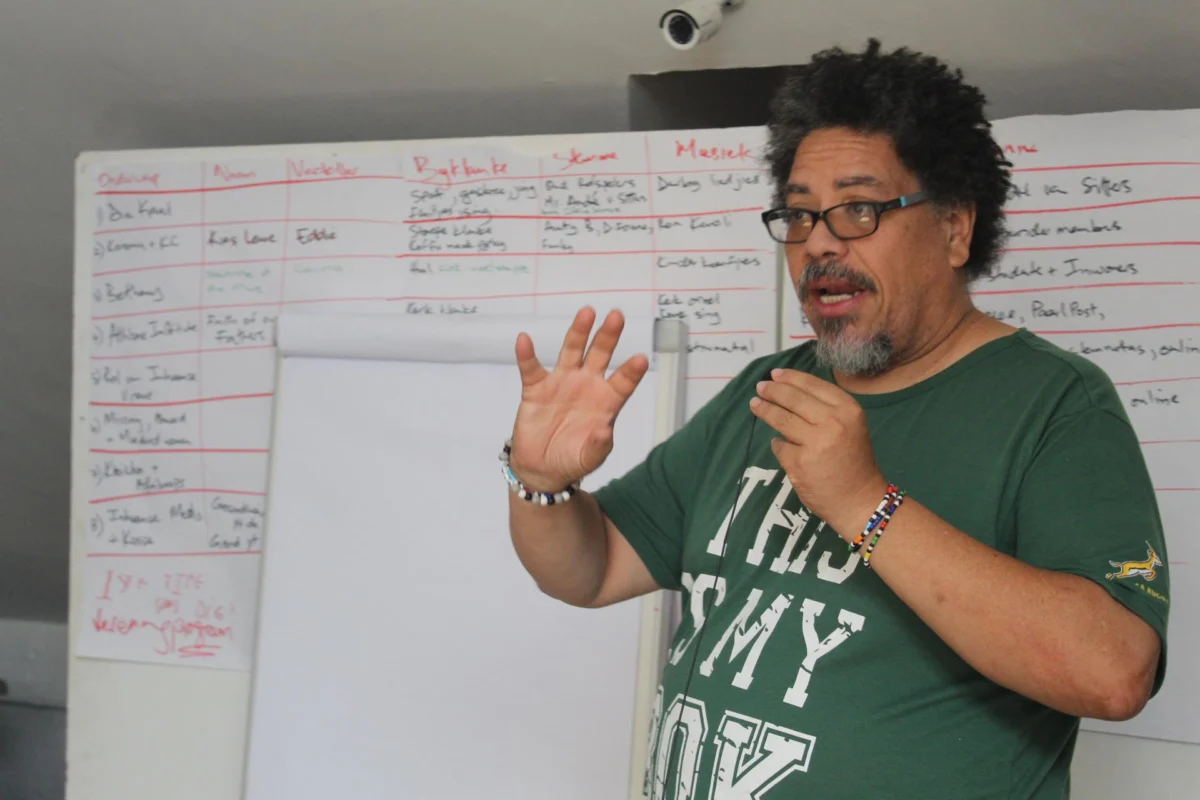
The integration of indigenous weather forecasting, collective resource management, women-led agricultural practices, and intergenerational knowledge transfer provides a blueprint for holistic climate adaptation. As Oscar Ogole, Executive Director of Community Development Shield Uganda, observes, the traditional knowledge preserved by the communities of Abim is not merely a static cultural artifact, but an active, dynamic resource essential for contemporary food security and environmental sustainability. Ultimately, the resilience demonstrated in Abim underscores the critical importance of heeding the expertise of indigenous populations who have successfully managed and protected their ecosystems for centuries.