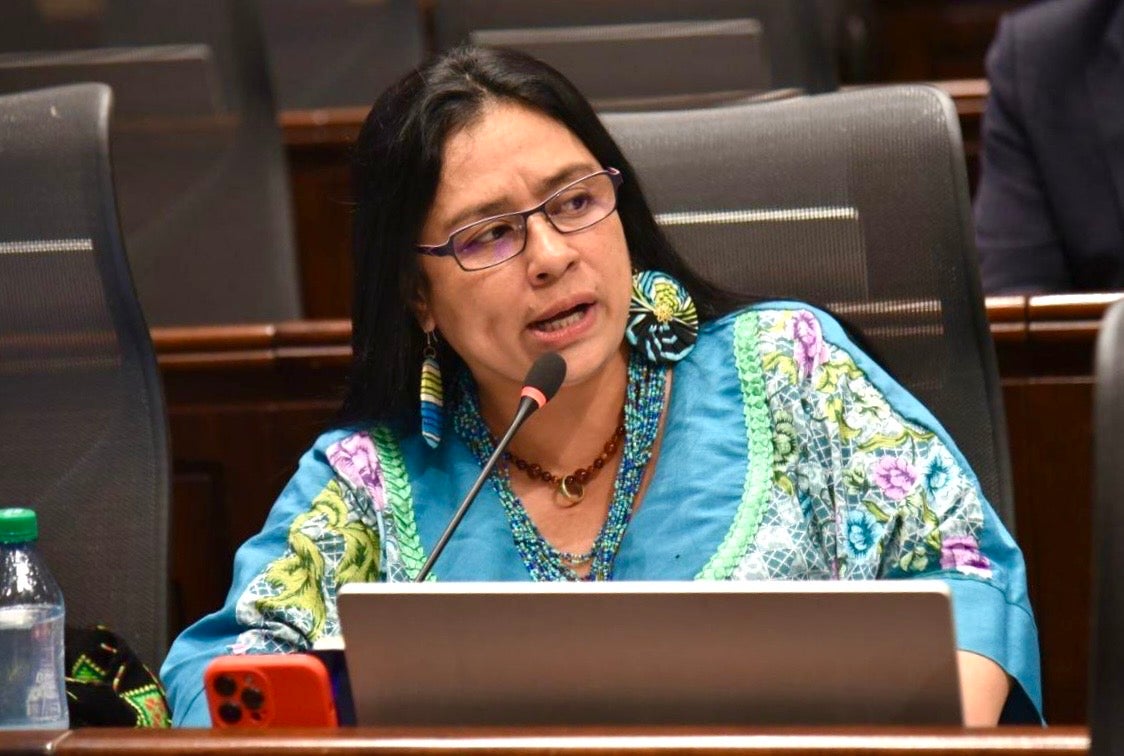
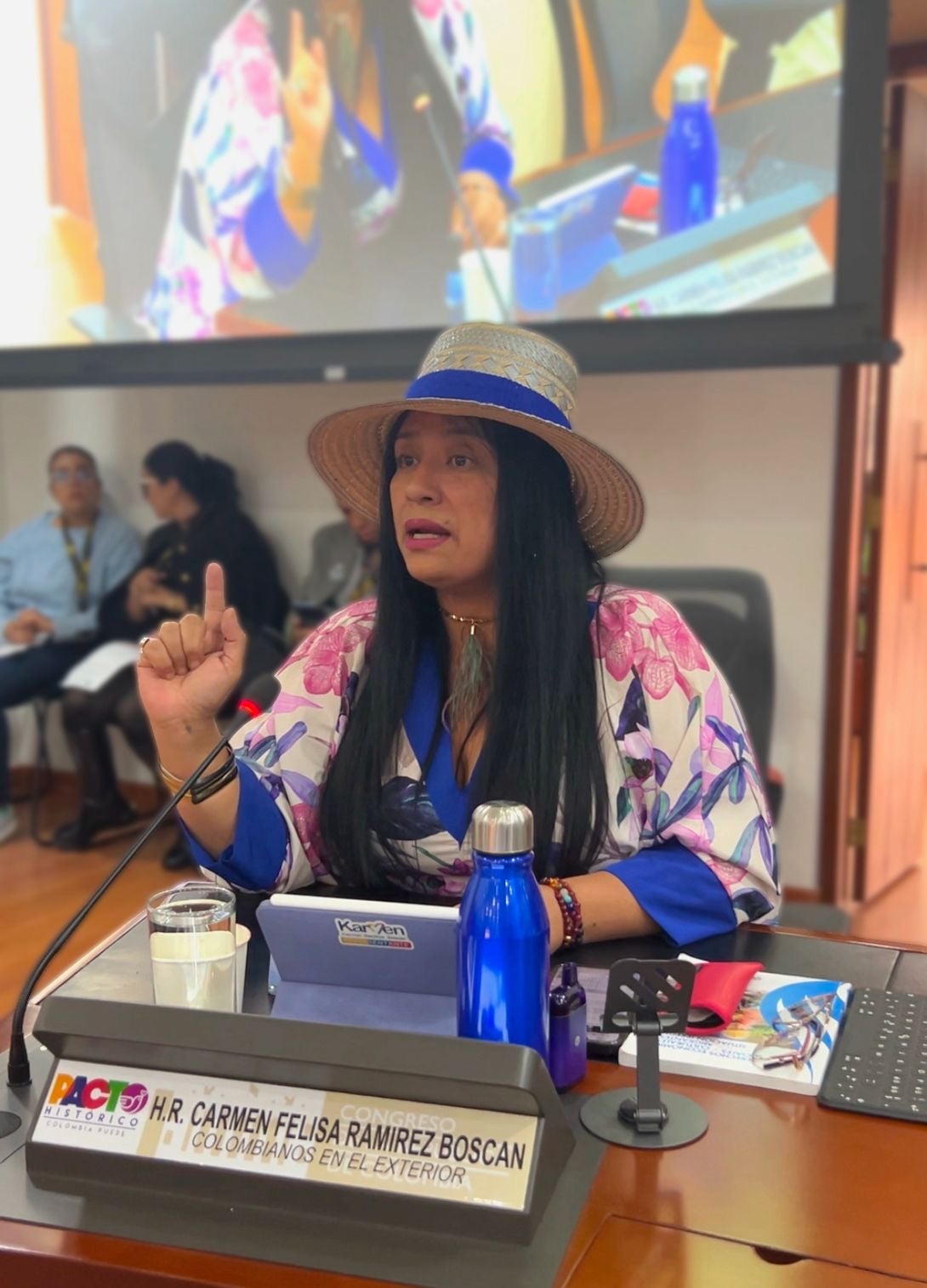
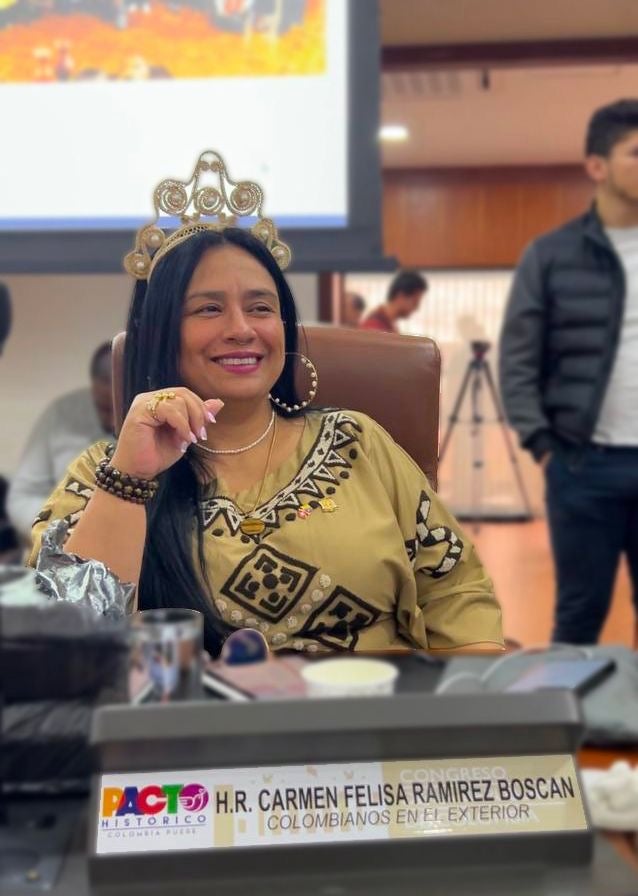
Karmen Ramírez Boscán, a distinguished member of the Wayuu Indigenous community, has ascended to a pivotal role in Colombian politics, serving as a member of Congress tasked with representing the rights and interests of the nation’s citizens living abroad. Her journey to this position is deeply rooted in her upbringing amidst Colombia’s complex history of political violence, the encroachment of extractive industries, and the persistent marginalization faced by Indigenous Peoples. Ramírez Boscán has emerged as a formidable advocate for Indigenous rights, women’s empowerment, and environmental protection, effectively bridging national and global dialogues on these critical issues. Her current mandate takes on added significance as she navigates a landscape where some host countries are becoming increasingly unwelcoming to migrants, including those from Indigenous backgrounds.
In a candid conversation with Cristina Verán, a former Cultural Survival Board Member, Ramírez Boscán shared profound insights into the origins of her political calling and her personal experience of transnational existence. Her perspective on feminism is distinctly shaped not by Western theoretical frameworks, but by the deeply ingrained values and lived realities of Indigenous women worldwide.
From Indigenous Homeland to National Representation: A Dual Identity
Cristina Verán: As an Indigenous woman in a leadership position, charged with serving not just your community but your country, how do you understand your own identity—as both Wayuu and Colombian?
Karmen Ramírez Boscán: For me, being Wayuu means existing in multiple realities simultaneously. This encompasses a profound connection to our ancestral lands, our elders, and our community, while also extending outward to engage with the broader world. This identity is not separate from my nationality or my political life. Being Colombian, on the other hand, signifies a relationship with the State, an entity that has historically excluded Indigenous Peoples, even as it has compelled our participation. These identities are not in conflict but rather are complementary, serving as sources of strength, particularly when addressing political challenges.
The Genesis of a Political Consciousness
Cristina Verán: Did you come from a family that was directly involved in politics, in some way or other? Who or what do you credit for influencing your political views and values?
Karmen Ramírez Boscán: My family was indeed involved, though not within the confines of conventional party politics. Politics was a constant presence in our daily lives, manifesting in discussions about injustice, the defense of our territories, and through community leadership, with some members even serving in local elected offices. The aspirations of the Wayuu People—for survival, autonomy, the protection of our land and culture, and the attainment of lives free from hunger and fear—are the bedrock upon which my political consciousness has been forged.
Enduring the Storm: Indigenous Resilience Amidst Violence
Cristina Verán: In the tumultuous decades leading up to now, how did your community endure the upheavals and political violence of your country’s narco era?
Karmen Ramírez Boscán: In La Guajira, the ancestral homeland of the Wayuu People, the presence of the State has historically been minimal within our territories. Indigenous communities found themselves caught between armed factions and illegal economies, a situation marked by pervasive violence. This violence was not always characterized by overt confrontations but was acutely felt through forced displacements, the assassination of our leaders, and an pervasive atmosphere of fear. Injustice became an everyday reality.
My 2007 publication, "Desde El Desierto: Notas Sobre Paramilitares y Violencia En Territorio Wayuu de La Media Guajira" (From the Desert: Notes on Paramilitaries and Violence in Wayuu Territory of the Middle Guajira), documented the deaths and disappearances of 400 Wayuu individuals attributed to armed actors. This work illuminated the profound impact this situation had on my generation’s perception of the State. The lack of state protection in the face of paramilitary and guerrilla violence, often intertwined with illicit economies, created a climate of impunity that deeply affected the social fabric of Wayuu communities. This period, often referred to as Colombia’s "narco era," saw a significant escalation in armed conflict and its devastating consequences for civilian populations, particularly in remote and marginalized regions like La Guajira.
A Call to Action: Driven by Loss and a Quest for Justice
Cristina Verán: What issue or causa compelled you to action, at the community and national levels?
Karmen Ramírez Boscán: While there wasn’t a single, isolated moment that propelled me into activism, the deaths of 27 of my relatives were profoundly significant. My grandfather, Franco Boscán, my uncles, cousins, and others were all murdered by paramilitary forces, the army, and guerrilla groups. My motivation stemmed from a deep-seated desire for justice for them and a yearning for truth, so that such tragedies could be prevented from recurring. I began to recognize the transformative power of collective action in channeling our collective fear and rage into a force for change, which further fueled my determination to combat such injustices.
Expanding Horizons: Connecting Indigenous Struggles Globally
Cristina Verán: At what point did you become more aware and interested in things happening beyond Colombia?
Karmen Ramírez Boscán: My activism within Colombia led to invitations to international meetings and events. It was through these experiences that I began to grasp the interconnectedness of the struggles faced by the Wayuu people with those of other Indigenous communities across the globe.
A pivotal moment was my selection for a year-long United Nations fellowship at the Office of the High Commissioner for Human Rights in Geneva. This provided an invaluable opportunity to gain an in-depth understanding of the UN system from within. I became actively involved in working group discussions surrounding the United Nations Declaration on the Rights of Indigenous Peoples (UNDRIP), a landmark international instrument adopted in 2007, which affirms the collective rights of Indigenous peoples, including their rights to their lands, territories, and resources, as well as their right to self-determination and cultural integrity. This declaration, the culmination of decades of advocacy by Indigenous peoples worldwide, represented a significant step forward in recognizing and protecting their rights.
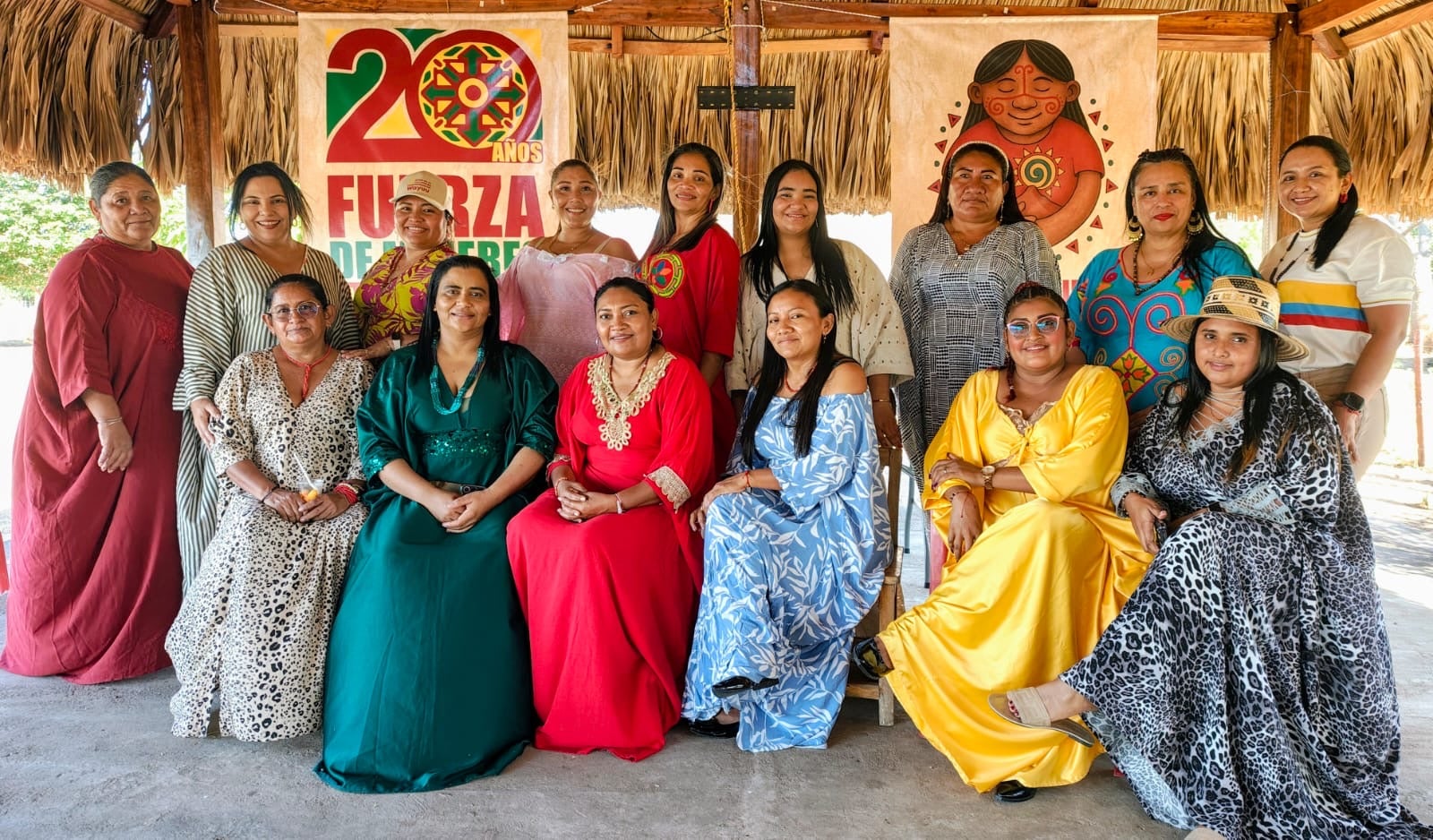
Subsequently, I spent six months as a fellow with the Inter-American Institution of Human Rights in Costa Rica. My engagement then extended to Greenland, where I participated in a study program in Ilulisat, followed by a fellowship at the Institute for Women’s Rights at the University of Toronto. Later, the University of Bern in Switzerland invited me to join a special program focusing on the anthropology of mining. These diverse experiences were instrumental in equipping me with the knowledge and skills to build cross-border coalitions. Meeting Indigenous Peoples from distant lands for the first time was an emotionally profound experience. We shared stories and discovered commonalities in our struggles, often underscored by the systemic denial of rights in our respective territories, regardless of geographical location. Crucially, these encounters reinforced my understanding that collective action amplifies our power.
Bridging Worlds: Sharing and Learning Across Indigenous Communities
Cristina Verán: As you were learning directly from and about other Indigenous Peoples, what, in turn, did you want them to learn from you?
Karmen Ramírez Boscán: I often found myself in the position of needing to articulate the realities of my Wayuu people to diverse audiences—international institutions, nation-states, and other Indigenous Peoples. This process led me to see myself as a bridge, connecting our shared experiences and struggles.
Cristina Verán: Please share a particular situation or issue that you first began to comprehend in this linked way.
Karmen Ramírez Boscán: The extraction and protection of natural resources became a central concern for me. For instance, El Cerrejón, Colombia’s largest open-pit coal mine and one of the largest in the world, is located within my ancestral territory and has been the source of numerous environmental and social problems, including widespread extractivism and militarization. I learned that this scenario was not unique to the Wayuu people but was a recurring theme for many Indigenous communities globally. The environmental degradation caused by such large-scale mining operations, including water contamination and land degradation, has had devastating impacts on the health and livelihoods of Indigenous populations, often exacerbating existing social inequalities.
A New Mandate: Representing Colombians Abroad
Cristina Verán: Your role in Congress is to serve the interests of Colombian citizens, of all backgrounds, living outside of Colombia. What responsibilities does this entail, and is there anything new that you—as an Indigenous woman or otherwise—bring to it?
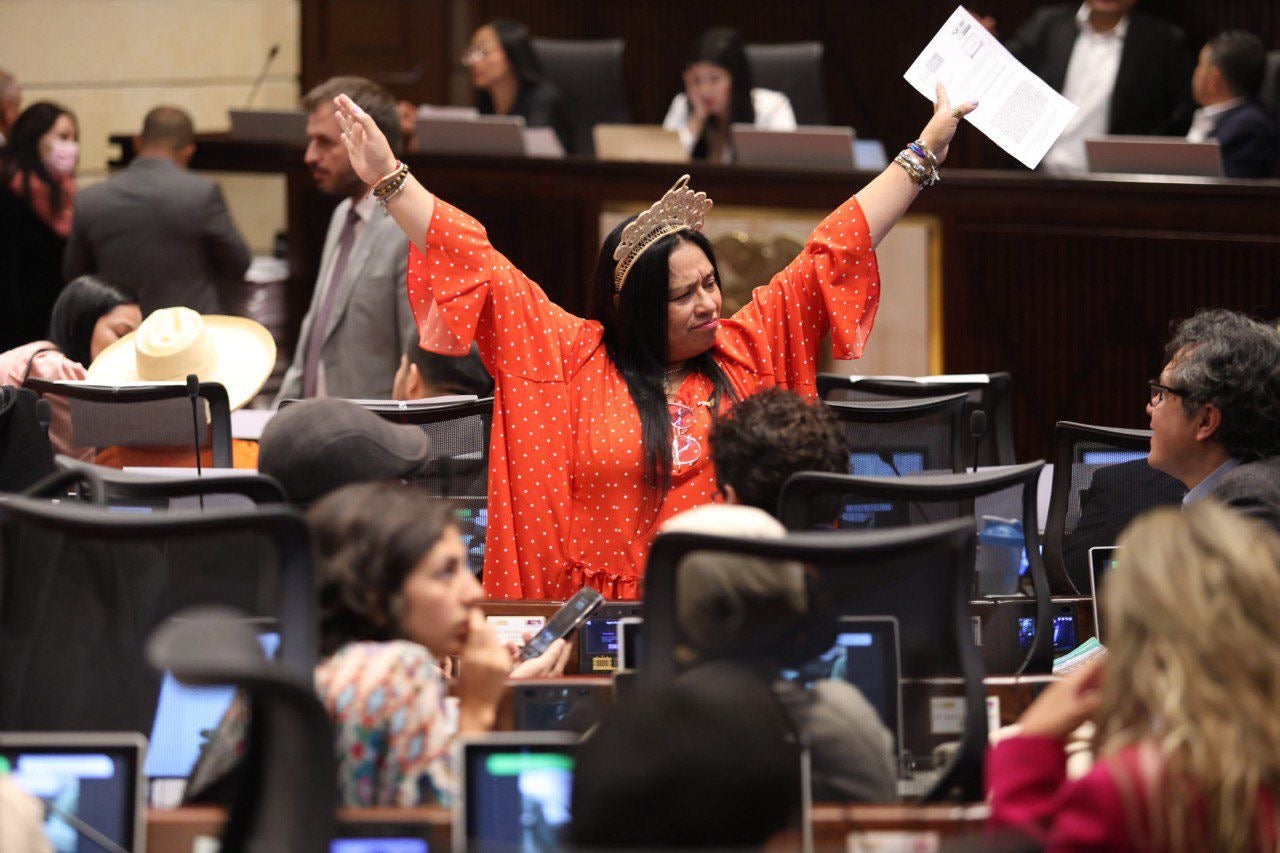
Karmen Ramírez Boscán: This representative role is a constitutional right for Colombians, established by a special circumscription in the Colombian Constitution of 1991. I am entrusted with attending to the needs of "La Colombianidad"—the people of Colombia—who reside outside the nation’s territory but remain connected to it. This includes individuals who have lived abroad for many years while retaining their Colombian nationality, as well as recent migrants. My responsibilities encompass strengthening ties between these citizens and Colombian institutions, particularly concerning consular services, special protections, family reunification, and political participation.
Prior to my tenure, this congressional seat had consistently been held by individuals from the political right wing of the country, primarily representing elite interests. My focus has been on enhancing representation and promoting inclusion for all Colombians, irrespective of their background. The demographic of Colombians living abroad is diverse, encompassing a significant number of individuals from marginalized communities, including Indigenous Peoples, Afro-descendants, and those displaced by internal conflict. Ensuring their voices are heard and their rights are protected within the Colombian political system is a core objective.
Cristina Verán: Is it known how many of your constituents identify as Indigenous? If so, which communities appear to have the largest number of members outside of Colombia at this time?
Karmen Ramírez Boscán: Approximately 10 million Colombian citizens currently reside outside of Colombia. However, official statistics on the number of these individuals who identify as Indigenous are not yet available. While Colombia’s national census collects data on ethnicity and community affiliation, its migration registry does not capture this information for citizens living abroad. The absence of such data hinders our ability to develop targeted policies and effective programs. Consequently, advocating for improved data collection on the ethnic and Indigenous identity of Colombians abroad is a key priority of my work in Congress. This data is crucial for understanding the specific challenges faced by Indigenous migrants and for designing appropriate support mechanisms.
Identity in Diaspora: A Shifting Landscape
Cristina Verán: As to the question of identity, have you found those living abroad to be more likely or less likely to identify as Indigenous than they might otherwise be when in Colombia?
Karmen Ramírez Boscán: For many Colombians, identity can evolve upon relocating outside the country. Some find it easier to simply identify as "Colombian" when abroad, particularly when navigating issues of racism and discrimination. Their immediate priority often becomes securing financial stability. However, for others, living in a new environment can paradoxically create opportunities to reclaim and assert their Indigenous identity, an identity they may not have fully expressed in their home country.
I, myself, have always maintained a profound connection to my community and a strong sense of my Wayuu identity, regardless of my geographical location. This personal experience underscores the complex interplay between migration, identity, and cultural affirmation.
A Transnational Life: Resilience and Adaptation
Cristina Verán: What initially led to your big move from South America to Europe?
Karmen Ramírez Boscán: In 2009, I received death threats due to my activism in Colombia. This led me to seek refuge in Switzerland, where I have since built a life and started a family. This narrative is shared by many women who migrate. My life today is inherently transnational; I am a resident and taxpayer in both Switzerland and Colombia, embodying the reality of a globalized existence for many. This dual residency highlights the complex legal and social frameworks that individuals with transnational lives must navigate.
From Activism to Governance: A New Arena
Cristina Verán: Prior to becoming a member of Congress, had you been involved in Colombia’s electoral politics at all?
Karmen Ramírez Boscán: No, I had no prior experience in government. However, the administrations preceding President Petro’s were consistently repressive and exclusionary towards Indigenous Colombians, disregarding their fundamental rights. My work has always been "political" in the broadest sense, focusing on human rights advocacy, particularly Indigenous rights, and championing environmental justice within our communities. My transition into elected office represents a strategic shift from advocacy to policymaking, aiming to institutionalize the gains achieved through grassroots activism.
Navigating the Diaspora: Challenges and Priorities
Cristina Verán: Your role requires travel to engage directly with constituents in other countries. Where is this diaspora most concentrated, and which areas are priorities for you to meet in person?
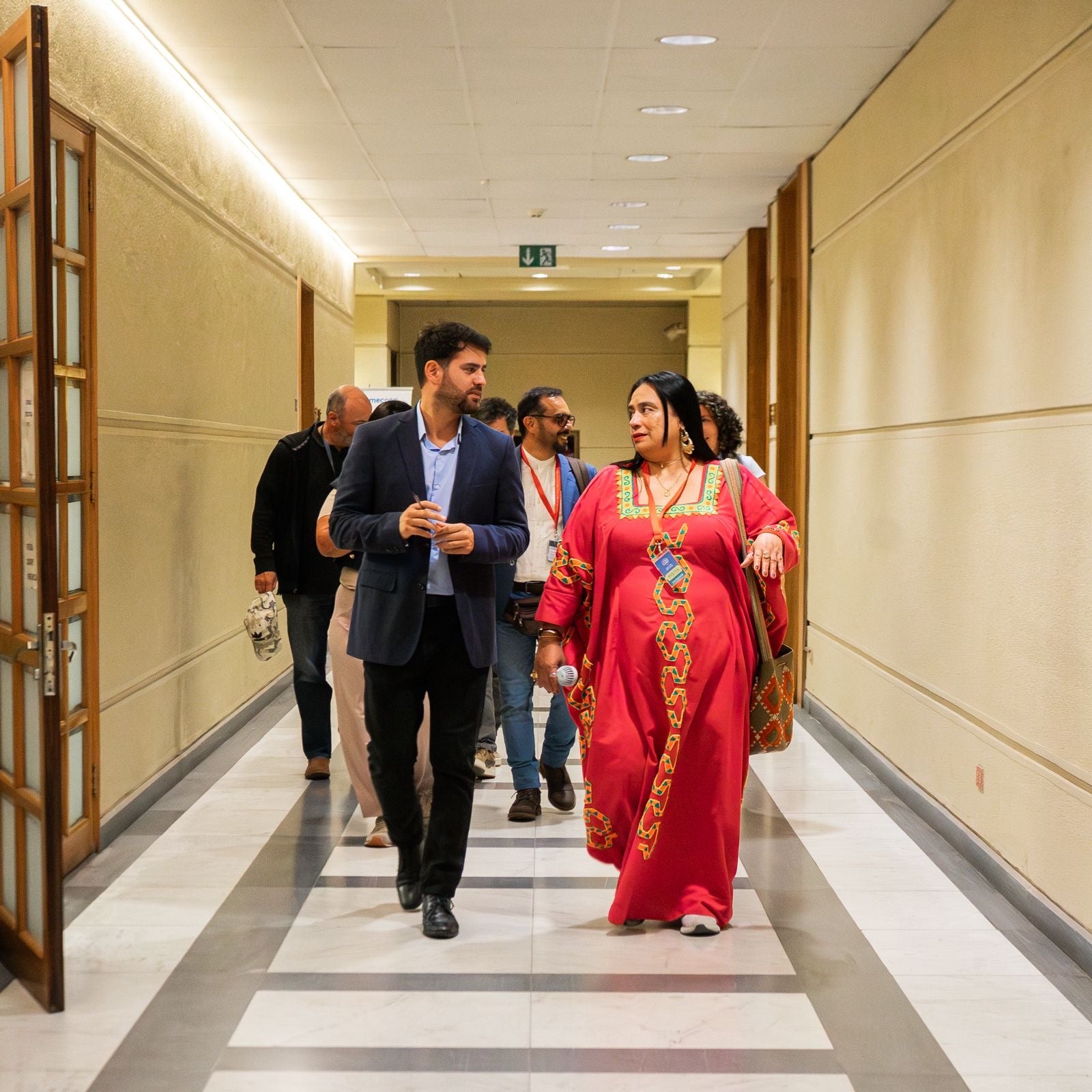
Karmen Ramírez Boscán: The largest Colombian diaspora communities are located in the United States, Spain, Venezuela, and Chile. While I do travel extensively, the budget constraints limit my ability to visit every country where Colombians reside, such as Australia, which also hosts a significant Colombian population. These communities also deserve the presence of their representative, but I must increasingly rely on technology to connect with a substantial portion of my constituency. This presents considerable challenges.
Time is also a significant constraint in this role. I am required to be present in Congress in Bogotá weekly from February to June, and again from July to December. My trips to Switzerland, which involve a journey of up to 12 hours each way, often via Spain, the Netherlands, or Germany to Zurich, followed by a train ride home, allow for only brief stays of two to three days. This demanding schedule highlights the personal sacrifices involved in bridging continents to serve constituents.
Cristina Verán: Given the United States’ recent military intervention in Venezuela and threats of future interventions elsewhere in the region, meanwhile targeting anyone of Latin American origins living in the U.S. (regardless of immigration and/or citizenship status) by so-called ICE raids, what special concerns do these things bring for you with regard to their impacts on Colombians?
Karmen Ramírez Boscán: We have received information indicating that approximately 34,000 Colombians in the U.S. have faced persecution, characterized by overt racism and discrimination. I am deeply concerned not only by these specific incidents but by any situation that normalizes aggression, militarization, and persecution imposed by governments like that of the United States. The geopolitical ramifications of such actions are substantial and far-reaching, impacting not only the targeted communities but also international relations and the principles of human rights. The increased surveillance and enforcement actions by U.S. Immigration and Customs Enforcement (ICE) have created an atmosphere of fear and uncertainty for many Latin American immigrants, including a significant Colombian population. This situation exacerbates existing vulnerabilities and poses challenges for their access to essential services and legal protections.
A Bi-National People: Navigating Artificial Borders
Cristina Verán: The territorial homelands of the Wayuu Peoples are not entirely within Colombia; they also extend into Venezuela. How do your People navigate this bisection?
Karmen Ramírez Boscán: We are a bi-national people, and our ancestral territories are bisected by the political borders of Colombia and Venezuela. This division means that some Wayuu are citizens of one country and some of the other; it is not possible to be a citizen of both. The Wayuu People aspire to have their traditional territorial integrity recognized, transcending the modern nation-state boundaries that were imposed without regard for our historical presence and governance structures. This aspiration speaks to a broader movement among Indigenous peoples globally for self-determination and the recognition of their inherent rights to their ancestral lands, often challenging the legitimacy of colonial-era borders.
Indigenous Feminism: A Distinctive Voice
Cristina Verán: Finally—and most relevantly to this as Women’s History Month—you very clearly and proudly identify as a feminist. What does that term mean to you, as an Indigenous woman, and in what way does your feminism relate (or not relate) to that of the mainstream Western women’s movement?
Karmen Ramírez Boscán: My understanding of feminism began in my childhood in Colombia. Within my own Wayuu community, which, despite its patriarchal elements, is also matrilineal, I observed that men were generally afforded better treatment than women, and women bore a disproportionately larger share of responsibilities. This inequality was a significant concern for me, even though I lacked the vocabulary then to articulate these feelings as what I now recognize as "feminist."
I have not always felt fully embraced by broader feminist movements, which, in my view, have sometimes failed to adequately listen to and respect our perspectives. The concept of Indigenous feminism resonates most deeply and proudly with me. Such discussions must originate from within our communities, not be imposed from the outside. We are forging our own path toward making feminism a more inclusive and representative force, one that truly reflects our collective realities. For Indigenous women, these realities differ significantly from those experienced by women in other contexts, such as those in the heart of Europe.
When Indigenous feminists advocate for Mother Earth, we are defending the most fundamental "woman" of all—the one who gave birth to all of humanity. This perspective frames environmental justice as an intrinsically feminist issue, recognizing the profound interconnectedness between the health of the planet and the well-being of women and all life.
Cristina Verán is an international researcher, educator, advocacy strategist, network weaver, editor, and mediamaker with a focus on Indigenous Peoples. She was a founding member of the United Nations Indigenous Media Network and the Indigenous Language Caucus. As Adjunct Faculty at New York University’s Tisch School of the Arts, she emphasizes the global histories, expressions, and socio-political impacts of Indigenous contemporary visual and performing arts, design, and popular culture(s).
All photos courtesy of Karmen Ramírez Boscán.