As the United Kingdom approaches the local council elections on May 7, 2026, the political landscape is increasingly defined by a widening chasm between the nation’s wealthiest and its most vulnerable citizens. While national political discourse often focuses on macroeconomic indicators and geopolitical positioning, the upcoming elections represent a pivotal moment for local governance to address the systemic inequalities that manifest in the daily lives of residents. Across 136 English local authorities, 5,014 seats are contested, offering a significant opportunity for the electorate to demand concrete policy shifts in housing, social care, and economic procurement.
Local councils have historically been viewed as the secondary tier of British democracy, yet they hold the primary levers for social stability. They manage the planning permissions that dictate housing density, the procurement budgets that can stimulate local economies, and the social care frameworks that support an aging population. In an era where the UK’s severe levels of inequality allow the ultra-wealthy to amass resources at a rate that outpaces the rest of society, the role of the local councillor has transitioned from simple administrative oversight to frontline defense against socio-economic disenfranchisement.
The Chronology of Local Government Financial Strain
To understand the stakes of the 2026 elections, one must examine the trajectory of local government funding over the past decade and a half. Since the introduction of austerity measures in 2010, local authorities in England have faced unprecedented budgetary pressures. According to data from the Institute for Fiscal Studies (IFS), central government grants to councils were cut by approximately 40% in real terms between 2010 and 2020. Although some funding has been restored or replaced by localized business rate retention, the net effect has been a sustained reduction in discretionary spending.
By 2024 and 2025, several high-profile local authorities, including Birmingham and Nottingham, were forced to issue Section 114 notices—effectively declaring bankruptcy. This financial instability has led to the erosion of non-statutory services such as youth clubs, libraries, and community centers, which serve as the "social glue" in deprived areas. The 2026 elections arrive at a time when many councils are operating on "skeleton" budgets, prioritizing only the most essential statutory duties while inequality continues to rise.
The Housing Crisis as a Driver of Inequality
Housing remains the most visible indicator of local inequality. Local councils possess the legal power to bring long-term empty homes back into use and to mandate the percentage of affordable units in new developments. However, data suggests a significant shortfall in the delivery of social rent homes. Currently, there are over 1.2 million households on local authority waiting lists across England, while the construction of new council-owned stock has failed to keep pace with the loss of units through the Right to Buy scheme.
Candidates in the 2026 elections are facing increased scrutiny over their willingness to challenge large-scale developers. A key metric for voters is whether candidates will commit to refusing planning permission for "luxury" developments that do not meet the minimum 35% affordable housing threshold often cited in local plans. Furthermore, the use of Compulsory Purchase Orders (CPOs) to reclaim derelict properties is becoming a central theme for activists seeking to alleviate the homelessness crisis and the pressures of temporary accommodation, which costs councils billions annually.
The Voluntary Adoption of the Socio-Economic Duty
A significant policy frontier in the 2026 elections is the implementation of the Socio-Economic Duty (SED). Contained within Section 1 of the Equality Act 2010, the SED requires public bodies to consider how their decisions can reduce the inequalities of outcome caused by socio-economic disadvantage. While successive national governments have declined to formally commence this duty in England, a growing number of local authorities have chosen to adopt it voluntarily.
Proponents argue that the SED provides a rigorous framework for "poverty-proofing" council decisions. For example, when a council considers closing a leisure center or increasing parking charges, the SED mandates an assessment of how these changes will disproportionately affect low-income residents. In the lead-up to May 7, advocacy groups are urging voters to ask candidates if they will formally adopt this duty, using it as a tool for transparency and accountability in local governance.
Community Wealth Building and Procurement Reform
Local councils are major economic actors, spending billions of pounds each year on goods and services. Traditionally, procurement processes have favored large, multi-national corporations that can offer the lowest bid but often extract wealth from the local area. The "Preston Model," a strategy of community wealth building, has offered an alternative that many candidates are now being asked to emulate.
By shifting procurement toward local cooperatives, small businesses, and social enterprises, councils can ensure that public money recirculates within the community. This approach not only supports local employment but also allows councils to set higher standards for the "Social Value" of contracts, such as requiring contractors to pay the Real Living Wage. Analysts suggest that if even 10% of total council procurement across the 136 contested authorities were redirected toward local social enterprises, it could generate hundreds of millions of pounds in local economic activity, directly combating regional inequality.
The Crisis of Local Democracy and Resident Trust
The 2026 elections are also a test of the health of British democracy itself. Recent polling by the Local Government Information Unit (LGiU) indicated that only 25% of voters trust the government to act in the best interests of local people. This trust deficit is often attributed to the perception that local decisions are made behind closed doors or are heavily influenced by corporate lobbying.
Voter participation in local elections remains stubbornly low, often hovering between 30% and 35%. This lack of engagement creates a cycle where councils feel less accountable to the broader public, further entrenching exclusionary systems. To counter this, some local authorities are experimenting with participatory budgeting and citizens’ assemblies, giving residents a direct say in how a portion of the council budget is spent. Candidates who champion these democratic innovations are finding resonance with a disillusioned electorate seeking more than just a biennial trip to the polling station.
Regional Context: Wales and Scotland
While the focus remains heavily on the 136 English authorities, voters in Wales and Scotland will also be heading to the polls in 2026 for their respective national devolved elections. In Wales, the debate is centered on tax justice and the potential for the Senedd to use its powers to further diverge from Westminster’s economic policies. In Scotland, the intersection of local council performance and Holyrood’s legislative agenda remains a critical point of contention, particularly regarding social care integration and the funding of the Scottish Child Payment.
These regional elections provide a comparative look at how different governance models handle inequality. The "Welsh way," for instance, has placed a greater emphasis on the Well-being of Future Generations Act, which legally obligates public bodies to consider long-term social, economic, and environmental impact—a framework that many English activists are keen to see replicated at the local level.
Strategies for Public Engagement and Advocacy
In the weeks preceding the election, civil society organizations are providing frameworks for residents to engage with candidates. The emphasis is on moving beyond general grievances to specific, evidence-based questioning. Engagement strategies include:
- Hustings and Public Debates: These forums allow residents to confront candidates directly. Effective questioning often involves citing local data, such as the number of families in temporary accommodation or the specific cuts made to local youth services.
- Media Outreach: Writing to local newspapers and participating in radio call-in shows, such as those on LBC or BBC Local Radio, amplifies local issues to a wider audience. This pressure often forces candidates to clarify their positions on controversial topics like fossil fuel divestment or social care funding.
- Direct Communication: Using digital tools to email candidates allows for a documented trail of commitments. Voters are encouraged to ask about specific policy adoptions, such as the Real Living Wage for council contractors or the protection of community assets from sell-offs.
Broader Implications and Analysis
The outcome of the May 2026 elections will serve as a barometer for the national mood and a test of the resilience of local government. If a significant number of candidates who prioritize equality and community wealth building are elected, it could signal a shift toward a more interventionist and socially conscious form of localism. Conversely, if the status quo of managed decline continues, the gap between the "haves" and "have-nots" is likely to widen, leading to further social fragmentation.
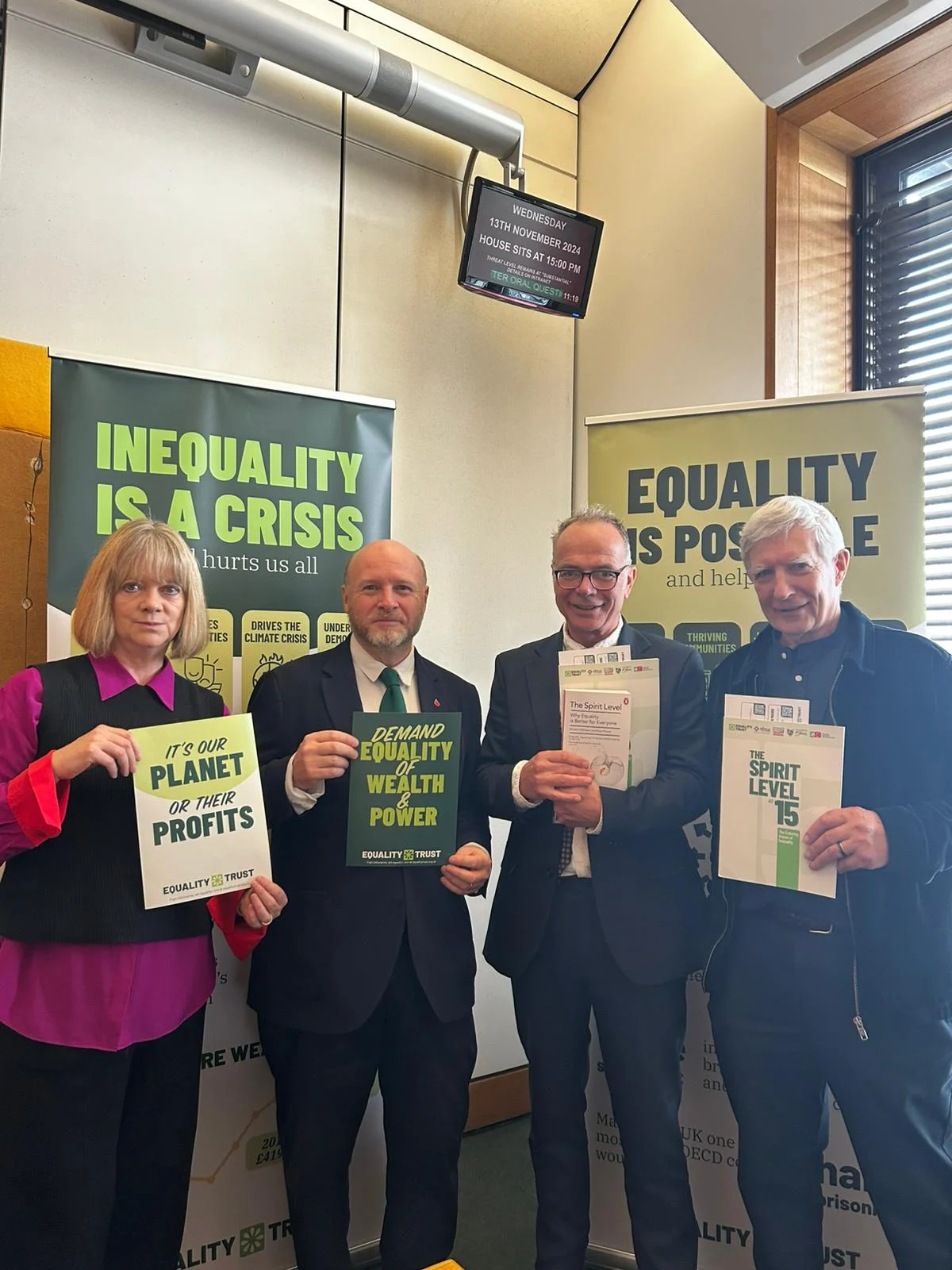
The implications extend to public health and economic productivity. Extensive research by The Equality Trust and others has demonstrated that more equal societies tend to have better health outcomes, lower crime rates, and higher levels of social trust. By addressing inequality at the local level—through better housing, protected social services, and fair wages—councils are not just performing an act of social justice; they are investing in the long-term viability of the UK economy.
As the campaign enters its final stages, the challenge for candidates is to prove that they are prepared to use the full extent of their powers to challenge the structures that perpetuate inequality. For the voters, the 2026 elections represent a rare opportunity to demand a local government that works for the many, rather than the few, ensuring that the post-election landscape is defined by equity rather than further division.