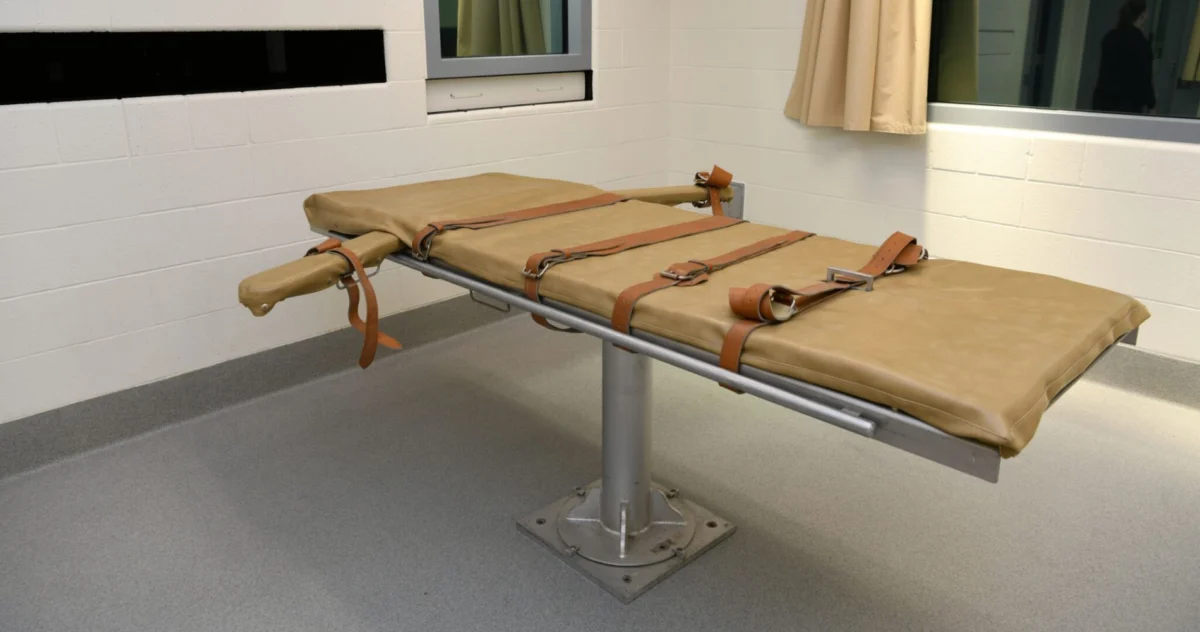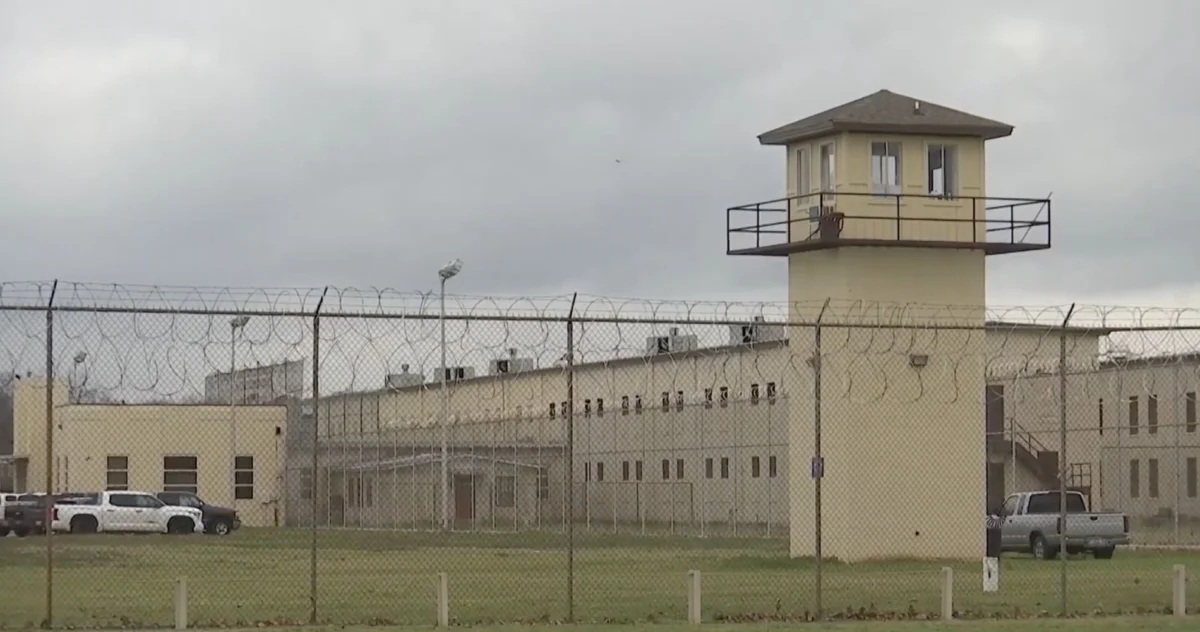
Cason Helms, 41, became the ninth person to die by homicide in an Alabama prison within the past nine months, and the fifth at the Elmore Correctional Facility alone, following an alleged brutal beating by a group of other incarcerated men on Sunday. This tragic incident, reported by the Equal Justice Initiative (EJI), casts a stark spotlight on the pervasive and escalating violence plaguing Alabama’s correctional system, particularly within Elmore, a facility that has long been under federal scrutiny for its unconstitutional conditions. The death of Mr. Helms is not an isolated event but rather the latest grim indicator of a deeply entrenched crisis marked by a lack of security, rampant contraband, and what federal authorities have described as systemic mismanagement and a failure to protect the lives of those within its charge.
A Spate of Fatalities: Elmore Correctional Facility’s Grim Toll
The Elmore Correctional Facility, situated in central Alabama, has tragically emerged as a focal point for the escalating violence within the state’s prison system. Cason Helms’ death on Sunday marks the fifth homicide at this single facility since late October, painting a disturbing picture of an environment where safety and security are demonstrably compromised. The grim chronology of deaths at Elmore reveals a pattern of increasing lethality, indicating a profound failure in maintaining order and protecting human life within the institution:
- October 30: Mikheal Gilliam succumbed to his injuries after being stabbed four days prior. The incident underscored the immediate dangers faced by individuals incarcerated within the facility, with sharp instruments often fashioned from everyday items or smuggled contraband becoming deadly weapons in an environment lacking adequate supervision and search protocols.
- December 9: Eric Sanders was beaten to death in a dormitory, an environment meant to be supervised and secure. This incident further highlighted the vulnerability of incarcerated individuals to group assaults and the apparent inability of correctional staff to prevent such fatal confrontations within living quarters, suggesting a breakdown in routine patrols and intervention strategies.
- January 15: In a shocking double homicide, Damon Calhoun and Londell Nunn Jr. were both stabbed to death on the same day. This unprecedented event within a single day intensified concerns about the level of control and security at Elmore, suggesting a systemic breakdown in preventing and responding to severe acts of violence, and raising questions about the immediate aftermath and investigative procedures following such a catastrophic breach of security.
- Sunday (date of Cason Helms’ death, implied recent): Cason Helms, 41, died after reportedly being beaten by multiple incarcerated individuals. This most recent death not only adds to the alarming tally but also reinforces the consistent nature of the violence, often involving group attacks and blunt force trauma, indicating an ongoing threat that prison authorities have struggled to mitigate despite repeated federal warnings and ongoing litigation.
The repeated nature of these homicides, particularly within such a short timeframe at one facility, suggests more than isolated incidents; it points to a deeply ingrained culture of violence and a profound failure of institutional oversight. Each death serves as a chilling testament to the daily perils faced by those incarcerated in Elmore, where the risk of fatal violence has reached extraordinarily alarming levels, prompting grave concerns from human rights advocates and federal investigators alike. The regularity of these tragedies points to a systemic breakdown in safety protocols, staff accountability, and the fundamental management of the correctional environment.
Deep-Seated Issues: Unpacking the Crisis in Alabama’s Prisons
The tragic death of Cason Helms is symptomatic of a much broader, deeply entrenched crisis within Alabama’s entire correctional system, a crisis that the Equal Justice Initiative (EJI) has meticulously documented for years. Since 2019, EJI researchers have recorded over 100 homicides of incarcerated individuals across Alabama’s prisons, a figure that far surpasses national averages and underscores a profound systemic failure to ensure basic safety and constitutional conditions. This rate of violence places Alabama’s prisons among the most dangerous correctional facilities in the United States, indicating a severe deviation from accepted standards of prison management and inmate care.
Elmore Correctional Facility, in particular, has been identified by EJI and other watchdog organizations as having a longstanding and pervasive pattern of serious violence. This violence manifests in multiple forms: it includes brutal assaults and homicides between incarcerated people, often fueled by the desperate and dangerous conditions within the facility, including overcrowding, inadequate resources, and prolonged idleness. Disturbingly, reports have also documented fatal beatings and other acts of violence that were either executed directly or instigated by correctional officers themselves, indicating a critical breakdown in professional conduct, accountability, and the proper use of force among those tasked with maintaining order and safety. These allegations of staff involvement exacerbate an already volatile environment, eroding trust and further empowering a culture of brutality and impunity.
At the heart of much of the prison violence lies a thriving underground economy within the facilities. This illicit network deals in drugs, weapons, and other forms of contraband, much of which is reportedly brought in by staff members themselves, creating a critical breach in security and integrity. Correctional officers, or other personnel, acting as conduits for contraband, not only undermine the security apparatus but also become complicit in the very conditions that foster violence. Within this shadow economy, extortion is commonplace, and violence serves as the primary means of enforcing debts, asserting dominance, or retaliating against perceived slights. The influx of these prohibited items—from makeshift shanks and bladed weapons to illegal narcotics that exacerbate addiction and mental health issues—directly fuels the cycle of violence, providing the tools and motives for assaults that often turn deadly.
Compounding this issue is a critical lack of effective officer supervision and insufficient staffing levels. Understaffing, inadequate training, and what critics describe as a culture of indifference have left dormitories and common areas largely unsupervised, creating fertile ground for conflicts to escalate unchecked. The ratio of correctional officers to incarcerated individuals in Alabama’s prisons often falls significantly below national recommendations, making comprehensive oversight virtually impossible. The absence of a visible and authoritative correctional presence allows illicit activities to flourish and disputes to devolve into violence without timely intervention. This dangerous combination of readily available contraband, an exploitative underground economy, and severely deficient supervision has led to a sharp and precipitous rise in violence at Elmore and other Alabama prisons.
The statistical evidence is stark and alarming, painting a clear picture of a system in crisis. Between 2021 and 2025, assaults within Elmore Correctional Facility reportedly doubled, illustrating a dramatic escalation in physical altercations and aggressive behavior. This exponential rise indicates a deteriorating security situation where daily interactions carry an increasing risk of harm. Even more concerning, the prison’s homicide rate from 2023 to 2025 was more than 20 times the national average homicide rate in state prisons. To contextualize this, while the national average homicide rate in state prisons typically hovers around 4-5 per 100,000 incarcerated individuals annually, Elmore’s rate, by comparison, would be in the range of 80-100 per 100,000. Such figures paint a grim and undeniable picture of a facility where the risk of death is extraordinarily high, far exceeding acceptable standards for a correctional institution in the United States and constituting a profound failure to protect the lives of those in state custody. These statistics are not merely abstract numbers; they represent lives lost, families shattered, and a profound failure of the state to uphold its constitutional obligation to provide safe conditions for those within its charge.
A History of Warnings: Federal Scrutiny and State’s Response
The crisis engulfing Alabama’s prisons, so vividly underscored by the death of Cason Helms, has been under intense federal scrutiny for several years, yet meaningful and sustained reforms have remained elusive. The timeline of federal intervention and the state’s response reveals a persistent pattern of warnings, legal action, and costly resistance, indicative of a protracted battle over the fundamental rights of incarcerated individuals.
The first significant federal intervention came in April 2019, when the U.S. Department of Justice (DOJ) issued a scathing report and formally notified state officials and the Alabama Department of Corrections (ADOC) that the conditions in Alabama’s prisons for men were unconstitutional. The DOJ’s findings were unequivocal, citing the ADOC’s "inability to control the flow of contraband into and within the prisons, including illegal drugs and weapons; and ineffective prison management and training" as primary contributors to an "unconstitutionally high level of violence." This notification, delivered under the Civil Rights of Institutionalized Persons Act (CRIPA), served as a clear warning, outlining specific deficiencies and giving the state an opportunity to voluntarily address the pervasive issues and avoid litigation.
Despite this explicit warning and the imminent threat of legal action, violence in Alabama’s prisons did not abate; instead, it continued to escalate, with homicides and severe assaults persisting. The state’s response was deemed insufficient by federal authorities, leading the Justice Department to take the unprecedented step of filing a lawsuit in December 2020 against the State of Alabama and the ADOC. The lawsuit aimed to compel the state to improve the safety and conditions of its prisons, alleging violations of the Eighth Amendment to the U.S. Constitution, which prohibits cruel and unusual punishment. The DOJ’s complaint detailed pervasive inmate-on-inmate violence and excessive force by correctional officers, painting a picture of systemic deficiencies that violated the constitutional rights of those incarcerated.
In a pivotal court filing in 2021, federal prosecutors reiterated the dire situation, stating that since their initial notification in 2019, "prisoners at Alabama’s Prisons for Men have continued daily to endure a high risk of death, physical violence, and sexual abuse at the hands of other prisoners." This statement underscored the federal government’s view that the state’s failure to act decisively had allowed the crisis to deepen, resulting in ongoing, severe harm to incarcerated individuals. The Justice Department concluded in 2021 that Alabama’s failure to voluntarily comply with constitutional requirements had made "judicial action…necessary to remedy the violations of law identified…and to vindicate the rights of the individuals incarcerated in Alabama’s prisons for men." This legal move signified the federal government’s belief that only through court-mandated reform, with the backing of federal judicial authority, could the systemic issues be adequately addressed and constitutional compliance achieved.
In response to the federal lawsuit, the Alabama Department of Corrections and the State of Alabama have adopted a strategy of legal defense, reportedly spending millions of dollars on lawyers to contest the federal allegations and defend its existing practices in court. While ADOC officials have often issued general statements acknowledging challenges and outlining initiatives to improve staffing or facilities, these efforts have consistently been deemed inadequate by federal monitors and advocacy groups like EJI. The state’s defensive posture in litigation has been widely criticized for prolonging the crisis, diverting substantial financial resources that could otherwise be used for direct improvements in staffing, training, and inmate safety programs. This legal battle represents a significant hurdle to reform, as resources and political will are channeled into courtroom arguments rather than immediate, tangible changes within the facilities. The ongoing litigation, now spanning several years, means that the federal courts continue to oversee the case, with the potential for long-term federal oversight or even receivership if Alabama fails to meet constitutional standards within a reasonable timeframe.
Beyond Elmore: The Wider Crisis in Alabama’s Correctional System
The tragic circumstances surrounding Cason Helms’ death at Elmore Correctional Facility serve as a stark and urgent reminder that the problems extend far beyond the walls of a single institution. This incident is a microcosm of a larger, systemic crisis pervading the entire Alabama Department of Corrections (ADOC), highlighting fundamental failures in governance, management, and human rights. The recurring deaths are not isolated misfortunes but rather indicators of a system profoundly broken.
While violence is a persistent concern in correctional facilities nationwide, Alabama’s prisons consistently stand out as particularly dangerous outliers. Data from various sources, including the Bureau of Justice Statistics and advocacy groups, often place Alabama among the states with the highest rates of prison homicides, assaults, and overall unconstitutional conditions. For instance, the national average for homicides in state prisons has historically been in the low single digits per 100,000 inmates, making Elmore’s reported rate of more than 20 times that average exceptionally alarming. This disparity underscores that Alabama’s issues are not merely typical challenges of prison management but rather profound and exceptional systemic breakdowns requiring urgent and comprehensive intervention.
The human cost of this crisis extends far beyond the immediate victims of homicides and assaults. For every life lost, countless others endure a daily reality of fear, psychological trauma, and constant threat. Incarcerated individuals live in an environment where violence can erupt at any moment, leading to chronic stress, anxiety, post-traumatic stress disorder, and a significant deterioration of mental health. Correctional officers, too, operate under immense pressure, often in understaffed and dangerous conditions, which can contribute to burnout, low morale, and an inability to effectively manage the inmate population, sometimes leading to a breakdown in professional conduct or even participation in illicit activities. The families of incarcerated individuals also suffer immensely, living with constant apprehension about the safety of their loved ones and often struggling to obtain accurate information from a system perceived as opaque and unresponsive.
Financially, the state’s resistance to federal mandates has proven to be an extraordinarily expensive endeavor. The millions of dollars reportedly spent on legal fees to defend ADOC’s practices in court represent a significant opportunity cost. These funds could have been directly invested in critical areas such as increasing correctional officer salaries to attract and retain qualified staff, implementing comprehensive training programs focused on de-escalation tactics, contraband interdiction, and mental health first aid, improving infrastructure to enhance security features and reduce overcrowding, or expanding mental health and rehabilitation services. Instead, these resources are being consumed in protracted litigation, delaying tangible improvements and perpetuating the cycle of violence and constitutional violations. Furthermore, continued federal oversight, and the potential for federal court-ordered remedies or even the appointment of a special master to oversee prison operations, could impose even greater financial burdens and diminish the state’s autonomy over its correctional system in the long term.
The broader implications for the State of Alabama are considerable. The ongoing crisis tarnishes the state’s reputation, casting a dark shadow over its commitment to justice, human rights, and the rule of law. It signals a governmental failure to uphold fundamental constitutional obligations, impacting public trust both within and outside the state and potentially deterring economic investment or tourism. More fundamentally, it raises profound questions about the state’s capacity and willingness to manage its correctional system in a humane and lawful manner. The principle of "deliberate indifference," often central to Eighth Amendment lawsuits, implies that officials are aware of a substantial risk of serious harm to inmates but fail to take reasonable measures to prevent it. The consistent pattern of violence, the federal warnings, and the state’s sustained resistance suggest that this legal standard is very much in play, with serious ramifications for accountability at all levels of state government.
The Path Forward: Accountability and Urgent Reform
The death of Cason Helms is a tragic punctuation mark in a narrative of systemic failure that demands immediate and comprehensive action. It is not merely a statistic but a human life lost within a system demonstrably failing to protect those in its care. The repeated homicides at Elmore Correctional Facility and across the state’s prison system underscore the urgent need for Alabama to move beyond legal defensiveness and embrace genuine, transformative reform.
For years, advocacy groups like the EJI have called for transparency, accountability, and substantial investment in the correctional system. This includes increasing staffing levels to meet national standards, providing adequate and ongoing training for correctional officers in de-escalation techniques, crisis intervention, and contraband detection, implementing robust measures to prevent contraband flow by addressing staff corruption and improving screening technologies, and fostering a culture of safety, rehabilitation, and respect for human dignity rather than one of neglect and violence. The federal government, through the Department of Justice, has provided a clear roadmap for necessary changes, outlining specific areas where the state is failing to meet constitutional standards and offering a framework for remediation.
The ongoing litigation means that the state is under immense pressure to demonstrate concrete progress. Failure to do so could lead to more stringent federal oversight, including potential judicial mandates that could strip the state of significant control over its prison operations, potentially through the appointment of a federal monitor or special master with broad powers to implement reforms. Such interventions, while potentially costly and politically challenging, may ultimately be the only recourse to ensure the safety and constitutional rights of incarcerated individuals in Alabama, who currently face an unacceptably high risk of death or severe injury.
Ultimately, the lives of individuals like Cason Helms, Mikheal Gilliam, Eric Sanders, Damon Calhoun, and Londell Nunn Jr. serve as a powerful and tragic reminder that the state has a fundamental responsibility to ensure the safety and humane treatment of all