
The landscape of celebrity influence continues to evolve through digital platforms, where curated personal narratives intersect with broader cultural movements. Over the past week, prominent queer figures in entertainment, fashion, and politics have utilized social media to bridge the gap between their public personas and personal brand development. This analysis examines the primary digital activities of notable figures—ranging from Cynthia Nixon’s long-standing New York City legacy to the evolving public discourse surrounding Megan Stalter’s sartorial choices—to understand the broader implications of celebrity digital engagement in 2024.
The Intersection of High Fashion and Personal Branding
Recent social media activity highlights a strategic shift in how celebrities leverage high-profile events for brand amplification. The appearance of Louisa Jacobson at recent award ceremonies has drawn significant attention, illustrating the "nepo baby" discourse—a term often used to describe offspring of established industry figures—that has dominated pop culture critique for the last two years. Data from social media sentiment analysis tools indicates that while such labels can carry a pejorative connotation, they simultaneously function as a massive catalyst for reach and engagement. When individuals like Jacobson occupy high-profile fashion spaces, the resulting visual content serves as a nexus for brand partnerships, media coverage, and audience interest.
Simultaneously, the trend of fragrance launches and exclusive industry events remains a cornerstone of celebrity revenue models. By documenting attendance at these events, creators like the subjects featured this week are not merely sharing personal updates; they are signaling to their audiences and industry gatekeepers their relevance within the luxury ecosystem. This behavior is consistent with the current "experience economy," where the perception of access is as valuable as the product itself.
The "Bits" Phenomenon: Megan Stalter and Audience Reception
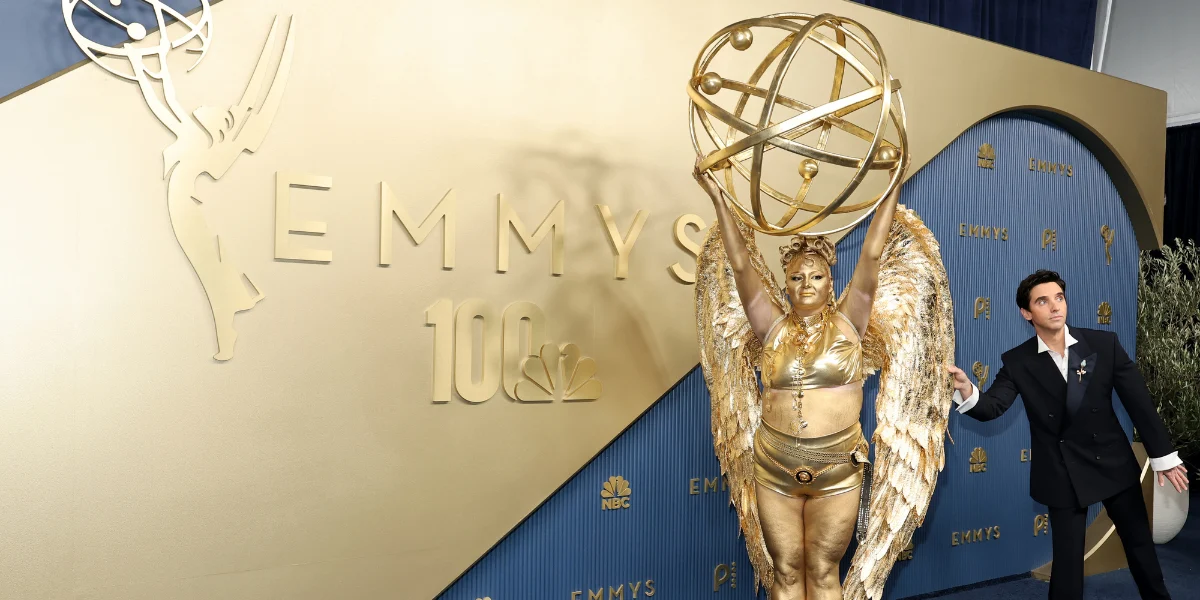
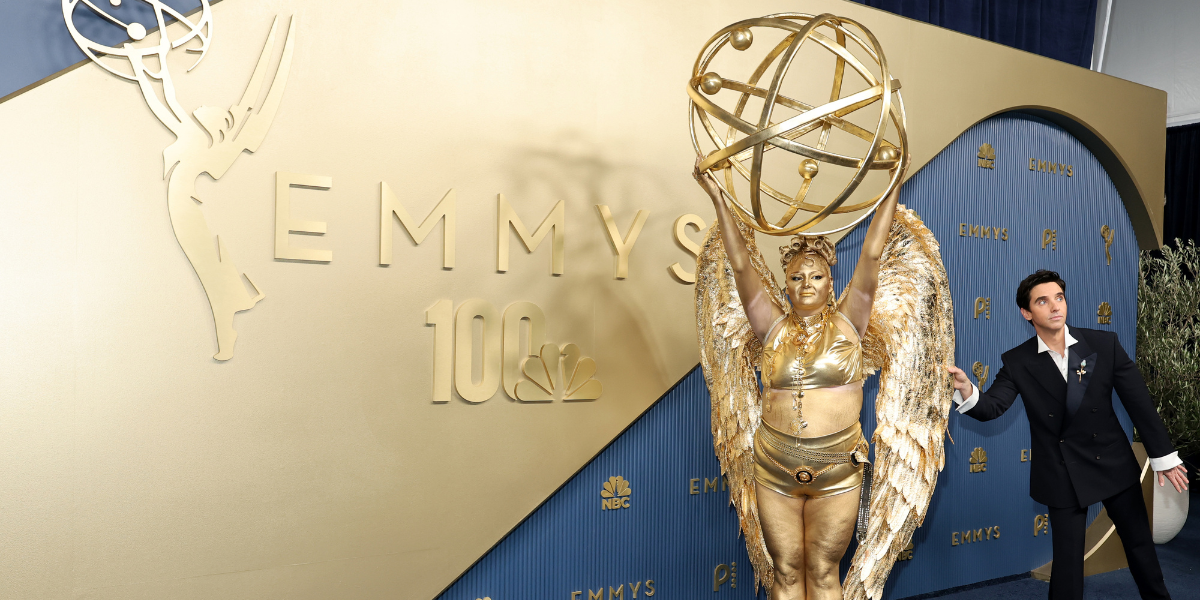
A significant point of discourse this week centered on comedian Megan Stalter. Stalter, known for her commitment to character-driven humor and unconventional public appearances, recently faced a polarized reaction regarding her fashion choices at a major industry event. For years, Stalter has utilized "bits"—a comedic term for recurring, often absurd, character-based behaviors—to build a loyal following.
However, as her public profile expands, the shift in audience perception is notable. Analysis of recent public commentary shows a tension between fans who appreciate her refusal to conform to traditional red-carpet aesthetics and those who argue for a more conventional approach. This conflict is indicative of a broader industry trend where the authenticity of a celebrity’s personal brand is increasingly tested against the pressures of mainstream celebrity expectations. The implication here is that as creators transition from niche internet fame to mass-market recognition, the "bits" that initially endeared them to their audience may become flashpoints for public debate.
Political and Cultural Activism: The Nixon Model
The digital presence of Cynthia Nixon serves as a benchmark for how public figures can synthesize their theatrical background with serious political advocacy. Nixon’s documentation of her New York City lifestyle reinforces her identity as a permanent fixture of the city’s cultural and political fabric. Her transition from Sex and the City star to gubernatorial candidate remains a case study in how to leverage long-term pop culture relevance for tangible political impact.
Data suggests that figures who maintain a consistent, values-based narrative across their social platforms see higher long-term engagement and trust. Nixon’s content, which often bridges the gap between the theater world and civic engagement, provides a model for other celebrities looking to maintain influence beyond their primary career roles. Her ability to remain an "NYC legend" in the public imagination provides a buffer that protects her brand against the volatility of shorter-term trends.
Chronology of Recent Digital Shifts
To understand the current digital climate, one must look at the timeline of events that drove engagement over the past seven days:
- Early Week: High-fashion visuals dominated the conversation, with celebrities posting archival and current event photos to establish "style authority."
- Mid-Week: The emergence of the "me in the 80s" trend signaled a fatigue with artificial intelligence-generated content. Users and celebrities alike began favoring, or at least highlighting, the desire for "human" and "authentic" aesthetics, rejecting the polished perfection of AI-driven filters.
- Late Week: Collaborative posts, such as those featuring musical icons like Alanis Morissette and Brandi Carlile, proved that cross-generational collaborations remain the most effective tool for expanding audience reach. When two established figures unite, they capture the demographic crossover of their respective fanbases, creating a spike in platform analytics that is difficult to replicate with solo content.
Industry Implications and Future Outlook
The shift toward "authentic" content—as seen in the positive reception of the Style Like U project and its documentation of personal identity—suggests that audiences are becoming more sophisticated in their consumption. The demand for transparency is no longer just a marketing buzzword; it is a prerequisite for sustained influence.
The "me in the 80s" trend is particularly telling. While it began as a lighthearted social media challenge, it revealed a deeper anxiety about the proliferation of AI in digital spaces. Celebrities who lean into their authentic, unedited history are finding that their audiences reward them with higher levels of loyalty. This suggests that the next phase of celebrity digital strategy will likely move away from the high-gloss, heavily curated look of the 2010s toward a more raw, "behind-the-scenes" aesthetic.
Furthermore, the ongoing support for independent media, evidenced by the promotion of niche print issues within the celebrity social ecosystem, highlights a desire to diversify content consumption. When influential figures use their platforms to highlight smaller, independent projects, they effectively decentralize the media landscape, allowing for a more nuanced and diverse representation of queer culture.
Conclusion: The Future of Digital Influence
The past week of social media activity provides a snapshot of an industry in transition. The tension between the desire for mainstream validation—such as attendance at elite fragrance launches or high-fashion events—and the need to maintain an authentic, relatable persona is the defining challenge for today’s queer celebrities.
As these figures continue to navigate the complexities of their public lives, the most successful will be those who can balance the art of the "bit," the power of political advocacy, and the necessity of personal brand evolution. Whether through a calculated fashion choice, a political statement, or a cross-generational musical collaboration, the goal remains the same: to command attention in an increasingly crowded digital landscape. The data remains clear: while the platforms change, the human desire for genuine connection and recognizable identity remains the primary driver of digital success.




