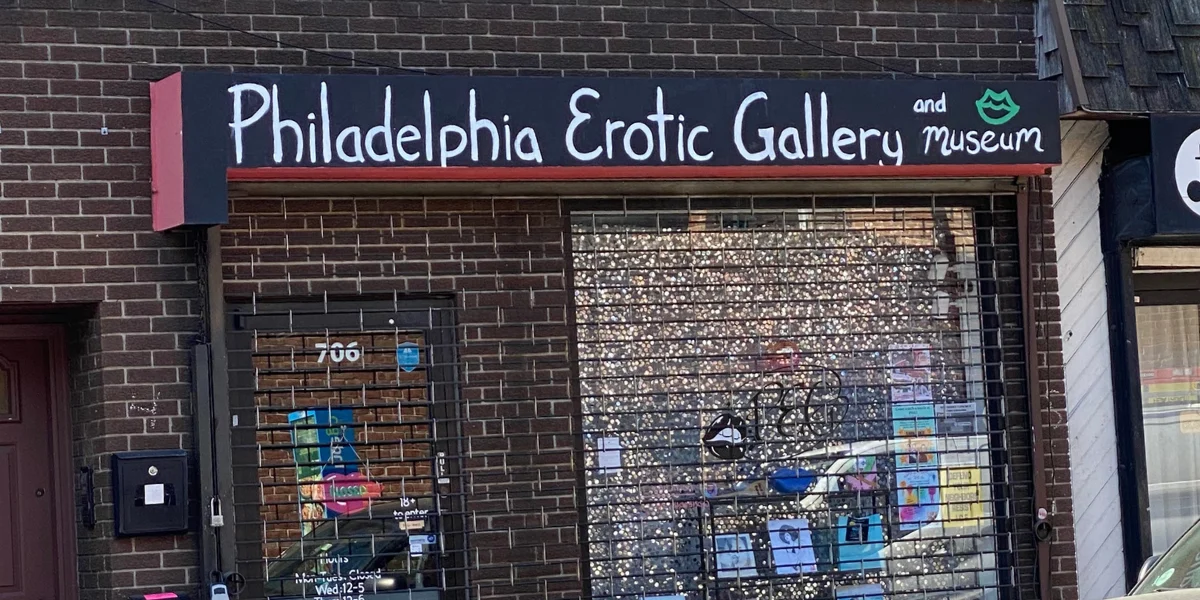
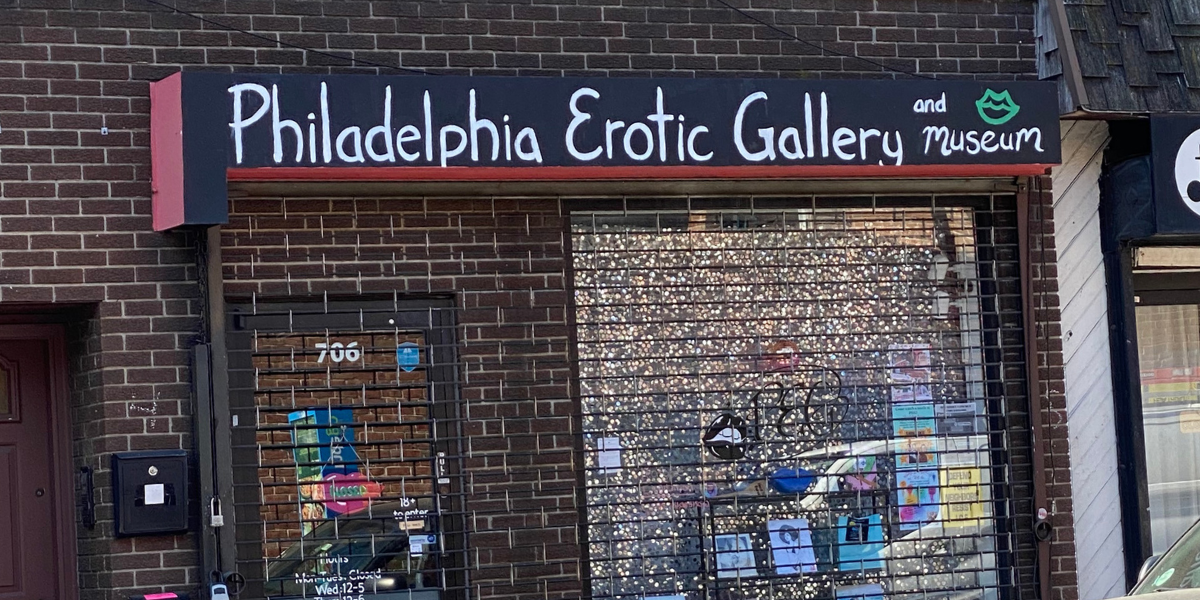
The city of Philadelphia has officially welcomed its first dedicated institution for the study and celebration of human sexuality with the opening of the Philadelphia Erotic Gallery and Sex Museum, colloquially known as PEG. Located on the historically significant South Street, the museum represents a milestone in the city’s cultural landscape, providing a centralized space for the intersection of erotic art, historical preservation, and community engagement. Since its opening in December 2025, PEG has positioned itself not merely as a gallery but as a comprehensive archive of the city’s sexual evolution, spanning from the early 20th century to contemporary movements in gender and identity.
A New Institutional Framework for Sexual Expression
The establishment of PEG marks a departure from traditional museum models by blending the aesthetic focus of an art gallery with the rigorous archival standards of a history museum. The facility is divided into four distinct rooms, each designed to facilitate a specific type of engagement with the subject matter. These include a rotating exhibition space for contemporary artists, a historical archive, and an interactive "anatomy room" that encourages tactile learning and play.
The museum was founded by erotic artist Stevie Laney and her partner Tobias Olson. The project serves as a physical expansion of Very, an erotic art magazine founded by Laney in 2021. According to the founders, the transition from a digital and print publication to a physical institution was driven by a burgeoning community of artists and historians seeking a safe, permanent space to showcase work that is often marginalized by mainstream cultural institutions.
Chronology of Development: From Publication to Permanent Museum
The trajectory of PEG reflects a broader trend in the 2020s toward reclaiming physical spaces for subcultural expression.
- 2021: Stevie Laney launches Very magazine, a publication dedicated to high-quality erotic art and inclusive representation. The magazine quickly gains a following for its refusal to adhere to traditional pornographic tropes, focusing instead on artistic merit and diverse bodies.
- 2022–2024: The Very community expands through pop-up events and digital forums. Laney and Olson begin identifying a significant gap in Philadelphia’s museum sector: while the city boasts world-class art and science museums, there is no formal venue for the history of sexuality or erotica.
- Late 2024: The founders secure a location on South Street, a neighborhood historically known for its bohemian spirit and status as a refuge for the LGBTQ+ community and counter-culture artists.
- December 2025: PEG officially opens its doors to the public, featuring work from over 80 artists and an extensive collection of historical ephemera.
- April 2026: The museum introduces its "pay what you want" Wednesday program to increase accessibility, alongside an expanded schedule of community workshops and film screenings.
Interactive Exhibits and the "Please Touch" Philosophy
A central tenet of PEG is the removal of the clinical detachment often found in museum settings. The "anatomy room" is perhaps the most prominent example of this philosophy. The exhibit features large-scale, interactive installations, including a giant pink vulva and a diorama of various anatomical forms designed to be touched and explored. By encouraging physical interaction, the museum aims to dispel the shame and discomfort frequently associated with sexual education and nudity.
In addition to modern installations, the museum utilizes mechanical history to illustrate the evolution of the "gaze." One of the most popular exhibits is a turn-of-the-century "peep show" device, which visitors operate via a hand-crank. This provides a tactile connection to the history of erotic consumption, allowing visitors to experience the precursors to modern cinematography and digital media.
Archiving Philadelphia’s "Hidden" History
Beyond the interactive displays, PEG serves as a vital repository for Philadelphia’s sexual history. The gallery walls are lined with "historical ephemera"—items that were often intended to be temporary but now serve as primary source documents for social historians.
Key items in the collection include:
- The "Pleasure Menu": A rare document from a historical Philadelphia brothel, detailing the services and social structures of early sex work in the city.
- Bisexual Visibility: A 1980 flyer for a "Meet the Author" event at the Gay Community Center, promoting the memoir Barry and Alice: Portrait of a Bisexual Marriage. Such documents are critical for scholars, as bisexual history is frequently subsumed under broader LGBTQ+ categories or erased entirely.
- Fetish Culture: Personals ads and flyers from 1990s fetish magazines, which track the development of kinky subcultures before the internet moved such interactions into private digital spaces.
- Erotic Photography: A collection of early 20th-century photography that showcases the changing standards of beauty and the long-standing tradition of underground erotic art in the Mid-Atlantic region.
Laney emphasizes that the collection is a living one. The museum actively seeks donations and loans from the public, particularly items related to Philadelphia’s unique sexual subcultures, to ensure that the archive remains representative of the city’s actual lived experiences.
Diverse Representation and Artistic Curation
The curation at PEG is intentionally broad, encompassing straight, LGBTQ+, vanilla, and kinky themes. Laney, drawing on her experience as an artist, has made it a priority to feature a "representation of every type of person." This inclusive approach is reflected in the roster of over 80 contributing artists. By providing a platform for diverse voices, the museum challenges the "male gaze" that has historically dominated the erotic art world, offering instead a multi-faceted view of desire and identity.
The museum’s gift shop further supports this mission by acting as a marketplace for independent artists. Visitors can purchase original prints, apparel, jewelry, and books, creating a sustainable economic ecosystem for creators whose work might be censored on mainstream platforms like Instagram or Etsy.
Sociopolitical Implications and the Fight Against Censorship
The emergence of PEG comes at a time of heightened political tension regarding sexual expression and LGBTQ+ rights in the United States. Laney and Olson have noted that the museum’s mission is partly defensive. As digital platforms increase their use of algorithmic censorship and as state-level legislation in various parts of the country moves to restrict "explicit" content, physical archives like PEG become essential.
"This current administration seems to be very quick to censor, and things are harder and harder to find online," Laney stated, referring to the broader national climate of information control. By housing these materials in a physical building, PEG ensures that the history of marginalized communities cannot be deleted by a software update or a change in a platform’s terms of service.

The museum’s location on South Street is also a strategic choice. For decades, South Street has served as a cultural buffer zone where unconventional ideas could find a foothold. By establishing a permanent institution here, PEG reinforces the neighborhood’s identity as a center for artistic freedom and sexual liberation.
Community Integration and Future Projections
PEG is designed to function as a "little community center," according to its founders. To achieve this, the museum hosts a variety of monthly events, including:
- Figure Drawing Classes: Allowing artists to work with live models in a sex-positive environment.
- Film Screenings: Showcasing underground and independent erotic cinema.
- Open Mics: Providing a space for poets and performers to explore themes of intimacy and identity.
Looking forward, the founders have expressed a desire to expand the facility to include a cafe or lunch spot, further cementing its role as a social destination for both residents and tourists. As the only erotic gallery in Philadelphia, the institution is expected to become a significant draw for cultural tourism, contributing to the economic revitalization of the South Street corridor.
Conclusion: Preservation as an Act of Resistance
The Philadelphia Erotic Gallery and Sex Museum represents a significant step forward in the normalization of sexual discourse. By treating erotic art and history with the same institutional respect afforded to other academic subjects, PEG provides a blueprint for how cities can preserve their "hidden" histories.
In a landscape where sexual culture is often driven underground or sanitized for mass consumption, PEG’s commitment to "curiosity and play" offers a healthier alternative. As the institution continues to grow its collection and its community, it stands as a testament to the importance of physical spaces in the preservation of human heritage. For the founders and the artists involved, the museum is more than a business; it is a vital safeguard against the erasure of the city’s diverse and vibrant sexual past.