
The Literary Context of Suburban Adolescence
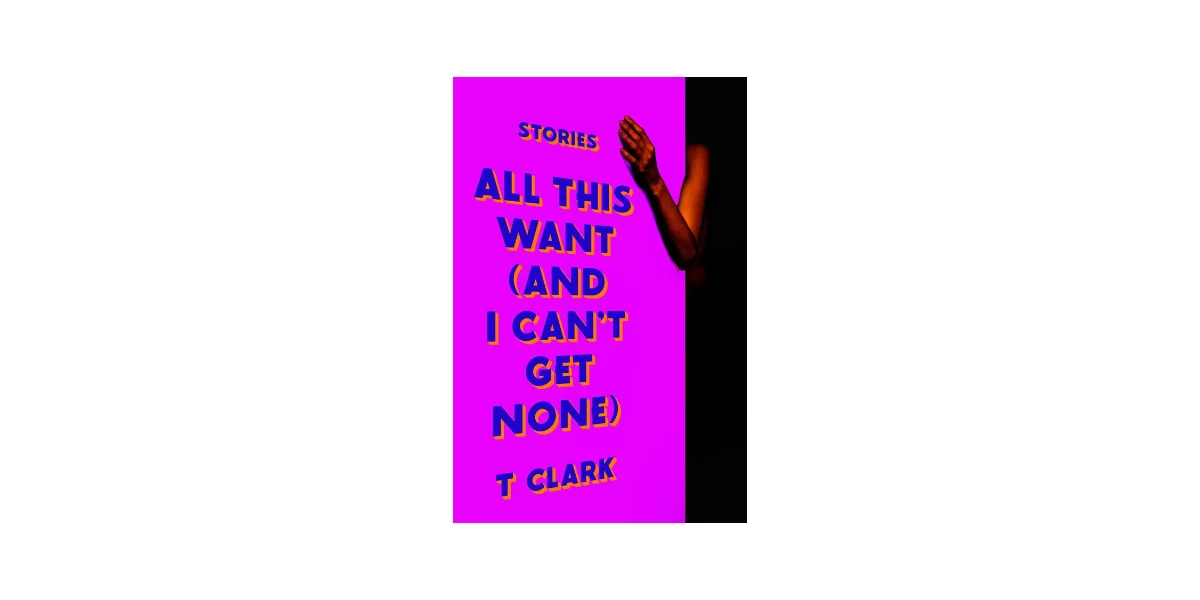
The publication of All This Want (And I Can’t Get None) follows a long tradition of American literature that utilizes the suburban setting as a primary vehicle for character development. Unlike the romanticized urban landscapes or the idyllic pastoral imagery often found in mid-century fiction, these stories reflect the reality of contemporary working-class suburbs—environments frequently characterized by economic stagnation, limited social infrastructure, and the quiet, pervasive boredom of teenage life.
Data from the U.S. Census Bureau regarding suburban demographic shifts over the past two decades indicates a significant increase in the diversity of the American suburb. As these regions have become increasingly multicultural, the literature reflecting these spaces has begun to move away from monolithically middle-class narratives to include the nuances of Black, immigrant, and working-class experiences. T Clark’s work functions as a case study in this demographic evolution, focusing on characters who exist in the orbit of metropolitan centers but remain geographically and socially distanced from the perceived opportunities of the city.
Chronology and Narrative Structure
The twelve stories in the collection follow a non-linear progression that captures the developmental arc of its protagonists. The narratives are primarily centered on Black female youth grappling with the transition into adulthood. According to literary analysis of the text, the stories can be categorized into three distinct phases of exploration:
- The Architecture of Longing: Stories such as the titular piece, "All This Want," establish the emotional baseline of the collection, focusing on the intense, often misplaced desires of young women navigating power imbalances, including relationships with authority figures.
- The Performance of Propriety: Mid-collection stories like "Nutcracker" and "Red-Hot Door" examine the social pressure exerted upon "quiet" or "responsible" girls. These stories highlight the psychological toll of being perceived as innocent or "virginal," particularly within the framework of Black girlhood, where such perceptions often conflict with societal tropes.
- The Emergence of Identity: The final section of the collection shifts toward the discovery and articulation of queer identities. Stories such as "Walks Like a Duck," "The Thing About You," and "Dark Times" illustrate the process of self-realization, as characters navigate the complexities of coming out in environments that may not be overtly hostile, but remain functionally unaccommodating.
Socio-Cultural Analysis: Desire and Agency
A recurring motif throughout the collection is the concept of "want" as an unfulfilled, yet constitutive, element of human experience. From a psychological perspective, the adolescents in these stories are navigating the heightened emotional state characteristic of puberty, intensified by the lack of structural support or meaningful outlets in their suburban environments.
Critics have noted that Clark’s treatment of the protagonist D’Asia in the titular story represents a sophisticated handling of agency. By refusing to paint the character’s interactions with an older school security guard as purely victimhood or purely transgressive, the author forces a reader-focused interrogation of autonomy. The narrative presents the character as a complex individual who, despite the inappropriate nature of the situation, exercises her own internal logic to weigh the utility of being "wanted."
This approach aligns with current sociological studies on adolescent decision-making, which emphasize that young people—even those in compromised situations—frequently operate within a framework of perceived self-interest and emotional necessity. By centering the interiority of these characters, the collection demands that the reader move beyond simplistic morality tales to acknowledge the messy, often contradictory reality of the teenage experience.
The Intersection of Race, Gender, and Sexuality
The collection also engages in a critical discourse regarding the "innocence" of Black girls. In American pop culture and historical literature, Black girlhood has frequently been subject to hyper-sexualization, which historically has denied these youth the "luxury" of innocence or the quiet, awkward maturation periods often afforded to their white counterparts.
T Clark’s work challenges this dichotomy by depicting protagonists who are actively struggling with the perception of their own innocence. The frustration expressed by characters like Shelly, who feels ignored by boys because she is deemed "too nice" or "virginal," provides a counter-narrative to the standard representation of Black adolescent women. This internal conflict—the jealousy of unwanted attention vs. the desire for validation—is a specific, under-documented facet of the coming-of-age experience that the collection illuminates with precision.
Furthermore, the collection serves as a significant exploration of queer desire within the context of the closet. The subtle, often unacknowledged romantic tensions between friends in the collection—such as the subtext in "Insults for Ugly Girls"—reflect the experience of many LGBTQ+ youth who grow up without the vocabulary or cultural representation to identify their feelings as queer. This "sapphic yearning," as described by early reviews of the book, captures a pervasive element of adolescent confusion that is rarely given space in standard literature.
Implications for Contemporary Fiction
The arrival of All This Want (And I Can’t Get None) arrives at a time when the literary industry is increasingly valuing "messy" and authentic portrayals of marginalized groups. The success of works by authors such as Toni Morrison and Jacqueline Woodson established a foundational understanding of Black girlhood; T Clark’s work builds upon this foundation by expanding the scope to include the modern, suburban, queer experience.
The broader impact of this collection lies in its ability to validate the "mundane delirium" of adolescence. By documenting the intersection of desire, race, and sexuality without resorting to tragic tropes or didactic resolutions, the collection creates a space for a more nuanced discussion of growing up in America.
Industry observers suggest that the reception of this book indicates a growing market appetite for stories that prioritize emotional realism over traditional plot resolution. As readers continue to seek literature that mirrors the complexity of their own internal lives, the demand for collections that handle the "mortifying, all-consuming presence" of desire is expected to increase.
Conclusion and Future Outlook
All This Want (And I Can’t Get None) provides an incisive, often humorous, and deeply compassionate look at the geography of wanting. By exploring the tension between the extremity of adolescent feelings and the eventual, retrospective understanding of their relative insignificance, T Clark has produced a work that is both an ode to and an elegy for the experience of being young, hungry, and waiting for a life to begin.
The collection is currently available through major retailers and independent bookstores. As a debut, it signals a significant voice in contemporary fiction, one capable of navigating the most difficult terrains of human development with empathy and technical prowess. For those interested in the evolving landscape of queer, Black, and suburban literature, this collection represents a critical, must-read milestone.




